








In the modern economic landscape, a credit score is more than just a three-digit number; it is a financial passport that determines the quality of one’s lifestyle, the feasibility of homeownership, and even the stress levels within a household. As the month of February often turns the public focus toward romantic relationships, financial experts are increasingly highlighting a parallel necessity: the cultivation of a healthy relationship with one’s credit.
According to recent data from the Federal Reserve, total household debt in the United States reached a staggering $17.5 trillion in late 2023, with credit card balances alone surpassing $1.1 trillion. In this high-stakes environment, the ability to manage credit effectively has become a critical life skill. This report explores the multifaceted approach to credit health, examining the data-driven strategies necessary to build a robust financial profile and the implications of financial transparency in personal partnerships.
I. Main Facts: The Intersection of Credit and Emotional Well-being
The correlation between financial health and personal stability is well-documented. A study by the American Psychological Association (APA) consistently finds that money is a top source of stress for adults. Credit, acting as the bedrock of modern purchasing power, plays a disproportionate role in this stress.
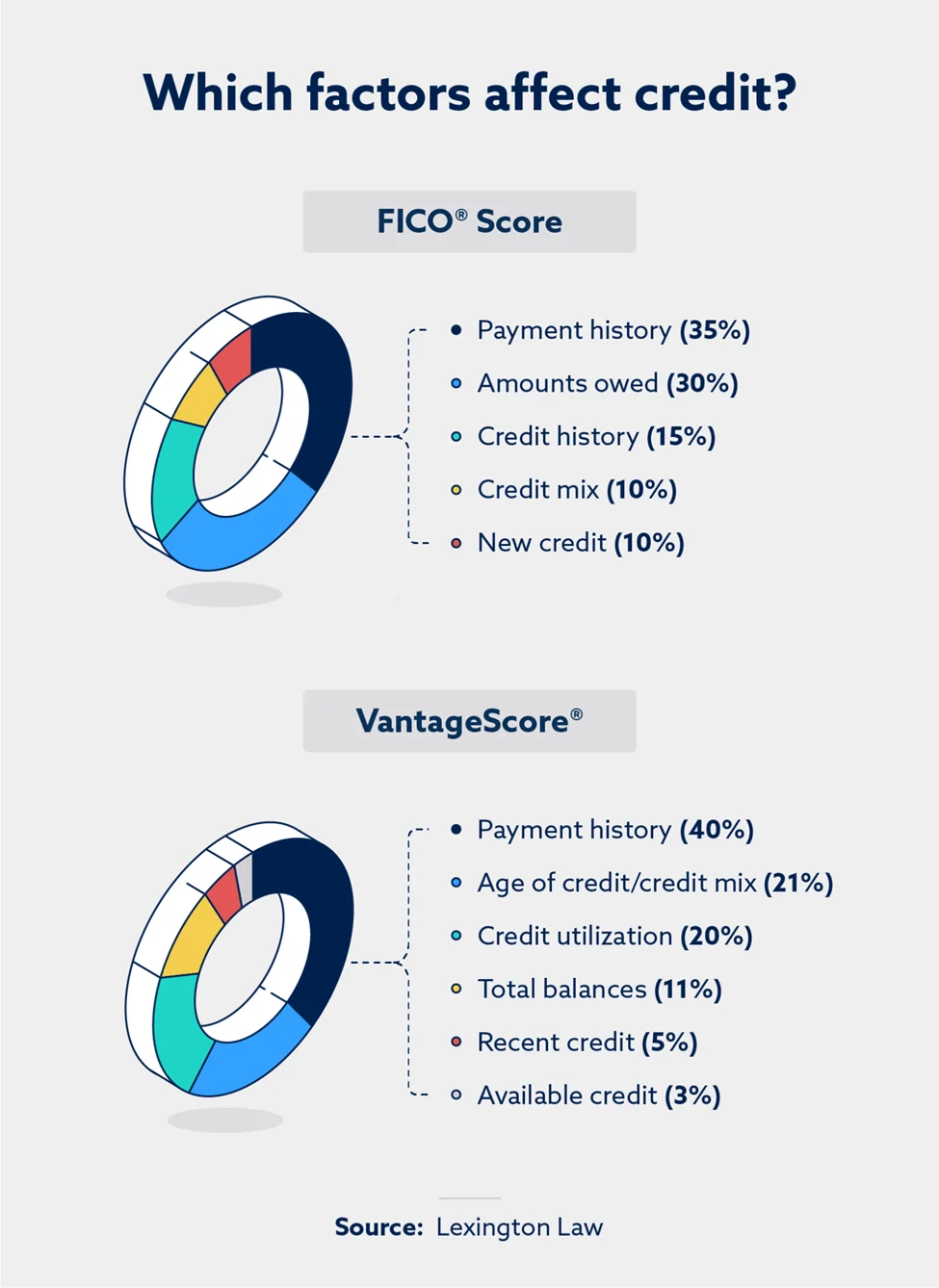
A "healthy" credit profile is defined not just by a high FICO score, but by the transparency, accuracy, and sustainability of the underlying data. The primary facts regarding credit health revolve around five key pillars:
- Payment History: Accounting for 35% of a FICO score, it is the single most influential factor.
- Credit Utilization: The ratio of outstanding balances to total limits, making up 30% of the score.
- Credit Age: The longevity of accounts, which provides lenders with a historical track record.
- Credit Mix: The diversity of account types (revolving vs. installment).
- New Inquiries: The frequency of new credit applications.
By reframing credit management as a form of "self-care," consumers can move away from avoidant behaviors and toward proactive financial stewardship.
II. Chronology of Credit Cultivation: A 14-Step Strategic Roadmap
To transition from financial volatility to stability, experts recommend a phased approach. This chronology outlines the journey from diagnostic assessment to long-term maintenance.
Phase 1: The Diagnostic Audit
1. The Quarterly Credit Review: The first step in any financial recovery or optimization is honesty. Under the Fair Credit Reporting Act (FCRA), consumers are entitled to accurate reporting. Reviewing reports from Equifax, Experian, and TransUnion quarterly allows for the identification of "unfair" negative items or clerical errors that may be artificially depressing scores.
2. Establishing the "Money Date": Financial literacy is not a one-time event but a recurring commitment. By setting a weekly or monthly "money date," individuals can reconcile their spending with their values. This involves auditing checking accounts, reviewing investment performance, and ensuring that upcoming obligations are funded.
Phase 2: Operational Optimization
3. The "Minimum Payment" Mandate: To protect the 35% of the score tied to history, paying at least the minimum by the due date is non-negotiable. Automation through autopay features serves as a technological safeguard against human error.

4. Aggressive Utilization Management: Experts suggest that keeping credit utilization below 30%—and ideally below 10%—is the most effective way to see rapid score improvements. This requires "showing affection" to balances by paying them down multiple times a month, rather than waiting for the statement date.
5. Preservation of Legacy Accounts: The "length of credit history" metric rewards patience. Closing an old account, even one that is rarely used, can inadvertently shorten the average age of credit and increase the overall utilization ratio. Unless an account carries a high annual fee, it is generally beneficial to keep it active with a small, recurring purchase.
Phase 3: Behavioral Adjustments
6. Digital Detox from Temptation: In the age of "one-click" shopping and targeted social media advertising, impulse spending is a major threat to credit health. Unsubscribing from promotional emails removes the psychological trigger to spend beyond one’s means.
7. Incremental Emergency Funding: High-interest credit card debt is often the result of unexpected emergencies. Starting with a modest goal—such as $20 a month—begins the process of building a "buffer" that prevents future reliance on high-interest revolving credit.
8. Celebrating Micro-Wins: Financial behavior modification is difficult. Celebrating small victories, such as paying off a specific card or resisting an impulse buy, reinforces the neural pathways associated with fiscal discipline.
Phase 4: Relational Integration
9. Radical Financial Transparency: For those in partnerships, credit health is a team sport. Openly discussing debt loads, spending habits, and credit goals prevents "financial infidelity"—the act of hiding accounts or debt from a partner—which is a leading cause of relationship dissolution.
10. The Risks of Combined Credit: Joint accounts and cosigning represent a high level of legal and financial commitment. If one partner defaults, both credit scores suffer. Strategic caution is advised before merging credit profiles.
11. Diversification of Credit Mix: A healthy profile includes a mix of credit cards, auto loans, or mortgages. For those with "thin" files, credit-builder loans or secured cards offer a path to establishing a positive history without the risks of high-limit unsecured credit.
Phase 5: Advocacy and Protection
12. The Fairness Doctrine: Consumer rights are protected by federal law. If a credit report contains inaccuracies, consumers have the right to dispute those items. Focusing on "fairness" over "fear" empowers the individual to take charge of their data.

13. Low-Impact Experiences: Maintaining a social life or a romantic relationship does not require high-interest spending. Prioritizing home-cooked meals or free local experiences preserves capital for debt reduction.
14. Seeking Professional Intervention: When credit issues stem from complex legal errors or overwhelming debt, professional credit repair or financial counseling services can provide the necessary expertise to navigate the bureaucracy of credit bureaus.
III. Supporting Data: The Cost of Inaction
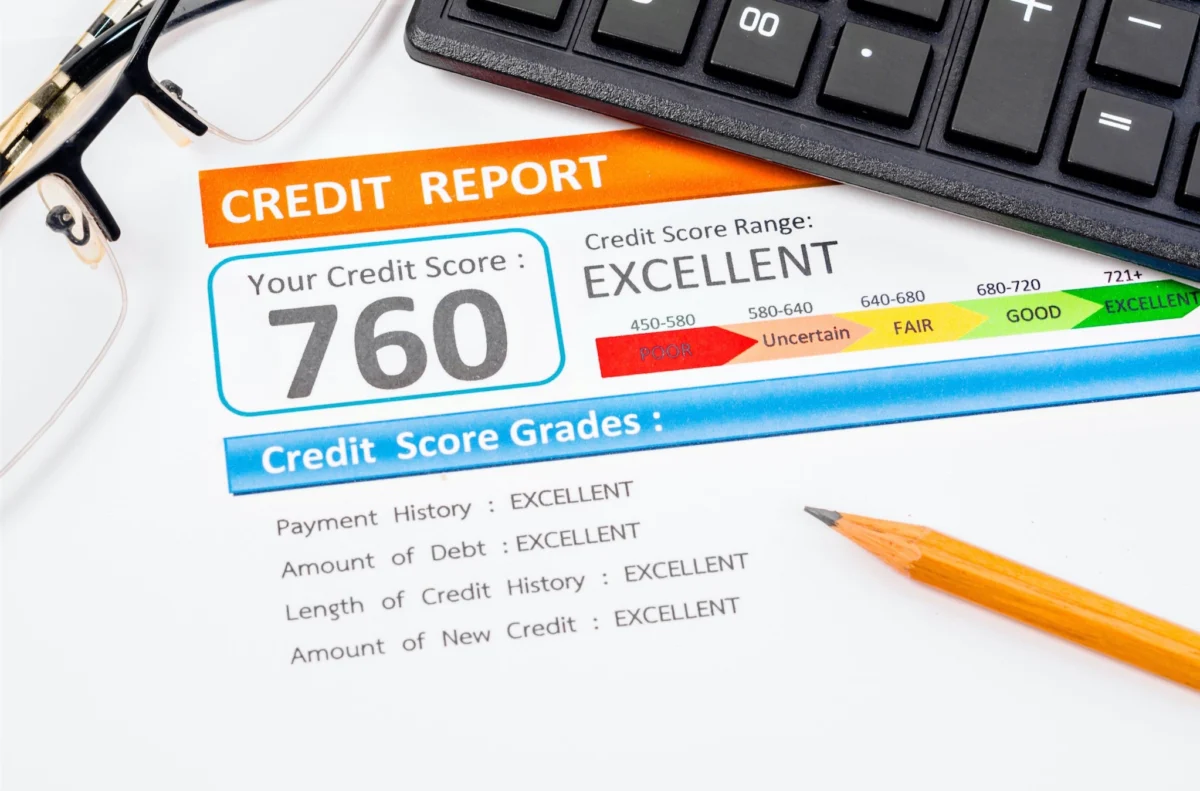
The implications of credit health are best understood through the lens of interest rates. As of early 2024, the difference in an APR (Annual Percentage Rate) for a mortgage between a "Fair" credit score (640) and an "Excellent" credit score (760) can amount to more than 1.5%.
- Mortgage Impact: On a $400,000 30-year fixed mortgage, a 1.5% interest rate difference can cost a consumer over $150,000 in additional interest over the life of the loan.
- Credit Card Interest: The average credit card interest rate is currently over 20%. For a consumer carrying a $10,000 balance, paying only the minimum can result in a debt cycle that lasts decades and costs tens of thousands in interest.
- Insurance Premiums: In many states, insurance companies use "credit-based insurance scores" to determine premiums. Drivers with poor credit may pay up to 50% more for the same coverage than those with excellent credit.
IV. Official Responses and Industry Standards
Regulatory bodies and industry experts emphasize that the credit system is intended to be a reflection of risk, but it is often prone to error. The Consumer Financial Protection Bureau (CFPB) has repeatedly issued reports highlighting the high volume of complaints regarding credit reporting errors.
"Credit reporting is a cornerstone of the American economy," a CFPB representative noted in a recent bulletin. "It is the responsibility of the bureaus and the furnishers of data to ensure that the information is accurate. When they fail, the consumer has a legal right to demand a correction."
Major credit bureaus—Experian, Equifax, and TransUnion—have responded by offering more frequent free access to credit reports via AnnualCreditReport.com, recognizing that consumer vigilance is a necessary component of data accuracy. Furthermore, the rise of "FinTech" tools has allowed for more granular tracking, though experts warn that these tools should be used as supplements to, not replacements for, official credit reports.
V. Implications: The Future of Financial Freedom
The long-term implications of "loving your credit" extend far beyond the ability to borrow money. Credit health is intrinsically linked to:
- Employment Opportunities: Many employers in the financial, government, and security sectors conduct credit checks as part of the hiring process, viewing credit management as an indicator of personal responsibility.
- Housing Accessibility: Beyond mortgages, landlords increasingly use credit scores to screen tenants. In competitive rental markets, a low score can be a barrier to safe and affordable housing.
- Mental Health: Reducing debt and improving credit scores has a direct "downstream" effect on mental health, reducing anxiety and improving overall life satisfaction.
Conclusion
Prioritizing credit health is perhaps the most significant gift an individual can give to their future self. By treating the credit report with the same care, honesty, and consistency required of a healthy personal relationship, consumers can unlock a level of financial freedom that allows them to focus on what truly matters. Whether single or in a partnership, the journey toward a higher score is a journey toward a more stable, less stressful, and more opportunistic life. Small actions taken today—checking a report, paying down a small balance, or having a difficult conversation about money—are the building blocks of lasting financial confidence.