








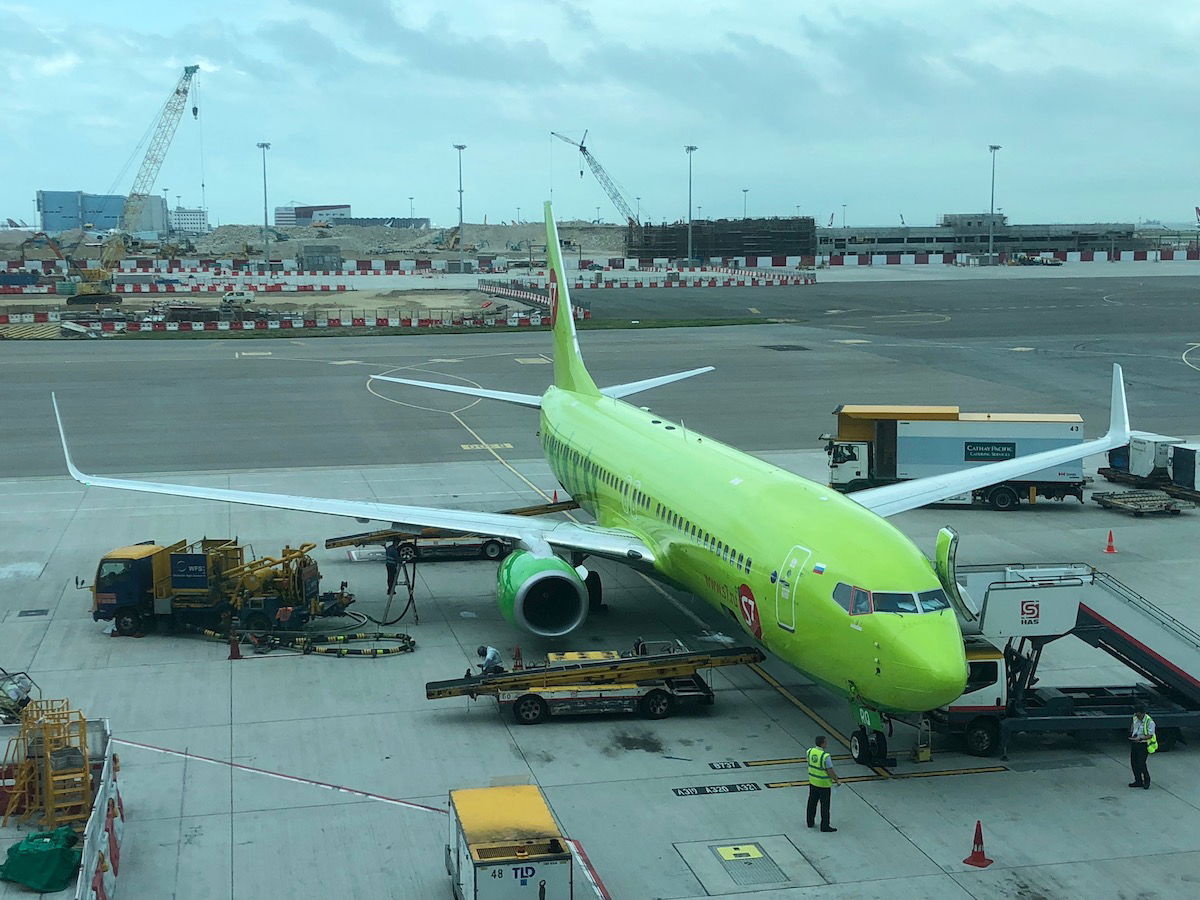
In an unprecedented move that underscores the mounting pressures facing the Russian aviation sector, S7 Airlines—one of the country’s largest and most prominent carriers—has instituted a sweeping ban on first officers performing landings at the vast majority of its destinations. Effective immediately and extending through October 1, 2026, the policy mandates that, with very limited exceptions, only captains are permitted to touch down the aircraft.
This decision, while seemingly a internal procedural shift, serves as a stark indicator of the broader systemic degradation within Russian aviation. Faced with a shrinking fleet and an inability to source spare parts due to international sanctions, the carrier appears to be prioritizing the structural integrity of its remaining aircraft over the standard professional development of its junior flight crew.
The Core Mandate: A Restricted Flight Deck
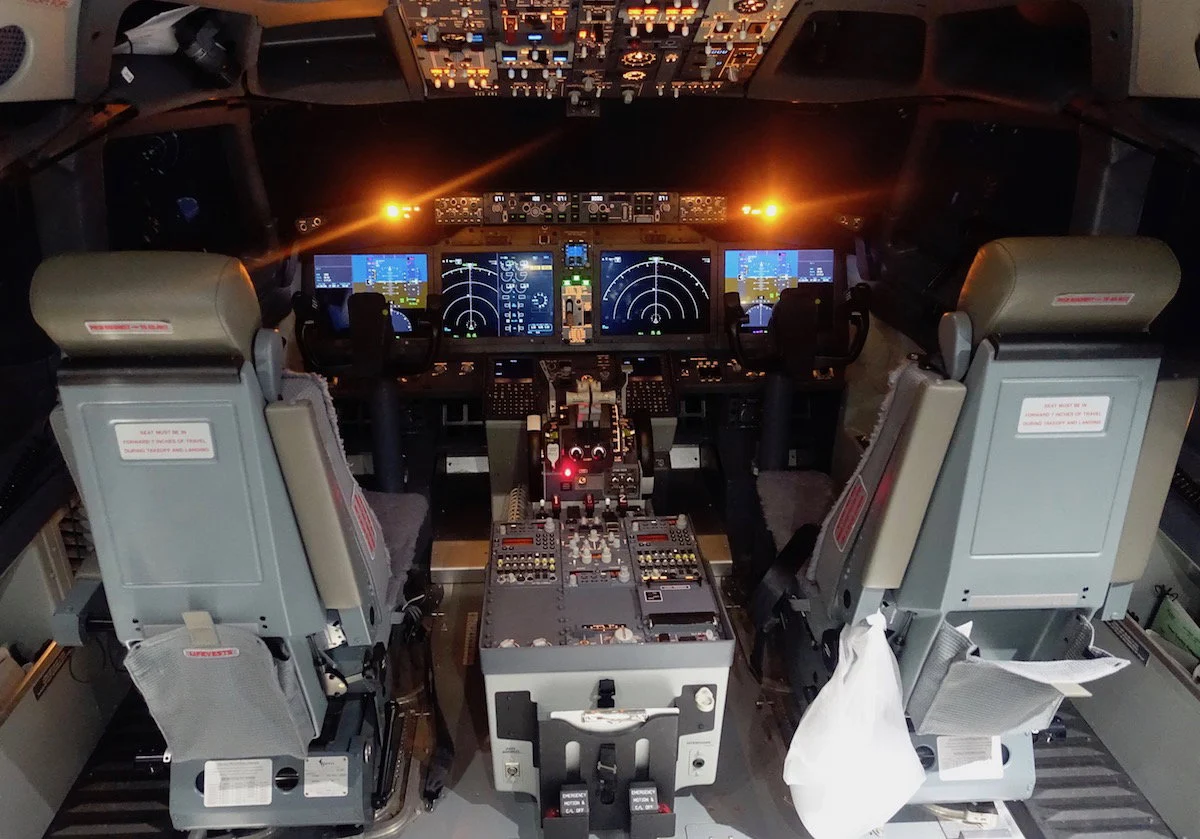
Under the new operational directive, first officers (co-pilots) are stripped of their authority to execute landings at nearly every destination in the airline’s network. The only exceptions to this rule are four major transit hubs: Moscow (DME), Irkutsk (IKT), Novosibirsk (OVB), and Vladivostok (VVO).
At all other airports across the carrier’s domestic and remaining international routes, the captain is now solely responsible for the final approach and landing. This represents a significant departure from standard global aviation practices, where the flying pilot—whether captain or first officer—is expected to rotate responsibilities to ensure proficiency and maintenance of currency across a variety of environments.
Chronology of a Crisis
The origins of this policy can be traced back to a recent uptick in "hard landing" incidents. While hard landings occur occasionally in all airlines due to weather, mechanical variables, or human error, the frequency and severity of these incidents at S7 have reportedly crossed a threshold that the airline can no longer ignore.
The Escalation
- Early 2022: Following the invasion of Ukraine, Western sanctions led to the suspension of technical support from Airbus and Boeing. S7, like other Russian carriers, began the process of "cannibalizing" grounded aircraft to keep operational jets in the air.
- 2023–2024: Industry observers and internal reports noted a steady increase in maintenance-related issues. With roughly one-third of the S7 fleet already grounded due to a lack of certified parts, the cost of a single "hard landing"—which can cause structural stress requiring immediate grounding for inspection—became prohibitively high.
- Late 2024: Reports surfaced via Aviatorschina and were subsequently corroborated by aeroTELEGRAPH, indicating that S7 leadership had reached a breaking point. The directive was issued to mitigate the risk of further damaging the already aging and difficult-to-repair fleet.
Supporting Data: The Anatomy of a Sanctioned Fleet
The plight of S7 Airlines is emblematic of the "new normal" for Russian civil aviation. The sanctions imposed by the European Union and the United States have effectively cut off the Russian fleet from the global ecosystem of safety and maintenance.
The Fleet Attrition Problem
Industry data suggests that S7 Airlines is currently operating with a depleted capacity. Because the airline can no longer purchase new aircraft or receive official OEM (Original Equipment Manufacturer) maintenance, every flight cycle is a high-stakes calculation. When a plane experiences a hard landing, the structural sensors and landing gear assemblies require inspections that may necessitate parts that simply do not exist in the domestic supply chain.
Pilot Proficiency vs. Asset Preservation
The fundamental dilemma for S7 is whether this policy addresses the symptoms or the cause. Is it a matter of pilot skill, or is it a matter of airframe vulnerability?
- The Pilot Variable: While experience is paramount, professional pilots are trained to handle various runway conditions. If a large number of first officers are consistently landing "hard," it may suggest a deficiency in training programs or a lack of simulator time.
- The Aircraft Variable: Aviation experts posit that aircraft suffering from deferred maintenance—such as worn shock absorbers, degraded braking systems, or outdated flight control software—are significantly less forgiving during the landing phase. If the planes themselves are physically "tired," even a textbook landing by a first officer could trigger a structural fault report.
Official Responses and Industry Context
While S7 Airlines has maintained a relatively low profile regarding the internal logistics of the mandate, the move has sent shockwaves through the aviation community.
In standard commercial aviation, "captain-only" landings are sometimes implemented at airports known for extreme crosswinds, short runways, or complex terrain (such as Paro, Bhutan, or Lukla, Nepal). However, applying this policy across an entire network—excluding only four primary hubs—is unheard of in modern safety management systems.
Industry analysts at AeroTelegraph have noted that this represents a retreat from the "Crew Resource Management" (CRM) philosophy. CRM relies on the parity of the flight crew; by creating a hierarchy where the first officer is essentially a "monitor-only" pilot for the most critical phase of flight, the airline is fundamentally altering the collaborative nature of the cockpit.
Implications: The Long-Term Costs
The decision to restrict first officers carries profound long-term risks for the airline and its workforce.
1. The Erosion of Skill Sets
Aviation is a perishable skill. First officers require repetitive, varied experience to eventually qualify as captains. By restricting their landings to only four airports, S7 is effectively "narrowing" the professional development of its next generation of commanders. Pilots who only practice at the largest, best-equipped hubs will lack the nuanced experience required for smaller, more challenging regional airports.
2. Operational Efficiency and Safety
There is a potential irony in this policy: by mandating that only captains land the plane, the airline is increasing the fatigue load on its senior staff. If a captain is flying multiple legs a day across a vast country, their cognitive load and physical exhaustion will be significantly higher than if they were sharing the flying duties with a co-pilot. Fatigue is a known precursor to safety incidents, meaning the policy intended to save the aircraft could, in theory, increase the risk of a more serious accident.
3. The Future of Russian Aviation
This policy is a microcosm of the "cannibalization" era of Russian aviation. The industry is being forced to choose between maintaining international safety standards—which require rigorous, parts-heavy maintenance—and the sheer necessity of keeping the domestic transport network functional.
As the October 2026 deadline for this policy looms, the industry will be watching closely to see if S7 can stabilize its fleet or if this is merely a temporary bandage on a terminal wound. For now, the first officers of S7 Airlines remain grounded in the literal sense, relegated to the role of observers while their captains grapple with the heavy responsibility of preserving a fleet that is increasingly difficult to maintain.
Conclusion
The situation at S7 Airlines is a poignant reminder of the fragility of complex global systems. When the supply chain for a Boeing or Airbus jet is severed, the consequences ripple down to the very mechanics of how a plane meets the pavement. Whether this policy succeeds in preserving the fleet or merely accelerates the professional stagnation of its pilots remains to be seen. What is clear, however, is that for the pilots and passengers of S7, the skies above Russia have become a significantly more complex and constrained environment.