








In a landmark development for international cybersecurity, two young men from the United Kingdom have pleaded guilty to orchestrating a sophisticated cyberattack that paralyzed Transport for London (TfL) in August 2024. The guilty pleas, entered on the first day of what was scheduled to be a grueling six-week trial, mark a significant victory for law enforcement agencies on both sides of the Atlantic.
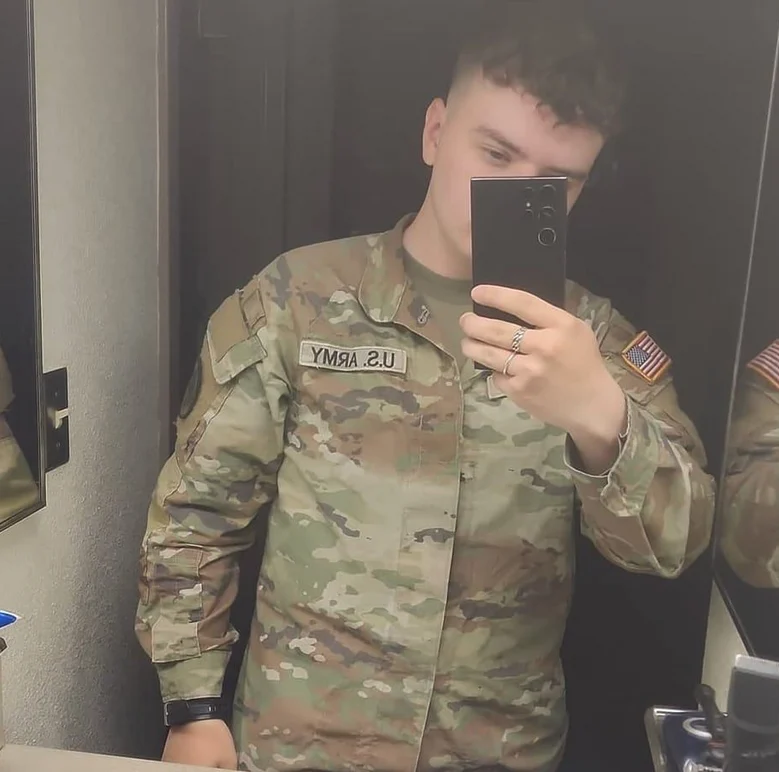
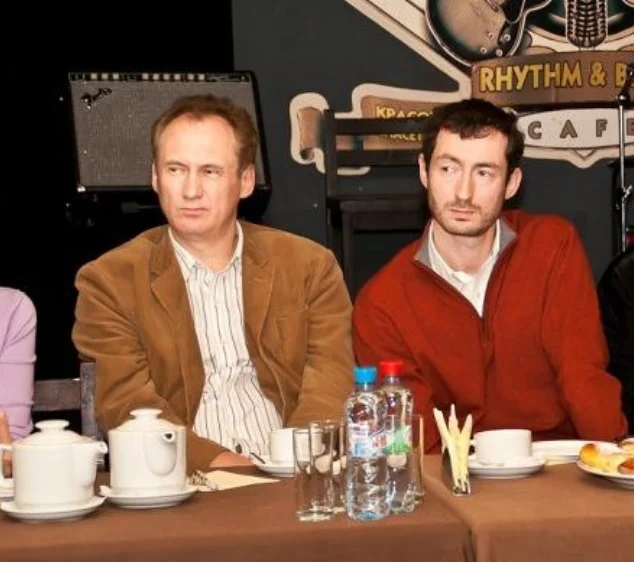
Thalha Jubair, 20, of East London, and 18-year-old Owen Flowers of Walsall, stood before a London court this week, admitting to a litany of charges including conspiracy to commit unauthorized acts against computer systems and, most gravely, causing the risk of serious damage to human welfare. Their actions, which crippled the public transport network in Greater London, represent a new paradigm in digital warfare: the intersection of teenage delinquency, high-stakes financial extortion, and critical infrastructure disruption.
The Architect of Chaos: Who Are Jubair and Flowers?
The two defendants were not mere digital vandals; they were core operatives within "Scattered Spider," a prolific and elusive cybercrime syndicate that has terrorized corporate giants and public entities since 2022.
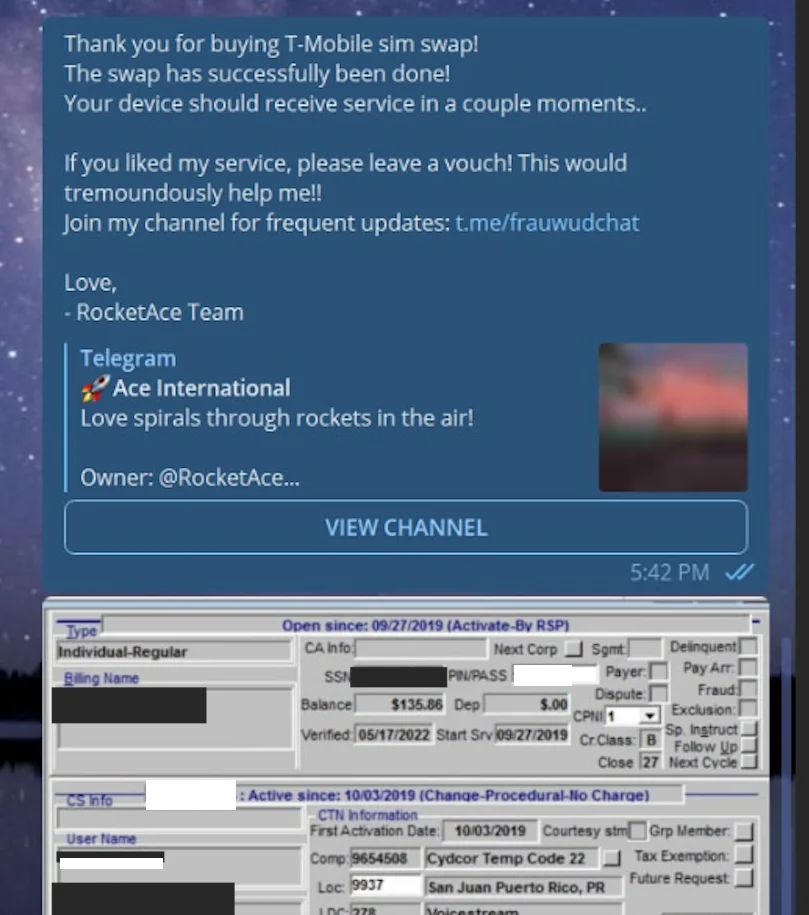
Thalha Jubair’s digital footprint suggests a career that began in his early teens. Under the handle "Rocket Ace" and others, Jubair was identified by U.S. prosecutors as a co-operator of a Telegram channel titled "Star Chat." This platform served as a hub for a SIM-swapping operation, a technique where attackers use voice- and SMS-based phishing to hijack an employee’s mobile credentials. Once in control of a phone number, the group could intercept multi-factor authentication (MFA) codes, effectively bypassing the security gates of major U.S. and U.K. wireless providers.
Owen Flowers, meanwhile, was the group’s public face. Investigators believe Flowers was the individual who provided anonymous media interviews following the infamous September 2023 ransomware attacks on MGM Resorts and Caesars Entertainment in Las Vegas. These attacks, which caused hundreds of millions of dollars in losses, highlighted the group’s ability to bypass even the most robust corporate security architectures.
A Chronology of Cyber-Terrorism
The criminal trajectory of Scattered Spider and these two individuals is a timeline of escalating audacity:
- Summer 2022: The group initiates a massive SMS-phishing (smishing) campaign, targeting hundreds of companies. This campaign resulted in the compromise of major platforms, including LastPass, DoorDash, Mailchimp, Plex, and Signal.
- September 2023: The group launches the high-profile assault on Las Vegas casinos, signaling a shift toward high-impact, high-ransom targets.
- August 2024: Transport for London is crippled, leading to widespread disruption of travel for millions of residents and commuters in the U.K. capital.
- September 2024: Flowers expands his reach, participating in a conspiracy to hack into U.S.-based healthcare providers, specifically SSM Health Care Corporation and Sutter Health.
- July 2025: Following an extensive investigation involving the U.K.’s National Crime Agency (NCA), Flowers and Jubair are arrested in connection with ransomware attacks against British retail icons, including Marks & Spencer, Harrods, and the Co-op Group.
- September 2025: U.S. prosecutors in New Jersey unseal an indictment against Jubair, alleging involvement in 120 separate network intrusions across 47 U.S. entities, resulting in at least $115 million in ransom payments.
- April 2026: Tyler "Tylerb" Buchanan, another key Scattered Spider member, pleads guilty in the U.S. to wire fraud and aggravated identity theft.
- June 2026: Flowers and Jubair enter their guilty pleas in the U.K., with sentencing scheduled for July 15, 2026.
Supporting Data: The Scale of the Syndicate
The economic impact of Scattered Spider is staggering. According to documents unsealed by the U.S. Department of Justice, the group’s operations between 2022 and 2025 were characterized by a highly organized, "as-a-service" business model.
By leveraging "emergency data requests"—a tactic where hackers pose as law enforcement to trick tech companies into surrendering user data—individuals like Jubair (known in his youth as the hacker "Everlynn") demonstrated a terrifying grasp of social engineering. They did not just break locks; they tricked the guards into handing over the keys.
The financial toll is equally daunting. The group is estimated to have siphoned at least $8 million in cryptocurrency during the 2022 phishing spree alone. When combined with the $115 million in ransom payments cited in the New Jersey indictment, it is clear that Scattered Spider was not a ragtag group of hobbyists, but a sophisticated, profit-driven enterprise.

Official Responses and Global Cooperation
The apprehension of Jubair and Flowers is a testament to the unprecedented cooperation between the U.K. National Crime Agency, the FBI, and the U.S. Department of Justice.
"The charges against these individuals reflect a global effort to hold cyber-criminals accountable for the havoc they wreak on our critical infrastructure," stated a spokesperson for the U.S. Department of Justice. The ongoing nature of the investigations is underscored by the fact that several members of the Scattered Spider network—including Ahmed Hossam Eldin Elbadawy, Evans Onyeaka Osiebo, and Joel Martin Evans—remain under active indictment in the United States.
In August 2025, the severity of these crimes was highlighted when 20-year-old Florida native Noah Michael Urban was sentenced to 10 years in federal prison and ordered to pay $13 million in restitution. This set a precedent for the sentencing of the British defendants, who now face the prospect of significant custodial terms in the U.K.
Implications: The Future of Digital Security
The case of Scattered Spider has profound implications for the global cybersecurity landscape:
1. The Vulnerability of Critical Infrastructure
The attack on Transport for London served as a "wake-up call" for governments worldwide. It proved that public utility systems are not immune to the same social engineering tactics used to target private enterprises. The incident has forced a re-evaluation of how public transit, water, and power authorities authenticate employees and secure their internal networks.
2. The Failure of Multi-Factor Authentication
The group’s success in bypassing MFA through SIM-swapping and SMS-phishing has triggered a shift in industry standards. Security experts are now pushing for "FIDO2" hardware-based authentication keys, which are resistant to the phishing techniques used by the Scattered Spider group. The era of relying on SMS-based codes for security is effectively coming to a close.
3. The "Youth" Factor in Cybercrime
Perhaps the most unsettling aspect of this case is the age of the perpetrators. Both Flowers and Jubair were in their late teens when they committed these acts. This highlights a growing trend of "digital radicalization," where brilliant but disenfranchised youth find pathways into high-level cybercrime through underground forums and messaging apps like Telegram. Addressing this will require more than just policing; it will require an educational and social shift in how young people view the ethics of the internet.
Conclusion
As the legal system prepares to pass sentence on July 15, 2026, the case of Owen Flowers and Thalha Jubair remains a grim milestone in the history of the internet. They were the architects of a digital empire built on theft, coercion, and disruption. While their capture has undoubtedly dismantled a significant portion of Scattered Spider, the infrastructure of the cybercrime economy remains resilient.
The lesson for the global community is clear: in an age where a few lines of code can halt a city’s movement or empty a hospital’s patient database, security can no longer be treated as a secondary concern. The fall of the Spider is a victory, but it is also a reminder that the walls protecting our modern world are only as strong as the people who maintain them.