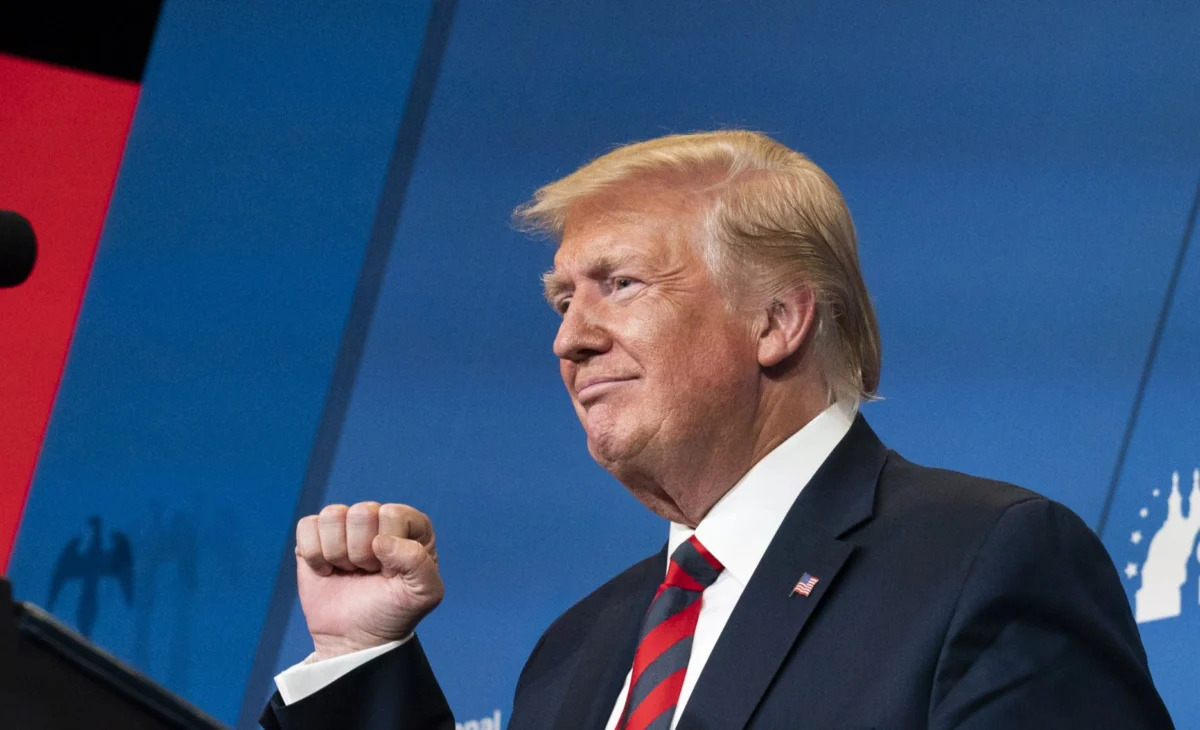









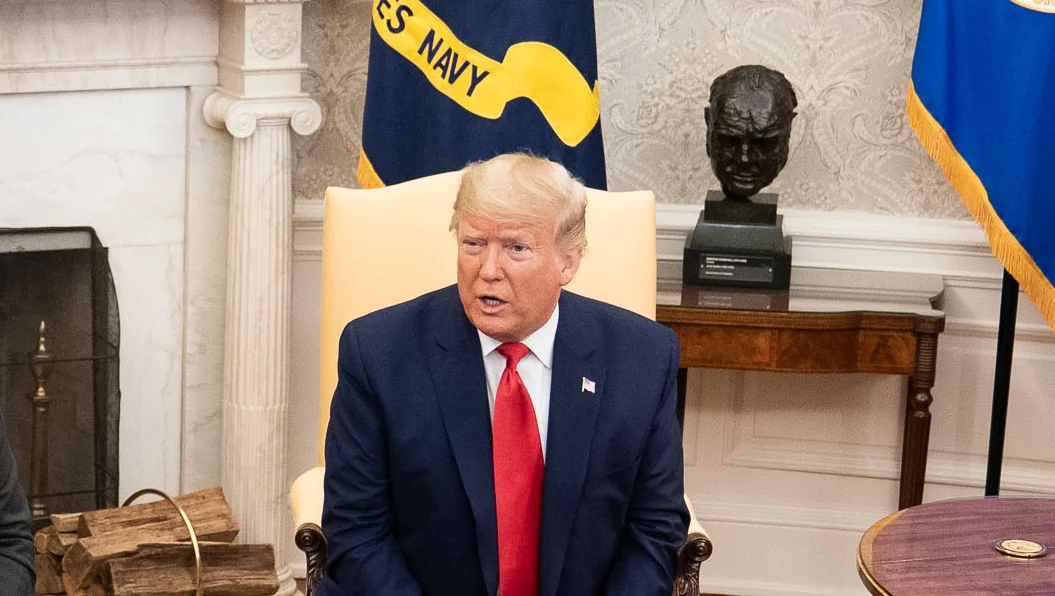
As the calendar turns toward the July 1, 2026, deadline, the economic future of North America hangs in a delicate state of suspense. Trade representatives from the United States, Canada, and Mexico are currently navigating the first formal review of the United States-Mexico-Canada Agreement (USMCA), a pact that has served as the backbone of continental commerce since its inception in July 2020. With President Trump signaling a profound reluctance to renew the agreement in its current iteration, the specter of a trade regime shift looms large, threatening to introduce a period of unprecedented economic volatility.
The stakes could not be higher. North American trade is not merely a matter of cross-border logistics; it is an integrated industrial ecosystem that sustains millions of American jobs and facilitates over $1.8 trillion in annual trade. As the political rhetoric intensifies, the business community and economic analysts alike are bracing for a period of protracted negotiation that could redefine the terms of trade for a generation.
Chronology of a Trade Tense-Off
To understand the current volatility, one must look back at the aggressive tariff maneuvers that have characterized the last eighteen months.
- February 2025: Invoking the International Emergency Economic Powers Act (IEEPA), the Trump administration announced a 25 percent tariff on most imports from Canada and Mexico.
- March 2025: The tariffs officially took effect, though an immediate 30-day exemption was granted for USMCA-compliant goods. This exemption was subsequently extended indefinitely, creating a two-tiered system for importers.
- July 2025: The administration escalated tensions, announcing plans to hike tariffs to 35 percent for Canada and 30 percent for Mexico. While the Canadian increase proceeded, the Mexican hike faced repeated delays.
- February 2026: The Supreme Court issued a landmark ruling striking down the IEEPA-based tariff regime. The administration acted swiftly to implement a new 10 percent "Section 122" tariff, once again providing a safe harbor for USMCA-compliant goods.
- June 2026: As the July 1 review deadline approaches, uncertainty regarding the status of these exemptions—and the threat of new Section 301 tariffs—has reached a fever pitch.
This volatile landscape has forced businesses to scramble for compliance. Data shows a massive pivot toward USMCA adherence: the share of imports from our neighbors meeting the agreement’s compliance standards surged from 44 percent in 2024 to a peak of 89 percent in October 2025. This indicates that despite the chaotic tariff environment, the USMCA remains the primary shield protecting American supply chains from prohibitive costs.
The Vital Role of USMCA in the Modern Economy
The USMCA was designed to modernize the aging framework of NAFTA, transitioning from a simple tariff-reduction model to a sophisticated regulatory architecture. While NAFTA was successful in bringing most tariffs to zero, the USMCA tackled the complexities of the 21st-century digital economy. It established robust protections for intellectual property, mandated the free movement of data across borders, and prohibited discriminatory digital taxation—provisions that have become essential for the U.S. tech and service sectors.
Beyond digital trade, the agreement addressed deep-seated structural issues. It tightened Rules of Origin (ROOs) for the automotive sector, ensuring that a greater percentage of vehicle components are manufactured within North America. Furthermore, it pushed for higher labor standards in Mexico, aimed at leveling the playing field for American workers by encouraging stronger collective bargaining arrangements.
According to the U.S. International Trade Commission (USITC), these structural improvements were projected to boost long-run GDP by 0.35 percent and support the creation of approximately 176,000 new jobs. While some provisions—particularly the stricter ROOs—have been criticized for increasing costs for manufacturers, the net effect of the agreement has been to solidify North America as an integrated, competitive economic bloc.
Official Stances and Emerging Grievances
The upcoming review is not merely a procedural formality; it is an opening for the Trump administration to air long-standing grievances. The current administration has articulated a clear set of demands:
- Trade Deficits: The administration continues to focus on the aggregate trade deficit with Canada and Mexico, viewing it as an indicator of economic imbalance.
- Transshipment Concerns: Washington has raised alarms regarding Chinese goods being routed through Mexico to bypass U.S. trade barriers. This has become a central point of contention, with the U.S. pushing for more stringent monitoring and enforcement.
- Market Access: The U.S. continues to press Canada for greater access to its protected dairy market, a perennial source of friction in bilateral relations.
Conversely, Mexico has signaled a desire to relax certain ROOs, arguing that the current requirements are too onerous for their domestic industry. The U.S., however, has expressed interest in tightening these rules further, creating a significant impasse. Given these divergent goals, a "clean extension" by July 1 appears increasingly unlikely. Observers now anticipate a shift toward a grueling cycle of annual reviews, or potentially the disintegration of the agreement into a series of smaller, less efficient bilateral deals.
The Economic Implications of a Policy Shift
The potential expiration or erosion of the USMCA carries severe economic consequences. If the current tariff exemptions for USMCA-compliant goods were to be removed, the result would be a significant tax increase on American consumers and businesses.
Modeling by the Tax Foundation suggests that ending these exemptions would trigger a substantial drag on the economy. Specifically, the introduction of a 25 percent tariff on auto and auto-part imports and a 10 percent levy on all other goods currently covered by the agreement would reduce long-run GDP by an additional 0.1 percent and result in the loss of approximately 95,000 jobs.
This would manifest as a $466 billion tax increase over the next decade. For the average American household, this translates to an immediate tax burden of roughly $300 in 2027. These costs are not theoretical; they represent real-world price increases for groceries, energy, and manufactured goods that rely on cross-border supply chains.
Conclusion: Avoiding the Uncertainty Trap
The current tariff policy, combined with the looming threat of USMCA termination, has created a "uncertainty trap" for American businesses. Capital investment is inherently forward-looking; when the foundational rules of trade are subject to arbitrary changes every few months, firms delay expansion, pause hiring, and struggle to manage long-term inventory.
With nearly 2 million American jobs directly supported by trade with Canada and Mexico, the stability of the USMCA is not just a policy preference—it is an economic imperative. Policymakers must weigh the political desire for protectionist maneuvers against the proven reality that North American economic integration has been a cornerstone of domestic prosperity.
As the July 1 deadline approaches, the path forward is clear: the administration should prioritize the renewal of the USMCA, utilize the existing framework to address legitimate concerns regarding transshipment and labor, and avoid the temptation to dismantle a pact that has served the U.S. economy for six years. To do otherwise would be to trade long-term growth for short-term political posturing, a bargain that the American economy can ill afford.