





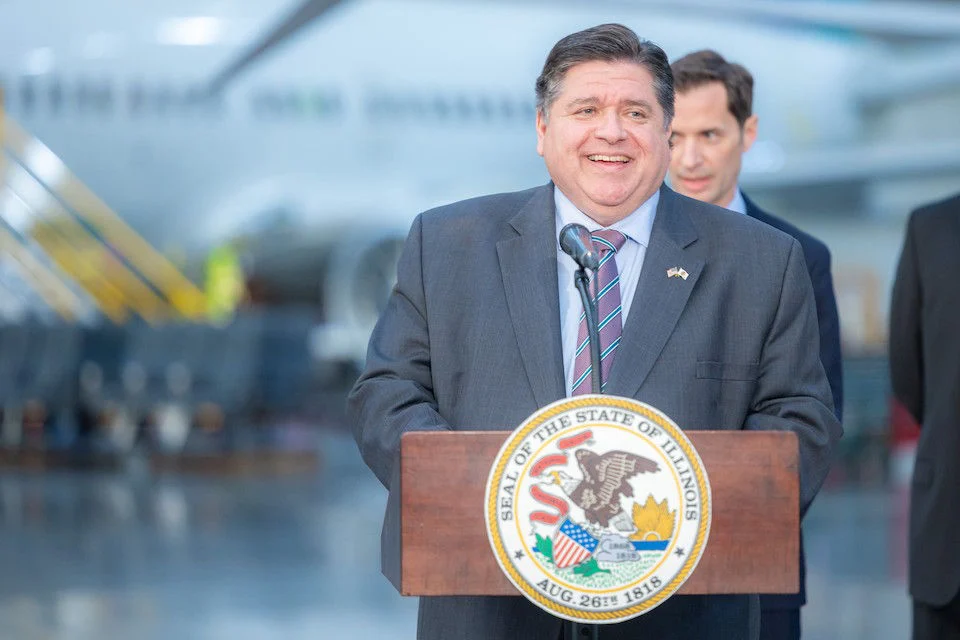
CHICAGO, June 25, 2026 — In a landmark move aimed at reining in the rapidly expanding "Buy Now, Pay Later" (BNPL) industry, Illinois Governor J.B. Pritzker signed legislation today that subjects providers of these point-of-sale loans to state licensure and strict transparency requirements. The new law, championed by State Senator Michael Hastings, marks a significant shift in how the state regulates the fintech sector, specifically targeting the "no interest" marketing claims that have long masked a web of hidden fees and consumer risks.
As inflation continues to impact household budgets, BNPL services—which allow consumers to split purchases into smaller, interest-free installments—have transitioned from luxury shopping tools to mechanisms for funding daily necessities. With this new mandate, Illinois joins a growing cohort of states, including California and New York, that are moving to fill regulatory voids as federal oversight of the financial sector faces increasing uncertainty.
The Landscape of the BNPL Boom
The BNPL model has transformed the retail experience. By integrating seamlessly into checkout pages at thousands of online and brick-and-mortar retailers, companies like Affirm, Klarna, and Afterpay have normalized micro-debt. However, consumer advocacy groups, including the National Consumer Law Center (NCLC), argue that the industry has operated in a "regulatory gray area" for far too long.
According to data cited by the NCLC, the primary user base for BNPL services consists of individuals with subprime credit scores, as well as demographic groups that are historically underserved by traditional banking: Black, Hispanic, female, and young consumers.
"Strong protections for Buy Now, Pay Later loans are important, especially as these loans are being used for everyday expenses like groceries, and are being pitched for vital necessities such as rent," said Lauren Saunders, senior attorney at the NCLC. "As buy now, pay later loans become ubiquitous, we’re pleased to see the Illinois legislature step up to fill gaps in federal and state protections."
Chronology: The Path to Regulation
The push for the Illinois law did not happen in a vacuum. It is the culmination of years of escalating consumer complaints and legislative maneuvering.
- Early 2023: The CFPB releases a series of reports highlighting the potential for "sustained debt" among BNPL users, noting that many consumers are juggling multiple loans simultaneously.
- Late 2023: California becomes the first state to signal a firm regulatory stance by requiring BNPL lenders to obtain state lending licenses, setting a precedent for other states to follow.
- Early 2024: New York passes comprehensive legislation, establishing a legal framework that treats BNPL providers as lenders rather than simple payment facilitators.
- Spring 2025: Senator Michael Hastings introduces the Illinois bill, citing a spike in complaints regarding disputed charges and the "junk fees" associated with missed payments.
- June 25, 2026: Governor Pritzker signs the bill into law, solidifying Illinois’s position at the forefront of the consumer financial protection movement.
Understanding the New Illinois Mandate
The Illinois law is designed to bring transparency to closed-end loans—specifically those featuring four or fewer installments or terms lasting 120 days or less. Under the new statute, BNPL companies must:
- Secure State Licensure: Lenders can no longer operate in Illinois without adhering to the oversight of the state’s financial regulators.
- Mandatory Fee Disclosure: Providers are prohibited from burying "junk fees" in the fine print. All costs associated with late payments or service fees must be clearly communicated to the borrower before the transaction is finalized.
- Consumer Dispute Resolution: The law creates a clear path for consumers to handle disputes. Currently, shoppers often find themselves in a "no man’s land," caught between a retailer who refuses a refund and a lender who demands payment for a defective product.
Addressing the "Debt Trap"
One of the most persistent issues identified by the NCLC is the "repeat debiting" cycle. When a payment fails, some lenders repeatedly attempt to pull funds from a user’s bank account, triggering a cascade of overdraft fees from the user’s own bank. The Illinois law seeks to mitigate this by creating a legal framework that forces lenders to consider a borrower’s actual ability to repay, rather than simply authorizing credit based on an algorithm that ignores the user’s overall financial health.
The Broader Implications: A Shift in Regulatory Philosophy
The signing of this bill reflects a broader shift in how state governments perceive fintech. For a decade, the "move fast and break things" ethos of Silicon Valley was largely tolerated by regulators. However, as BNPL platforms have evolved into the new "layaway," the risks to low-income households have become too significant to ignore.
The Federal Context
The timing of the Illinois law is critical. With the current political climate putting the future of the Consumer Financial Protection Bureau (CFPB) in jeopardy, consumer advocates are turning their attention to state legislatures as the last line of defense.
"We’re pleased to see the Illinois legislature step up to fill gaps in federal and state protections, especially with the dismantling of the Consumer Financial Protection Bureau," Saunders noted. By creating a robust state-level standard, Illinois is effectively creating a "blueprint" for other states to ensure that even if federal oversight is weakened, local residents remain protected from predatory lending practices.
Impact on Retail and Lending Markets
For retailers, the new law may necessitate an update to their checkout integrations. Major BNPL players will now have to decide whether to comply with the state-by-state patchwork of regulations or pivot their business models to a more standardized, conservative approach.
Critics of the legislation within the fintech industry have argued that these requirements could stifle innovation or make credit less accessible to those who need it most. However, supporters contend that "access" to credit is not beneficial if it is structured in a way that inevitably leads to debt cycles. The requirement to provide documents in a borrower’s native language is particularly aimed at ensuring that vulnerable populations understand the legal implications of the loans they are signing.
Looking Ahead: A Roadmap for Other States
The NCLC has recently released an issue brief that uses the New York and Illinois laws as the gold standard for future legislation. States looking to emulate these protections are encouraged to prioritize:
- Ability-to-Repay Standards: Moving away from automated credit checks that rely solely on transaction history.
- Fee Caps: Limiting the cumulative amount of fees that can be charged on a single purchase.
- Language Accessibility: Ensuring all terms and conditions are presented in a way that matches the linguistic diversity of the consumer base.
- Prohibiting Repeat Debiting: Preventing the automated "overdraft-trap" cycle that destroys the financial stability of low-income borrowers.
The Human Cost of "Free"
At its core, the Illinois law is about acknowledging that there is no such thing as a "free" loan. When a company offers a payment plan with "no interest," they are still generating revenue—often through late fees, data harvesting, or merchant processing fees that are ultimately passed down to the consumer in the form of higher retail prices.
By requiring licensure and transparency, Illinois is not ending the BNPL model, but rather civilizing it. As Governor Pritzker noted during the signing ceremony, the goal is to foster an economy where innovation does not come at the expense of the most vulnerable citizens.
Conclusion
The enactment of this legislation marks a significant milestone in the fight for consumer rights in the digital age. As BNPL services continue to weave themselves into the fabric of everyday commerce, the Illinois law serves as a vital reminder that consumer protection must evolve at the same speed as financial technology.
Whether this leads to a national trend remains to be seen, but for now, the state of Illinois has set a clear expectation: if you are going to act like a lender, you must be treated as one. For the thousands of Illinoisans who rely on these services to bridge the gap between paychecks, this is not just a regulatory update—it is a necessary shield against the mounting pressure of hidden, unaffordable debt.