








In a move that signals both a bold commitment to the Los Angeles market and a unique challenge to operational efficiency, Delta Air Lines is set to inaugurate its second Delta One Lounge at Los Angeles International Airport (LAX). This development, scheduled for June 30, 2026, marks a historic milestone in the American aviation landscape: never before has a domestic carrier operated two dedicated, ultra-premium international business class lounges at the same airport.
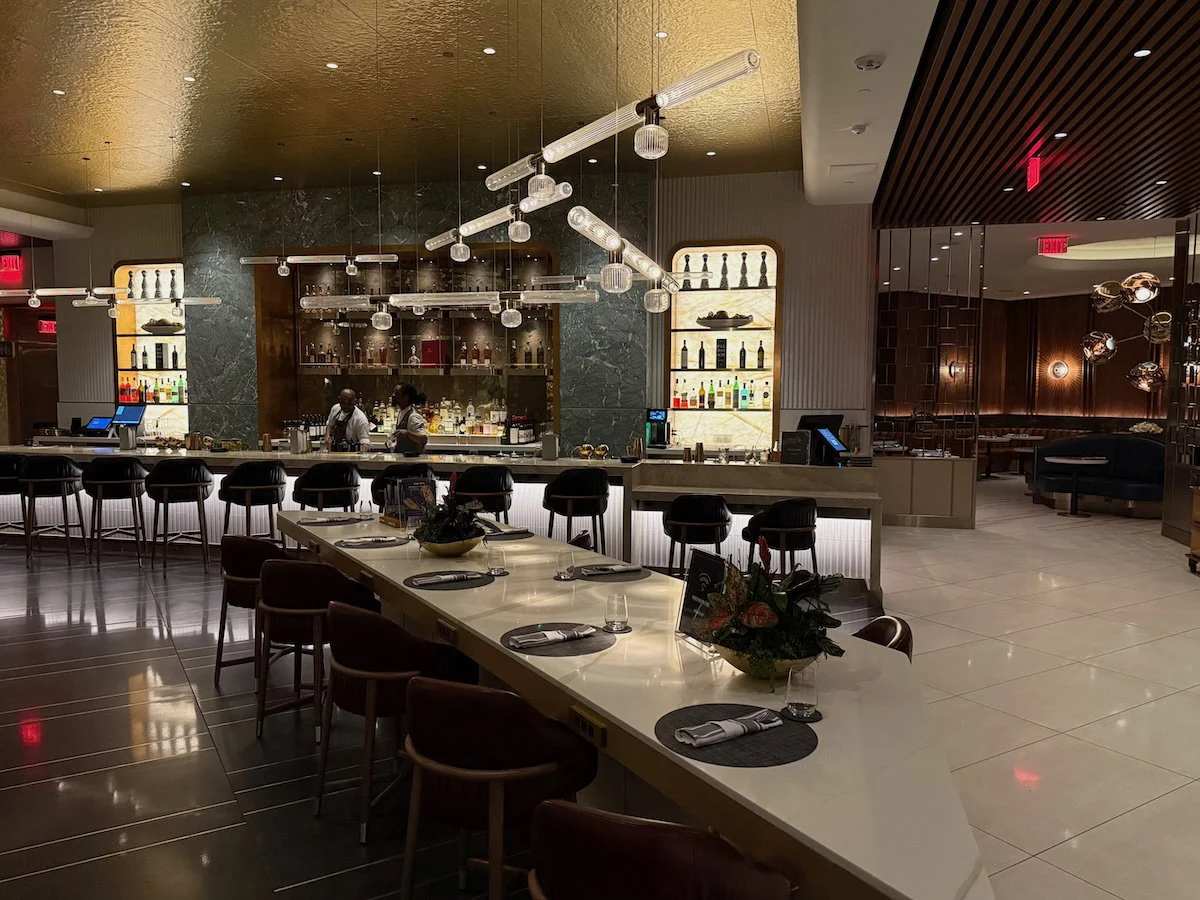
While the airline’s Terminal 3 Delta One Lounge has already set a high bar for luxury since its 2024 debut, this secondary expansion in Terminal 2 reflects a broader, multi-year strategy to solidify Delta’s position as the carrier of choice for high-value travelers in one of the world’s most competitive aviation hubs.
The Chronology of Expansion: From Terminal 3 to Terminal 2
The journey toward this dual-lounge footprint began with the successful rollout of the Terminal 3 facility. Designed to offer a seamless, high-end experience for Delta One passengers, the 10,000-square-foot lounge provided a much-needed sanctuary for premium travelers. However, as Delta’s transpacific network grew—marked by new routes to Hong Kong and forthcoming services to Manila—the need for increased capacity became apparent.
Key Milestones in the LAX Growth Strategy
- 2024: Opening of the inaugural Delta One Lounge in Terminal 3, establishing the "gold standard" for the carrier’s premium offering at LAX.
- June 30, 2026: The scheduled launch of the "initial phase" Delta One Lounge in Terminal 2. This facility, taking over the space formerly occupied by the Virgin Atlantic Clubhouse, serves as an interim solution.
- 2027: Anticipated opening of a new, standalone Sky Club in Terminal 2, further diversifying the lounge options for non-Delta One premium members.
- 2028: The planned comprehensive redevelopment of the Terminal 2 facility, which will see the interim lounge transformed into a permanent, state-of-the-art flagship space to match the growing passenger demand.
Analyzing the "Initial Phase" Strategy
The decision to open a lounge in an "initial phase" is a rare tactical maneuver. Aviation analysts suggest that by repurposing the existing 4,000-square-foot footprint of the former Virgin Atlantic Clubhouse, Delta is opting for a rapid deployment to address immediate capacity needs ahead of the 2028 full-scale terminal redevelopment.
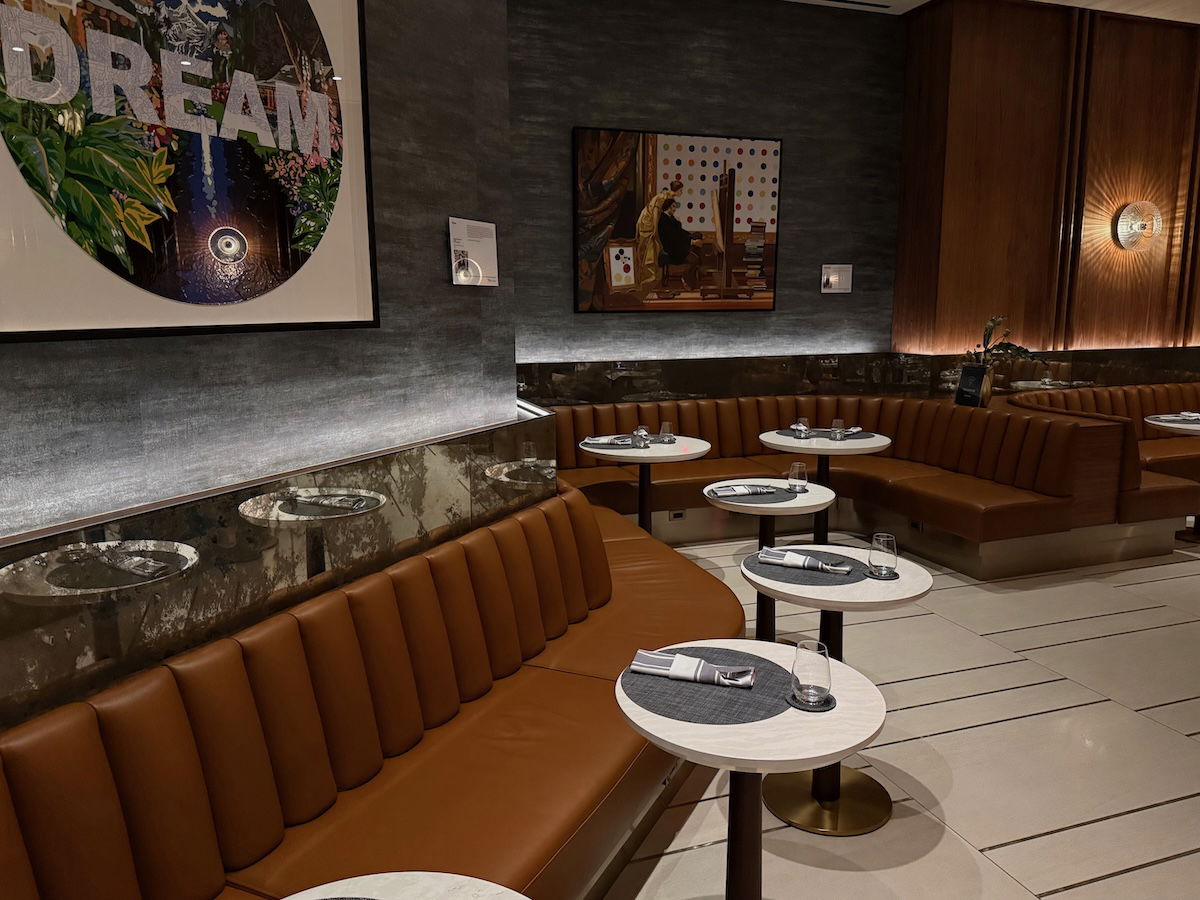
While details remain sparse, insiders indicate that the Terminal 2 lounge will offer the same refined dining and service standards found at the existing Terminal 3 location. Crucially, the airline is expected to integrate direct transportation logistics from the dedicated Delta One check-in area and the exclusive security line, ensuring that the "premium journey" remains uninterrupted from curb to gate.
The Competitive Landscape: LAX as a "Three-Way" Fortress
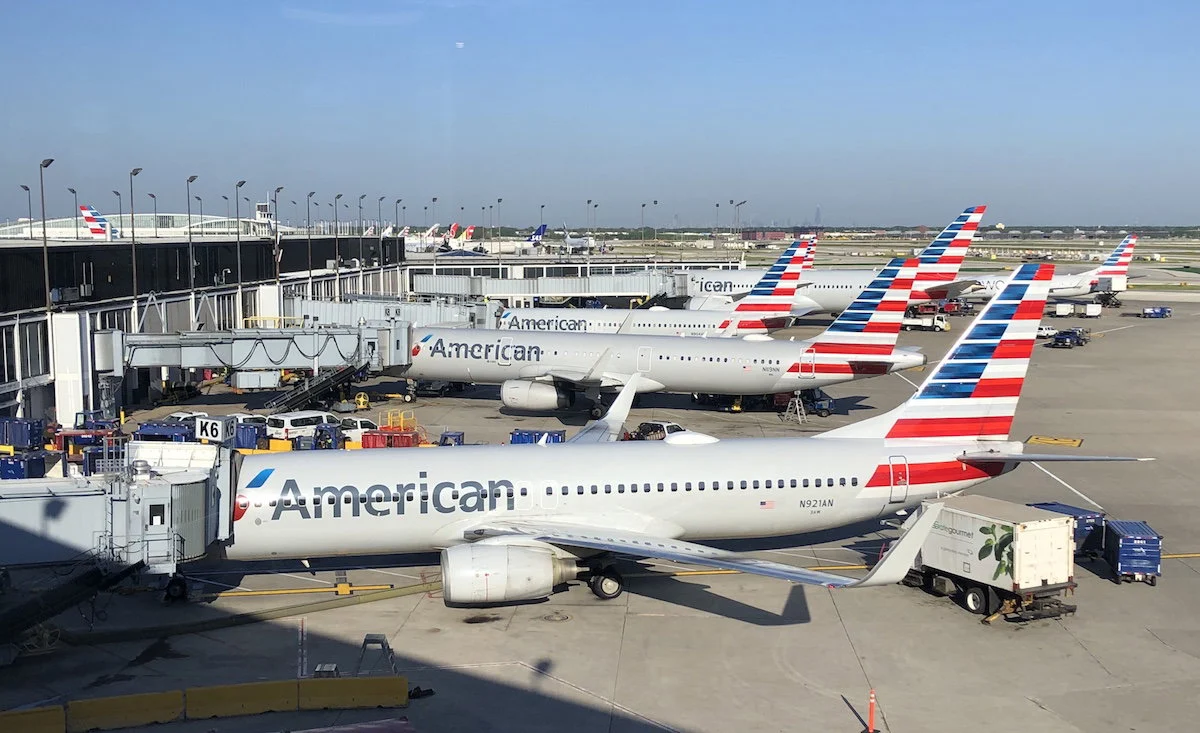
To understand the gravity of Delta’s investment, one must look at the unique topography of LAX. It remains the only major U.S. airport where all three "legacy" carriers—American, Delta, and United—maintain substantial hub operations. This creates a hyper-competitive environment where "fortress hub" advantages are notoriously difficult to secure.
The Profitability Paradox
While a massive airport presence usually correlates with high margins, LAX is a distinctive case. The sheer volume of international competition—ranging from Middle Eastern carriers to Asian flag carriers—means that US airlines often lack the pricing power enjoyed in hubs like Atlanta or Dallas.
Furthermore, the "big three" are often forced into a constant state of capital expenditure just to remain relevant. Delta’s decision to double down at LAX is a calculated risk. By providing two world-class lounges, they are effectively betting that the "soft product" (lounge access, premium dining, seamless transit) will act as a differentiator that justifies higher fares and attracts high-spending corporate travelers, even in a market saturated with international options.
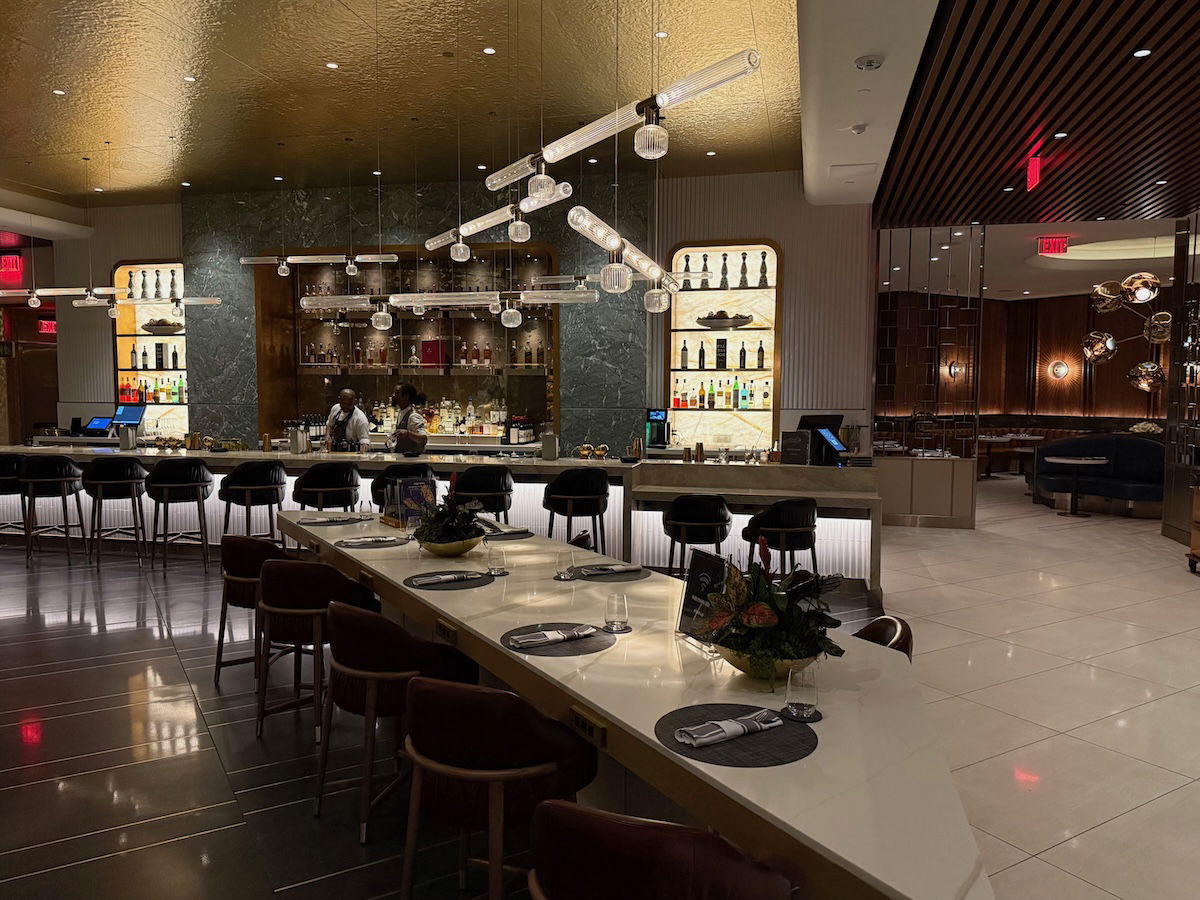
Operational Implications: Managing the Passenger Flow
The introduction of two lounges at a single airport raises an immediate operational question: How will Delta manage passenger distribution?
Currently, the Terminal 3 lounge is known to experience significant peak-hour demand, particularly in the late evening as transpacific departures align. The Terminal 2 lounge will theoretically alleviate this pressure, but it introduces a "schlep" factor. If a passenger is checked into Terminal 3 but is assigned a gate in Terminal 2, or vice versa, the airline will need to provide clear guidance to ensure travelers aren’t inadvertently trekking across the terminal complex.
Industry experts note that Delta will likely employ a combination of digital notifications via the Fly Delta app and clear signage to encourage passengers to utilize the facility most convenient to their boarding gate. Whether this creates a seamless experience or causes confusion remains the primary question for the summer 2026 launch.
The Broader Strategic Context
Delta’s pivot back to LAX is not happening in a vacuum. For years, the carrier focused heavily on its Seattle (SEA) hub as the primary gateway to Asia. However, competitive pressure from Alaska Airlines in the Pacific Northwest and the inherent limitations of Seattle’s physical infrastructure have led Delta to reconsider the "City of Angels."
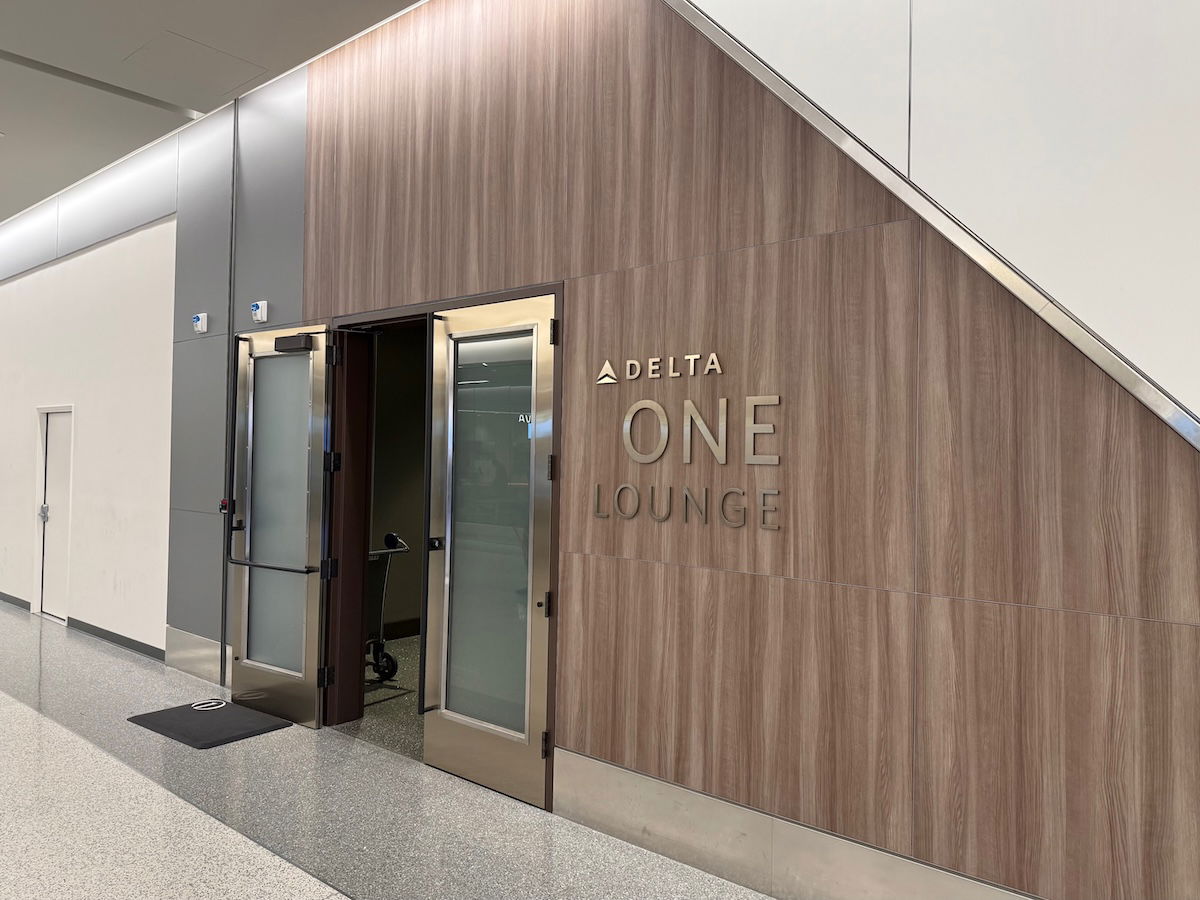
By launching long-haul routes such as Hong Kong and preparing for the Manila expansion in 2027, Delta is signaling that it views LAX as a "once-in-a-generation" opportunity to reassert its global reach. The company’s internal rhetoric suggests that the growth is not merely about adding flights, but about owning the entire premium ecosystem at the airport.
What This Means for the Frequent Flyer
For the end user, this is undoubtedly a net positive. The proliferation of Delta One Lounges changes the calculation for international business travelers.
- Elevated Expectations: The competition between American, United, and Delta is driving a "lounge arms race." Travelers can expect higher-quality culinary programs, more sophisticated interior design, and, ideally, more space.
- The "Premium Journey": By linking the lounge to private security and check-in, Delta is moving toward a "terminal within a terminal" concept for its top-tier customers.
- Future-Proofing: With the 2028 full-scale renovations, Delta is clearly aligning its infrastructure with the needs of the next decade of aviation, ensuring that as aircraft technology improves (allowing for longer, more comfortable flights), the ground experience keeps pace.
Conclusion: A High-Stakes Gamble
As June 30, 2026, approaches, the aviation world will be watching to see if Delta’s strategy of dual-lounge deployment pays off. If successful, it could become the new blueprint for legacy carriers operating at massive, multi-terminal international gateways.
However, the path to dominance at LAX is paved with significant costs and the ongoing threat of intense competition. While the new Terminal 2 lounge will certainly provide a welcome respite for travelers, its ultimate success will be measured by its ability to enhance the brand’s reputation for premium service while contributing to a sustainable, profitable, and efficient hub operation. For now, Delta is betting that in the battle for the high-end traveler, the lounge is just as important as the seat in the sky.