









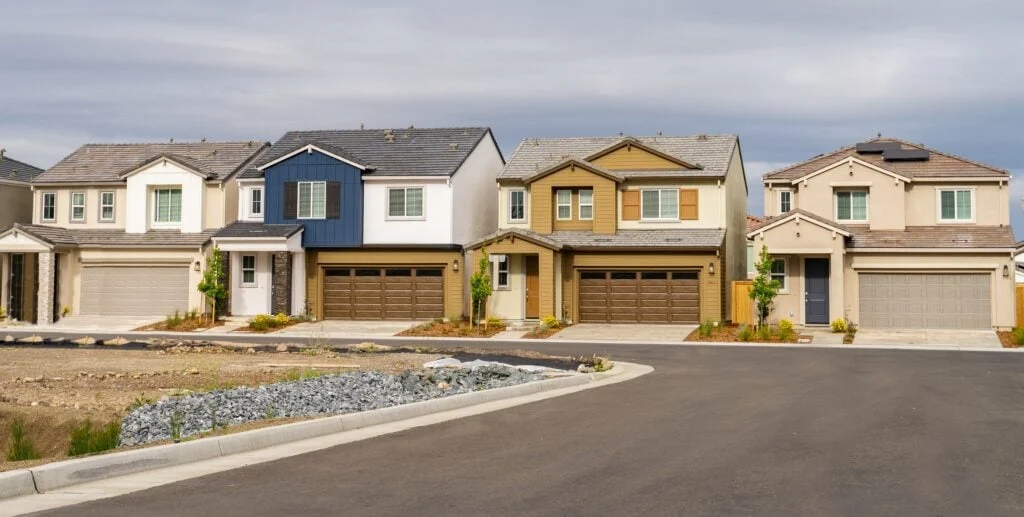
In the current real estate landscape of mid-2026, a peculiar phenomenon has emerged: a divide between the "wait-and-see" crowd and those actively scaling their portfolios. While a significant portion of investors remains paralyzed, obsessively monitoring Federal Reserve pronouncements and waiting for mortgage rates to retreat to the comfortable 5% range, a quieter, more calculated cohort is actively closing deals.
These investors have realized a fundamental truth of market cycles: by the time the broader public feels comfortable with the interest rate environment, the "discount" window will have long since slammed shut. When rates eventually fall, the floodgates of competition will reopen, transforming currently accessible deals into high-stakes bidding wars. For the sophisticated investor, the goal isn’t to wait for the market to become easy; it is to master the mechanics of the market as it exists today.
The Illusion of the "Safe" Wait
The logic held by many prospective investors is seemingly sound: Why commit to a 7.5% interest rate when a 5% rate might be just around the corner? It feels like a prudent financial decision. However, this perspective ignores the correlation between borrowing costs and asset competition.
When interest rates drop, affordability increases for the masses. This surge in purchasing power inevitably drives up home prices, often at a pace that negates the savings gained from a lower monthly interest payment. Those waiting for the "perfect" environment are effectively betting against the market’s inherent tendency to price in future easing. By sitting on the sidelines, investors aren’t saving money—they are simply opting for a future scenario where their capital is less efficient and their competition is more aggressive.
The Mechanics of the Modern "4% Strategy"
While the average investment property loan in 2026 hovers between 7.1% and 7.6%, a growing number of investors are bypassing these retail rates entirely. They are utilizing new construction inventory not just for its physical quality, but as a strategic lever to manipulate their financing costs.
The Power of Builder Concessions
Builders are facing a unique pressure point: they must move inventory to maintain cash flow, but they are wary of slashing list prices. A reduction in sticker price serves as a public signal that drags down the "comps" for an entire development, potentially hurting the builder’s future margins on remaining units.
Instead, builders are increasingly aggressive with "closing credits." Most retail buyers view these credits as a windfall for cosmetic upgrades or furniture. Professional investors, however, view them as tactical capital. By directing these concessions into a permanent or temporary interest rate buydown, they can effectively lower their effective rate into the 4%—and sometimes even the 3%—range. This is not a market anomaly; it is a calculated negotiation strategy that transforms a builder’s inventory problem into an investor’s long-term yield advantage.
Chronology: From Market Stagnation to Strategic Deployment
To understand the current environment, one must look at the recent trajectory of the housing market:
- Early 2024–2025: The market experienced a "rate shock" as the Federal Reserve maintained higher rates to combat persistent inflation. Retail buyers largely retreated, leading to a build-up of finished, unsold new construction.
- Late 2025: Builders began testing aggressive concession packages. While retail buyers remained distracted by the headline interest rate, institutional and small-scale investors began quietly securing bulk deals or individual units with deep concessions.
- Mid-2026 (Current): A divide has solidified. Those who adopted the buydown strategy have built significant cash flow buffers into their portfolios, while the "waiting" demographic finds itself further priced out as home equity values in high-growth corridors continue to climb despite rate volatility.
Supporting Data: Why New Construction Outperforms
The decision to pivot to new construction is supported by more than just financing hacks. The structural advantages of new builds over aging resale inventory are quantifiable.
1. Leverage and Down Payment Efficiency
While a standard investment property often requires 20% to 25% down to secure favorable terms, many new build-to-rent programs allow for significantly lower barriers to entry—sometimes as low as 5%. On a $280,000 property, the difference between a 5% and 25% down payment is $56,000. That capital, when redeployed, acts as the seed for additional acquisitions. In a high-rate environment, the ability to maintain liquidity while controlling an asset is the primary driver of portfolio velocity.
2. The Capex Cliff
Resale properties, particularly those marketed as "fixer-uppers" or "value-add" opportunities, carry hidden liabilities. The "deferred maintenance" factor—aging roofs, HVAC systems near their end-of-life, and outdated electrical—can erode years of cash flow in a single quarter. New construction effectively eliminates the "Year 2 Capex Cliff." With everything under warranty and modern building codes, the investor’s operating budget remains predictable.
3. Tenant Preference and Risk Mitigation
Modern tenants are increasingly value-conscious regarding utility costs and reliability. A home built to 2026 energy-efficiency standards offers lower monthly utility bills, making it more attractive than an "antique" home with poor insulation and inefficient HVAC systems. Lower utility costs mean the tenant is more likely to stay, reducing the primary killer of rental profitability: vacancy and turnover costs.
Implications of the "Turnkey" Model
For the investor who lacks the time or proximity to oversee construction, the "turnkey" model has evolved into a sophisticated institutional-grade service. Partnering with companies like Rent to Retirement allows investors to access this high-performing inventory across dozens of markets.
The implication here is that geography is no longer a constraint. By outsourcing the build-out, tenant placement, and property management to a firm with a proven track record, the investor moves from the role of a "landlord" to a "capital allocator." This shift is essential for W2 professionals who want to participate in real estate wealth creation without the burden of day-to-day operations.
The Strategic Outlook: A New Mindset
Investors must stop pricing their entire strategy around a single macroeconomic indicator—the Federal Reserve’s interest rate decision. The "wait" is a dangerous strategy because it assumes that the market will offer the same opportunities once the conditions become "better."
Historical evidence suggests the opposite: when the Fed pivots and rates eventually descend, the demand surge will create a "seller’s market" across the board. The premiums for housing will balloon, and the builder concessions that currently allow for a 4% interest rate will disappear.
Final Takeaways for the Proactive Investor:
- Prioritize Cash Flow over Rates: A deal that pencils out today with a buydown is infinitely superior to a speculative deal that might pencil out tomorrow if rates drop.
- Leverage is the Game: Use lower down-payment requirements on new construction to increase your volume of units.
- Risk Management: Focus on new builds to avoid the unpredictable capital expenditures associated with aging infrastructure.
- Execution is Everything: If you cannot manage the asset, find a turnkey partner who can.
The window to secure these incentives is currently wide open, but it is narrowing as market participants become more sophisticated. The investors who will dominate the next decade are those who stopped waiting for the environment to change and started changing their approach to the environment. The deal does not get better when money gets cheap; it gets more crowded. Secure your position while the incentives are still on the table.