








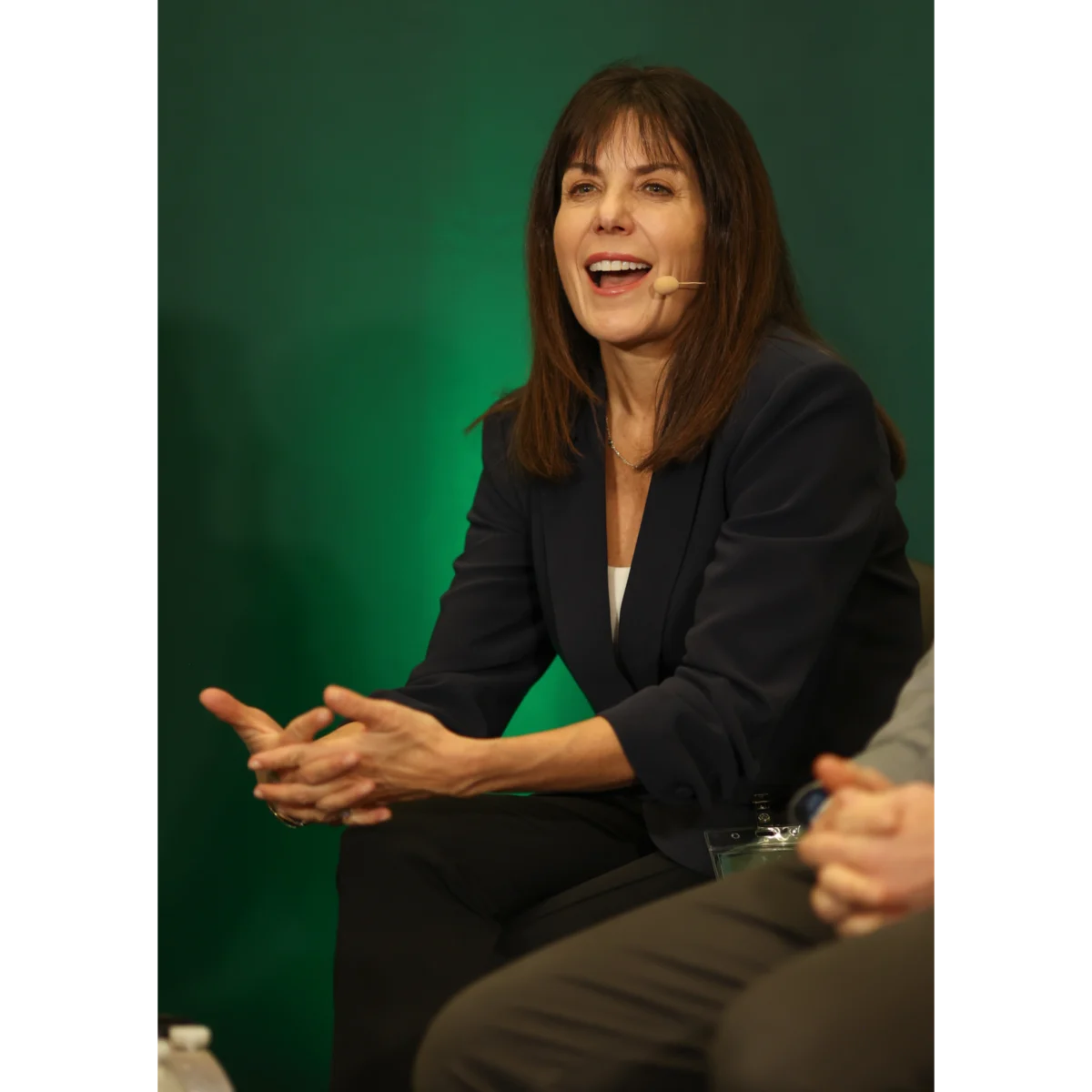
For millions of Americans, retirement is the finish line—a long-awaited reward after decades of early mornings, career milestones, and diligent saving. Yet, as the calendar turns, many find themselves crossing that line with no map. According to Jean Chatzky, the best-selling author of The Forever Paycheck and founder of the financial platform HerMoney, the most common error retirees make isn’t a lack of savings, but a lack of a withdrawal strategy.
"The lack of a concrete plan actually prevents them from living their best retirement," Chatzky warns. "They are not living as well as they could." This planning vacuum creates a precarious binary: those who spend recklessly risk a mid-retirement shortfall, while those who are overly cautious often end up leaving a massive, unspent fortune behind, missing out on the very lifestyle they sacrificed to fund.
The Core Problem: A Crisis of Confidence
The data surrounding modern retirement is paradoxical. Thanks to a decade-long bull market, many Americans have reached retirement age with record-high account balances. Fidelity Investments reports that by the end of 2024, baby boomers represented 41% of all 401(k) millionaires, while Generation X, currently aged 45 to 60, accounted for 57%.
Despite this unprecedented wealth, a deep-seated anxiety persists. A recent study by Corebridge Financial highlighted a startling trend: less than one-third of retirees feel comfortable drawing down their savings. The prospect of "spending down" a nest egg that took a lifetime to build often triggers stress and hesitation.
This psychological barrier is compounded by a lack of operational preparation. According to survey data, only 14% of retirees have a formal plan to manage their Required Minimum Distributions (RMDs), let alone a comprehensive strategy for their broader portfolio. When people lack a structured "paycheck" system, they are left to guess, leading to the anxiety of "what if I run out?" versus the regret of "I never really lived."
The "Forever Paycheck" Philosophy
Chatzky’s central thesis centers on the concept of decumulation—the transition from building wealth to spending it. She argues that the secret to a stress-free retirement is the creation of a "forever paycheck."
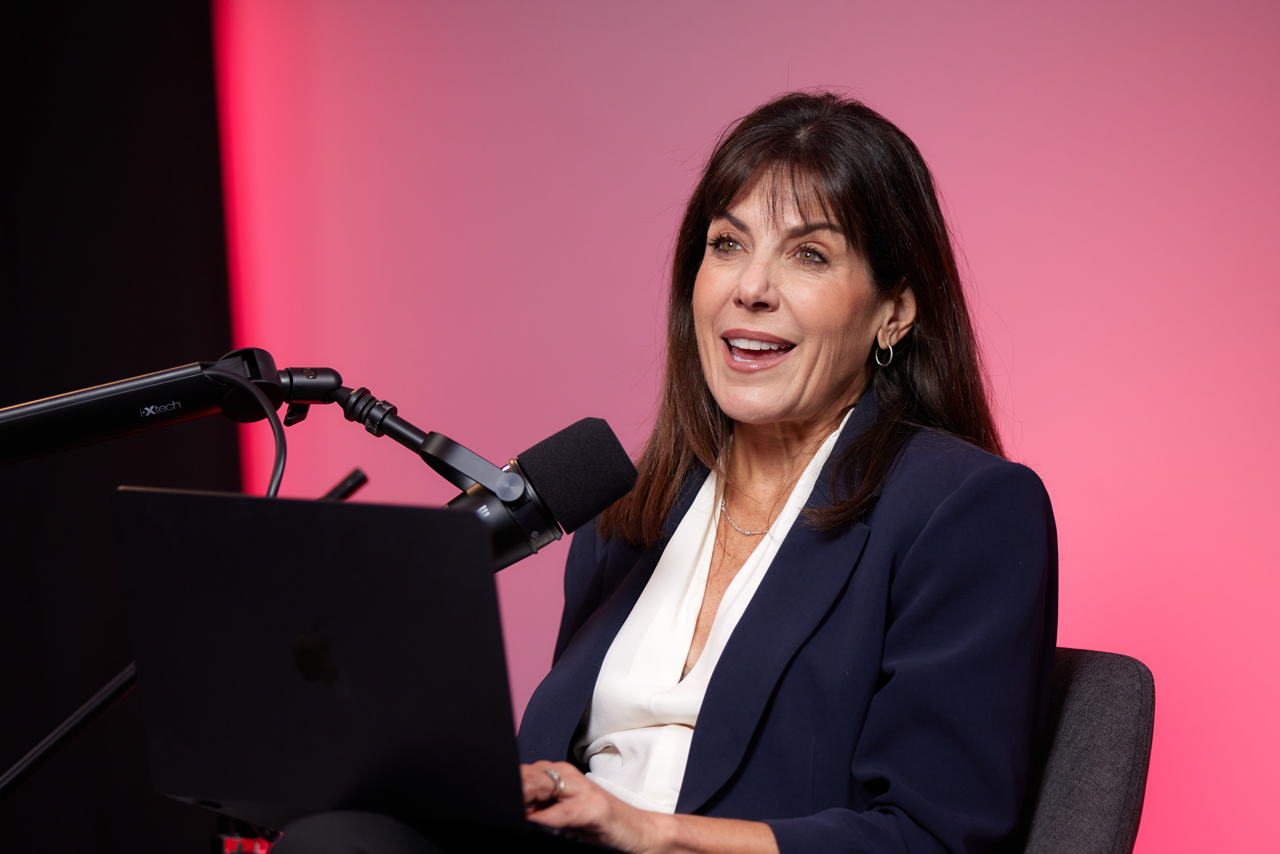
"There are a number of decumulation strategies, but I’m a believer that covering your fixed costs with some sort of paycheck, some sort of guaranteed income, is likely to enable people to live better, with less stress," Chatzky explains.
This does not require shifting every dollar into a single, static product. Rather, it involves a hybrid approach. By utilizing a mix of guaranteed income sources—such as Social Security, pension payments, or annuities—to cover essential living expenses like housing, food, and healthcare, retirees can create a psychological "floor." With fixed costs covered by guaranteed streams, the remaining assets can be invested with a longer-term horizon, allowing for more flexibility and confidence in discretionary spending.
Chronology of Planning: Why the Pre-Retirement Window Is Critical
The mistake of failing to plan is often rooted in the "pre-retirement" phase. Many individuals spend years obsessing over their rate of return while completely ignoring their rate of withdrawal.
The planning process should ideally begin three to five years before the intended retirement date. This timeframe allows for the "stress testing" of one’s financial reality against their lifestyle vision. Chatzky emphasizes that retirement is not merely a financial event; it is a lifestyle transition.
- The Visioning Phase (5 Years Out): Determine the "Why." Are you looking to downsize your primary residence, move to a retirement community, or age in place? The difference in capital requirements for these choices is massive.
- The Alignment Phase (3 Years Out): Couples must reconcile their visions. Chatzky notes that she is frequently "baffled" by how many couples arrive at retirement with entirely contradictory goals—one dreaming of travel and adventure, the other of quiet home-based hobbies.
- The Structural Phase (1 Year Out): This is when the "paycheck" architecture is built. Moving assets from growth-heavy accounts to more stable, income-generating vehicles ensures that when the first paycheck from the employer stops, the first "retirement paycheck" is ready to take its place.
The Role of the Professional Adviser
A significant hurdle for many pre-retirees is the misconception that financial advice is an expensive luxury reserved for the ultra-wealthy. Chatzky argues that this is a dated perspective.
"The whole financial planning field has become democratized in a way that I truly think there are planning services available to fit everyone," she says. The model of paying a percentage of assets under management (AUM) is no longer the only path. Today, consumers can engage advisers for:
- Hourly Consulting: Paying a flat fee for a one-time, comprehensive plan that the individual executes themselves.
- Project-Based Planning: Hiring a pro to audit a self-made plan, ensuring that tax implications—specifically regarding RMDs and social security optimization—are handled correctly.
- Automated Platforms: Using robo-advisers or hybrid services to manage the withdrawal logic automatically.
Hiring an adviser isn’t about surrendering control; it is about outsourcing the technical complexity of decumulation to someone who can help navigate tax laws and market volatility.
Implications: The High Cost of Inaction
The implications of failing to plan are both financial and emotional. When there is no strategy, the "default" behavior is often extreme frugality. While this prevents bankruptcy, it effectively results in a diminished quality of life. Conversely, those who ignore the math may find themselves in a "shortfall" scenario, where they are forced to drastically lower their standard of living later in life when their ability to earn additional income is limited.
Furthermore, the lack of coordination with a spouse can lead to significant marital friction. Retirement is a period of intense proximity; when partners have not aligned on their expectations, their retirement funds become a source of conflict rather than a source of freedom.
Conclusion: Taking the First Step
The transition into retirement is perhaps the most significant financial event in an individual’s life. It is the moment when the engine must shift from "accumulation" to "distribution."
Chatzky’s advice is clear: stop treating retirement like a guessing game. Whether you are ten years away or on the doorstep of your career’s end, the priority must be moving from a vague hope of "having enough" to a concrete, written, and stress-tested plan. By covering your fixed costs with guaranteed income, aligning your goals with your partner, and utilizing professional expertise to fill in the gaps, you can transform the retirement years from a period of anxiety into a period of genuine, sustainable freedom.
Editor’s note: This article is part of an ongoing series in which we ask influential personal finance figures to share their opinion on the biggest retirement mistake you can make. This series has previously featured insights from industry leaders such as Suze Orman, Dave Ramsey, Grant Cardone, and Ramit Sethi, all of whom emphasize the necessity of proactive financial management.