









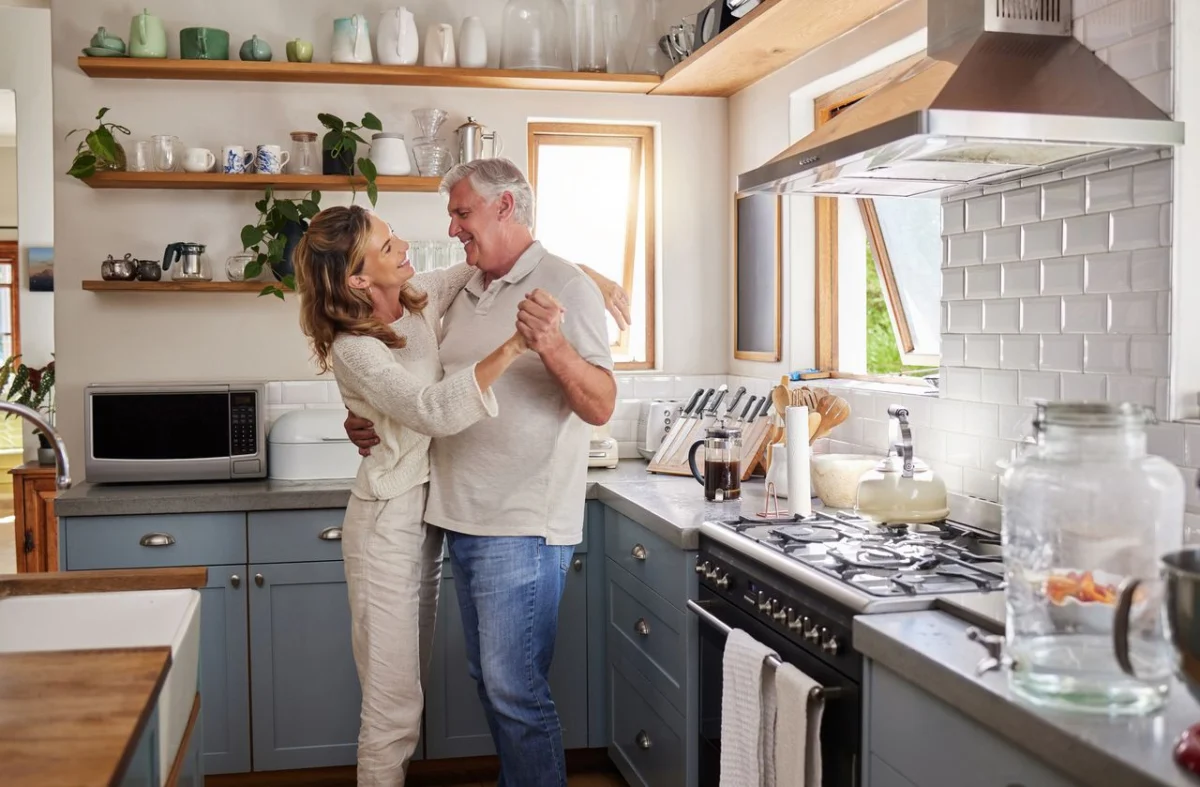
For millions of Americans, the dream of retirement is inextricably linked to the familiar walls of the home they’ve occupied for decades. The sentiment that "home is where the heart is" drives a powerful national trend: "aging in place." This philosophy emphasizes independence, emotional comfort, and the preservation of community ties. However, as the demographic shift toward an older population accelerates, a critical question is emerging: While the heart may be in the home, is the home actually ready for the body?
For many seniors, the house that served a young family perfectly well—with its grand staircases, second-story bedrooms, and sunken living rooms—can become a minefield of safety hazards. Transitioning a residence into a safe sanctuary requires more than just good intentions; it demands a strategic, often costly, overhaul of the physical environment.
The Reality Gap: Identifying the Obstacles
The physical architecture of the average American home was rarely designed with the realities of aging in mind. As mobility decreases and balance becomes more precarious, the very features that once added "character" to a home become significant liability risks.
The Hidden Dangers of Traditional Architecture
- Vertical Mobility: Steep staircases are the primary deterrent to long-term residency. For those with arthritis, hip issues, or declining stamina, a flight of stairs can effectively turn a two-story home into a one-story home, rendering 50% of the property useless.
- Narrow Corridors: Standard hallway widths, which are often insufficient for walkers or wheelchairs, pose a significant barrier to independent movement.
- The Bathroom Trap: Perhaps the most dangerous room in the house, the standard tub-shower combination requires high-step entry, which is a leading cause of bathroom falls.
- Environmental Blind Spots: Lighting, often designed for aesthetics rather than visibility, frequently fails to illuminate transition points, such as changes in flooring or steps.
A Chronology of the Aging-in-Place Movement
The concept of aging in place has evolved significantly over the last half-century.
The 1970s and 80s: Institutionalization
Historically, the default path for aging was the transition to assisted living facilities or nursing homes. The architectural focus was on centralized, clinical care, leaving private homes largely unadapted.
The 1990s: The Shift Toward Independence
Advocacy groups began pushing for the "Universal Design" movement. Architects and urban planners started recognizing that if homes were built with wider doorways and no-step entries from the start, the cost of future modifications would plummet.
2010–2020: The Demographic Tsunami
As the Baby Boomer generation reached retirement age, the demand for home modifications surged. The market responded with a rise in Certified Aging-in-Place Specialists (CAPS) and a plethora of smart-home technology designed to assist seniors.
2025 and Beyond: Integration of Tech and Design
We are currently in a phase where "smart" technology—such as automated lighting, fall-detection sensors, and voice-activated home controls—is being integrated into physical remodeling projects, creating a "connected" safe environment.
Supporting Data: The Financial and Physical Toll
According to data from the Centers for Disease Control and Prevention (CDC), falls are the leading cause of injury-related death among adults aged 65 and older. The financial implications are staggering.
- The Cost of Inaction: A single fall resulting in a hip fracture can cost an average of $30,000 to $50,000 in medical bills, excluding long-term rehabilitation costs.
- The Cost of Remodeling: A comprehensive "age-in-place" renovation can range from a few thousand dollars—for simple grab-bar installations and lighting upgrades—to over $100,000 for structural changes like installing a residential elevator or moving a primary bedroom to the first floor.
- Market Value vs. Safety Value: Research suggests that while modifications like walk-in showers and widened doorways can maintain home equity, the primary return on investment is "preventative savings"—the avoidance of institutional care, which can cost upwards of $8,000 per month.
Official Responses and Professional Guidance
Industry experts and aging-in-place advocates argue that homeowners must be proactive rather than reactive. Waiting until a health crisis occurs to remodel a home is often a recipe for rushed, expensive, and suboptimal solutions.
"The best time to start planning for aging in place is a decade before you think you need it," says a senior consultant for the National Association of Home Builders (NAHB). "When you have the luxury of time, you can integrate safety features during planned renovations—like a kitchen remodel or a bathroom update—rather than paying for emergency, piecemeal modifications later."
The "Must-Have" Checklist for Homeowners:
- First-Floor Living: A primary bedroom and full bathroom on the ground level.
- Zero-Threshold Access: Eliminating steps at the entryway and between rooms.
- Roll-in Showers: Replacing tubs with barrier-free showers equipped with non-slip flooring and seating.
- Task-Specific Lighting: High-lumen, automated lighting in hallways, bathrooms, and kitchens.
- Ergonomic Hardware: Replacing round doorknobs with lever handles and traditional faucets with touchless or single-lever options.
The Implications: Beyond the Four Walls
The decision to age in place has profound implications that extend beyond the individual homeowner. It affects the broader housing market, local government resources, and community health.
The Housing Market Crunch
As more retirees choose to "age in place," fewer homes are entering the market. This exacerbates the existing housing shortage, keeping prices high for younger families. However, it also encourages a new segment of the construction industry: the "senior-retrofit" market, which is projected to see consistent growth over the next twenty years.
The Community Burden
When a neighborhood is populated by seniors living in homes that are not suited for their physical needs, the demand for emergency services increases. Local municipalities are beginning to offer tax credits or grant programs to incentivize homeowners to retrofit their properties for safety, recognizing that keeping seniors independent is more cost-effective for the public health system than managing the fallout of preventable home accidents.
The Psychological Impact
Perhaps the most significant implication is psychological. Aging in place fosters a sense of autonomy and identity. However, this is only true if the environment supports that autonomy. If a home becomes a prison of stairs and narrow doors, the psychological benefits of "staying home" vanish, replaced by isolation and the anxiety of potential injury.
Conclusion: Taking Action
Remodeling a home to age in place is not a one-size-fits-all endeavor. Some homeowners may only need a few tweaks—the addition of grab bars, improved lighting, and a few smart-home devices. Others may find that their current floor plan is fundamentally incompatible with their long-term health needs, necessitating a more comprehensive, and potentially disruptive, overhaul.
If you are unsure where your home falls on the spectrum, it is time to conduct a professional safety audit. Don’t wait for a fall or a decline in mobility to dictate your home’s layout. By taking an objective look at your living space today, you can ensure that your home remains a source of comfort and security for years to come.
The goal is simple: to transform the place where your heart is into a place where your body is equally well-cared for. Through proactive planning, financial foresight, and a commitment to universal design, the dream of aging in place remains a viable and fulfilling reality for millions.