










For decades, the American retirement dream was practically synonymous with the Sunshine State. With its year-round warmth, sprawling golf courses, and the enticing lure of zero state income tax, Florida became the default destination for millions of seniors looking to spend their golden years in paradise. However, a significant demographic shift is currently underway. A growing number of retirees who flocked to Florida are finding that the reality of the "Sunshine State" often fails to live up to the postcard image.
From the relentless humidity and the looming threat of catastrophic hurricanes to the crushing weight of skyrocketing homeowners’ insurance and restrictive, high-cost homeowners’ association (HOA) fees, the Florida experiment is proving unsustainable for many. This disillusionment has given rise to the "half-back" movement—a growing trend of retirees who, having moved south, decide to move "halfway back" toward their original homes in the North.
The Reality Check: Why Florida Is Losing Its Luster
The migration to Florida is historically fueled by the promise of financial freedom. Without a state income tax, retirees often believe their pension and Social Security dollars will stretch further. However, the true cost of living in Florida is frequently hidden behind the lack of income tax.
The Hidden Costs of Paradise
While the state may not take a cut of your paycheck, the cost of property ownership has reached a fever pitch. Florida’s insurance market is in crisis; homeowners are seeing premiums rise by double and triple digits due to the increased frequency and severity of hurricanes. When combined with the high cost of property maintenance in a salt-air environment and the often-exorbitant monthly assessments of gated communities, the "tax-free" benefits are quickly neutralized.
Beyond the finances, the lifestyle factors are shifting. Infrastructure in many popular retirement corridors is struggling to keep pace with rapid population growth, leading to extreme traffic congestion and overcrowding. For those who prioritized a peaceful, slow-paced retirement, the current reality of Florida can feel chaotic and disconnected from the tranquility they once envisioned.

The Rise of the ‘Half-Back’ Strategy
The term "half-back" refers to retirees who move from the Northeast or Midwest to Florida, only to find they miss the change of seasons, proximity to family, or simply find the environment incompatible with their needs. Instead of returning to the freezing winters of their youth, they are settling in states that bridge the gap—offering moderate climates, tax advantages, and a significantly lower cost of living.
For these individuals, the "half-back" states serve as a Goldilocks solution: they are warm enough to be pleasant, tax-efficient enough to be smart, and close enough to the Northeast to allow for a day’s drive to visit children and grandchildren.
Exploring the Top ‘Half-Back’ Havens
If you are considering an exit strategy from Florida, several states have emerged as top-tier contenders for retirees seeking a balance of lifestyle and financial security.
1. Georgia: The Peach State’s Tax-Friendly Appeal
Georgia has become a premier destination for those fleeing Florida’s high costs. While Georgia does tax income, it provides significant exemptions that make it a winner for retirees. Social Security benefits are exempt from state income tax, and the state offers generous homestead exemptions for homeowners, particularly those aged 65 and older.
Beyond the ledger, Georgia offers an incredible geographic diversity that Florida lacks. From the historic charm and coastal beauty of Savannah to the rugged, serene beauty of the Blue Ridge Mountains, Georgia provides a landscape for every preference. The median cost of a two-bedroom home, hovering around $335,358, provides a more accessible entry point into the housing market compared to Florida’s $378,126 average.

2. North Carolina: Four Seasons, No Humidity
For those who miss the distinct rhythm of the seasons but aren’t ready for sub-zero temperatures, North Carolina is a compelling choice. The state offers a true four-season climate, yet winters remain mild, with average temperatures lingering in the 50s.
Crucially, North Carolina does not tax Social Security benefits, and like its neighbors, it has no estate or inheritance tax. The state is a hub for high-quality healthcare and boasts a vibrant cultural scene in cities like Charlotte and Raleigh. The ability to enjoy the Atlantic coast in the summer and the breathtaking Appalachian mountains in the fall provides a depth of experience that is difficult to find in flatter, more uniform climates.
3. South Carolina: The Best of Both Worlds
South Carolina is perhaps the most popular "half-back" destination for those who aren’t quite ready to let go of the beach. It offers the same sandy coastlines and world-class golf courses that draw people to Florida, but with a more relaxed pace and a significantly lower cost of living.
Financially, South Carolina is very retiree-friendly. Social Security is exempt from state taxes, and the state offers substantial deductions for other forms of retirement income, such as 401(k)s and pensions. With a median home price near $309,000, it remains one of the most affordable coastal living options on the East Coast.
4. Tennessee: The No-Income-Tax Alternative
For retirees who are truly married to the idea of zero state income tax, Tennessee is the premier alternative to Florida. Not only does the state have no income tax, but it also does not tax Social Security or withdrawals from retirement accounts like IRAs and 401(k)s.

While it lacks the ocean, it compensates with the stunning beauty of the Great Smoky Mountains and a rich cultural heritage. From the musical epicenter of Nashville to the quiet, scenic retreats in the eastern mountains, Tennessee offers a unique lifestyle that focuses on community, culture, and nature. It is an ideal spot for those who want to maximize their retirement savings while maintaining a high quality of life.
Financial and Lifestyle Implications: A Comparative Analysis
When evaluating these states, retirees must look beyond the surface-level tax rates. The "half-back" move is not just about where the money is kept; it is about how the money is spent.
Data Trends in Retirement Migration
Current market data from platforms like Zillow and Apartments.com indicate a clear trend: the price-to-value ratio in states like Georgia and Tennessee is currently outperforming the Florida market. When you account for the lower insurance premiums—as these states are not subjected to the same frequency of catastrophic hurricane damage—the "real" cost of homeownership drops significantly.
Furthermore, the "proximity tax" is a hidden factor. Many retirees in Florida find that the cost of airfare to fly north to visit family adds thousands of dollars to their annual budget. Living in a half-back state allows for the possibility of a day’s drive, potentially saving a retired couple thousands in annual travel expenses.
The "Test Drive" Protocol: How to Make the Right Choice
Before packing up the moving truck for a second time, it is vital to approach the transition with a strategic, evidence-based plan.

1. Crunch the Total Cost of Ownership
Don’t just look at state income taxes. Calculate the total tax burden, including property taxes, sales taxes, and potential municipal fees. A state with a moderate income tax but lower property taxes and lower insurance premiums may actually leave you with more disposable income than a "tax-free" state with high overhead.
2. The Seasonal Test Drive
Florida retirees often fail because they visit in the winter and move in the winter. If you are considering a half-back state, you must visit during the "off-season." Spend a week in Georgia in August to experience the heat, or in North Carolina in January to see if the winter chill is to your liking.
3. Evaluate the Healthcare Infrastructure
As we age, proximity to high-quality healthcare becomes the most important factor in a location’s suitability. Research the distance to specialized medical facilities and the reputation of local hospitals. Many "half-back" regions are located near major research universities or metropolitan hubs that provide top-tier care.
4. Social Integration
Moving is as much an emotional challenge as a financial one. Seek out communities that align with your hobbies—whether that is hiking clubs in the Blue Ridge Mountains, historical societies in Charleston, or music circles in Nashville. Building a social network is the most effective way to ensure a move sticks.
Conclusion: Redefining the Retirement Dream
The "half-back" movement is a powerful reminder that retirement is not a static goal, but a dynamic phase of life. What works for a 65-year-old may not work for a 75-year-old. The willingness to pivot and seek a better environment—one that balances financial security with personal happiness and proximity to loved ones—is a sign of a well-planned, intentional retirement.
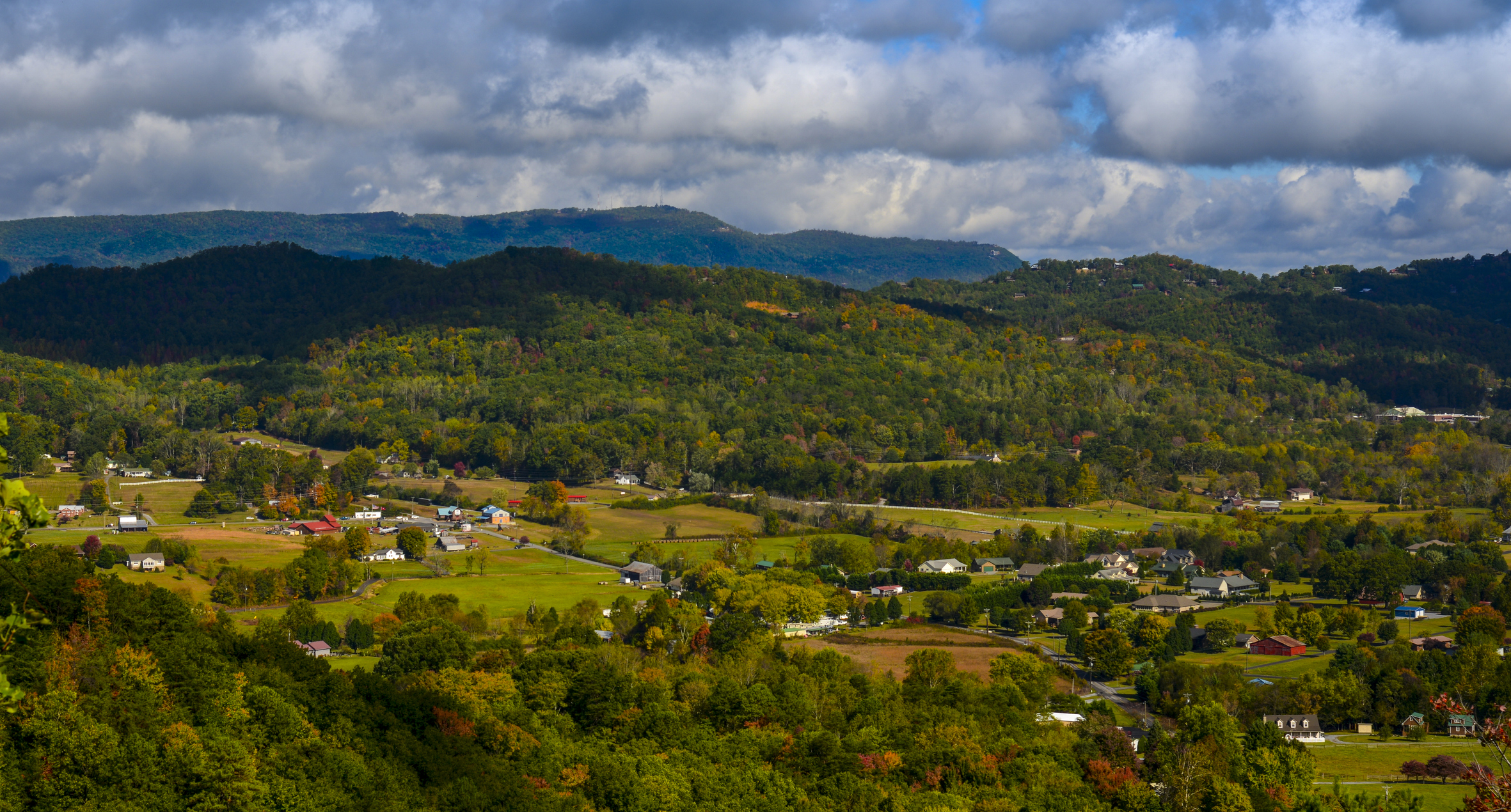
Whether you find your next home in the rolling hills of Tennessee or the historic squares of Savannah, the most important lesson is that you are not a prisoner to your initial retirement choice. Florida remains a beautiful state for many, but for those who find the sunshine has lost its warmth, the "half-back" path offers a vibrant, sustainable, and rewarding way forward. By doing your homework and prioritizing your actual needs over a preconceived notion of what "retirement" should look like, you can find a place that truly feels like home.