







In a move set to reshape the expectations of premium air travelers, Emirates Airline has officially unveiled a next-generation lounge concept. This initiative, which marks a significant departure from the carrier’s long-standing aesthetic, aims to harmonize its global network of outstation lounges with the sophisticated, modern interiors of its latest aircraft cabins. As Emirates begins the rollout, the industry is closely watching how this "new benchmark" will impact the competitive landscape of luxury aviation.
Main Facts: The Evolution of Emirates’ Global Footprint
Emirates maintains one of the most extensive proprietary lounge networks in the aviation industry. Unlike many carriers that rely on third-party contract facilities, Emirates has historically invested heavily in its own dedicated spaces at airports across the globe—even in markets served by only a single daily flight.

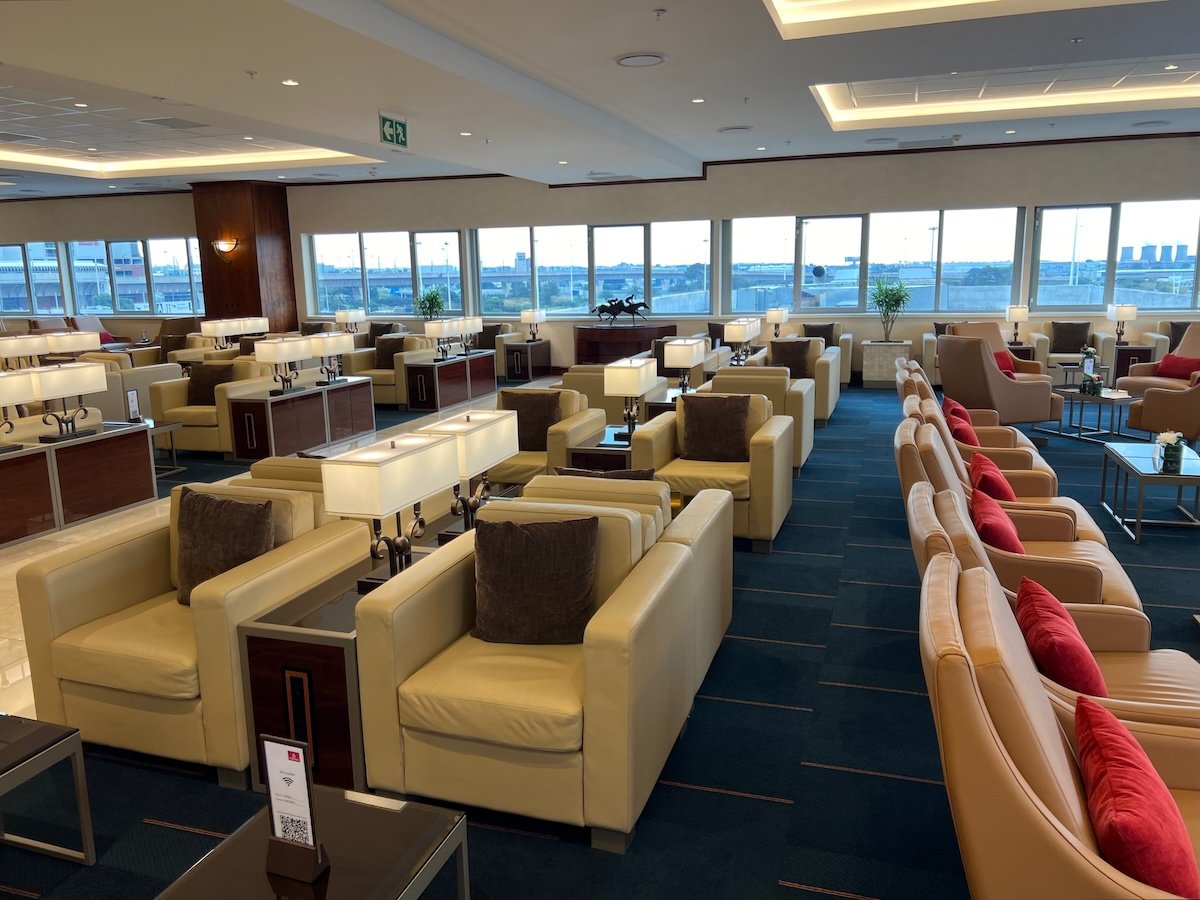
The new design philosophy represents a pivot away from the "1990s Las Vegas casino-style" opulence that defined the airline’s earlier lounges. The new look is defined by a refined, understated elegance. Key design elements include:
- Architectural Harmony: Integration of herringbone flooring and marble accents to mirror the luxury found on board the airline’s latest aircraft.
- Cultural Integration: The introduction of the backlit Emirates Ghaf Tree motif, serving as a subtle, elegant nod to the national tree of the United Arab Emirates.
- Enhanced Functionality: The lounges now feature distinct zones tailored for specific passenger needs, including dedicated areas for relaxation, professional work, social engagement, and high-end dining.
- Lighting and Atmosphere: Discreetly integrated, adaptive lighting systems designed to reduce eye strain and create a tranquil, premium environment.
Chronology: A Global Rollout Strategy
Emirates has adopted a phased, methodical approach to implementing this new standard. The blueprint was established with the debut of the updated facilities in Frankfurt (FRA) and Munich (MUC). These German hubs serve as the primary prototypes for the future of the brand.

The expansion of this design language is set to proceed rapidly over the coming months:
- July 2026: Implementation at Manchester Airport (MAN).
- August 2026: Launch at Sir Seewoosagur Ramgoolam International Airport in Mauritius (MRU).
- October 2026: Finalization of the Istanbul (IST) facility upgrade.
While the current schedule focuses on high-traffic international hubs, the airline has signaled that this concept will eventually become the global standard, effectively sunsetting the older interior designs as part of a multi-year renovation strategy.

Supporting Data: Addressing Historical Criticism
For years, aviation analysts and frequent flyers have noted a paradox in the Emirates experience: while the in-flight product remains world-class, the ground experience in many international outstations was perceived as stagnant.
The "Underwhelming" Era
Previously, Emirates’ lounges were criticized for being functional but uninspired. Common pain points identified by travelers included:

- Lack of Experiential Dining: Buffets were consistent but rarely featured "a la minute" cooking or interactive elements.
- Service Gaps: Despite high-end liquor inventories, many lounges lacked dedicated bartenders or professional barista services, leaving guests to self-serve.
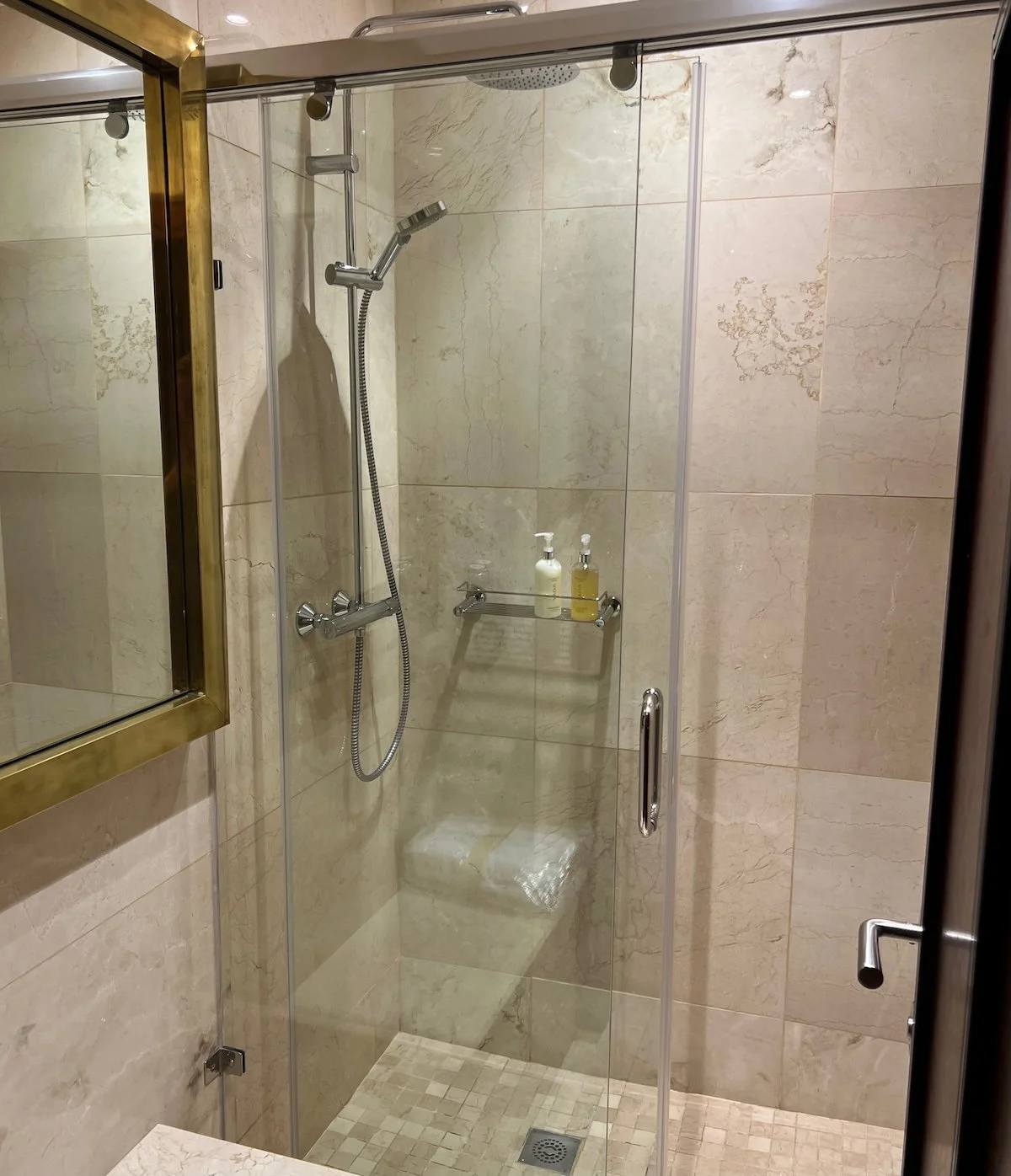
- Shower Facilities: A primary point of contention, the previous shower suites were often basic, lacked integrated amenities, and were located within the confines of communal restrooms, offering little in the way of true privacy or comfort.
The Modern Upgrade
The new concept explicitly addresses these criticisms. The introduction of live cooking stations and barista-style coffee bars transforms the dining experience from a utility into a service-oriented event. Furthermore, the overhauled shower suites represent a massive upgrade in privacy and hygiene, reflecting the airline’s commitment to passenger wellness during long-haul transits.
Official Responses and Strategic Implications
Emirates has framed these changes as a direct response to evolving passenger expectations. The airline’s commitment to this project underscores its refusal to outsource the passenger experience to contract lounge operators. By maintaining control over the design, service flow, and culinary offerings, Emirates ensures that the "Emirates feel" remains consistent whether a passenger is in Dubai, Frankfurt, or Mauritius.

However, the strategy is not without its skeptics regarding potential missed opportunities. Despite the vast investment in these new facilities, one significant omission remains: the absence of dedicated First Class sections.
The First Class Conundrum
Emirates operates one of the most extensive and luxurious First Class networks in the world. Industry analysts have pointed out that in other premium lounges—such as those operated by Qatar Airways—First Class passengers are afforded exclusive, elevated spaces with higher-end culinary and beverage options.

The current design update does not appear to include a separate, exclusive room for First Class passengers in these outstation lounges. For an airline that prides itself on the exclusivity of its "Game Changer" suites and private showers in the sky, the omission of a ground-based "First Class enclave" remains a point of debate. Critics argue that this would have been the perfect opportunity to further differentiate the First Class product from Business Class, providing an end-to-end luxury experience that justifies the premium ticket price.
Implications for the Industry
The renovation of these lounges signals a broader trend in the airline industry: the "Ground War" is becoming as critical as the "Air War." As cabin products become increasingly commoditized, the lounge experience is emerging as a primary differentiator for high-net-worth travelers.
- Increased Competition: By modernizing its outstation network, Emirates is placing pressure on other legacy carriers to refresh their own aging global lounges. Airlines that rely on older, "contract-style" lounges may find themselves at a disadvantage in retaining premium corporate clients.
- Monetization vs. Exclusivity: While the airline has not explicitly discussed monetizing these new lounges through paid access or Priority Pass partnerships, the sheer level of investment suggests that the lounges will remain exclusive to Emirates’ premium passengers and high-tier Skywards members. This scarcity strategy preserves the value of the premium ticket.
- Sustainability and Aesthetics: The move toward "understated" luxury—moving away from the previous gold-heavy, high-gloss aesthetic—aligns with current design trends that prioritize wellness, calming palettes, and sustainable materials. This shift helps the airline appeal to a younger, more design-conscious demographic of luxury travelers.
Conclusion: A Job Well Done, With Room to Grow
Emirates has undeniably "nailed" the aesthetic and functional modernization of its lounges. By addressing the specific complaints regarding food, beverage, and shower facilities, the airline has successfully elevated the ground experience to match its reputation in the air. The transition to a more sophisticated, modern design aesthetic reflects a mature brand confident in its identity.
However, the absence of a distinct First Class section remains the "missing piece" in this otherwise comprehensive upgrade. As the airline continues to roll out these facilities across its global network, it will be interesting to see if consumer feedback forces a reconsideration of the First Class ground experience. For now, the new Emirates lounge concept stands as a formidable new benchmark, proving that even a global leader is willing to pivot and refine its strategy to maintain its dominance in the premium travel market.

As the rollout continues through late 2026, the aviation world will be watching to see if this design language successfully translates to the diverse cultural contexts of Manchester, Mauritius, and Istanbul. One thing is certain: for the passenger, the experience of waiting for a flight has just become significantly more enjoyable.