






For the frequent flyer, the airport security experience is a calculated dance of efficiency. In recent years, the combination of TSA PreCheck and CLEAR has been heralded as the "gold standard" for bypassing the friction of domestic air travel. However, the economics of this convenience have shifted once again. As of July 1, 2026, CLEAR—the biometric security company—has implemented its fourth price increase in less than four years, raising the annual cost of a CLEAR+ membership from $199 to $209.
While a $10 increase may seem modest in the context of rising inflation, it marks a persistent trend of upward pricing that has left many travelers questioning the value proposition of the service. As the landscape of airport security evolves, the industry is grappling with a fundamental question: Is the private sector’s role in identity verification becoming obsolete?
The Facts: Breaking Down the July 2026 Price Hike
The official adjustment, effective as of July 1, 2026, brings the standard annual rate for a CLEAR+ membership to $209. Notably, this hike applies specifically to the primary account holder. The cost to add additional family members to an account—up to three individuals, who need not be related to the primary member—remains locked at $125 per person.
For the vast majority of premium travelers, the immediate sting of this price hike is mitigated by credit card partnerships. Several American Express cards, which include CLEAR+ membership credits as a core benefit, have already adjusted their internal parameters to ensure the full $209 fee is covered. This means that for those holding the right premium credit cards, the price hike is effectively a "non-event." However, for the average traveler paying out-of-pocket, the cumulative effect of these increases over the last several years is difficult to ignore.
A Chronology of Rising Costs: A Look Back
To understand the frustration among long-time subscribers, one must look at the trajectory of CLEAR’s pricing structure. The service has moved from a niche luxury to a high-cost commodity in a remarkably short window.
- Pre-2023: For years, the pricing remained relatively stable, with family add-ons costing as little as $60.
- Early 2023: The company initiated a series of aggressive pricing adjustments. The cost for adding a family member saw a succession of hikes: from $60 to $70, then $99, then $119, and finally landing at its current $125.
- 2024–2025: During this period, the primary membership cost began to see similar upward pressure, climbing toward the $200 mark.
- July 2026: The current $209 price point represents the fourth major structural increase in less than 48 months.
This consistent "price creep" suggests a company attempting to maximize its revenue per user, perhaps to offset the massive infrastructure costs associated with installing biometric kiosks across hundreds of airport checkpoints.
The Friction of Convenience: Why the Experience is Stalling
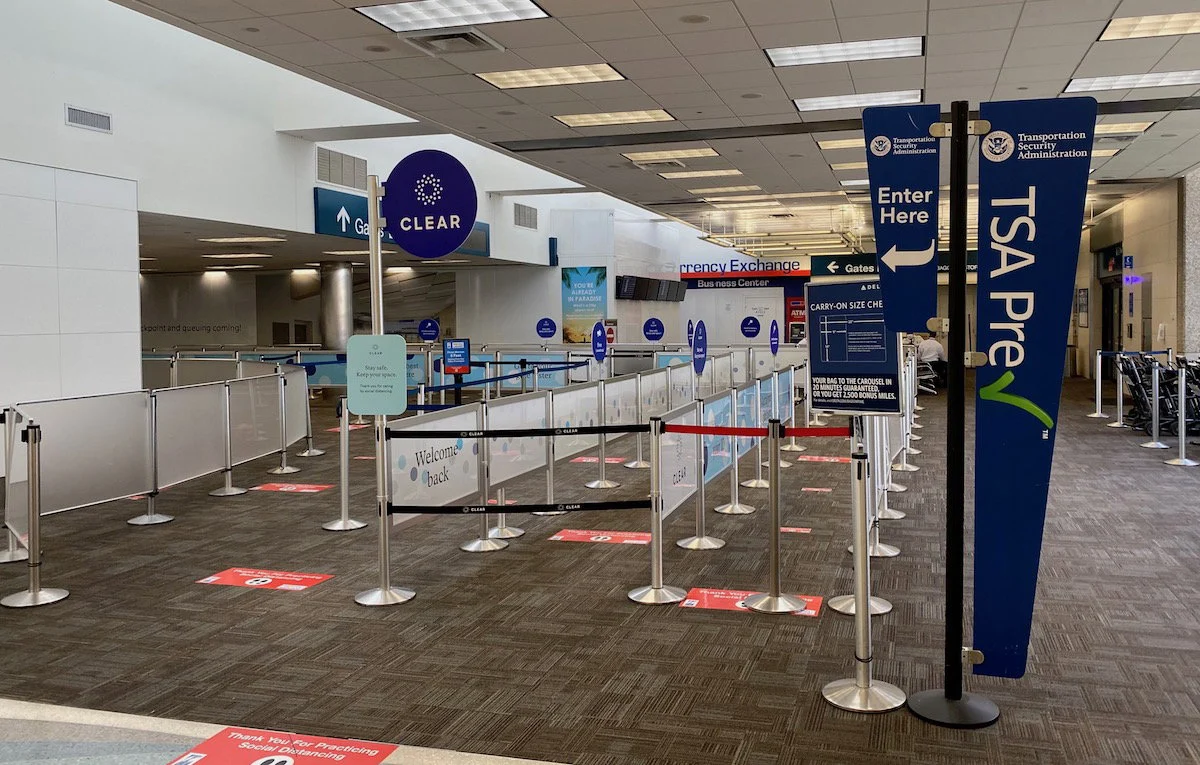
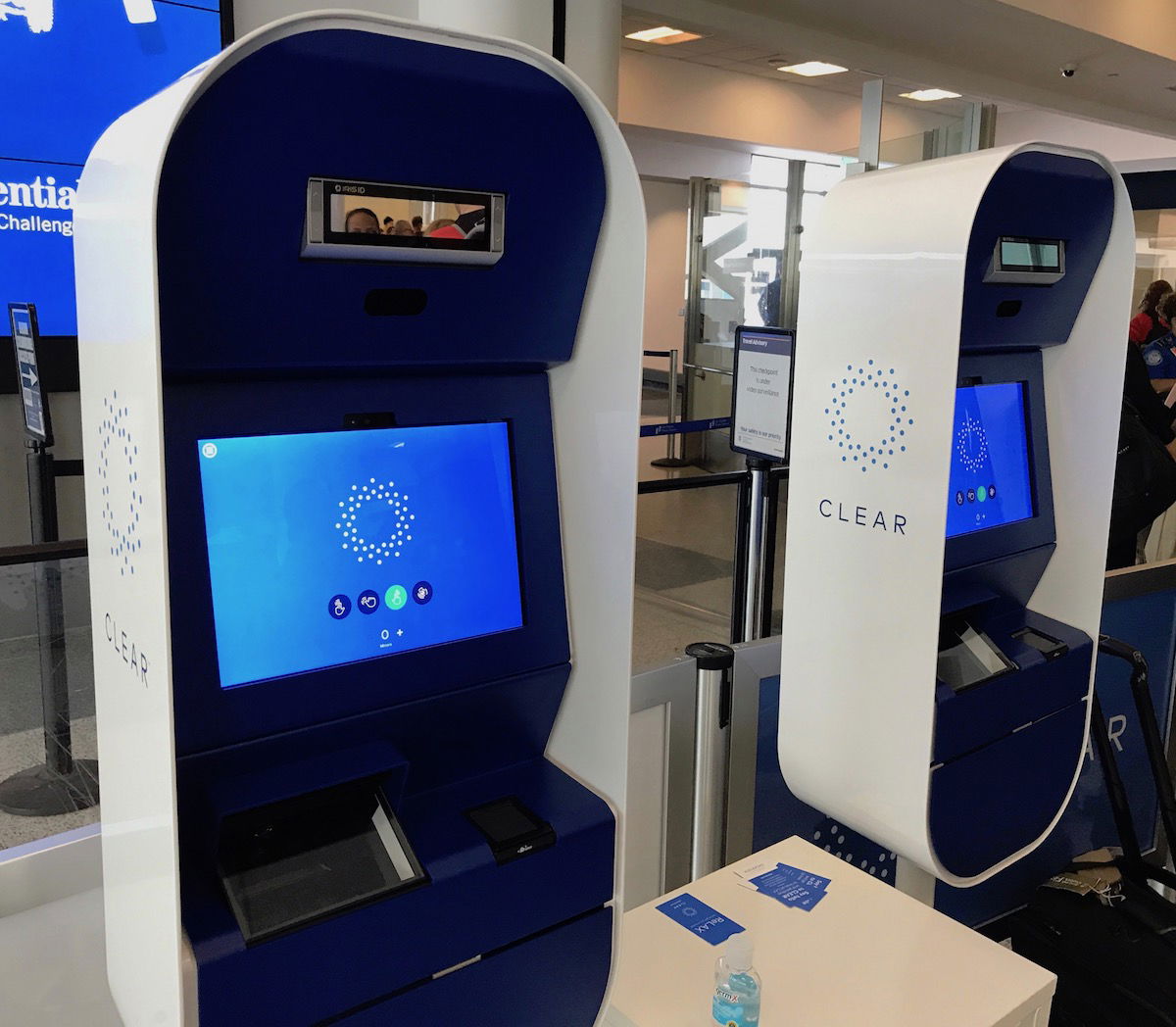
The primary selling point of CLEAR has always been "skipping the line." By using iris scans and facial recognition to verify identity, members were theoretically supposed to bypass the traditional TSA ID check. However, in practice, the experience has become increasingly inconsistent.
Many seasoned travelers have reported that the "CLEAR line" is often longer than the standard TSA PreCheck line. When a traveler who has already paid for both services finds themselves waiting behind a backlog of CLEAR users, the utility of the subscription is effectively negated.
Critics argue that by incentivizing more people to join, CLEAR has created its own version of the very congestion it sought to solve. When too many people have "priority" access, the priority disappears. In many airports, the standard TSA PreCheck lane, which now utilizes sophisticated automated document checkers, has become significantly faster than the manual-heavy process often seen at CLEAR kiosks.
Technological Obsolescence: Is CLEAR Becoming Irrelevant?
Perhaps the most significant threat to CLEAR’s long-term business model is not the price of its membership, but the rapid advancement of government-run security technology.
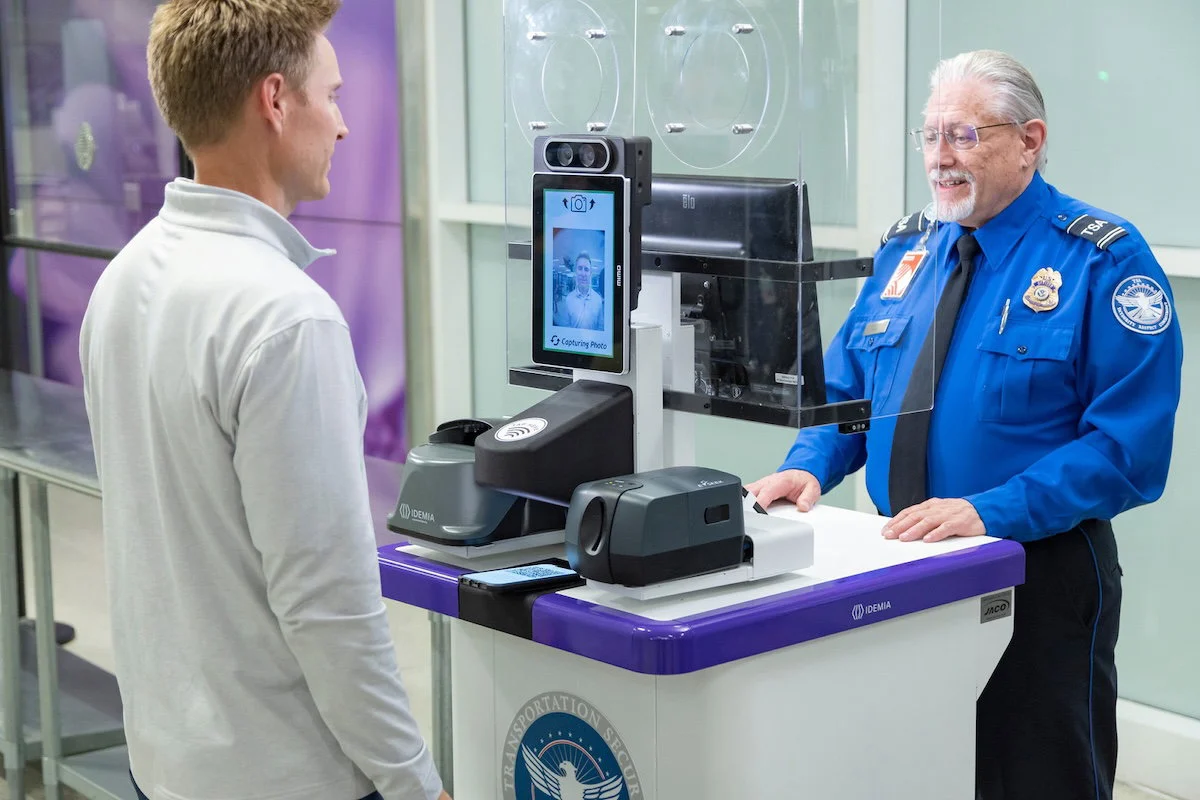
The Transportation Security Administration (TSA) is currently in the midst of a massive, nationwide rollout of "Touchless ID" and advanced eGates. These systems use facial recognition to match a passenger’s live image against the high-resolution photo stored in their passport or government ID database. If the TSA can achieve this level of efficiency—essentially allowing passengers to walk through security without ever presenting a physical card—the argument for a private third-party biometric service becomes increasingly tenuous.
The Rise of TSA eGates
The TSA is actively installing its own biometric identity verification systems. As these systems become the standard at every terminal in the United States, the distinct advantage of having a private entity (CLEAR) verify one’s identity becomes redundant. If the government’s own technology can perform the same function at the same speed, what is the consumer actually paying $209 for?

Implications for the Future of Travel
The implications of this price increase extend beyond the balance sheets of travelers. It highlights a critical junction for the travel industry:
- The "Credit Card Subsidy" Bubble: The entire CLEAR ecosystem is currently propped up by credit card companies. If, at some point in the future, card issuers decide that the cost of these reimbursements is no longer worth the customer acquisition value, the service would face an existential crisis. Without the "free" credit, the number of subscribers willing to pay $209 annually would likely plummet.
- Public vs. Private Infrastructure: There is a growing debate about whether security—a fundamental government function—should be outsourced to private corporations at all. As security technology improves, the line between government-provided security and private-sector "fast lanes" continues to blur.
- The Diminishing Returns of "Premium": Travelers are increasingly discerning. With the rise of remote work and the diversification of travel, the "business traveler" segment is no longer the sole driver of the industry. The average family is less likely to pay nearly $500–$600 a year for a service that they feel is becoming less effective.
Final Reflections
While the $10 increase to $209 might seem like a rounding error for high-net-worth individuals, it serves as a bellwether for the broader travel sector. The era of cheap, reliable, and "exclusive" airport security add-ons is drawing to a close. As the TSA continues to modernize its own systems, the value proposition of private entities like CLEAR will be under constant scrutiny.
For now, the service remains a staple for those with premium travel credit cards. But for the traveler paying with their own hard-earned cash, the question remains: are we paying for a premium experience, or are we simply paying to stay in the same place while the cost of entry continues to climb?
As we move toward a future of fully automated, touchless, and instantaneous security, the companies that thrive will be those that offer genuine, tangible value—not just the illusion of cutting the line. Until then, passengers are left to decide if the "CLEAR" experience is truly worth the price, or if they are simply subsidizing an obsolete model of security.