









In an era where digital footprints define financial mobility, the credit score has evolved from a back-office banking metric into a cornerstone of modern economic life. As Credit Awareness Month brings these issues to the forefront, the necessity of understanding the mechanics of credit has never been more pressing. Whether it is securing a mortgage for a first home, obtaining a low-interest auto loan, or even passing a background check for a high-security job, the three-digit number assigned to every consumer acts as a silent gatekeeper to opportunity.
Improving a credit score is often perceived as a clandestine process shrouded in mystery. However, financial experts and consumer advocates, including organizations like Lexington Law, emphasize that credit health is the result of deliberate, consistent habits and a thorough understanding of federal consumer protection laws.
The Core Pillars of Credit Health: Main Facts
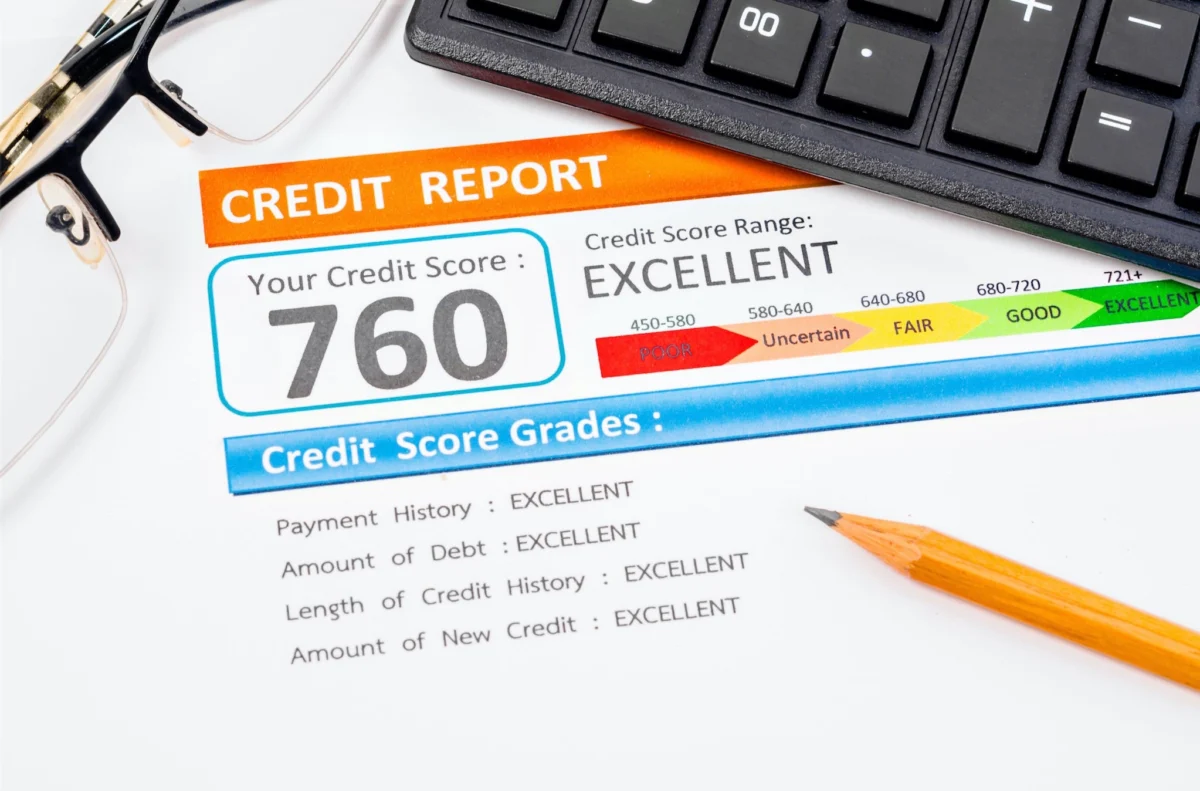
At its essence, a credit score is a mathematical representation of a consumer’s risk level to a lender. While various scoring models exist—most notably FICO and VantageScore—they generally rely on five fundamental pillars of financial behavior.
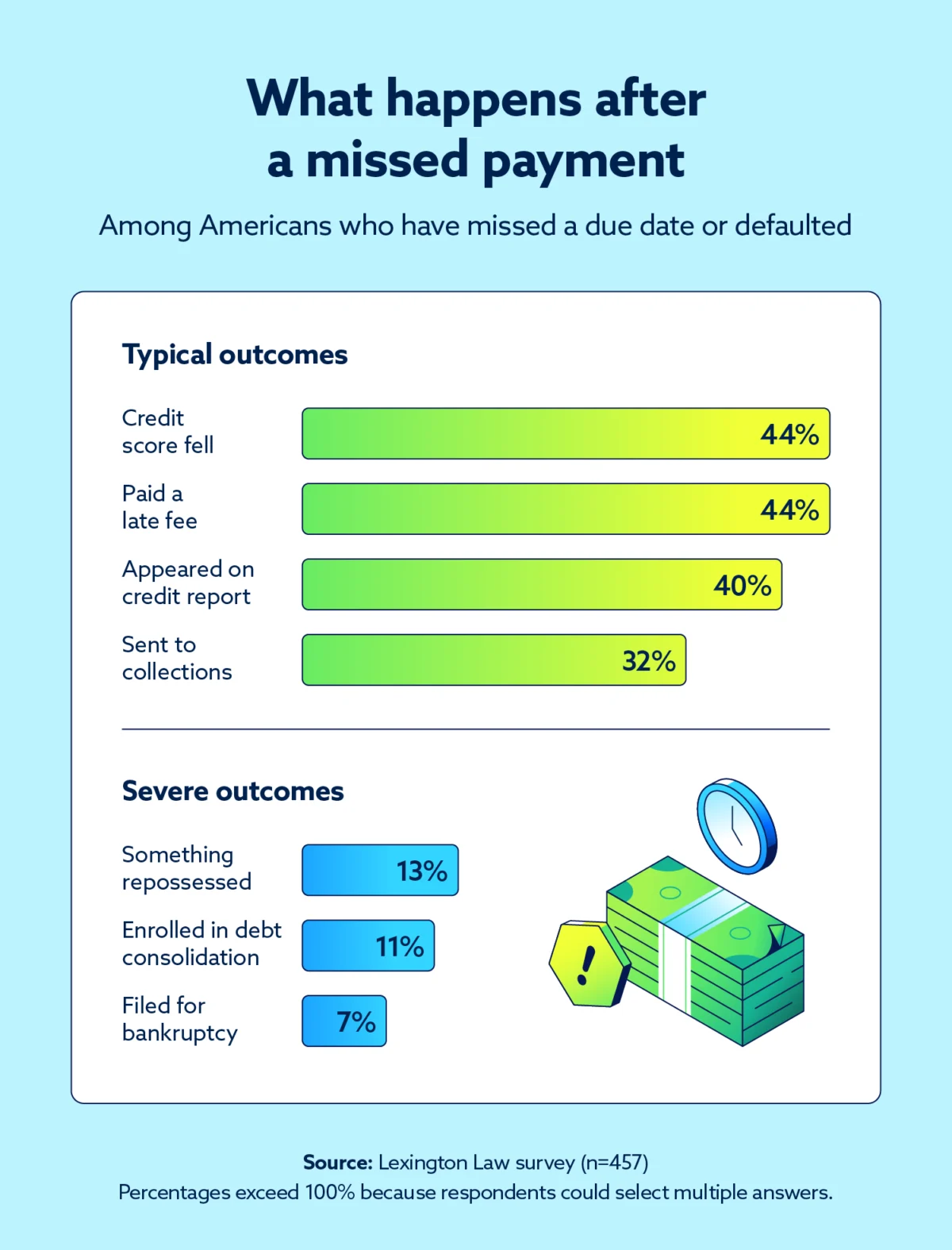
- Payment Punctuality: This is the single most influential factor in any credit model. A history of paying bills on time signals to lenders that a borrower is reliable. Conversely, even a single payment that is 30 days late can cause a significant drop in a score, remaining on a credit report for up to seven years.
- The Credit Utilization Ratio: This metric measures the amount of revolving credit currently being used against the total available limit. Experts generally advise keeping this ratio below 30%, though those with the highest scores often maintain utilization in the single digits.
- Strategic Inquiry Management: Every time a consumer applies for credit, a "hard inquiry" is recorded. While a single inquiry has a marginal and temporary impact, a cluster of applications in a short window can signal financial distress or impulsivity to lenders.
- Bureau Transparency and Accuracy: Credit reports are not infallible. Regular monitoring is essential to identify inaccuracies, fraudulent activity, or outdated information that could be unfairly suppressing a score.
- The Element of Time: Credit scores are designed to reward longevity. The age of accounts and the consistency of positive habits over years, rather than weeks, provide the most substantial boosts to financial credibility.
The Chronology of Credit: From Manual Ledgers to Algorithmic Assessment
To understand how to improve credit today, one must understand how the system reached its current state. Historically, creditworthiness was determined through personal relationships between local bankers and community members. This subjective process was often inconsistent and prone to bias.
The modern era began in the late 1950s with the founding of Fair, Isaac and Company (now FICO), which introduced a standardized objective scoring system. By 1989, the FICO score became the industry standard, revolutionizing how risk was calculated.
In the 1970s, the United States government recognized the need for consumer safeguards, passing the Fair Credit Reporting Act (FCRA). This landmark legislation gave consumers the right to see their reports and dispute inaccuracies. Today, the process has moved entirely into the digital realm, with "soft inquiries" (checking one’s own score) becoming instantaneous and free, allowing for the kind of proactive management that was impossible thirty years ago.
The timeline for improvement remains, however, a slow-moving arc. While a score can drop overnight due to a missed payment, rebuilding that score typically takes months of "positive reporting" to balance the scales.
Supporting Data: Deconstructing the Scoring Model
Understanding the weight of different financial behaviors is crucial for prioritizing credit-building efforts. According to the FICO model, which is used by 90% of top lenders, the breakdown is as follows:
- Payment History (35%): The heaviest hitter. This includes credit cards, retail accounts, installment loans, and mortgage loans.
- Amounts Owed (30%): This looks at total debt and utilization. High utilization across multiple cards is a major red flag.
- Length of Credit History (15%): This considers the age of your oldest account, the age of your newest account, and the average age of all your accounts.
- Credit Mix (10%): Lenders like to see that you can handle different types of credit (e.g., a credit card, a car loan, and a mortgage).
- New Credit (10%): This tracks how many new accounts you have opened recently and the number of hard inquiries on your report.
Data from the Consumer Financial Protection Bureau (CFPB) suggests that millions of Americans are "credit invisible" or have "unscorable" files, often because they lack a diverse mix of accounts or long-term history. Furthermore, a 2021 study by Consumer Reports found that more than one-third of participants found errors in their credit reports, highlighting the critical need for regular review.
Expert Perspectives and Official Responses
Professional consumer advocates, such as the team at Lexington Law, point out that many consumers are unaware of their rights under federal law. They note that the Fair Credit Reporting Act (FCRA), the Fair Credit Billing Act (FCBA), and the Fair Debt Collection Practices Act (FDCPA) provide a framework for consumers to challenge unfair or inaccurate negative items.
"Improving your credit is not about quick fixes or ‘gaming’ the system," says a representative perspective from the credit repair industry. "It is about ensuring that the story your credit report tells is 100% accurate, fair, and substantiated. When errors occur—and they do frequently—it is the consumer’s right to have those errors corrected."

Official responses from the major credit bureaus (Equifax, Experian, and TransUnion) emphasize the importance of the "Annual Credit Report" program, which allows consumers to access their files for free. During the COVID-19 pandemic, this access was expanded to weekly reports, a change that has largely been maintained to help consumers navigate economic volatility.
Lenders, on the other hand, maintain that while they are open to working with borrowers, the "risk-based pricing" model remains essential. This means that those with lower scores will inevitably pay more for the same products, a fact that underscores the economic necessity of score optimization.
Socio-Economic Implications: The Real-World Cost of Credit
The implications of one’s credit score extend far beyond the walls of a bank. In the modern economy, a credit score is a proxy for general reliability, impacting several unexpected areas of life:
1. The Cost of Capital
A consumer with a "Poor" credit score (under 580) might be denied a mortgage entirely. A consumer with a "Fair" score (580-669) might be approved but at an interest rate 2% to 3% higher than someone with an "Exceptional" score (800+). Over a 30-year mortgage, this difference can amount to hundreds of thousands of dollars in excess interest.
2. Employment and Housing
Many employers, particularly in the financial or government sectors, conduct credit checks as part of the hiring process. They view a history of late payments as a potential indicator of stress or lack of organizational skills. Similarly, in competitive rental markets, landlords often prioritize applicants with higher credit scores, viewing them as lower-risk tenants.
3. Insurance and Utilities
In many states, auto and homeowners’ insurance companies use "credit-based insurance scores" to help determine premiums. Statistics suggest a correlation between credit history and the likelihood of filing a claim. Additionally, utility companies may require substantial security deposits from customers with low credit scores before turning on electricity or water services.
Frequently Asked Questions and Strategic Advice
Q: Does closing an old credit card help your score?
A: Usually, no. Closing an old account can shorten your average credit age and reduce your total available credit, which may actually increase your utilization ratio and lower your score.
Q: Can I rebuild my credit after a bankruptcy or foreclosure?
A: Yes. While these are significant negative events, their impact diminishes over time. By establishing new, small lines of credit and maintaining a perfect payment record, consumers can see their scores begin to recover well before the negative mark falls off the report.
Q: Is there a "quick fix" for a low score?
A: No legitimate "quick fix" exists. However, "Rapid Rescoring" (available through lenders during a mortgage application) or correcting a major error on a report can lead to faster-than-average improvements.
Conclusion: Building Confidence Through Awareness
As Credit Awareness Month serves to remind us, financial literacy is a form of empowerment. Improving a credit score is a journey of small, disciplined actions: setting up autopay to ensure punctuality, keeping balances low to show restraint, and monitoring reports to ensure fairness.
Understanding the laws that protect consumers allows individuals to take an active role in their financial destiny. By treating credit management as a long-term strategy rather than a short-term hurdle, consumers can build the confidence needed to navigate the complexities of the modern financial landscape, turning their credit score from a barrier into a bridge toward their future goals.