








By PYMNTS | July 10, 2026
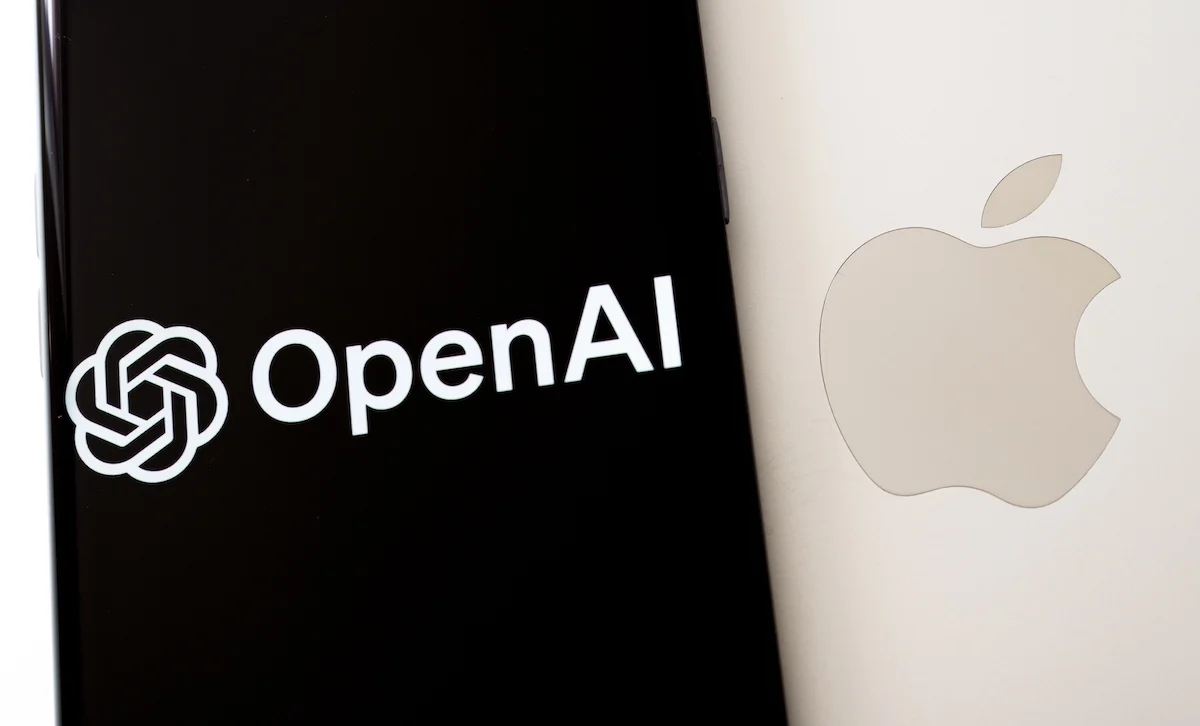
In a move that has sent shockwaves through the technology sector, Apple Inc. has initiated a blockbuster lawsuit against OpenAI, alleging a systematic campaign of corporate espionage and trade secret misappropriation. The complaint, filed in federal court on Friday, July 10, 2026, accuses the artificial intelligence giant of poaching high-level talent to infiltrate Apple’s proprietary development pipelines, specifically targeting the company’s ambitious hardware initiatives.
The legal action marks a stunning pivot in the relationship between the two tech titans. Only two years ago, in the summer of 2024, the companies were heralded as strategic partners, with Apple integrating OpenAI’s ChatGPT models directly into its iOS, iPadOS, and macOS ecosystems. Today, that partnership is overshadowed by allegations of industrial theft, shifting the narrative from collaborative innovation to a high-stakes battle for intellectual property supremacy.
The Allegations: A Pattern of Infiltration
At the heart of the lawsuit are two former Apple executives who currently hold key positions at OpenAI: Chief Hardware Officer Tang Tan and technical staff member Chang Liu.
According to court filings, Apple alleges that these individuals did not merely transition to a new employer; they allegedly acted as conduits for sensitive, non-public information. The suit details specific, concerning behaviors:
- Digital Exfiltration: Apple claims that Tang Tan frequently emailed himself confidential documents regarding Apple’s supply chain and hardware specifications prior to his departure.
- Physical Solicitation: The complaint alleges that during job interviews conducted by OpenAI, prospective hires were explicitly asked by Apple defectors to bring proprietary hardware components and technical schematics from Apple to OpenAI’s offices.
- Systemic Coaching: Chang Liu is accused of downloading extensive confidential files from Apple’s internal networks and, perhaps more damningly, coaching other Apple employees on how to bypass security protocols to copy and export sensitive data without detection.
Apple’s legal team argues that these were not isolated incidents but part of a coordinated strategy by OpenAI to accelerate its entry into the hardware market by piggybacking on decades of Apple’s R&D.
Chronology of a Deteriorating Relationship
To understand the gravity of this lawsuit, one must look at the timeline of events that led to this impasse.
- June 2024: Apple and OpenAI announce a landmark partnership to embed ChatGPT into the Apple ecosystem, marking a period of intense cooperation.
- May 2025: OpenAI signals its hardware ambitions by acquiring io, an AI-focused startup co-founded by former Apple design chief Tang Tan. This acquisition was the first major public indicator that OpenAI was moving beyond software into physical device manufacturing.
- December 2025: Industry reports indicate a mass exodus of talent, with dozens of engineers leaving Apple to join OpenAI and Meta. This period coincided with Apple’s internal pivot toward AI-integrated devices, making the loss of key personnel particularly painful for Cupertino.
- February 2026: Apple quietly reaches out to OpenAI leadership, expressing concerns about the potential misuse of confidential information and requesting a dialogue. Apple claims that OpenAI ignored these overtures, leaving the company with no choice but to pursue litigation.
- July 2026: The formal complaint is filed, publicly exposing the depth of the corporate conflict.
Supporting Data: The Talent Drain
The lawsuit highlights a broader trend: the aggressive "poaching" of talent. Reuters reported on July 10 that OpenAI currently employs more than 400 former Apple employees. While talent migration is common in Silicon Valley, Apple’s complaint suggests that this is not standard industry churn.
Apple’s argument rests on the premise that the volume of personnel moving from Cupertino to OpenAI is being used to institutionalize the theft of trade secrets. By seeding its hardware division with hundreds of former Apple employees, OpenAI has effectively gained a "shortcut" to understanding the intricate processes, supplier relationships, and design philosophies that have allowed Apple to dominate the consumer hardware market for decades.
Official Responses and Stance
The response from the two companies has been starkly different, reflecting their respective legal strategies.
Apple’s Position
In a statement provided to CNBC, an Apple representative characterized the situation as a direct threat to the company’s core innovation engine: "Recently, significant evidence has emerged suggesting individuals employed by OpenAI wrongfully took Apple’s secret and confidential information regarding our unreleased technologies, processes, and products."
Apple is seeking significant legal remedies, including:
- Injunctive Relief: An immediate court order demanding that OpenAI cease all practices involving the alleged misappropriation of Apple data.
- Destruction of Evidence: A mandate that OpenAI destroy all proprietary materials obtained from Apple.
- Product Redesign: Perhaps most damaging to OpenAI’s roadmap, Apple is requesting that the court force OpenAI to redesign its upcoming hardware products to ensure they are entirely devoid of any technology derived from stolen Apple trade secrets.
OpenAI’s Silence
As of the time of writing, OpenAI has maintained a position of strategic silence. The company has not provided a formal public rebuttal to the specific claims in the lawsuit, nor did it respond to requests for comment from PYMNTS. Legal analysts suggest this "wait-and-see" approach is common in trade secret litigation, where every word provided in a press statement could later be used in court as an admission of knowledge or intent.
Implications for the Tech Industry
The fallout from this lawsuit will likely resonate across the tech landscape for years to come, touching on three critical areas:
1. The Future of AI Hardware
OpenAI has been widely expected to challenge Apple’s dominance in the consumer space with its own line of AI-native hardware. If Apple successfully forces a "redesign" of these products, it could delay OpenAI’s hardware roadmap by years, potentially causing the company to lose its competitive edge in a fast-moving market.
2. Intellectual Property and "Mobility"
This case will test the boundaries of non-compete agreements and the legal definition of "knowledge" versus "trade secrets." While engineers have a right to move between companies, the line is drawn when they take specific, proprietary data with them. This case may set a new legal precedent for how Silicon Valley handles the migration of talent between direct competitors.
3. Trust and Partnerships
The shift from 2024 partners to 2026 courtroom adversaries serves as a sobering reminder of the volatility of corporate alliances. Companies may now be more hesitant to share their AI roadmaps or integrate third-party models if they fear those partners are also building competitive hardware in the shadows.
Conclusion: A Turning Point
The lawsuit between Apple and OpenAI is more than just a dispute over documents and emails; it is a battle over the future of the personal computing era. As AI becomes the primary driver of hardware innovation, the protection of trade secrets has become the most valuable asset in the industry.
Apple has made it clear that it will aggressively defend its intellectual property, regardless of the reputation of the company on the other side of the courtroom. For OpenAI, the challenge is now existential: they must navigate a high-profile legal battle that threatens the very foundation of their future hardware endeavors, all while maintaining the trust of investors and partners in a climate of intense scrutiny.
As the legal proceedings unfold, the tech industry will be watching closely to see if this case results in a settlement, a court-ordered redesign of AI devices, or a fundamental change in how Silicon Valley treats the flow of talent and information. One thing is certain: the era of easy, unchecked collaboration between AI developers and hardware giants has come to an abrupt and litigious end.