









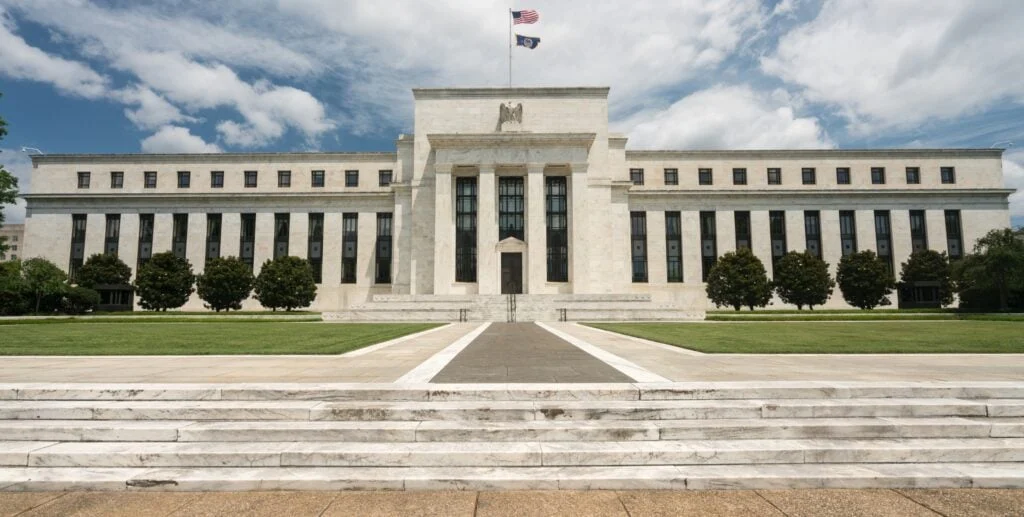
Real estate investors who were banking on a swift pivot from the Federal Reserve have been met with a stark reality: the era of "easy money" is not merely on pause—it has been effectively dismantled. As the U.S. economy grapples with the lingering effects of global geopolitical instability and stubborn inflationary pressures, the tenure of new Federal Reserve Chair Kevin Warsh has begun with a decisive, hawkish tone that has caught many market participants off guard.
For the small landlord, the private investor, and the burgeoning real estate entrepreneur, the message is clear: the "magic wand" of interest rate cuts is not appearing. Instead, we are entering a period defined by higher-for-longer borrowing costs, requiring a total recalibration of investment strategies.
The Shift in Monetary Policy: From Hope to Hawkishness
The transition to Kevin Warsh’s leadership at the Federal Reserve was initially met with speculation regarding a potential softening of monetary policy. During his time as a commentator and prior to his appointment, Warsh had occasionally signaled a preference for more flexible rate environments. However, the convergence of high inflation and the ongoing, unresolved conflict in the Middle East has forced a dramatic reversal.
Warsh has made a clear "180-degree turn" from his previous rhetoric. In recent press conferences, his language has mirrored the strict, inflation-fighting posture of his predecessor, Jerome Powell. "Persistently high prices are a burden for the American people, but the recent past need not be prologue," Warsh told reporters recently. "This committee will deliver price stability."
This commitment to stability, while economically sound in the eyes of central bankers, serves as a sobering signal for the housing market. By keeping rates steady at the most recent meeting and leaving the door open for potential hikes in the coming months, the Fed has signaled that it is willing to prioritize long-term inflation control over the short-term relief of the housing sector.
A Chronology of the Current Malaise
To understand how we arrived at this juncture, one must look at the timeline of the last twelve months:
- Early 2026: Markets began to price in an expectation that the Fed would pivot by mid-year, fueled by optimism that inflation had peaked.
- Spring 2026: Geopolitical tensions, particularly the escalation of the war in Iran, disrupted global supply chains and energy markets, injecting a new wave of volatility into the U.S. economy.
- June 2026: The appointment of Kevin Warsh as Fed Chair occurred during a period of market instability. Initial hopes for immediate rate relief were quickly quelled during his inaugural policy statements.
- July 2026: Economic indicators showed that while house prices were beginning to soften, consumer costs—including insurance, taxes, and maintenance materials—remained elevated, squeezing the margins of rental property owners.
This progression demonstrates that the "malaise" currently felt by real estate investors is not a localized phenomenon but a global economic reaction to a shifting geopolitical landscape.
Supporting Data: The Cooling Housing Market
While the cost of capital remains high, the housing market itself is experiencing a significant, albeit painful, adjustment. Data from Realtor.com for May 2026 paints a picture of a sector in transition. The national median listing price has now fallen for seven consecutive months, reflecting a 2.4% year-over-year decrease to approximately $429,500.
This represents the sharpest annual decline in the platform’s data since 2017. The implications are twofold:
- Seller Reality Check: Homeowners who enjoyed the rapid appreciation of the post-pandemic years are finally coming to terms with the reality of buyer affordability.
- The Buyer’s Dilemma: While listing prices are trending downward, the "cost to buy" remains elevated due to the high-interest-rate environment.
Chen Zhao, head of economics research at Redfin, noted: "We’re in a new era, and it’s going to take a while for markets to figure out exactly how to react. But one thing is clear: The committee as a whole is taking inflation very seriously, which means mortgage rates are unlikely to retreat much in the near future."
Official Responses and Forecasts
The financial industry is preparing for a "higher-for-longer" scenario that could extend well into 2027. Major financial institutions, including Bank of America and Deutsche Bank, have issued notes suggesting that the Fed may not be done with its hiking cycle.
Reuters reports that some analysts anticipate potential 25-basis-point hikes in September, October, and December. If realized, this would represent the most aggressive move since the onset of the post-pandemic inflation spike. Analysts at BofA stated, "June’s Summary of Projections and Warsh’s comments indicate that the Fed’s reaction function is much more hawkish than we thought."
Implications for the Small Landlord
For the individual investor, the "old playbook" is now obsolete. The mantra of "date the rate and marry the house" carried an implicit assumption that homeowners could eventually refinance into a lower-rate mortgage once the Fed eased policy. In the current climate, that gamble is dangerous.
The Cash-Flow Conundrum
Investors who rely on thin margins are particularly vulnerable. With interest rates likely to stay high, the cost of debt service is consuming a larger portion of rental income. Furthermore, secondary expenses—property taxes, insurance premiums, and maintenance costs—are rising, further compressing net operating income (NOI).
The Rental Silver Lining
Despite the headwinds, there is a structural benefit to the current environment. Because high mortgage rates are making homeownership unattainable for many, the demand for rental units remains robust. A recent survey by 2-10 Home Buyers Warranty reveals that 44% of current renters view renting as a long-term lifestyle choice rather than a temporary step toward ownership. This ensures a consistent pipeline of tenants, provided the property is priced and managed correctly.
Strategic Pivot: Surviving and Thriving
Investors who wish to succeed in this environment must adopt a "conservative-first" strategy. Here is how to navigate the current climate:
- Prioritize Cash Reserves: Liquidity is the primary defense against market volatility. Ensure you have significant cash reserves to cover unexpected maintenance, extended vacancies, or insurance hikes.
- Focus on Fundamental Markets: Avoid speculative markets that saw massive, artificial growth during the pandemic. Focus instead on regions with strong local economies, consistent job growth, and favorable tax-to-rent ratios—often found in the Midwest.
- Negotiation as a Tool: Because many sellers are facing the same reality-check regarding affordability, there is room for aggressive negotiation. The lack of buyer competition allows savvy investors to secure properties at deep discounts.
- Avoid Over-Leverage: If the math doesn’t work at current interest rates, do not purchase the property under the assumption that a future refinance will save you. If you cannot afford to hold the asset long-term at today’s rates, it is not a viable deal.
- Operational Efficiency: Every dollar matters. Reduce overhead by self-managing where possible, contesting property tax assessments, and shopping aggressively for insurance policies.
Final Thoughts: The Best and Worst of Times
Charles Dickens’ famous opening to A Tale of Two Cities—"It was the best of times, it was the worst of times"—perfectly encapsulates the current real estate market.
For the cash-rich investor, this is a golden opportunity to acquire assets at prices that have not been seen in years. For the leveraged investor, it is a period of extreme risk that requires a disciplined, conservative, and long-term outlook.
As we look toward the end of 2026, the guidance from the Federal Reserve remains unambiguous. We have entered a new epoch of monetary policy. The era of cheap debt has ended, and in its place, success will be determined not by market timing or speculative growth, but by fundamental value, operational rigor, and the ability to weather the storm without the safety net of a looming refinance. Those who adapt to these realities will be the ones standing when the market eventually stabilizes.