






WASHINGTON — July 7, 2026 — As the United States grapples with a summer marked by record-breaking, above-normal temperatures, a dangerous public health crisis is simmering in the background: the systematic disconnection of essential utility services for millions of Americans.
A newly released report from the National Consumer Law Center (NCLC), Protecting Access to Essential Utility Service During Extreme Heat and Climate Change, highlights a stark regulatory failure. While most states maintain robust protections against utility shut-offs during the freezing winter months, the majority of the country offers no such safeguards against the life-threatening consequences of extreme heat. As heatwaves intensify, advocates are calling for an immediate policy overhaul to ensure that air conditioning remains a life-saving necessity, not a luxury for the wealthy.
The Reality of Energy Insecurity: Main Facts
The data paints a grim picture of the American energy landscape. According to the U.S. Energy Information Administration (EIA), nearly 30 percent of the U.S. population currently struggles with the unaffordability of essential utility services. This is not merely a budgetary inconvenience; for millions, it is a choice between keeping the lights on or paying for life-saving medication and groceries.
The core of the issue lies in the disparity between cold-weather and warm-weather protections. While winter shut-off moratoria are common, only 19 states and Washington, D.C., have implemented regulations to prevent utility disconnections during extreme heat events. This leaves the vast majority of the country—including states in the Sunbelt like Florida, which face sustained, life-threatening humidity and heat—without a legal shield against utility companies cutting off power to households that fall behind on payments.
Chronology of a Growing Climate Threat
The escalation of this crisis can be traced through the intersection of climate change and economic instability over the past decade:
- 2018–2022: As climate change accelerated, the frequency and duration of heatwaves began to trend upward. During this period, utility rate hikes consistently outpaced wage growth for low-income households, creating a widening "energy gap."
- 2023: Federal agencies began reporting a significant spike in heat-related emergency room visits, with a notable correlation between low-income neighborhoods and higher urban heat island effects.
- 2024: The NCLC and other advocacy groups noted a record number of "energy poverty" complaints filed with state utility commissions, as post-pandemic inflation made basic energy bills untenable for a significant percentage of the working class.
- July 2026: With temperatures across the nation shattering historical averages, the NCLC released its updated policy roadmap, marking a turning point in the national conversation. Advocates are now moving beyond requests for voluntary utility programs, demanding instead that heat-related protections be codified into law at the federal and state levels.
Supporting Data: Who Is Most at Risk?
The NCLC report provides a granular look at which populations are bearing the brunt of this policy failure. The risk factors are not distributed equally.
The Demographic Breakdown
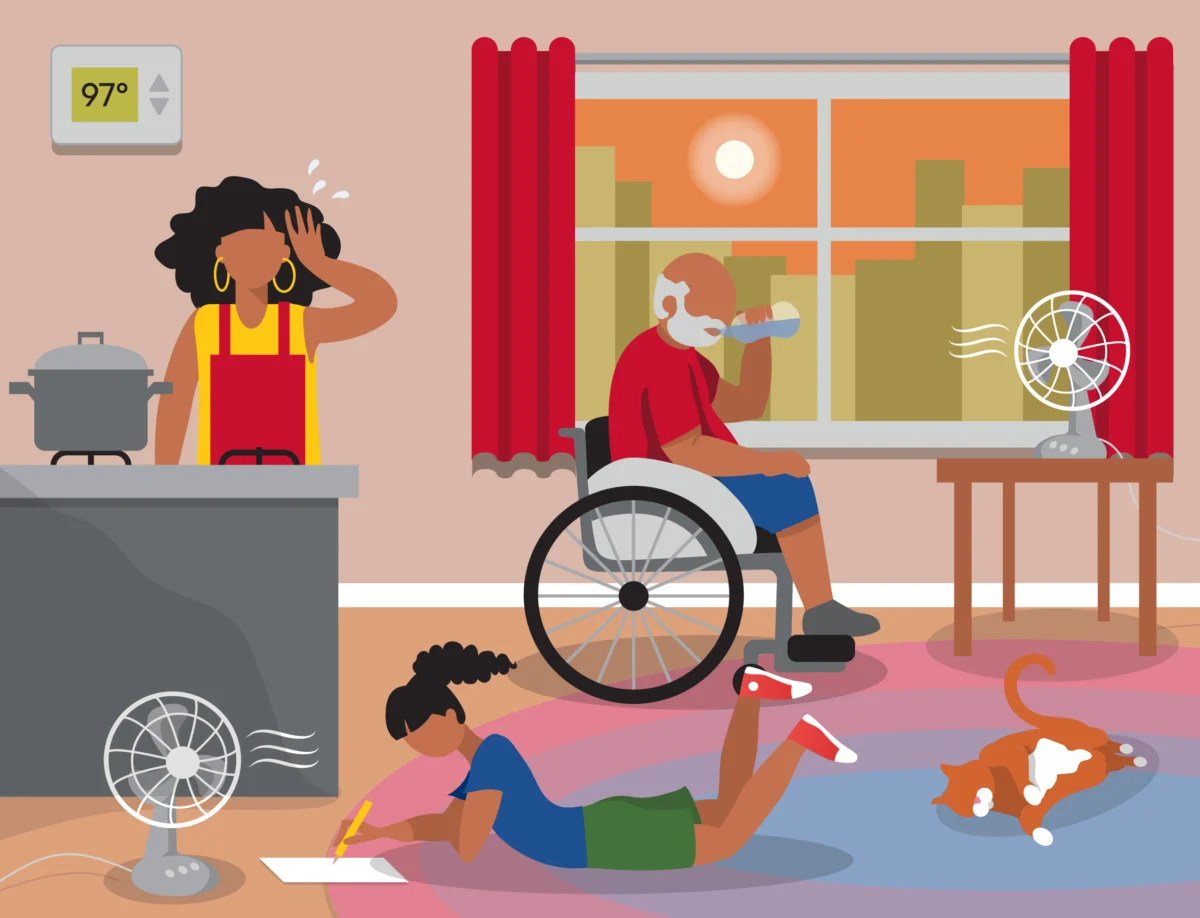
The data indicates that three primary groups are at the highest risk for heat-related mortality:
- Older Adults: Biological changes in the aging body make it significantly harder for seniors to regulate internal temperatures.
- Households with Children: Pediatric health experts emphasize that children are particularly vulnerable to dehydration and heat exhaustion.
- Chronic Health Sufferers: Individuals with cardiovascular or respiratory conditions often find that their health deteriorates rapidly when their indoor environment exceeds safe temperature thresholds.
Furthermore, systemic disparities mean that communities of color are disproportionately affected. Historical redlining and disinvestment have left many minority communities in urban centers with less tree canopy and more concrete, creating "heat islands" that can be 10–15 degrees hotter than wealthier, greener suburbs. When these families are unable to pay their bills, they are not just losing a service; they are losing their primary defense against a hostile environment.
The Behavioral Impact
Financial desperation is forcing consumers into dangerous behaviors. Many families, fearing an exorbitant bill at the end of the month, are choosing to keep their air conditioning off even as temperatures climb into the triple digits. This "self-rationing" is a direct response to the fear of disconnections. The NCLC notes that for the financially vulnerable, the fear of the "shut-off notice" is a source of chronic, toxic stress that permeates every aspect of household decision-making.
Official Responses: The Call for Legislative Reform
Karen Lusson, a senior attorney at the NCLC and the lead author of the report, has been vocal about the moral imperative of this issue.
"The need to ensure uninterrupted utility service has only grown in recent years, along with inflation and other affordability concerns," Lusson said during the report’s release in Washington. "Policymakers and regulators must address the unaffordability of essential utility service, and the need for continued access, particularly for groups of people at increased risk of heat stroke and even death during intense heat."
Lusson’s argument focuses on the "antiquated practice" of disconnecting customers. She posits that in the 21st century, electricity is not a luxury good; it is a fundamental utility required for basic survival. To disconnect a customer for an inability to pay is to punish them for being poor—a practice that, in the era of climate change, is increasingly lethal.
Proposed Policy Shifts
The NCLC report advocates for a multi-pronged approach to reform, including:
- Mandatory Moratoria: Extending state-level protections to ensure that no electricity or gas is disconnected during heat advisories or when temperatures exceed a certain threshold.
- Fair Treatment Protocols: Implementing flexible payment plans and "arrearage management" programs that allow customers to pay off debts without the threat of immediate shut-off.
- Data Transparency: Requiring utility companies to provide clearer data on how many households are disconnected during extreme weather events, allowing regulators to track the public health impact.
- Federal Funding: Increasing appropriations for the Low Income Home Energy Assistance Program (LIHEAP) and expanding weatherization programs to ensure that homes are energy-efficient and capable of retaining cool air, thereby reducing the total cost of energy usage.
Implications: The Future of Energy Policy
The implications of failing to act are significant. As the climate continues to shift, the definition of "essential service" must evolve.
The Cost of Inaction
If policymakers continue to leave utility disconnections to the discretion of individual utility companies, the burden will inevitably shift to the public health sector. Emergency room visits, heat-related hospitalizations, and premature deaths place a strain on public resources that far outweighs the cost of subsidizing utility bills for the most vulnerable.
A New Standard for Utility Regulation
The NCLC report serves as a wake-up call to state utility commissions across the country. It suggests that regulators must transition from a "profit-first" mentality to one that considers the "social cost of carbon and heat." This involves shifting the regulatory focus toward affordability and reliability for all, regardless of socioeconomic status.
The report also highlights the necessity of long-term infrastructure investment. By focusing on weatherization—such as better insulation, efficient windows, and the installation of heat pumps—policymakers can reduce the energy burden on low-income families permanently. When a home is well-insulated, it requires less electricity to remain cool, thereby mitigating the risk of unaffordable bills.
Conclusion: Moving Toward Equitable Access
The summer of 2026 is likely to be remembered as a pivotal moment for energy policy. With the backing of the NCLC’s findings, the momentum for legislative change is building. Advocates are pushing for a federal standard that recognizes the right to basic utility access as a cornerstone of public health.
As Karen Lusson emphasized, "Lawmakers must address unaffordable electric and gas utility rates and protect vulnerable households from the antiquated practice of disconnecting customers."
Ultimately, the goal is to bridge the gap between our current regulatory framework and the realities of a warming world. Whether or not lawmakers rise to this challenge will determine the safety, health, and dignity of millions of Americans in the years to come. The era of viewing utility access as a purely commercial transaction must end; the era of viewing it as a public health imperative has already begun. The question remains whether our legal and regulatory systems will catch up before the next heatwave claims more lives.