








With over five million miles logged across the globe, the life of a frequent flyer is often defined by the mundane: the ritual of boarding, the hum of jet engines, and the predictability of airline service. For the seasoned traveler, the vast majority of flights blur into a series of seamless transits. However, even the most meticulous planning cannot account for the occasional, singular flight that defies logic, safety protocols, and the basic tenets of hospitality.
While many associate "bad" flights with limited legroom or the inconveniences of low-cost carriers, true aviation nightmares transcend simple discomfort. This report examines a selection of profoundly memorable, high-stakes, and bizarre flight experiences. These incidents—ranging from life-threatening meteorological encounters to surreal, ego-driven confrontations—offer a window into the volatile nature of air travel.
The Anatomy of an Aviation Crisis: A Chronology of Notorious Flights
The following cases represent a cross-section of incidents that stand out, not for their lack of luxury, but for their sheer deviation from professional standards and safety norms.
1. The Royal Jordanian "Flight from Hell" (2013)
In March 2013, a routine fifth-freedom flight from Bangkok to Hong Kong aboard a Royal Jordanian A330 transformed into a harrowing ordeal. What began as a standard regional hop rapidly devolved into a life-or-death struggle against extreme meteorological conditions.
For 30 minutes, the aircraft was trapped in a low-altitude holding pattern, battered by relentless turbulence and severe hail. The experience, described by witnesses as something lifted from an Air Crash Investigation episode, stripped away the veneer of modern aviation security. The cabin was defined by the sound of passengers in distress and the sight of flight attendants sobbing in their jump seats. The gravity of the situation was underscored by a crew member’s later admission that the captain had remarked it was his final flight. The psychological impact was profound, manifesting in a lingering, debilitating fear of flying that persisted for nearly a year.
2. China Southern’s First Class Disconnect (2014)
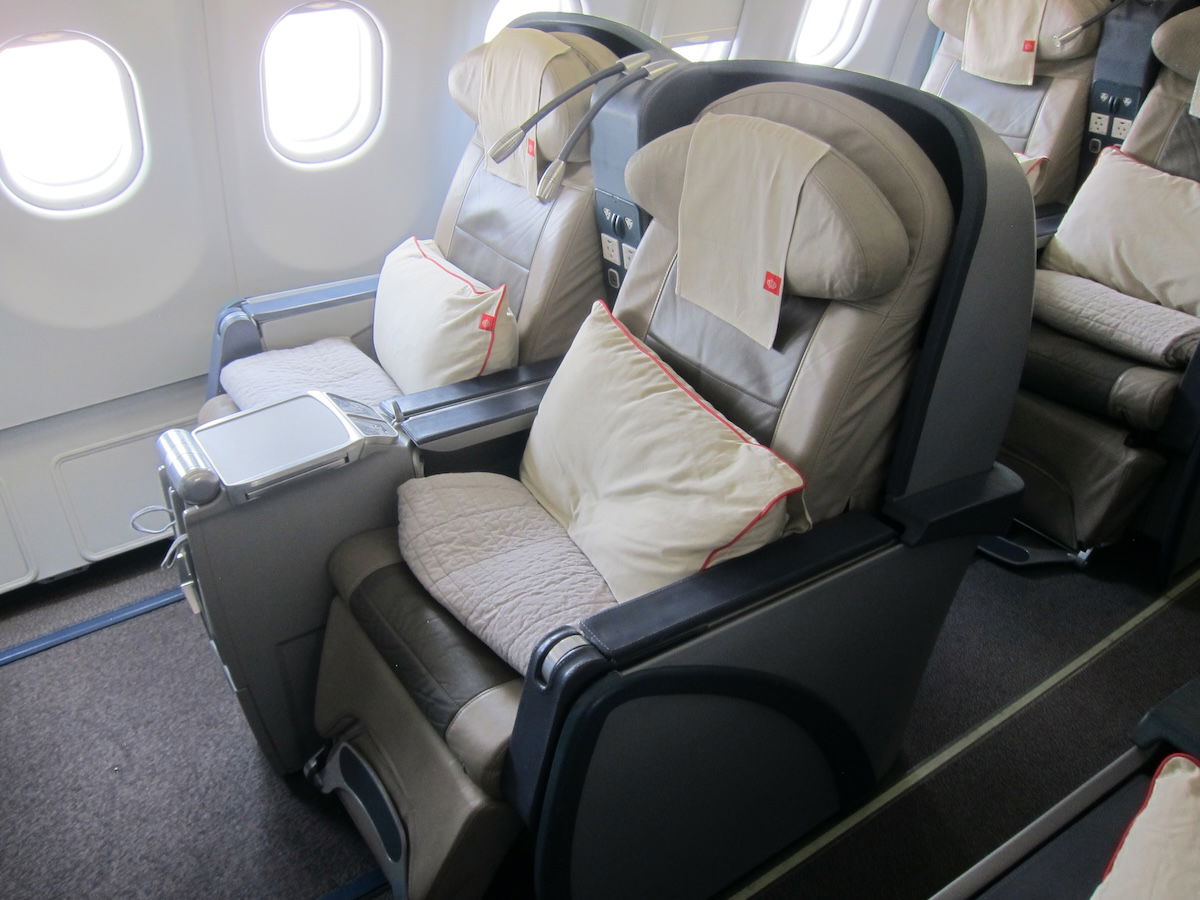
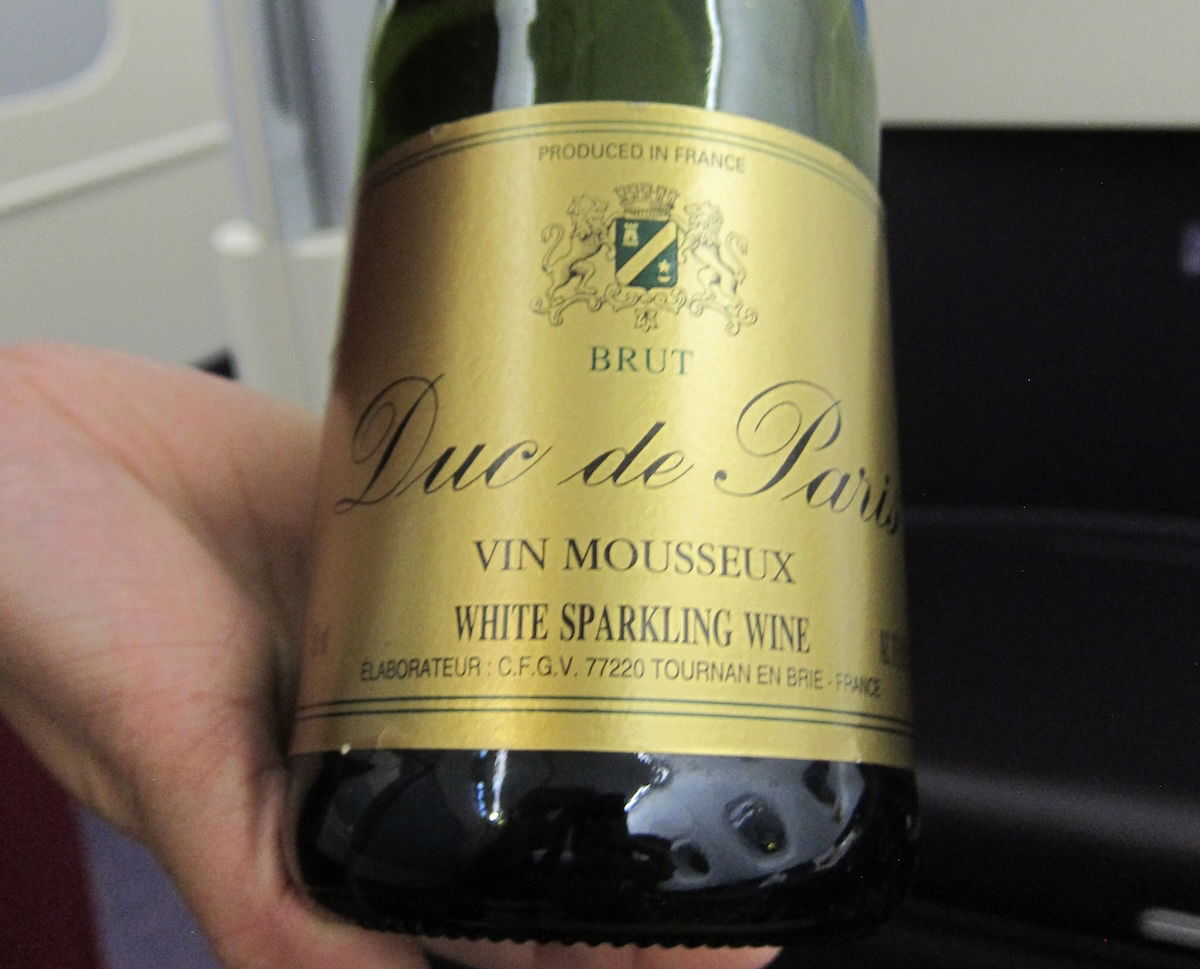
In February 2014, a flight from Los Angeles to Guangzhou aboard a China Southern A380 served as a case study in the perils of poor brand management. Despite the promise of a premier first-class product, the experience was marred by a fundamental lack of investment in training and service quality. The decision to serve a budget-tier sparkling wine—Duc de Paris, retailing for roughly $5—as the flagship champagne on a premium route became a symbol of the airline’s misalignment. The resulting public critique led to a significant internal fallout, including reported disciplinary action against the crew, highlighting the fragile relationship between service expectations and corporate accountability.
3. The TAAG Angola Airlines Confrontation (2018)
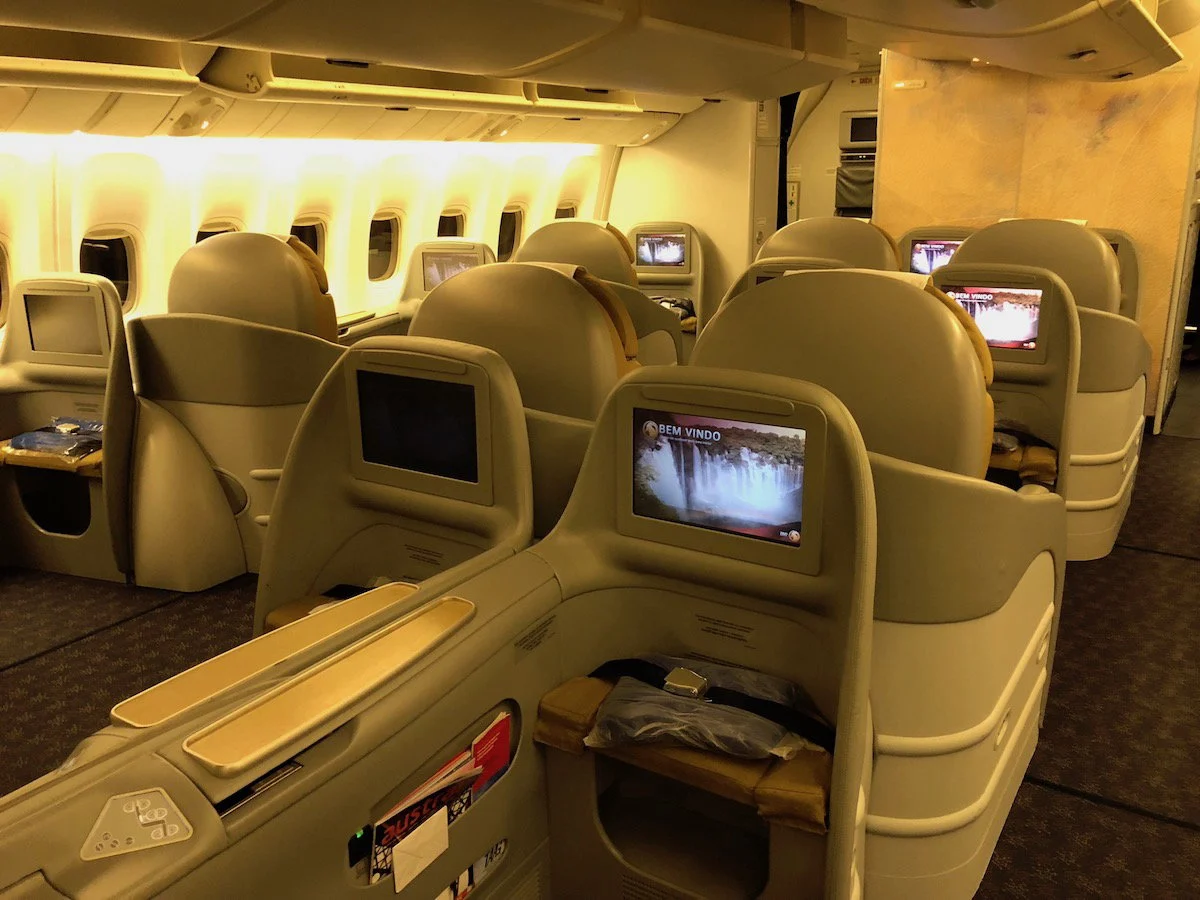
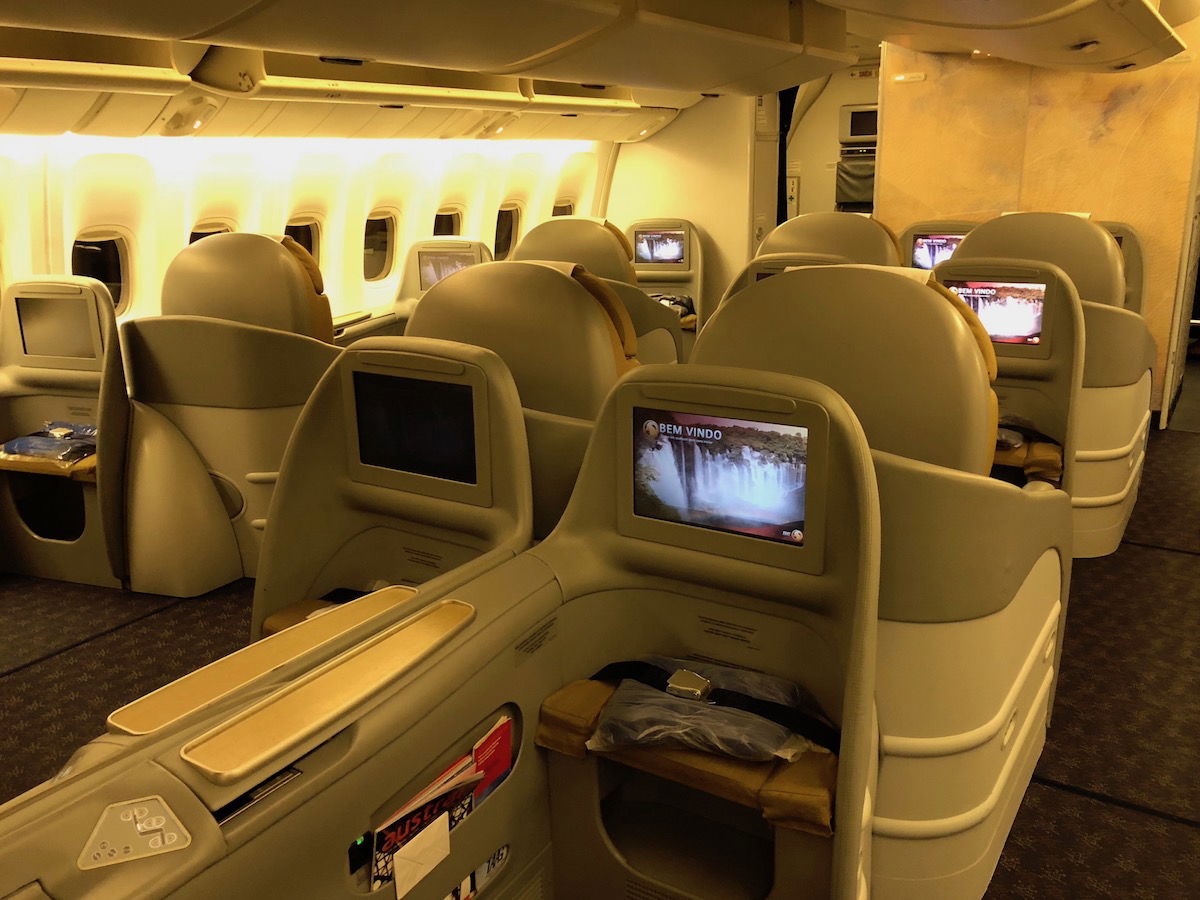
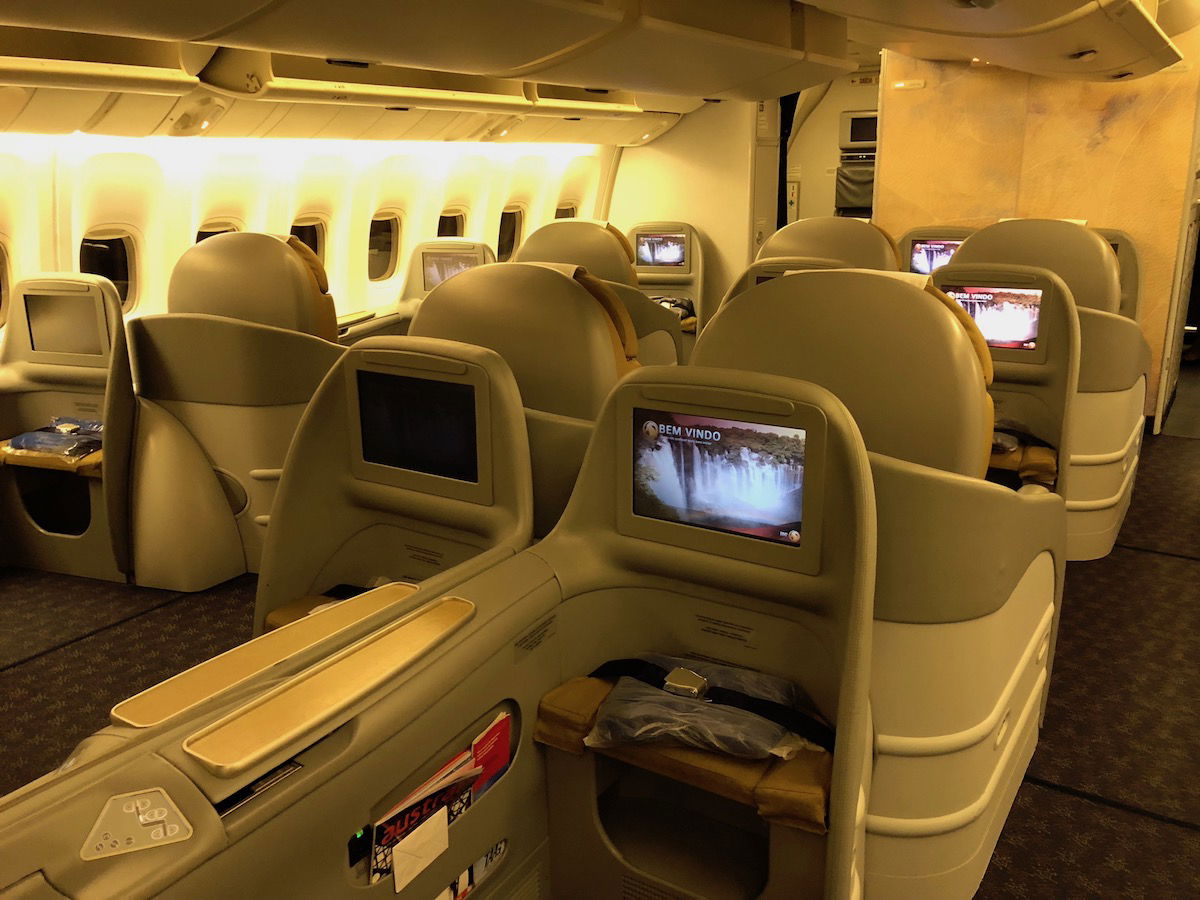
In March 2018, an attempt to document the TAAG Angola Airlines 777 first-class experience resulted in an aggressive confrontation with senior cabin staff. The purser, apparently suspicious of photographic documentation, initiated an invasive interrogation, demanding the deletion of images and an inspection of personal devices. Beyond the breach of privacy, the service standard was notably hostile. Upon waking, the passenger was not offered hospitality, but rather a reprimand regarding the speed of his breakfast consumption. The incident underscored a stark disparity in service culture, where staff were prioritized over paying customers.
4. Lufthansa and the Accusation of Espionage (2018)
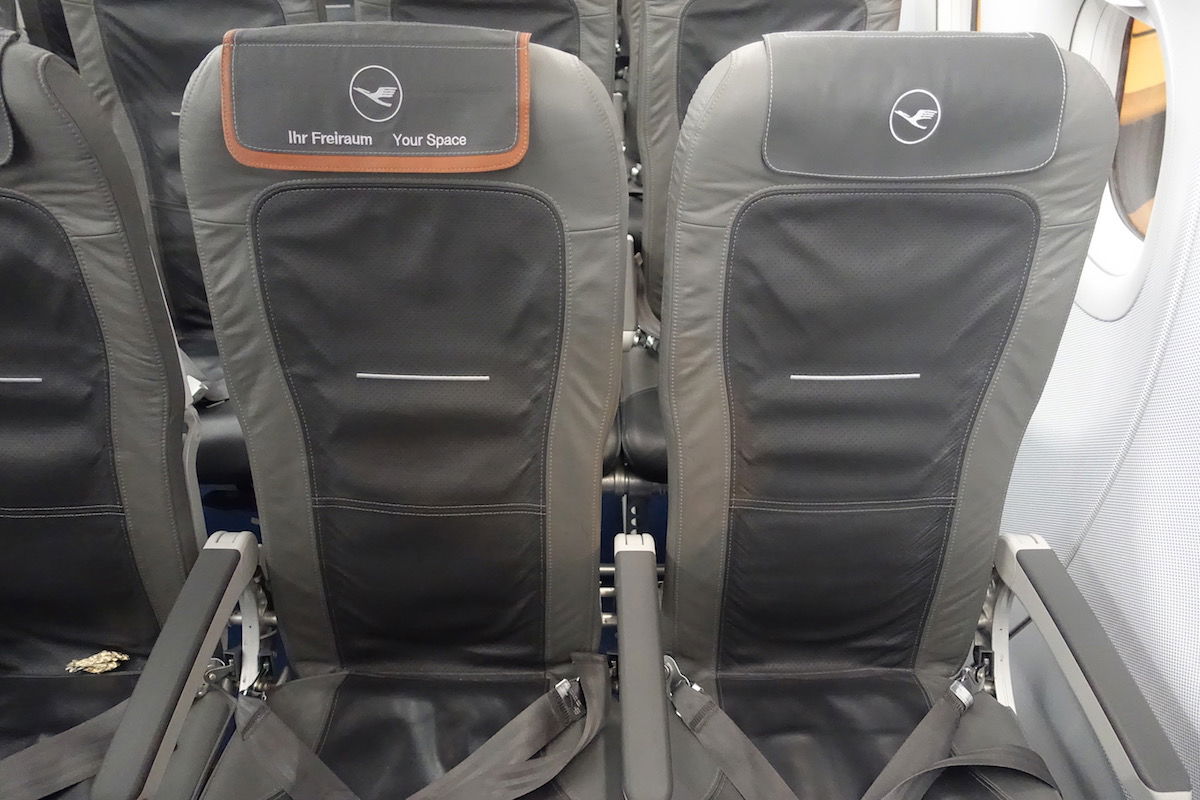
A routine Zurich to Frankfurt flight in January 2018 highlighted the dangers of miscommunication and defensiveness. Mid-flight, a Lufthansa purser confronted a passenger, baselessly accusing him of recording the crew during a safety briefing. Despite the passenger’s offer to provide evidence to the contrary via his camera roll, the interaction remained unresolved and antagonistic. The purser’s refusal to acknowledge the mistake—instead framing the accusation as a mere "question"—left a lasting impression regarding the erosion of customer-crew trust.
5. Oman Air: The Gaslighting of Feedback (2024)
In January 2024, a Muscat to Frankfurt flight demonstrated how the escalation of valid criticism can backfire. After enduring subpar service, a passenger opted to provide constructive feedback to the cabin manager. Rather than acting as a neutral mediator, the manager allowed the situation to deteriorate. The flight attendant in question subsequently confronted the passenger, employing gaslighting tactics to dismiss the critique. This interaction serves as a cautionary tale for travelers: in the confined environment of an aircraft, feedback loops can often turn volatile.
6. Grace Mugabe and the Singapore Airlines Incident (c. 2010)
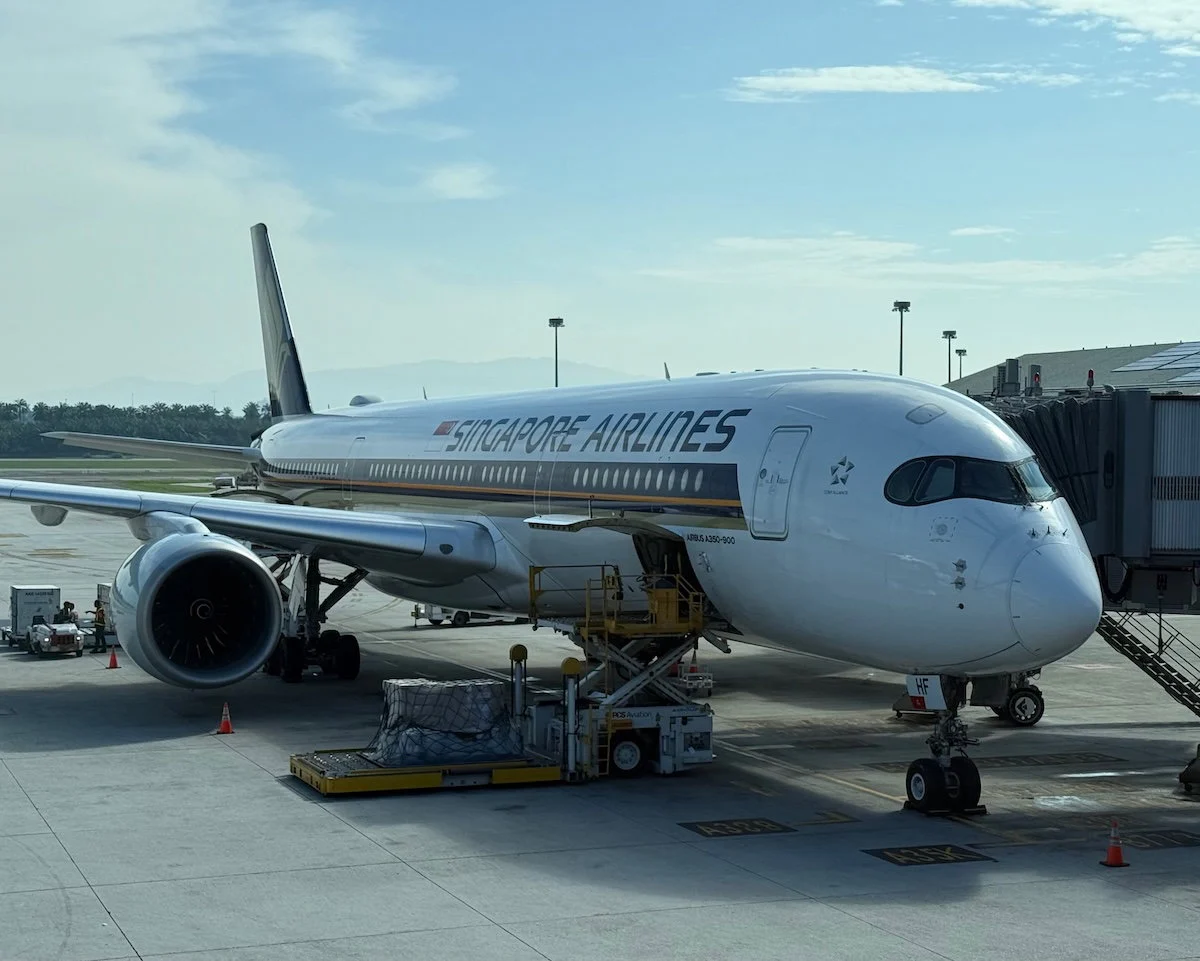
In a surreal moment of geopolitical friction, a Singapore Airlines flight from New York to Frankfurt became the stage for the erratic behavior of Grace Mugabe, the then-First Lady of Zimbabwe. The atmosphere in the first-class cabin was tainted by the intrusive presence of her entourage and her own overt hostility toward the crew. The incident reached a nadir when she reportedly slammed her tray table in a demand for more caviar, illustrating how the entitlement of high-profile passengers can disrupt the decorum of an entire flight.
Supporting Data and Context
These incidents reveal recurring patterns in aviation service failures:
- Training Deficiencies: In the case of China Southern, the failures were systemic. When airlines prioritize hardware (the A380 aircraft) over the human element (crew training and product consistency), the premium brand experience inevitably fails.
- The Power Imbalance: The incidents with TAAG and Lufthansa demonstrate the extreme power dynamic between flight crew and passengers. Because flight attendants have total authority within the cabin, misinterpretations of policy—such as photography rules—can result in humiliating and intimidating situations for the passenger.
- The "Feedback" Trap: The Oman Air incident highlights a shift in modern travel. While airlines solicit feedback, the culture of the crew often dictates whether that feedback is treated as a professional improvement tool or a personal affront.
Implications for the Airline Industry
The implications of these experiences are significant for both airlines and the passengers they serve.
For Airlines:
The viral nature of these experiences poses a threat to brand reputation. In the digital age, a single blog post or social media update can force management to take drastic measures, such as the demotions seen at China Southern. To mitigate this, airlines must focus on standardized, empathetic conflict resolution training.
For Passengers:
These stories serve as a reminder that even in the highest classes of service, the "human factor" is the most volatile variable. The ability to remain calm, avoid escalation, and maintain situational awareness is the passenger’s best defense against a souring flight experience.
Conclusion: The Persistence of Risk
Aviation remains the safest form of travel, yet it is not immune to the complexities of human behavior and extreme external forces. Whether it is a pilot facing a meteorological crisis or a purser misreading a passenger’s intentions, the cabin remains a space where professionalism and composure are paramount. While most travelers will fortunately never experience the extremes detailed here, these stories underscore the importance of expecting the unexpected. As we continue to traverse the globe, these "memorable" flights remind us that behind every flight number is a unique, often unpredictable, human narrative.
Discussion: What are the worst flights that you have taken, and what made them so uniquely unforgettable?