









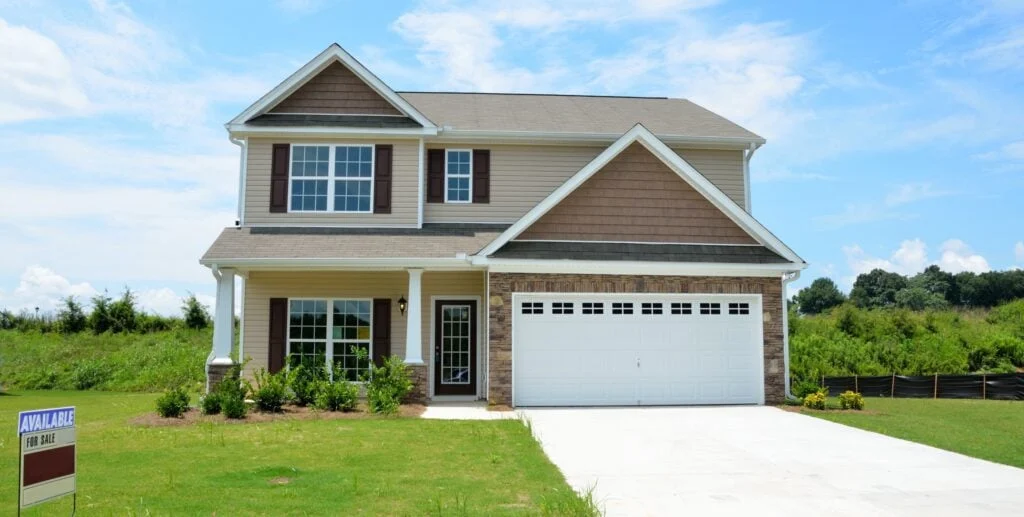
For many real estate investors, the traditional "BRRRR" (Buy, Rehab, Rent, Refinance, Repeat) strategy is the gold standard of wealth creation. However, the sheer labor intensity of finding distressed properties, managing finicky contractors, and navigating the unpredictable nature of renovations often acts as a significant barrier to entry. For those seeking a truly passive income stream, a different, often overlooked opportunity is emerging: the new-construction market.
As housing affordability remains a persistent challenge for the average American, major homebuilders are pivoting their strategy. Facing a cooling market and a surplus of standing inventory, developers are offering deep discounts and aggressive incentives, creating a rare window for investors to acquire turnkey properties at prices not seen in nearly a decade.
The "Passive" in Passive Investing
The primary allure of new construction is the elimination of the "Rehab" phase of the investment lifecycle. When you purchase a brand-new home, you are not merely buying a roof over a head; you are buying a warranty, modern energy efficiency, and a property that appeals to the highest-tier tenants.
For the investor who lacks the time to "drive for dollars" or the desire to haggle with a bank over a renovation loan, new builds represent a streamlined path to cash flow. In the current economic climate, the country’s largest builders—such as Lennar—are actively offloading inventory to meet quarterly targets. With national average sales prices for major builders hovering around $371,000, investors are finding that the cost of entry is lower than it has been in years, allowing for better debt service coverage ratios (DSCR) and, ultimately, stronger bottom-line cash flow.
A Chronology of the Cooling Market
To understand why this window is open, one must look at the trajectory of the housing market over the last 24 months.
- Mid-2024: High interest rates begin to dampen buyer enthusiasm. Potential homeowners are sidelined by affordability concerns, leading to an accumulation of completed but unsold inventory in master-planned communities (MPCs).
- Late 2024 – Early 2025: Builders realize that price stagnation is not enough to clear the backlog. They shift from holding firm on prices to offering "hidden" incentives, such as paying for closing costs or offering rate buydowns.
- Mid-2025: The "Inventory Crunch" hits a tipping point. Major developers, burdened by the carrying costs of finished units, begin to offer significant discounts to institutional and retail investors to move product off their balance sheets.
- Early 2026 to Present: The market has stabilized at a "new normal." With nearly 35% of builders actively cutting prices and over 60% offering aggressive mortgage incentives, the landscape is currently one of the most buyer-friendly environments for investors since the post-2008 recovery period.
Supporting Data: Why the Sun Belt Leads the Way
While the national market is showing signs of cooling, the Sun Belt—specifically Texas—remains the epicenter for cash-flow-focused investors. The sheer volume of land available for development in hubs like Houston and San Antonio has allowed builders to maintain a steady supply, but demand has fluctuated, forcing builders to compete for the attention of investors.
Recent data indicates that gross rental yields in San Antonio now range from 7% to 9%. When compared to the coastal markets where yields are often compressed, the math in Texas becomes compelling. A $320,000 property generating $2,200 in monthly rent creates a gross return that is difficult to replicate in legacy markets.
Furthermore, the National Association of Home Builders (NAHB) reports that townhouse construction has surged to over 18% of total single-family starts. This shift toward "missing middle" housing—smaller, more efficient, and more affordable—is exactly what the rental market demands. These properties are easier to maintain, have lower insurance costs, and attract a consistent demographic of young professionals who prefer the amenities of a master-planned community over the upkeep of an older, detached home.
Official Responses and Market Sentiment
The sentiment from industry leaders is one of cautious, measured optimism. Lennar co-CEO Stuart Miller recently highlighted the paradox of the current market: "Demand is still high, as people want and need homes. Millennials are hitting the buying age… but affordability and waning confidence are sending confusing signals."
This sentiment is echoed by the NAHB, which continues to emphasize that while the market is not "crashing," it is experiencing a necessary correction. For the investor, this "cooling" is a signal to act. Builders are not in the business of holding onto residential real estate; they are in the business of velocity. When they say the market is "cooling," they are effectively admitting that they are desperate to move units, providing the leverage that investors need to negotiate terms that would be unthinkable in a seller’s market.
The Mechanics of Cash Flow: A Case Study
To see how these numbers actually work, consider the purchase of a new-build townhouse in a Houston master-planned community.
Assume a purchase price of $315,000 after builder incentives. With a 20% down payment, the loan amount is $252,000. In the current climate, an investor might secure a 6.2% interest rate, leading to a principal and interest payment of roughly $1,540. Once you factor in property taxes, insurance, and the mandatory HOA fees typical of these communities, the total carrying cost lands near $2,065.
If the investor negotiates a builder-paid rate buydown to 5.25%, the monthly mortgage cost drops by several hundred dollars, instantly turning a "break-even" property into a cash-flowing asset. This is the "magic wand" of new-construction investing: the ability to use the builder’s capital to subsidize the long-term debt cost.
Strategic Implications for the Investor
For those looking to capitalize on this trend, the approach must be surgical. Here are the three primary strategies to maximize the ROI of new-build assets:
1. Master the Builder Incentive Lever
Never accept the "sticker price" or the standard package. Builders are often more willing to concede on price or provide massive concessions if they can close the deal by the end of a fiscal quarter. Ask for mortgage rate buydowns first, as these provide the highest long-term return on your cash flow. If they won’t budge on price, ask for upgrades—finished basements, smart home technology, or landscaping packages—that increase the "rentability" and appeal of the property.
2. Targeting the "Executive" Rental Tier
New construction carries a prestige that older rentals cannot match. In markets with significant employment drivers—such as hospitals, military bases, or tech hubs—you can target "temporary" tenants. These include travel nurses, visiting corporate executives, or families displaced by insurance claims. These tenants are often subsidized by employers or insurance providers, meaning they are less sensitive to rent hikes and more concerned with the quality and safety of the housing.
3. Exploring Specialized Housing Models
For the truly ambitious, there is the potential to pivot from standard residential leases to specialized housing. By coordinating with a builder during the early stages of a development, an investor might be able to influence floor plans to suit assisted living or sober living requirements. While these models require more operational oversight and regulatory compliance, the per-bed rental income can be exponentially higher than a traditional long-term lease.
Final Thoughts: Fortune Favors the Bold
The current state of the homebuilding industry is a rare anomaly in the economic cycle. Developers are sitting on massive inventories, and they are acutely aware that the traditional buyer—the first-time homebuyer—is currently being squeezed out by high rates and economic uncertainty.
This creates a "buyer’s market" for the prepared investor. Whether you are using the Lennar Investor Marketplace to find turnkey assets or negotiating directly with regional builders in Texas, the strategy remains the same: be aggressive with your offers, leverage the builder’s desire for velocity, and focus on properties that offer long-term, high-quality rental appeal.
Do not be intimidated by the scale of these developments. The builders are not looking for complex, drawn-out negotiations; they are looking for partners who can close. If you have the capital and the courage to approach a builder with an offer that reflects the current reality of the market, you will find that the "passive" dream is closer than it has ever been. In this market, silence is an expense—speaking up and asking for the moon is an investment.