







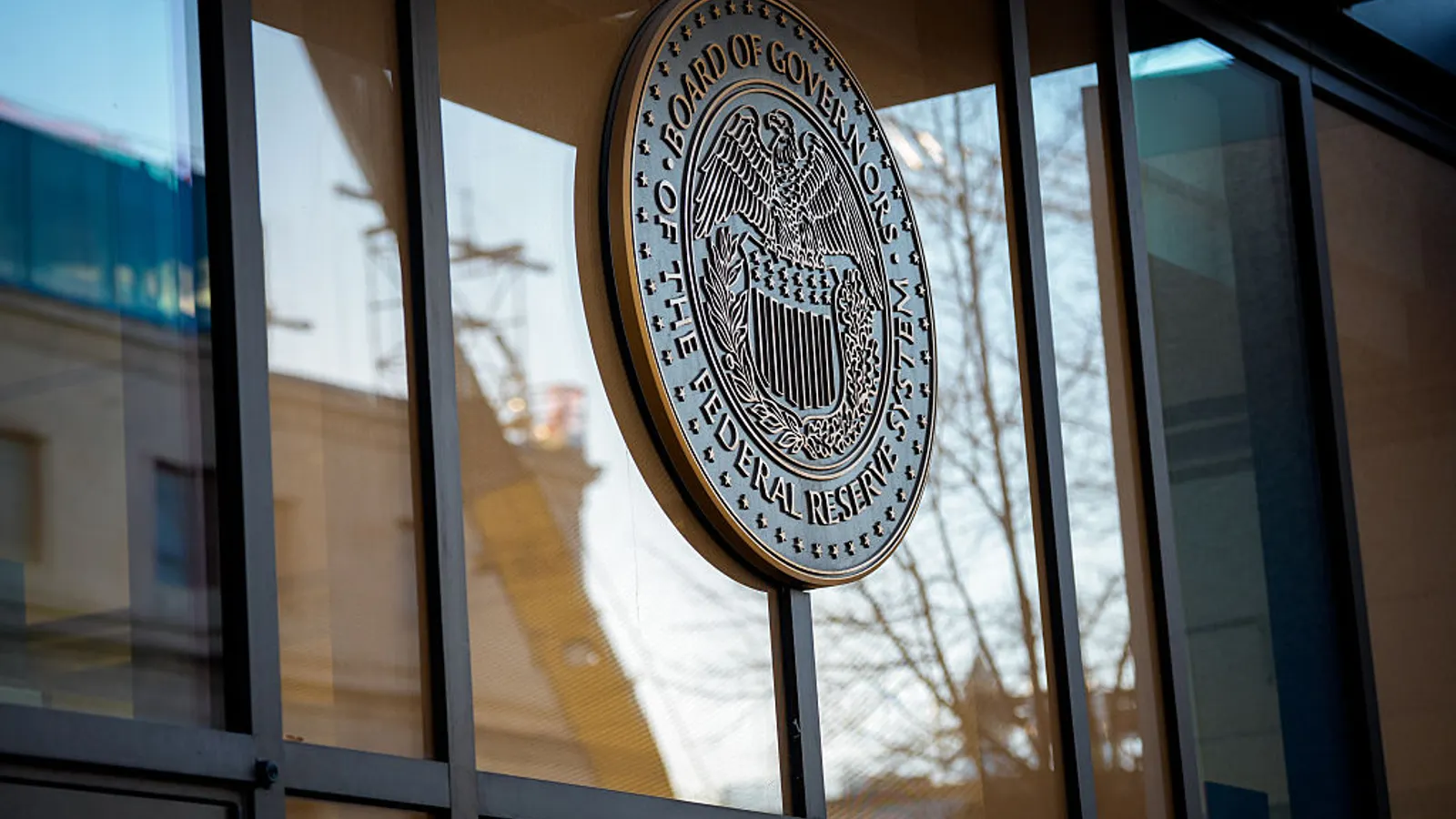
WASHINGTON, D.C. — In a move that underscores the Federal Reserve’s intensifying scrutiny of internal controls within community banking, the Board of Governors has officially prohibited James Burns, the former Chief Lending Officer of Heritage State Bank, from participating in the banking industry for life. The enforcement action, announced on July 21, 2026, follows a comprehensive investigation into a multi-year scheme involving inflated real estate appraisals, systemic negligence, and a breach of fiduciary duty that ultimately resulted in significant financial losses for the institution’s successor.
The case against Burns serves as a stark reminder of the vulnerabilities inherent in community banks where executive oversight may be concentrated in a few hands. According to the Federal Reserve’s consent order, Burns’ conduct not only violated federal regulations but also demonstrated a "willful or continuing disregard" for the safety and soundness of the financial institution he served for over two decades.
Main Facts: A Breach of Institutional Trust
The core of the Federal Reserve’s enforcement action centers on James Burns’ tenure as the Chief Lending Officer (CLO) at Heritage State Bank, located in Lawrenceville, Illinois. Burns, who held the position from 1999 until the bank’s acquisition in 2020, was responsible for overseeing the institution’s credit portfolio and ensuring that all lending activities adhered to both internal policies and federal law.
However, the Fed’s findings paint a picture of an executive who bypassed these safeguards to facilitate questionable lending. The investigation identified four specific loans approved by Burns that were based on appraisals "altered to reflect inflated property values." Beyond these specific instances of alleged manipulation, the Fed cited a broader pattern of negligence involving at least 25 additional loans or loan renewals. In these cases, Burns reportedly failed to ensure that properties were valued by licensed appraisers and ignored glaring inconsistencies in the documentation provided.
The financial fallout became apparent only after Heritage State Bank was acquired by the First National Bank of Carmi (FNBC) in 2020. As the acquiring bank—now operating as First Bank—began the process of reconciling the inherited portfolio, the true value of the collateral came to light. When several of the affected loans defaulted and entered foreclosure, the properties yielded "substantially less" than the values recorded under Burns’ supervision, forcing the bank to absorb the discrepancy as a direct loss.
Chronology: From Executive Tenure to Regulatory Exile
To understand the scale of the misconduct, it is necessary to trace the timeline of Burns’ career and the subsequent discovery of the irregularities.
The Tenure at Heritage State Bank (1999–2020)
For 21 years, James Burns was a fixture at Heritage State Bank. As CLO, he was a trusted figure in the Lawrenceville community, a role that typically grants significant autonomy in local lending decisions. It was during the latter part of this tenure that the Fed alleges the most egregious violations occurred. The longevity of his position likely provided a veil of stability that allowed the appraisal discrepancies to go unnoticed by internal audits for years.
The Acquisition and Integration (2020–2022)
In 2020, First National Bank of Carmi (FNBC) moved to acquire Heritage State Bank, a common occurrence in the consolidating landscape of Midwest community banking. During the due diligence phase, acquiring banks typically review a sampling of the target’s loan portfolio. However, the systematic nature of the appraisal inflation in this case appears to have been sophisticated enough—or the samples small enough—to avoid immediate detection until the portfolios were fully integrated and loans began to reach maturity or face stress.
Discovery and Post-Merger Re-Appraisal (2023–2025)
Following the merger, FNBC (rebranding as First Bank) began a more granular review of its newly acquired assets. As economic conditions shifted and certain borrowers struggled to meet obligations, the bank initiated foreclosure proceedings. It was during this phase that the "valuation gap" was identified. Re-appraisals conducted by First Bank post-merger revealed that the collateral values had been significantly over-reported in the original files maintained by Burns.
The Federal Reserve Investigation (2025–2026)
Following a referral—likely triggered by the bank’s internal findings or suspicious activity reports—the Federal Reserve launched a formal investigation into Burns’ conduct. The probe scrutinized thousands of pages of lending documents, communication logs, and appraisal reports. By early 2026, the Fed had compiled enough evidence to charge Burns with personal dishonesty and unsafe banking practices.
Supporting Data: The Mechanics of Appraisal Inflation
The Federal Reserve’s case rests on two distinct categories of misconduct: active manipulation and systemic negligence.
1. The Altered Appraisals
The most serious charge involves four specific loans where appraisals were intentionally "altered." In the world of commercial lending, the Loan-to-Value (LTV) ratio is a primary metric of risk. By inflating the "Value" denominator, an executive can approve a larger loan than the collateral justifies, making the bank’s books look more robust in the short term while exposing it to massive "underwater" risk if the borrower defaults. The Fed’s report suggests these were not mere clerical errors but intentional modifications to justify credit extensions.

2. The Licensing Gap
A secondary but equally damaging finding was Burns’ failure to utilize licensed appraisers for 25 separate loans or renewals. Under the Financial Institutions Reform, Recovery, and Enforcement Act (FIRREA), banks are required to use certified or licensed appraisers for most real estate-related financial transactions. By bypassing this requirement, Burns essentially removed the independent "third-party" check that is designed to prevent exactly this type of fraud.
3. The Financial Impact
While the exact dollar amount of the loss to First Bank has not been publicly disclosed in the consent order, the Fed noted that the collateral sales yielded "substantially less" than the original values. In many community bank fraud cases, such discrepancies can range from hundreds of thousands to several million dollars, depending on whether the properties were commercial or residential.
Official Responses and Legal Standing
The Federal Reserve’s language in the consent order was unusually blunt. The Board stated that Burns’ actions involved "personal dishonesty" and a "willful or continuing disregard for the Bank’s safety and soundness."
The Consent Order
James Burns chose to consent to the order rather than face a protracted legal battle in administrative court. By signing the consent agreement, Burns did not technically admit to or deny the specific findings of fact, but he did agree to the lifetime ban. Under the terms of the order:
- Burns is prohibited from participating in any manner in the conduct of the affairs of any financial institution.
- He is barred from voting for a director or serving as an officer, director, or employee of any bank insured by the FDIC.
- He cannot act as a consultant or joint venture partner to any insured depository institution.
The Institution’s Perspective
First Bank (formerly FNBC) has remained relatively quiet regarding the specific personnel details of the case. CEO Nikki Roser did not provide an immediate comment following the announcement, which is standard practice for banks dealing with sensitive regulatory matters involving former employees. However, the bank’s cooperation with the Federal Reserve was instrumental in bringing the investigation to a close.
Implications for the Banking Industry
The banning of James Burns is more than just a localized disciplinary action; it carries significant implications for the broader financial sector, particularly for small to mid-sized institutions.

1. Heightened Due Diligence in M&A
This case serves as a cautionary tale for banks looking to grow through acquisitions. The fact that the appraisal fraud was not fully realized until after the merger highlights the need for "deep-dive" credit audits during the due diligence phase. Acquiring banks may now feel pressured to perform independent re-appraisals of a larger percentage of a target bank’s portfolio before closing a deal.
2. The "Key Man" Risk
In many community banks, the Chief Lending Officer holds immense power. If there are not sufficient checks and balances—such as a separate credit committee that operates independently of the lending officers—the risk of "executive bypass" remains high. Regulators are increasingly looking for a "separation of powers" within bank management to ensure that no single individual can push through loans without objective verification.
3. The Future of Appraisal Oversight
The Fed’s focus on the use of "unlicensed appraisers" suggests a crackdown on informal valuation practices. In rural or tight-knit communities, there is often a temptation to rely on "evaluations" from local brokers or acquaintances rather than certified professionals. This enforcement action signals that the Federal Reserve will not tolerate deviations from FIRREA standards, regardless of the bank’s size or the long-standing reputation of its officers.
4. Deterrence and Personal Liability
The lifetime ban is the "nuclear option" of banking regulation. By stripping Burns of his career and his ability to work in the industry, the Fed is sending a message of deterrence to other executives. It emphasizes that professional reputation and decades of service do not provide immunity from the consequences of "unsafe and unsound" practices.
Conclusion
The downfall of James Burns marks the end of a career that spanned the evolution of modern community banking. What began as a long tenure of leadership at Heritage State Bank ended in a federal boardroom in Washington, resulting in a permanent exit from the financial world. As First Bank continues to navigate the losses inherited from the Heritage acquisition, the industry at large is left to grapple with the reality that even the most trusted veterans can, through negligence or dishonesty, undermine the very foundations of the institutions they are sworn to protect.
For regulators, the case is a successful exercise in maintaining the integrity of the U.S. banking system. For bank boards across the country, it is a loud call to re-examine their internal controls, their appraisal review processes, and the degree of autonomy granted to their most senior executives. The "Burns Case" will likely be cited in compliance seminars for years to come as the definitive example of why the "trust but verify" model is the only sustainable path for 21st-century banking.