







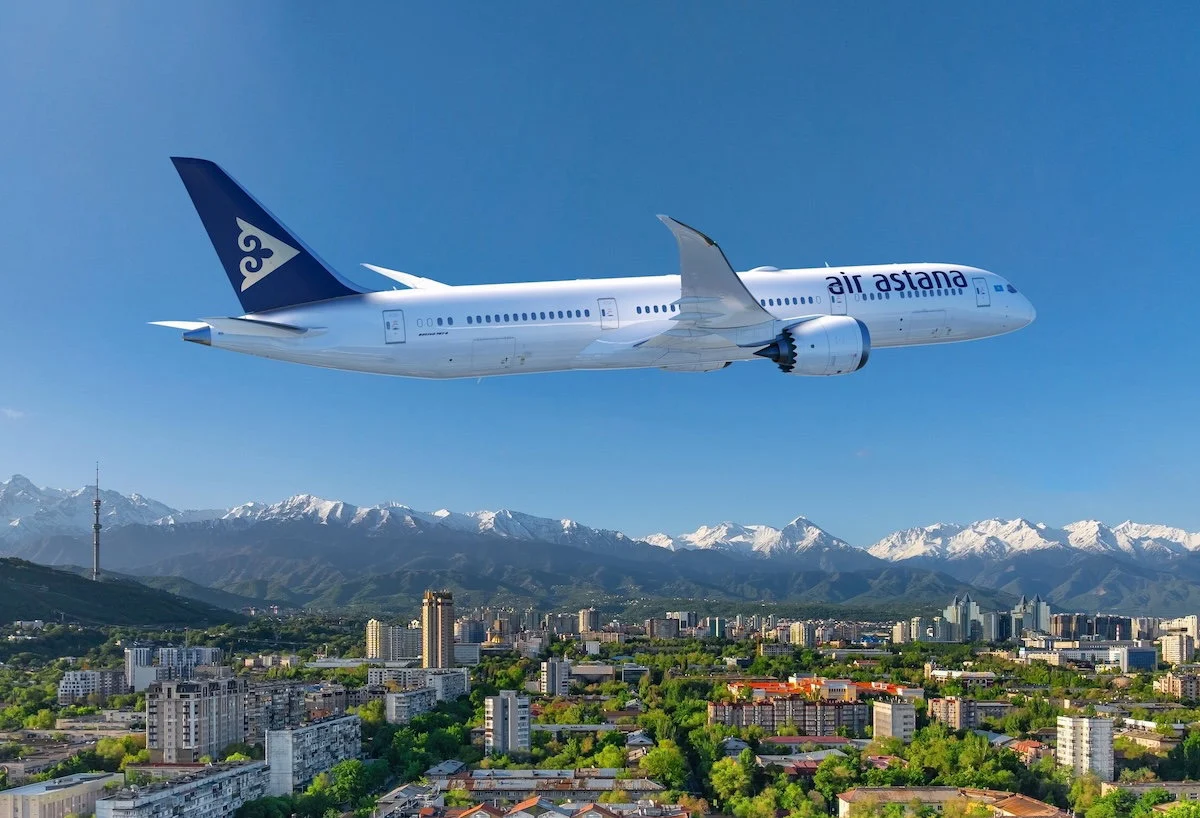
In a significant move that underscores the growing geopolitical and economic ambitions of Central Asia, Air Astana—the flag carrier of Kazakhstan—has formally initiated the regulatory process to launch nonstop commercial flights to the United States. The proposal, submitted to the U.S. Department of Transportation (DOT), represents a major milestone for the airline and a broader effort by the Kazakh government to modernize its aviation infrastructure and strengthen international ties.
While the prospect of direct flights between Almaty or Astana and a major U.S. gateway is currently in its infancy, the strategic maneuvers behind the scenes suggest a well-calculated path toward operationalizing this transcontinental link by 2027.
The Regulatory Framework: A Two-Pronged Approach
For Air Astana to realize its vision of reaching North American airspace, it must clear two distinct regulatory hurdles: the filing of a Foreign Air Carrier Permit with the U.S. Department of Transportation and the attainment of a Category 1 safety rating from the U.S. Federal Aviation Administration (FAA).
The International Aviation Safety Assessment (IASA) program, managed by the FAA, evaluates whether a country’s civil aviation authority complies with International Civil Aviation Organization (ICAO) standards. Currently, Kazakhstan does not hold the Category 1 designation, which is a prerequisite for any airline to operate new services to the United States.
The "American Connection" in Kazakh Aviation
Evidence of the government’s commitment to this goal became clear just weeks ago, when the JSC Aviation Administration of Kazakhstan appointed a seasoned American aviation expert to lead its operations. With over 40 years of experience in the sector, much of it spent within the ranks of the FAA, the new leadership is widely viewed as a "hired gun" tasked specifically with guiding Kazakhstan through the rigorous IASA audit process. This appointment is widely interpreted by industry analysts as a signal that the Kazakh government is prioritizing the alignment of its domestic safety oversight with the highest international standards.
Chronology: From Regional Player to Global Ambition
The trajectory of Air Astana’s growth has been marked by steady, disciplined expansion. Since its inception in 2002, the airline has positioned itself as the premier carrier in Central Asia, focusing on a dual-hub strategy that balances traffic between the administrative capital, Astana, and the financial and commercial heart of the country, Almaty.
- 2002: Air Astana commences operations, filling the void left by the transition from the Soviet-era aviation model.
- 2010s: The airline earns consistent accolades for service quality and cabin comfort, distinguishing itself from regional peers through a focus on safety and high-end passenger experience.
- 2024: Air Astana confirms a significant order for Boeing 787-9 Dreamliners, providing the necessary range and efficiency for long-haul transcontinental routes.
- 2025 (Present): The airline officially files with the U.S. DOT for permission to launch scheduled passenger flights, citing 2027 as the tentative target for the inaugural route.
Supporting Data: Fleet Modernization and Route Logistics
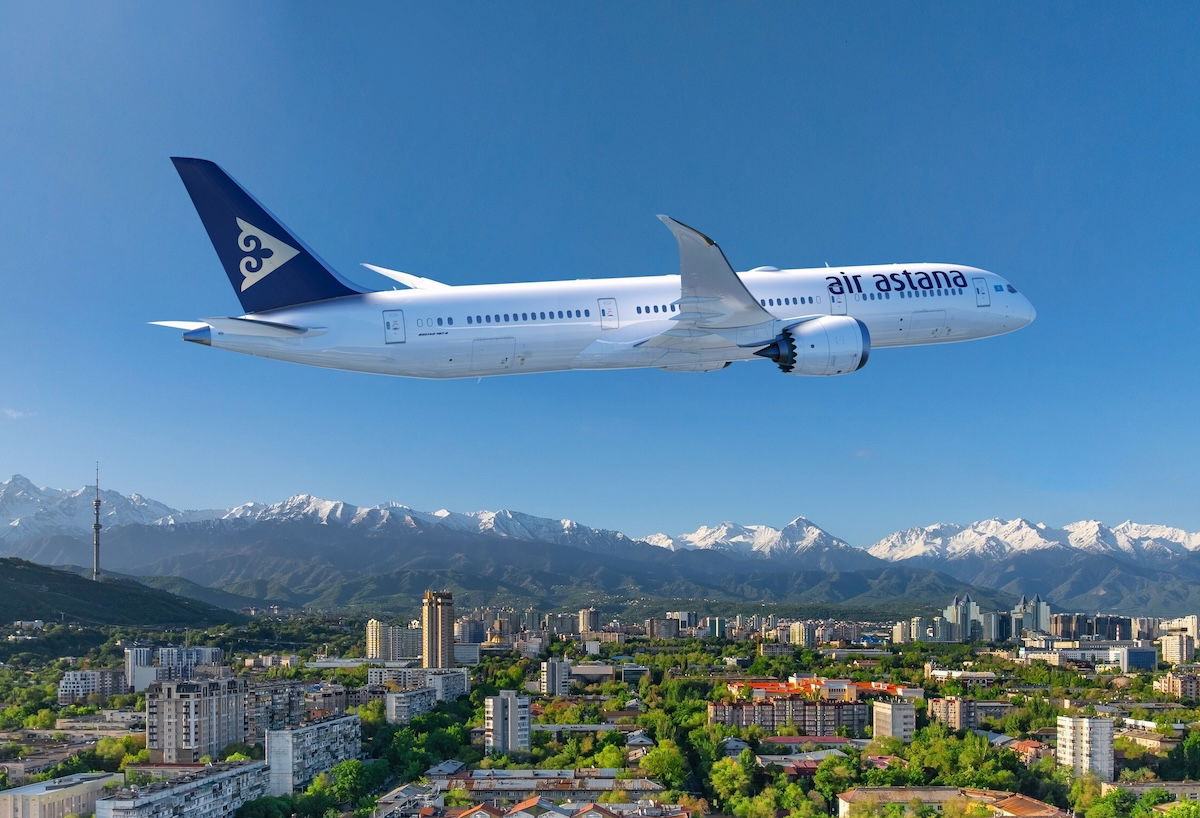
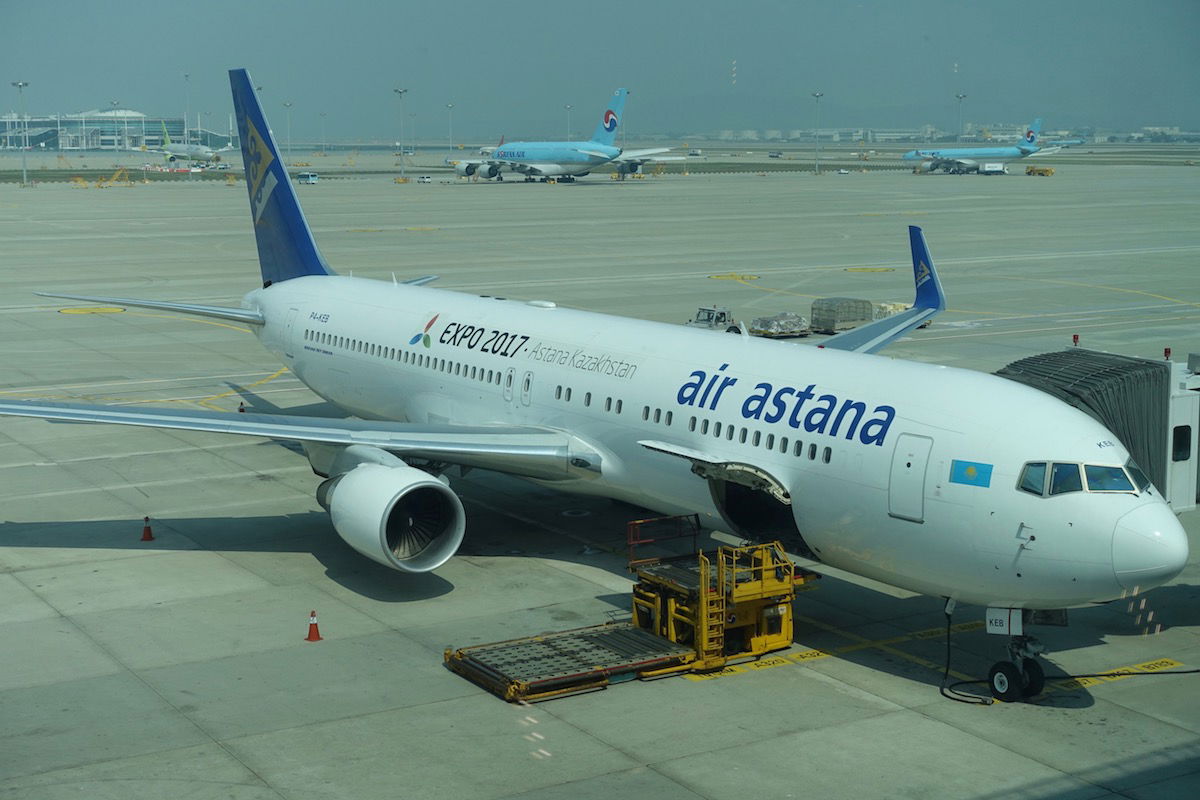
A key factor in the feasibility of these flights is the airline’s transition toward a more modern wide-body fleet. While Air Astana has historically utilized a reliable, albeit aging, fleet of Boeing 767s, the upcoming integration of the Boeing 787-9 Dreamliner is the linchpin of the U.S. expansion strategy.
The Dreamliner Advantage
The Boeing 787-9 is specifically designed for the type of long-haul, thin-route viability that a Kazakhstan-to-U.S. flight would represent. Its fuel efficiency and extended range allow for the navigation of complex flight paths—an essential consideration given the geopolitical constraints of the current global airspace.
The Hub Dilemma
Industry experts are currently debating which city will serve as the departure point for the U.S. service.
- Astana (NQZ): As the seat of government, the capital is the primary hub for diplomatic and high-level business travel.
- Almaty (ALA): As the nation’s largest city and economic engine, Almaty provides a deeper catchment area for leisure and commercial demand.
Given the typical patterns of transcontinental traffic, New York (JFK) is the most probable U.S. destination. The city offers the strongest connectivity to North American, European, and South American markets, maximizing the potential for connecting traffic that will be necessary to keep such a route profitable.
Official Responses and Industry Outlook
The announcement has been met with measured optimism from industry stakeholders. While no official statement has been issued by the U.S. Department of Transportation beyond acknowledging receipt of the filing, the general consensus among aviation analysts is that the request is likely to be viewed favorably, provided the safety rating is secured.
"Air Astana is a well-regarded carrier," notes one aviation consultant. "They operate with a level of professionalism that often exceeds regional expectations. However, the economics of a Kazakhstan-U.S. flight are challenging. It is a long route with limited point-to-point demand. The success of this endeavor will rely heavily on the airline’s ability to capture transit traffic and the growth of trade relations between the two nations."
The airline itself maintains that this is a strategic move to integrate Kazakhstan further into the global economy. By securing a direct air bridge to the United States, Kazakhstan aims to facilitate foreign direct investment and bolster its tourism sector, which the government has identified as a pillar for future economic diversification.
Implications: The Geopolitics of Connectivity
The launch of these flights would represent more than just a new flight path; it would be a symbolic shift in Central Asia’s integration into the Western-oriented global aviation network.
Economic and Diplomatic Impacts
The presence of a direct air link often acts as a catalyst for deeper bilateral relations. For Kazakhstan, the route is intended to serve as a conduit for business professionals, energy sector representatives, and diplomatic personnel. Furthermore, the standardization of Kazakh aviation safety under the FAA’s watchful eye will inherently raise the profile of the country’s entire transport sector.
Risks and Challenges
Despite the optimism, the road to 2027 is not without risks. Global aviation is subject to volatile fuel costs, fluctuating demand, and the complexities of international overflight rights. Furthermore, the "prestige" trap—where airlines operate long-haul, loss-making routes to boost their national image—is a well-documented pitfall in the industry. Air Astana will need to maintain a strict focus on yields to ensure that the U.S. service does not become a financial burden on its otherwise profitable regional operations.
Conclusion: A Vision for 2027
Whether the inaugural Air Astana Dreamliner touches down at a U.S. airport in 2027 remains to be seen. The timeline is ambitious, requiring a seamless coordination between the Kazakh aviation authorities and the rigorous requirements of the U.S. FAA.
However, the intent is clear: Kazakhstan is ready to step onto the global stage. By investing in modern wide-body technology and aggressively pursuing regulatory compliance, Air Astana is signaling that the era of being a regional operator is ending. The airline is positioning itself to be the primary gateway between the heart of Central Asia and the rest of the world. For travelers and business leaders alike, the prospect of a direct link to the Kazakh steppe is an intriguing development that could fundamentally alter the travel landscape of the region.
As the regulatory process unfolds over the next two years, the global aviation community will be watching closely to see if Air Astana can turn its transcontinental ambition into a commercial reality. For now, the focus remains on the "Category 1" certification—a critical hurdle that will ultimately determine whether this plan takes flight or remains grounded in the planning stages.