






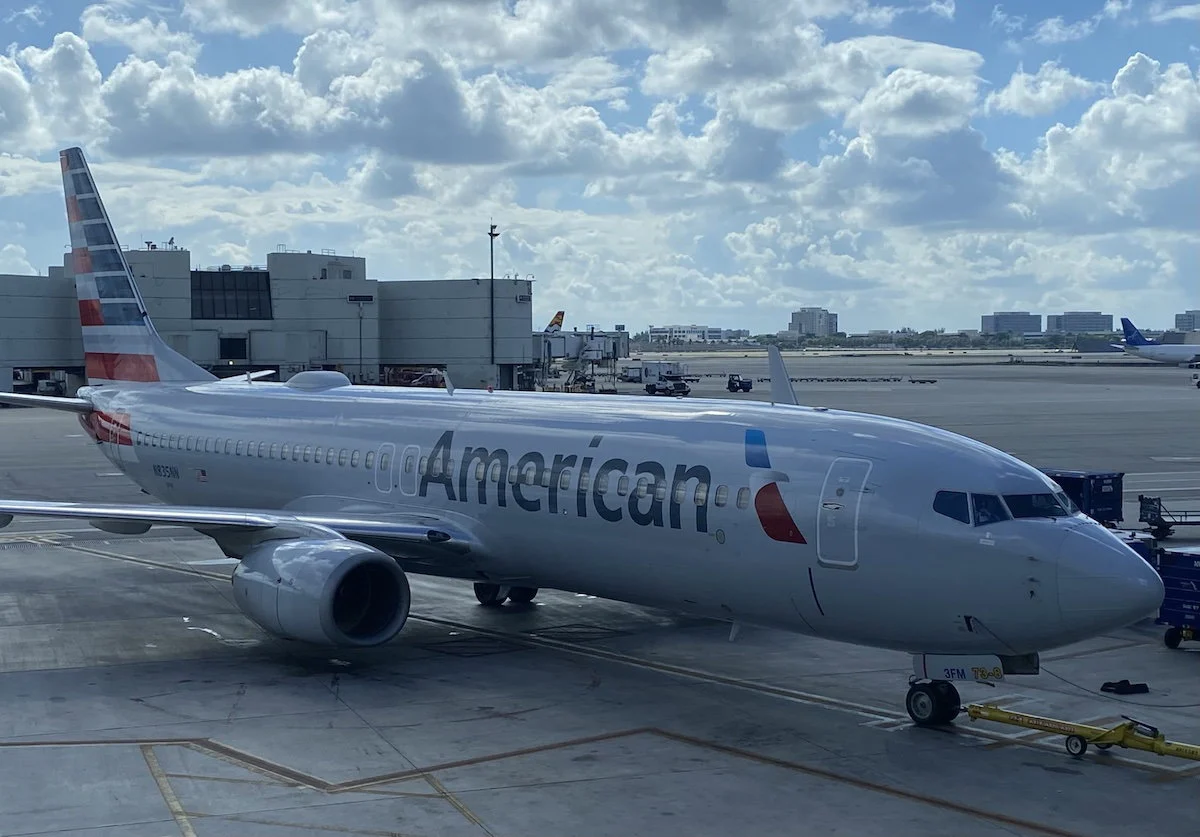
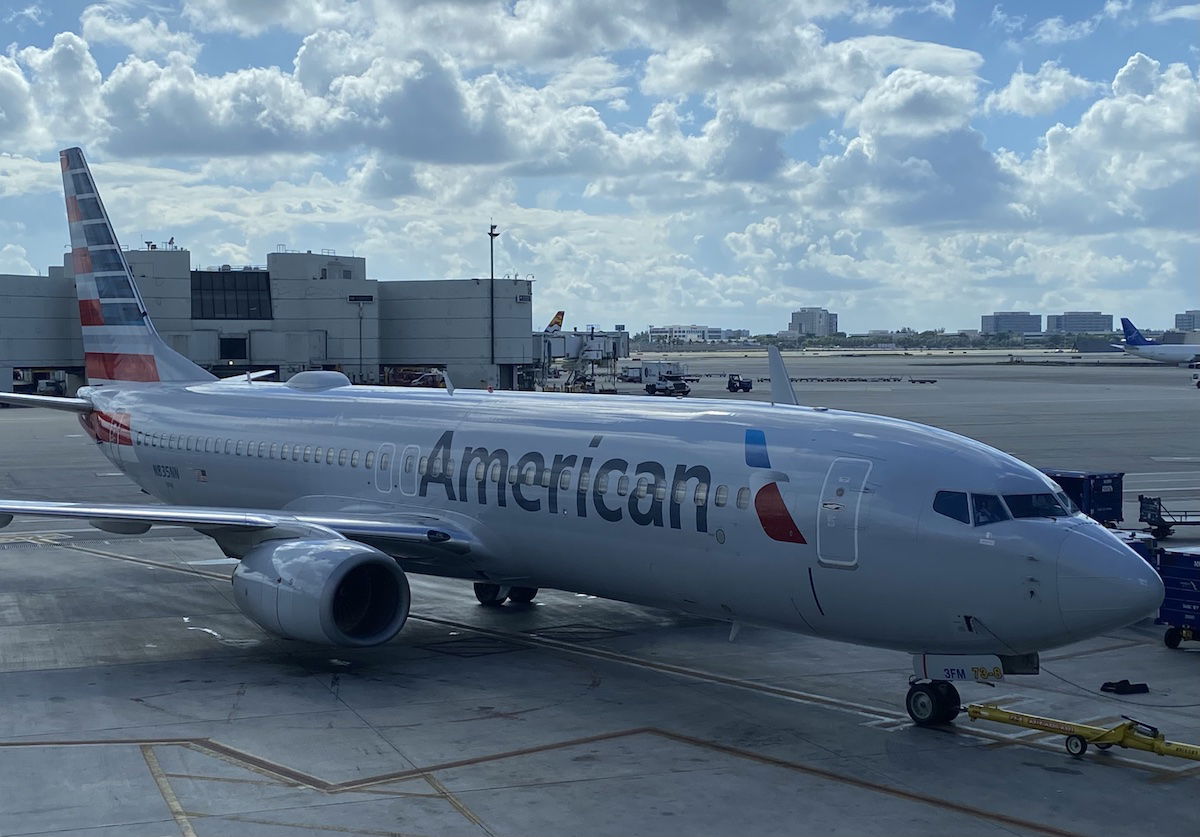
The U.S. aviation landscape is currently navigating a period of profound volatility, characterized by surging jet fuel costs and an industry-wide struggle to balance record-high revenues with shrinking bottom lines. While all major carriers are facing these headwinds, American Airlines stands out as a clear outlier—and not in a favorable way. As the company reports its Q2 2026 financial results, the data reveals a widening chasm between American and its primary competitors, Delta and United, raising serious questions about the carrier’s strategic direction and long-term viability.
The Disconnect Between Revenue and Profitability
The fundamental paradox of the current airline economy is that while passengers are paying record-high fares, the carriers are struggling to convert that revenue into meaningful profit. In a high-inflation environment, where fuel prices have spiked significantly, airlines are attempting to leverage their pricing power to offset operational costs. However, the success of this strategy varies wildly across the industry.
While Delta and United have managed to mitigate the impact of rising costs, American Airlines has seen its profitability evaporate. The airline recently reported a net income of just $71 million for the second quarter of 2026. To put this into perspective, Q2 is historically the most lucrative period for American, encompassing the high-demand spring break and early summer travel surge. An 88% year-over-year decline in net profit during this critical window is a sobering indicator of the internal friction affecting the carrier.
A Chronology of Financial Decline
To understand the severity of American’s current position, one must look at the recent trajectory of its financial performance. The airline entered 2026 on the heels of a difficult 2025, during which annual profits plummeted by 87%. Despite promises from CEO Robert Isom that the company was positioned for a significant turnaround, the first half of 2026 has provided little evidence of a recovery.
The Q1 Struggle
The fiscal year began on a negative note. In the first quarter of 2026, American reported a net loss of $382 million. While this was technically an improvement over the $473 million loss reported in the same period of 2025—a quarter marred by specific regional tariff complications—the fact that the company began the year in the red set a precarious tone for the rest of the calendar.
The Q2 Disappointment
The transition into the second quarter, which should have been the catalyst for a return to profitability, failed to deliver. With a net income of only $71 million, the airline’s cumulative net loss for the first six months of 2026 stands at $311 million. Given that the historically strongest quarter is now in the rearview mirror, the road ahead appears increasingly treacherous.
Supporting Data: A Comparative Analysis
The disparity between American and its "Big Three" counterparts is most visible when analyzing direct comparative data. While the entire sector is dealing with the same macroeconomic pressures, the results suggest that American’s internal cost structures and commercial strategies are failing to keep pace.
| Airline | Q2 2025 Net Income | Q2 2026 Net Income | Percent Change |
|---|---|---|---|
| American | $599 million | $71 million | -88.1% |
| Delta | $2.13 billion | ~$1.60 billion | -24.9% |
| United | $973 million | $805 million | -17.3% |
The contrast is stark. While Delta and United have experienced moderate, expected declines in profit margins, American has seen its profitability decimated. Even when looking at the year-over-year growth in Q1, where all three airlines saw improvements, American’s growth lagged significantly behind its peers, indicating that the carrier is not merely struggling with external market conditions, but is underperforming on an operational level.
Updated Guidance and the Outlook for 2026
Perhaps the most damning evidence of the airline’s lack of confidence in its own recovery is the revision of its full-year 2026 guidance. American has adjusted its expected earnings per share (EPS) to a range of -$0.65 to $0.65. This is a dramatic downward revision from its initial 2026 guidance, which originally sat between $1.70 and $2.70.
By contrast, Delta has maintained its consistent guidance of $6.50 to $7.50 per share. United, while also lowering its expectations slightly, remains in a significantly stronger position with guidance between $9 and $11 per share. The downward trend in American’s projections suggests that management no longer believes a profitable year is guaranteed, or even likely, without an unforeseen and drastic shift in global oil prices and sustained, aggressive fare hikes.
Official Responses and Executive Messaging
Despite the grim financial reality, the leadership at American Airlines continues to project a narrative of resilience and progress. CEO Robert Isom, in recent public statements, has expressed "excitement" about the remainder of 2026. Isom has praised the company’s performance, attributing current results to the strength of its "commercial strategy" and commending the team for their "outstanding execution on commercial and operational objectives."
However, analysts are increasingly skeptical of this disconnect between executive rhetoric and fiscal results. Critics argue that blaming market volatility or fuel prices is no longer sufficient when competitors facing the exact same environment are navigating the crisis with far greater efficiency. The "commercial strategy" cited by Isom appears to be failing to deliver the stability that shareholders demand, leading to mounting pressure on the board of directors to address the leadership vacuum.
Implications for the Future
The implications for American Airlines are profound. The carrier is not just losing money; it is losing market relevance. When viewed against the historical backdrop of 2017—when then-CEO Doug Parker famously declared that American would "never lose money again"—the current situation feels like a betrayal of investor trust. Parker’s assertion that even in a "bad year," the airline should generate $3 billion in profits, now stands as a haunting reminder of how quickly an aviation giant can lose its footing.
The Question of Leadership
The primary concern for stakeholders is the lack of a clear pivot. If the current strategy is producing an 88% decline in the best quarter of the year, is it reasonable to expect the same management team to rectify the situation? The board of directors, which has largely remained on the sidelines during this period of decline, may soon find its patience exhausted. The question is no longer whether the strategy needs to change, but whether it can be changed under the current leadership.
Market Dynamics
Furthermore, the assumption that American can continue to sustain high fares while its operational efficiency remains low is a dangerous gamble. If the broader economy cools, passengers may become more price-sensitive, choosing to fly with carriers that offer a better value proposition or a more reliable operational record. If American cannot achieve profitability during a peak season when demand is high, it is difficult to see how they will survive a potential economic downturn.
Conclusion
American Airlines finds itself at a critical juncture. The path forward is obscured by a loss-making first half of the year, a downward revision of financial guidance, and a widening performance gap between itself and its most direct competitors. While the company continues to tout the strength of its internal objectives, the numbers tell a different story—one of a legacy carrier struggling to adapt to the realities of the modern aviation market.
Without a fundamental shift in its cost structure, a more effective commercial strategy, or a change in leadership, American Airlines risks becoming a cautionary tale of how quickly even the largest entities can drift into irrelevance. Investors, employees, and passengers alike are waiting to see if the second half of 2026 will bring the promised turnaround, or if the current turbulence is merely a prelude to a deeper, more structural crisis. For now, the "pipe dream" of a profitable 2026 seems to be fading, leaving the airline to navigate an increasingly uncertain horizon.