








In the high-stakes arena of American mortgage lending, the rules of the game are undergoing a fundamental transformation. For decades, the FICO® score reigned as the singular, undisputed gatekeeper of homeownership. However, a significant shift orchestrated by the Federal Housing Finance Agency (FHFA) has officially ended this monopoly, elevating VantageScore 4.0 from an industry alternative to a core requirement for the national mortgage market.
As Fannie Mae and Freddie Mac integrate this model into their underwriting requirements, millions of American borrowers are finding their financial health evaluated through a new, more dynamic lens. This evolution is not merely a change in branding; it is a technological leap forward that utilizes machine learning and trended data to replace static snapshots with comprehensive, 24-month behavioral trajectories.
Main Facts: The Shift in Credit Scoring
The core premise of the transition to VantageScore 4.0—developed by the three major credit bureaus (Equifax®, Experian®, and TransUnion®)—is that a borrower’s financial history is best understood as a narrative rather than a momentary data point.
While legacy models often penalized borrowers for "single-point-in-time" fluctuations, VantageScore 4.0 focuses on the direction of a consumer’s credit journey. By incorporating 24 months of trended data, the model can distinguish between a consumer who is responsibly paying down debt and one who is accumulating it, even if both individuals share the same current balance. This level of granularity provides lenders with a more predictive assessment of risk, allowing for more inclusive lending practices.
Crucially, the FHFA’s mandate for "score competition" is yielding tangible results. A 2026 analysis indicates that this shift toward competitive scoring models is generating nearly $1 billion in annual mortgage cost savings for American homebuyers, as lenders gain access to more precise data that can lead to more favorable loan terms.
Chronology: The Path to Modernized Lending
The road to the adoption of VantageScore 4.0 has been a long-term strategic project aimed at modernizing the U.S. housing finance system.
- Early Development: VantageScore was established in 2006 to provide a tri-bureau alternative to legacy scoring models. For its first decade, it served primarily in educational and fintech applications.
- The 4.0 Breakthrough: The launch of the 4.0 model marked a pivotal moment, as it was specifically designed to utilize machine learning to score "thin-file" consumers—those with limited credit history who were previously deemed "unscorable" by older, more rigid systems.
- The FHFA Mandate (2022–2024): Recognizing the need for increased accuracy and inclusivity, the FHFA announced a multi-year transition plan to modernize the credit reporting requirements for loans sold to Fannie Mae and Freddie Mac.
- The 2025/2026 Rollout: The current period represents the full-scale implementation phase. Mortgage lenders are now required to utilize both VantageScore 4.0 and FICO® 10T, moving the industry toward a "bi-merge" standard that ensures no borrower is judged by a single, potentially outdated metric.
Supporting Data: Why the Model Matters
The technical superiority of VantageScore 4.0 lies in its ability to process complex data points that legacy models often ignore. The following table highlights the stark differences between the systems that defined the last thirty years and the modern standard now being implemented:
| Feature | Legacy Models | VantageScore 4.0 |
|---|---|---|
| Credit Snapshot | Single point in time | 24-month trended trajectory |
| New Borrowers | Requires 6 months of history | Can score in 1 month |
| Medical Debt | Often penalizes | Fully excluded |
| Mortgage Pull Cost | High ($12–$50+) | Economical (~$1 per score) |
Beyond these mechanics, the model is highly sensitive to the distinction between "transactors" (those who pay their balance in full every month) and "revolvers" (those who carry a balance). By rewarding the consistent, responsible utilization of credit, the model provides a "scoring advantage" to those who demonstrate financial stability over time, rather than just credit availability.
Official Perspectives: The Industry Response
The transition has been met with broad support from housing advocates and economic analysts, who argue that the shift addresses long-standing systemic biases. By excluding medical debt—which is often non-predictive of a consumer’s willingness to repay a mortgage—VantageScore 4.0 creates a more equitable landscape.
"The objective of this move is to create a more resilient and inclusive mortgage market," note industry experts involved in the transition. "By moving away from a single, static model, we are ensuring that the lending ecosystem is not only more accurate in its risk assessments but also more accessible to credit-worthy individuals who were previously left behind by legacy systems."
Lenders, while initially hesitant to overhaul their underwriting software, have found that the increased accuracy of the 4.0 model reduces the likelihood of default, effectively lowering the risk-premium associated with mortgage loans.
Implications for the American Homebuyer
For the average consumer, the shift to VantageScore 4.0 requires a change in strategy. Because the model looks back 24 months, "quick-fix" credit repair tactics that worked in the past are less effective. Instead, long-term, consistent financial behavior is the most reliable way to secure a favorable score.
Improving Your Trajectory
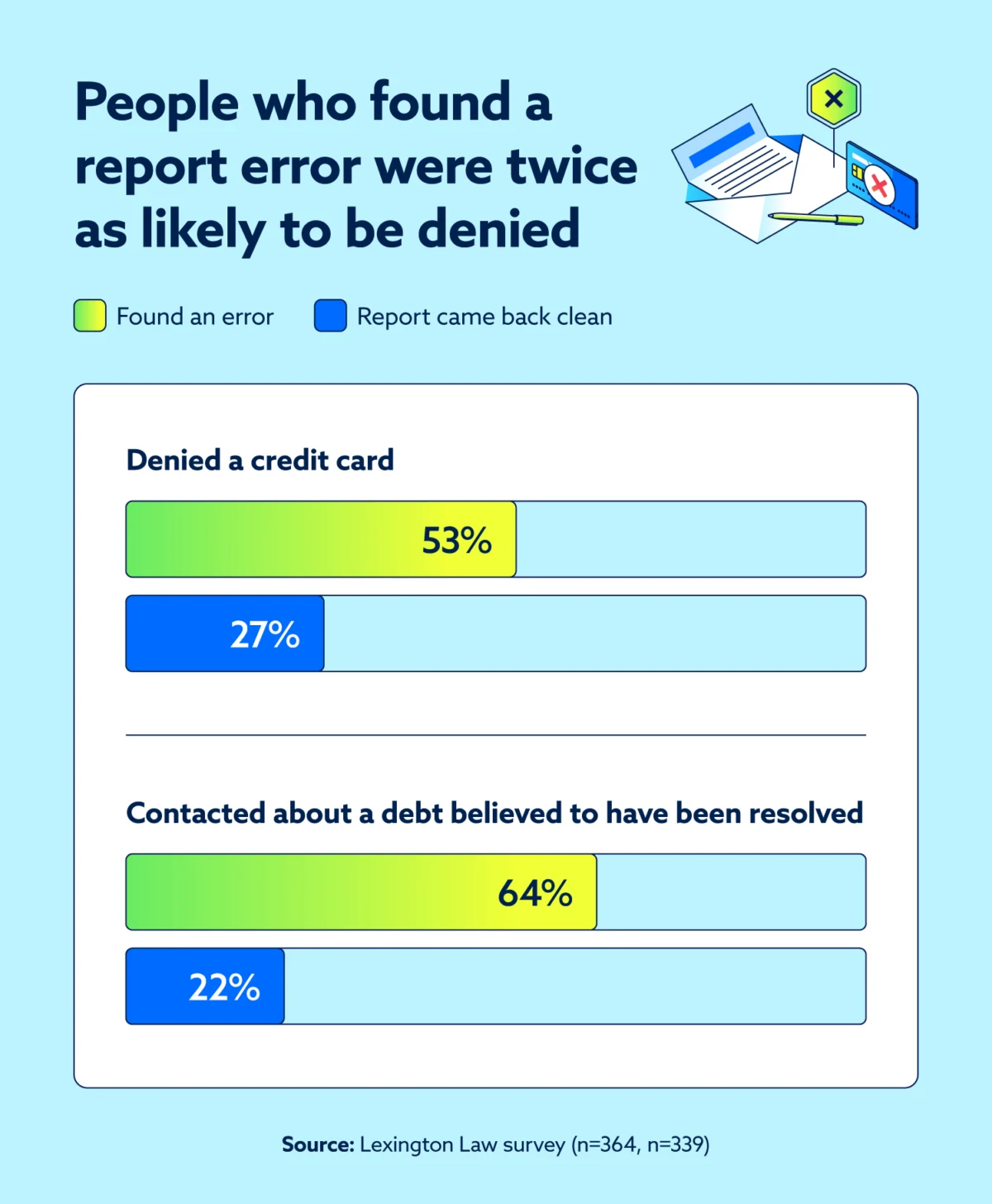
- Monitor Your History: Since the model relies on a 24-month window, ensure that your credit report accurately reflects your payment history. Inaccurate entries—such as ghost debts or outdated late payments—can suppress your score despite recent responsible behavior.
- Strategic Debt Management: If you are a "revolver," focus on paying down balances systematically. The model rewards the downward trend of debt utilization, which can lead to a significant score increase over a relatively short period.
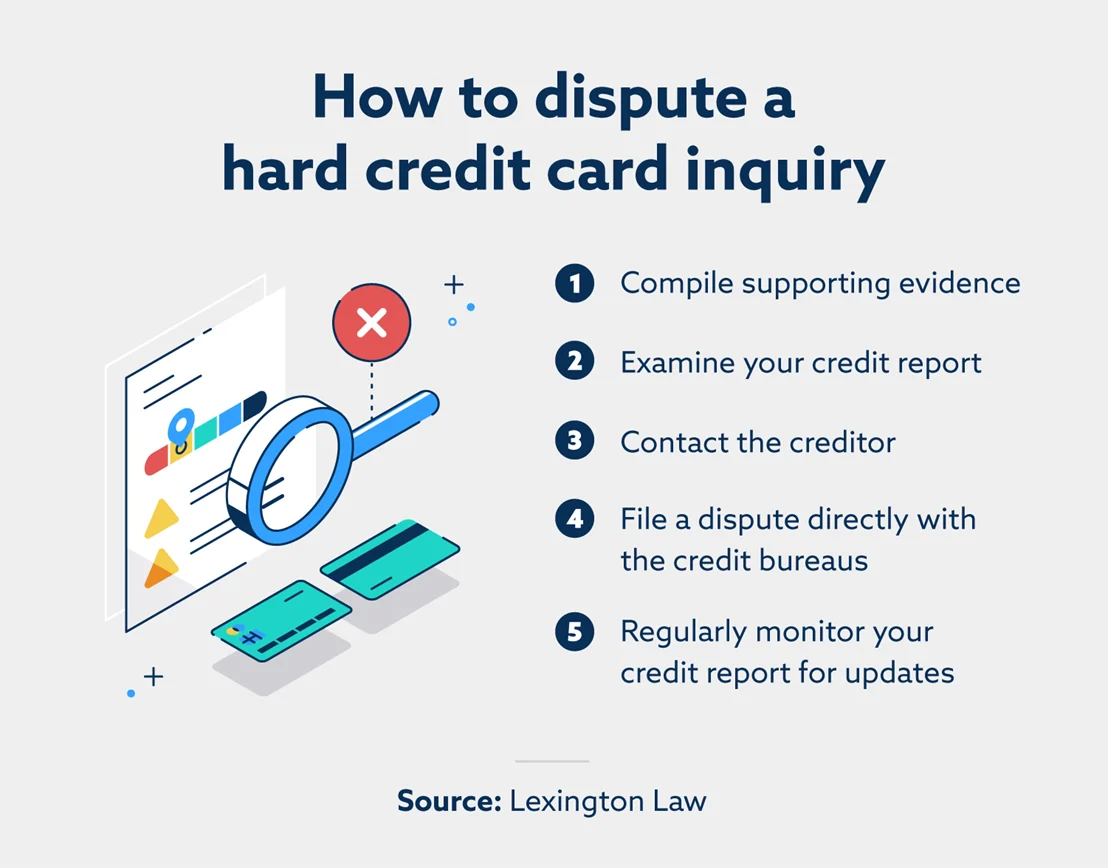
- Dispute Errors Early: With the high stakes of a mortgage application, it is essential to verify that your data is clean. Utilizing professional resources, such as the guidance offered by firms like Lexington Law, can help identify and dispute erroneous entries that may be skewing your 24-month trajectory.
Frequently Asked Questions (FAQ)
Is my VantageScore 4.0 higher or lower than my FICO® score?
Because both models share a 300–850 range, they are numerically comparable but not interchangeable. Many consumers find their VantageScore 4.0 is slightly higher than their FICO® score, primarily due to the exclusion of medical debt and a more generous treatment of recent payment patterns.
Does every lender use this model?
While Fannie Mae and Freddie Mac have made it a requirement for conforming loans, some private lenders or those using older, proprietary underwriting systems may still prioritize legacy models. Always ask your lender which scoring model is being used for your specific loan application.
What is considered a "good" score?
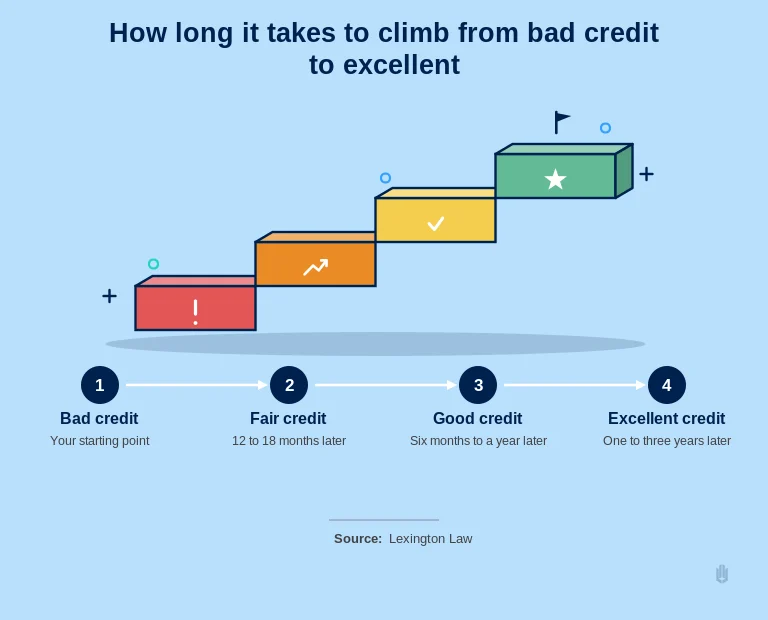
The industry standard remains consistent: a score between 661 and 780 is generally categorized as "good," while 781 and above is considered "excellent." Scores below 600 are typically viewed as "poor," and may require significant attention to your credit report before applying for a mortgage.
Conclusion: A More Transparent Future
The transition to VantageScore 4.0 represents more than just a change in software; it is a move toward a more sophisticated and transparent financial future. By prioritizing a long-term view of financial health, the system protects both the borrower and the lender, fostering a more stable housing market.
As we move deeper into 2026, the "credit score wars" are effectively ending, replaced by a dual-model requirement that provides a more complete, 360-degree view of the American consumer. Whether you are a first-time homebuyer or a seasoned homeowner looking to refinance, understanding the 24-month trended trajectory is now the most important step in your financial planning. By maintaining a steady, positive history and ensuring the accuracy of your credit report, you can navigate the modern mortgage landscape with confidence.
Note: The information provided on this website is for general informational purposes only and does not constitute legal, financial, or credit advice. For personalized guidance, please consult with a qualified financial advisor or credit specialist.