







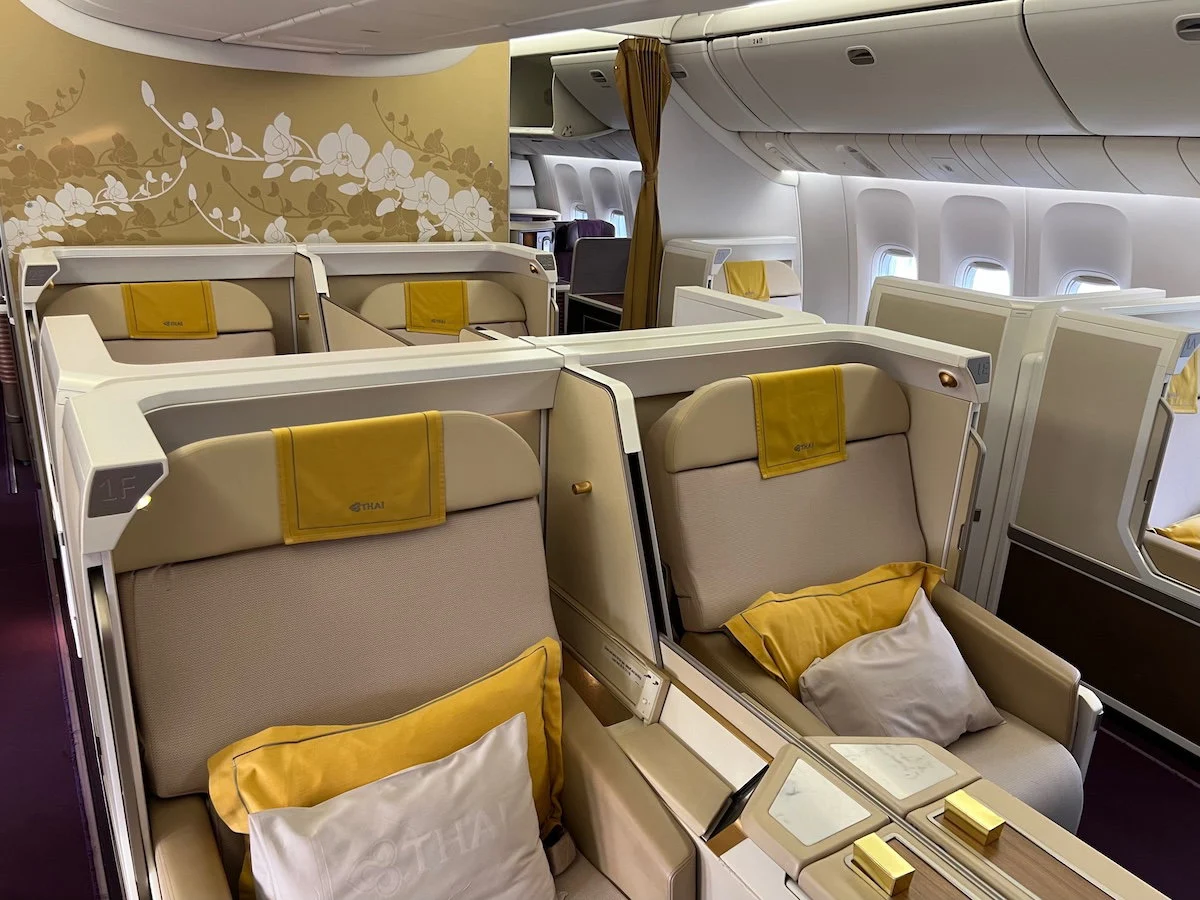
Thai Airways has officially pulled back the curtain on a comprehensive cabin modernization strategy, signaling a pivotal shift in the carrier’s long-term vision. The plan, which involves both retrofitting existing wide-body aircraft and outfitting new deliveries, promises to rectify years of fleet inconsistency that have historically hampered the airline’s reputation. By adopting the state-of-the-art Thompson Aero VantageNOVA platform, the flag carrier of Thailand is positioning itself for a competitive future in the premium travel market.
The Strategic Pivot: Addressing Fleet Inconsistency
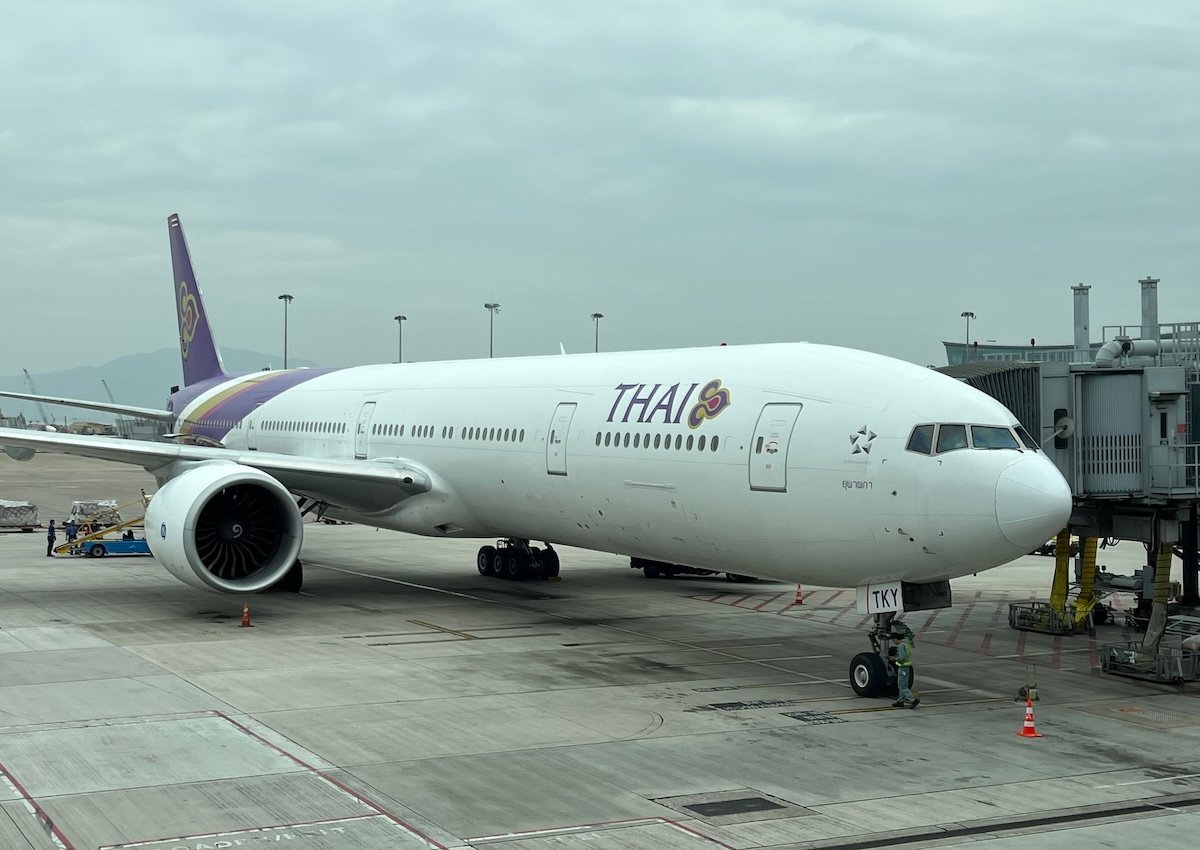
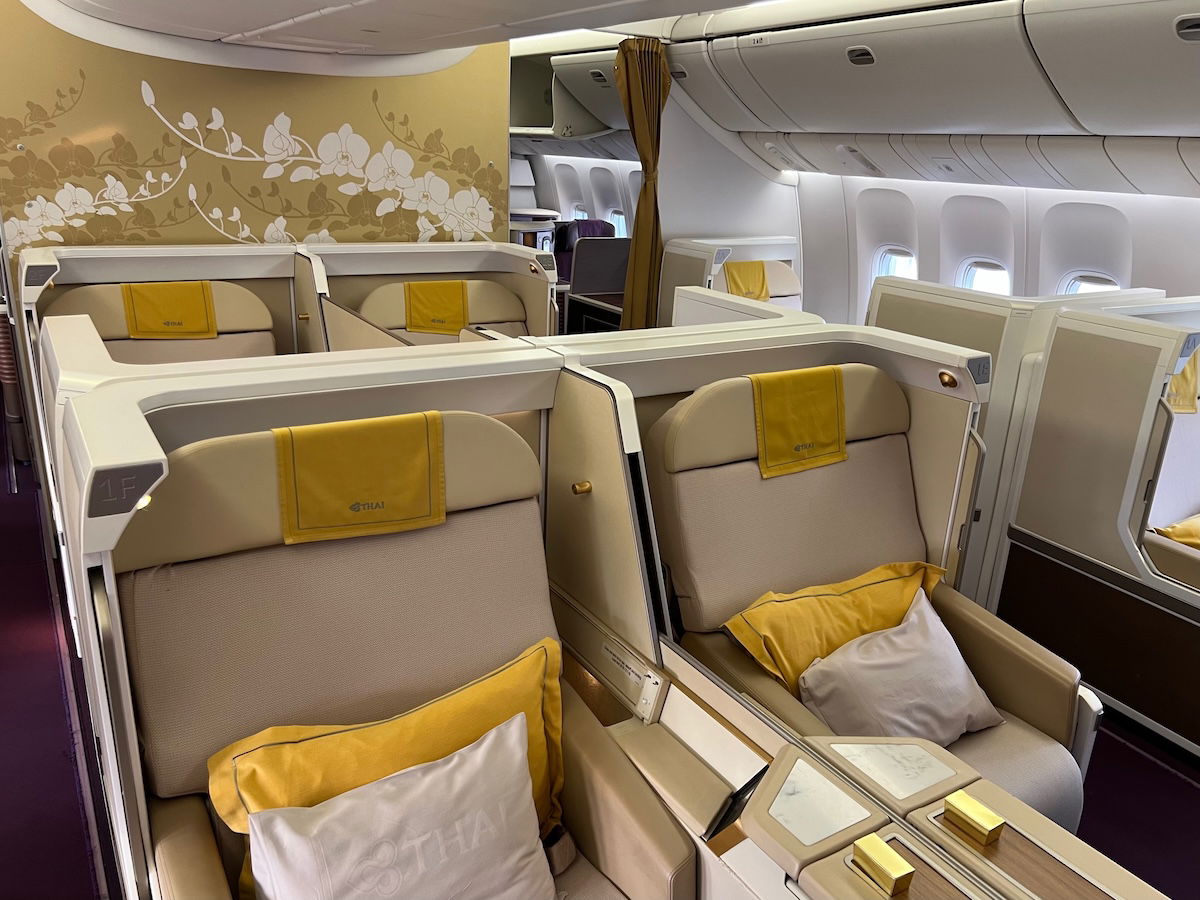
For decades, Thai Airways has operated a fragmented fleet, leaving passengers in a state of uncertainty regarding the quality of their onboard experience. This lack of uniformity was largely a byproduct of shifting corporate strategies and the financial turbulence that has defined the airline’s recent history. Frequent changes in leadership and the absence of a cohesive long-term vision resulted in a patchwork of seat configurations, with some aircraft offering industry-leading comfort and others lagging significantly behind modern standards.
However, the airline’s ongoing rehabilitation and financial turnaround plan have created the necessary stability to pivot toward a more standardized, premium-focused approach. The upcoming cabin rollout is not merely a cosmetic update; it is a core component of a broader effort to unify the passenger experience across the airline’s long-haul network. By streamlining its hardware, Thai Airways intends to ensure that regardless of the aircraft or route, the traveler can expect a predictable, high-quality standard of service.

The Roadmap: A Chronology of Change
The journey toward this new interior begins in earnest next year, with the primary milestone set for 2027.
- 2025–2026 (Preparatory Phase): The airline will continue its financial restructuring, finalizing the engineering and certification processes for the new interior layouts. During this period, the fleet will remain in its current state, with limited modifications as the airline prepares for the massive overhaul.
- 2027 (The Launch Year): This serves as the cornerstone of the transition. The first aircraft equipped with the new VantageNOVA cabins will enter commercial service. Simultaneously, the retrofitting process for existing long-haul workhorses, including the Boeing 777 and Airbus A350 fleets, will accelerate.
- Post-2027 (Fleet Standardization): As new aircraft are delivered, they will arrive factory-fitted with the new cabins. The airline expects a multi-year period of rolling retrofits until the legacy configurations are entirely phased out.
Breaking Down the New Cabin Architecture
The centerpiece of this announcement is the total retirement of the current First Class product. Thai Airways has opted to consolidate its premium offering, moving away from a traditional First Class to a more efficient, high-density, and luxurious "Business Class Plus" concept.
The VantageNOVA Advantage
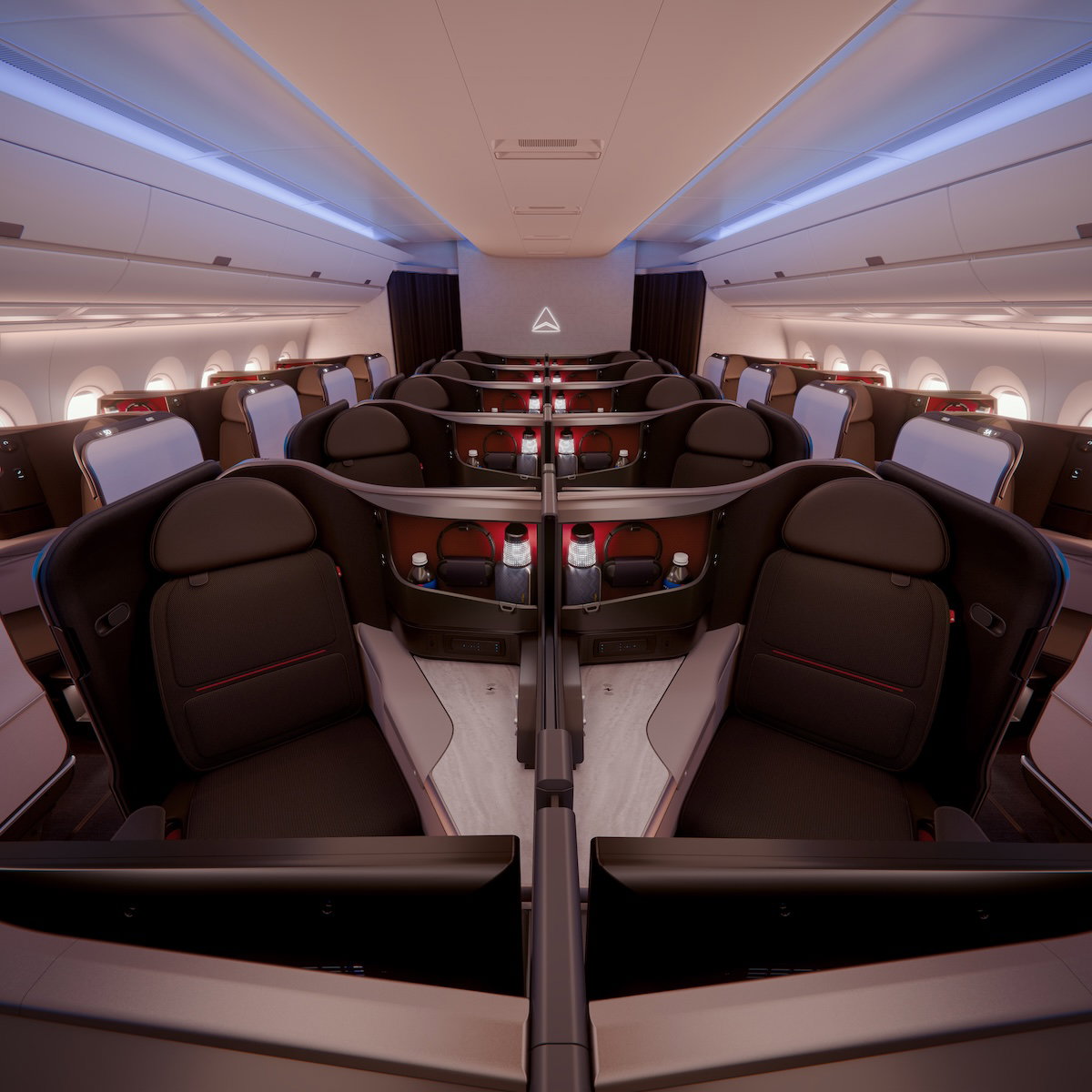
Thai Airways has selected the Thompson Aero VantageNOVA platform to serve as its new flagship business class. This platform is widely regarded as one of the most versatile and modern in the aviation industry. It offers a "reverse herringbone" configuration with integrated doors, providing passengers with an enclosed suite experience that emphasizes privacy—a feature that has become the gold standard for global legacy carriers.
Key features of the new layout include:
- Privacy and Personal Space: Every business class seat will feature direct aisle access, a significant improvement over some of the airline’s older, non-staggered configurations.
- Enhanced Entertainment: Passengers in standard business class will enjoy 24-inch high-definition monitors.
- The "Business Class Plus" Front Row: The first row of the cabin will offer an enhanced suite experience, featuring 32-inch monitors and additional storage, catering to the airline’s most discerning premium travelers.
Economy and Premium Economy Upgrades
The transformation extends beyond the front of the plane. The airline is introducing a dedicated premium economy product for the first time on many of its routes, filling a significant gap in its current offering. Furthermore, in the economy cabin, the Boeing 777 fleet will see a transition from a nine-abreast to a 10-abreast seating arrangement. While this increases density, the airline promises that the new seat designs will maximize ergonomics and personal space, mitigating the impact of the tighter configuration.
Supporting Data: Comparing the Competitive Landscape
The choice of the VantageNOVA seat is notable because it places Thai Airways in direct competition with major global players. Notably, Delta Air Lines has also selected the VantageNOVA platform for its upcoming Airbus A350-1000 deliveries. By choosing a platform that is being adopted by industry leaders, Thai Airways is ensuring that its hardware will be "future-proof" for at least the next decade.
Industry analysts point out that while the platform is modular, the final experience will depend heavily on the finishes—the "soft product" and the "hard trim." Thai Airways has signaled that its signature purple color palette will be central to the cabin’s aesthetic, aiming to blend modern, minimalist seating hardware with the airline’s rich, traditional Thai branding.
Official Stance and Market Response
Management at Thai Airways has framed these changes as an "essential evolution." In official communications, the airline has emphasized that the project is not just about new seats, but about restoring brand prestige. By eliminating the niche, high-maintenance First Class cabin, the airline can optimize its space to generate higher yields through a more consistent and scalable Business Class product.
Market analysts have generally responded with cautious optimism. The consensus is that while the transition will be capital-intensive, the move is necessary to compete with Gulf carriers and other Southeast Asian airlines that have already established high standards for cabin luxury. The shift to a "Business Class Plus" model is viewed as a pragmatic decision that aligns with current global aviation trends, where the demand for a private, suite-like business experience far outstrips the demand for traditional First Class.

Implications for the Future of Thai Aviation
The success of this rollout will have profound implications for the airline’s bottom line.
For the Business Traveler
The most immediate impact will be the removal of "seat roulette"—the current phenomenon where a traveler might book a flight expecting a lie-flat bed only to find a dated, angled seat. For corporate clients, consistency is the primary metric of quality. Once the 2027 rollout hits critical mass, Thai Airways will be able to market its network as a truly premium, uniform product.
For the Passenger Experience
The inclusion of a proper premium economy cabin is perhaps the most significant win for the average long-haul traveler. Currently, Thai Airways lacks a middle ground between economy and business, often leaving travelers to choose between a cramped seat or a very expensive business fare. By introducing a dedicated premium cabin, the airline will capture a larger market share of travelers willing to pay for extra comfort without the full cost of business class.
For the Financial Outlook
The decision to simplify the fleet configuration is expected to drive operational efficiencies. Maintaining fewer seat types reduces maintenance costs, simplifies crew training, and allows for better inventory management of spare parts. This efficiency is vital as the airline continues to emerge from its rehabilitation phase.
Conclusion
Thai Airways is embarking on a bold, necessary journey. The move to the Thompson Aero VantageNOVA platform represents a commitment to modernizing the passenger journey while streamlining operational complexities. By focusing on a high-quality, consistent business class and a new premium economy offering, the airline is clearly signaling that it is ready to compete on the global stage once again. While 2027 may seem like a distant horizon, the preparations currently underway suggest that the "new" Thai Airways will be a formidable competitor, balancing its iconic Thai hospitality with the cutting-edge hardware of the modern era. As the airline moves forward, the focus will undoubtedly remain on the execution of this complex, multi-year cabin retrofit—a project that will define the carrier’s identity for years to come.