








Starting October 1, 2026, Delta Air Lines is set to transform the onboard drinking experience for its Delta One business class passengers. The airline has unveiled a comprehensive update to its wine program, featuring a curated selection of 13 wines sourced from 11 prestigious winery partners. While the move is undoubtedly an upgrade for the passenger experience, it also serves as a strategic maneuver in the increasingly competitive landscape of premium transcontinental and international air travel.
The Core Facts: A Shift Toward Napa and Global Excellence
The centerpiece of Delta’s announcement is a rigorous curation process. The airline claims to have evaluated over 1,600 individual wines, ultimately selecting a portfolio that emphasizes both domestic prestige and global variety.
The domestic focus is perhaps the most significant departure from previous offerings. All American-sourced wines in the new program hail from Napa Valley, a region synonymous with luxury viticulture. This move aligns with Delta’s broader effort to position itself as a "lifestyle brand," moving away from the generic offerings that have historically plagued domestic premium cabins.
Perhaps most notably, Delta is extending its partnership with the renowned Champagne house Taittinger to its domestic Delta One flights. Previously, the domestic product had been criticized for its lackluster selection; the inclusion of Taittinger represents a substantial quality-of-life upgrade for passengers flying premium transcontinental routes.
Chronology of the Transformation
The transition to the new menu is scheduled for October 1, 2026. However, the work behind this rollout began long before the public announcement.

- Mid-2025 – Early 2026: Delta initiated its search for new partners, evaluating 1,600 wines across various global regions.
- Spring 2026: The airline recruited a panel of SkyMiles members to participate in blind taste tests. This initiative was designed to incorporate customer feedback directly into the curation process.
- Summer 2026: Final selections were confirmed, focusing on a balance between Napa Valley icons and international classics from France, Spain, and New Zealand.
- October 1, 2026: Official launch of the new wine menu across all Delta One cabins, both domestic and international.
Supporting Data and Selection Methodology
Delta’s approach to this overhaul is characterized by a "ground-to-air" philosophy, albeit one that has sparked some debate regarding its execution. The airline’s decision to involve SkyMiles members in blind tastings highlights a desire to make the premium cabin feel more personalized.
However, industry observers have pointed out an inherent irony: the taste tests were conducted entirely on the ground. As many sommeliers and airline catering experts have noted, the human palate changes significantly at high altitudes due to lower cabin pressure and reduced humidity. While a wine may perform exceptionally well in a controlled, sea-level environment, its flavor profile can shift dramatically at 35,000 feet. Delta maintains, however, that its selection process specifically accounted for "versatility," ensuring that the chosen labels retain their character despite the challenges of the aircraft environment.
The program includes:
- Napa Valley Icons: A deep commitment to California’s most prestigious wine-growing region.
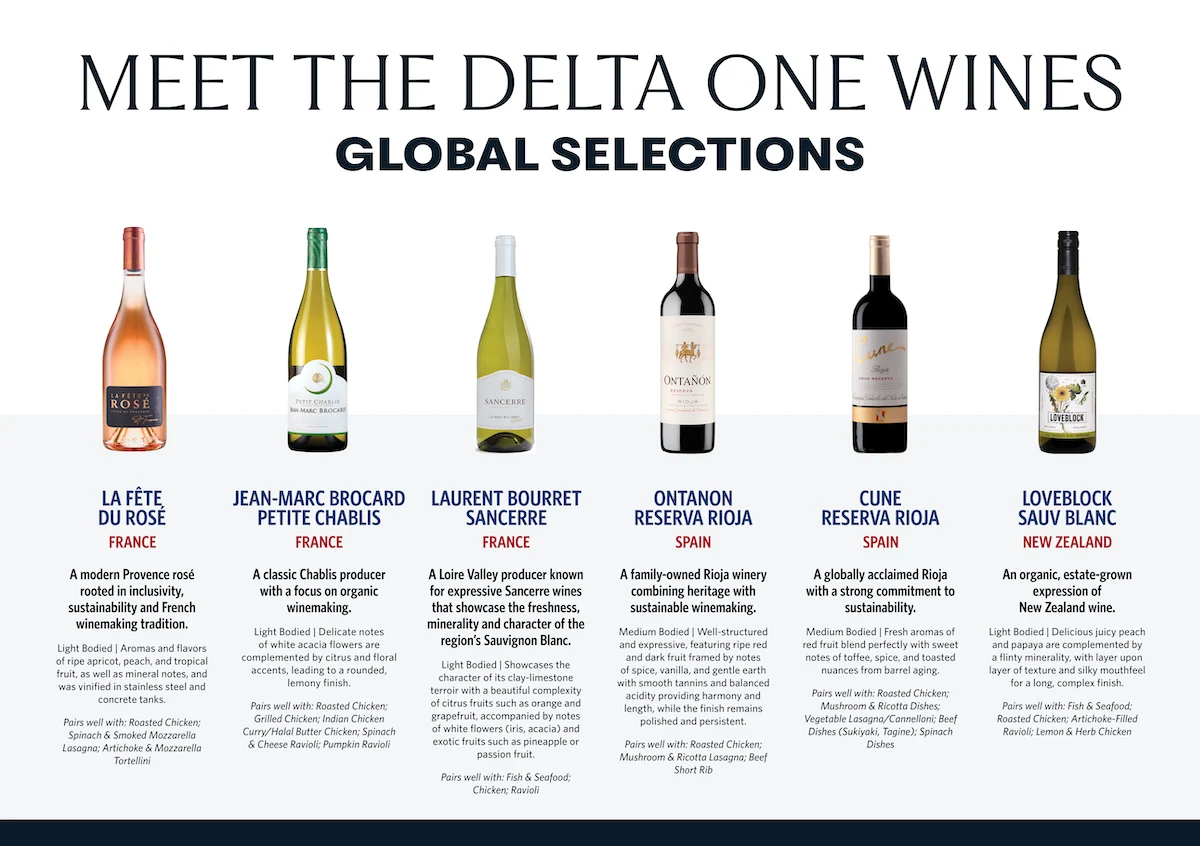
- Global Selections: Targeted imports from France, Spain, and New Zealand to provide a diverse, sophisticated flight menu.
- The Sky Sommelier Program: An internal training initiative for flight attendant leaders, aimed at turning cabin crew into knowledgeable ambassadors for the wine list.
Corporate Messaging and the "Lifestyle Brand" Strategy
Delta’s marketing materials regarding this launch are nothing if not ambitious. The airline characterizes the wine program as a journey of "curiosity," aiming to "remove the intimidation often associated with wine." The press release accompanying the announcement utilizes flowery, evocative language, suggesting that passengers don’t just consume wine—they "explore the globe with their taste buds."
This branding strategy is a calculated move to differentiate Delta from competitors like American Airlines, which typically maintains a more utilitarian approach to its service announcements. For Delta, the wine program is not just about liquid refreshments; it is a vital component of the "Delta One" identity. By framing the product in terms of storytelling and craft, the airline is successfully marketing a premium experience that transcends the basic utility of transportation.

Implications for the Airline Industry
The timing of this announcement is unlikely to be a coincidence. The premium travel market is currently undergoing a period of intense competition. United Airlines, for instance, has aggressively marketed its "Polaris" business class for domestic transcontinental flights, offering enhanced amenities and lounge access that previously were reserved for international routes.
Delta’s move to bring high-end Champagne and Napa-tier wines to domestic routes is a direct counter-response to this industry trend. When one carrier elevates its soft product—the service, food, and beverage—others are forced to follow suit to maintain their market share among high-spending business travelers.
Furthermore, the "Sky Sommelier" program raises the stakes for cabin service. By explicitly training staff to discuss wine profiles with passengers, Delta is attempting to replicate the high-touch service found in fine-dining establishments. While critics might argue that this is a marketing embellishment—noting that carriers like Emirates and Singapore Airlines have long provided sophisticated wine service—it nonetheless signals an intent to raise the baseline for US-based carriers.
Official Responses and Public Reception
The industry reception to the news has been mixed, balancing appreciation for the quality upgrade with skepticism regarding the corporate rhetoric.
Frequent flyers generally welcome the introduction of better Champagne on domestic flights, as it addresses a long-standing pain point. The "cat urine" label often applied to previous domestic offerings by aviation enthusiasts underscores the relief with which this change has been met. However, the "lifestyle brand" branding has drawn eye-rolls from industry analysts who find the 1,500-word press release excessive.

There is a distinct contrast between Delta’s approach and that of American Airlines. Where American prefers to announce product changes with a straightforward "here is something you might like" attitude, Delta leans into the narrative of being a premium lifestyle curator. Whether this resonates with the average traveler remains to be seen, but it is clear that Delta is doubling down on the belief that passengers desire an "experience" rather than just a seat.
Conclusion: A Toast to Progress
The rollout of the new Delta One wine program is, at its core, a win for the passenger. While the marketing jargon may be heavy, the objective reality is that the quality of beverages in the cabin is improving. By investing in partnerships with Napa Valley estates and elevating the domestic sparkling wine offering to the standard of a high-quality Taittinger, Delta is signaling that it intends to remain a top-tier contender in the premium cabin wars.
As the program goes live on October 1, the true test will be how the wines perform in the air and whether the flight attendants can effectively communicate the value of the new selections. If the execution matches the ambition, Delta may well succeed in its goal of making the premium cabin not just a place to sleep, but a destination for the curious, wine-loving traveler. Whether one finds the "lifestyle brand" messaging appealing or pretentious, the improvement in the glass is something that few travelers will complain about.