







In a striking incident that has sent shockwaves through the aviation industry, a routine KLM Royal Dutch Airlines flight was abruptly transformed into a mid-air emergency when a lithium-ion power bank ignited within the cabin. The incident, which occurred over the Atlantic Ocean on September 17, 2026, serves as a harrowing reminder of the inherent dangers posed by portable battery packs in high-altitude environments. However, what began as a cautionary tale about aviation safety quickly devolved into a high-profile scandal: the individual responsible for the blaze was identified as none other than Camiel Eurlings, the former CEO of KLM.
The Anatomy of an Aviation Incident
The incident took place aboard KLM flight KL735, a Boeing 777-300ER (registration PH-BVP), which was bound for Curaçao (CUR) from Amsterdam Schiphol Airport (AMS). The aircraft departed Amsterdam at 3:21 PM local time, already trailing its scheduled 1:25 PM departure by nearly two hours.
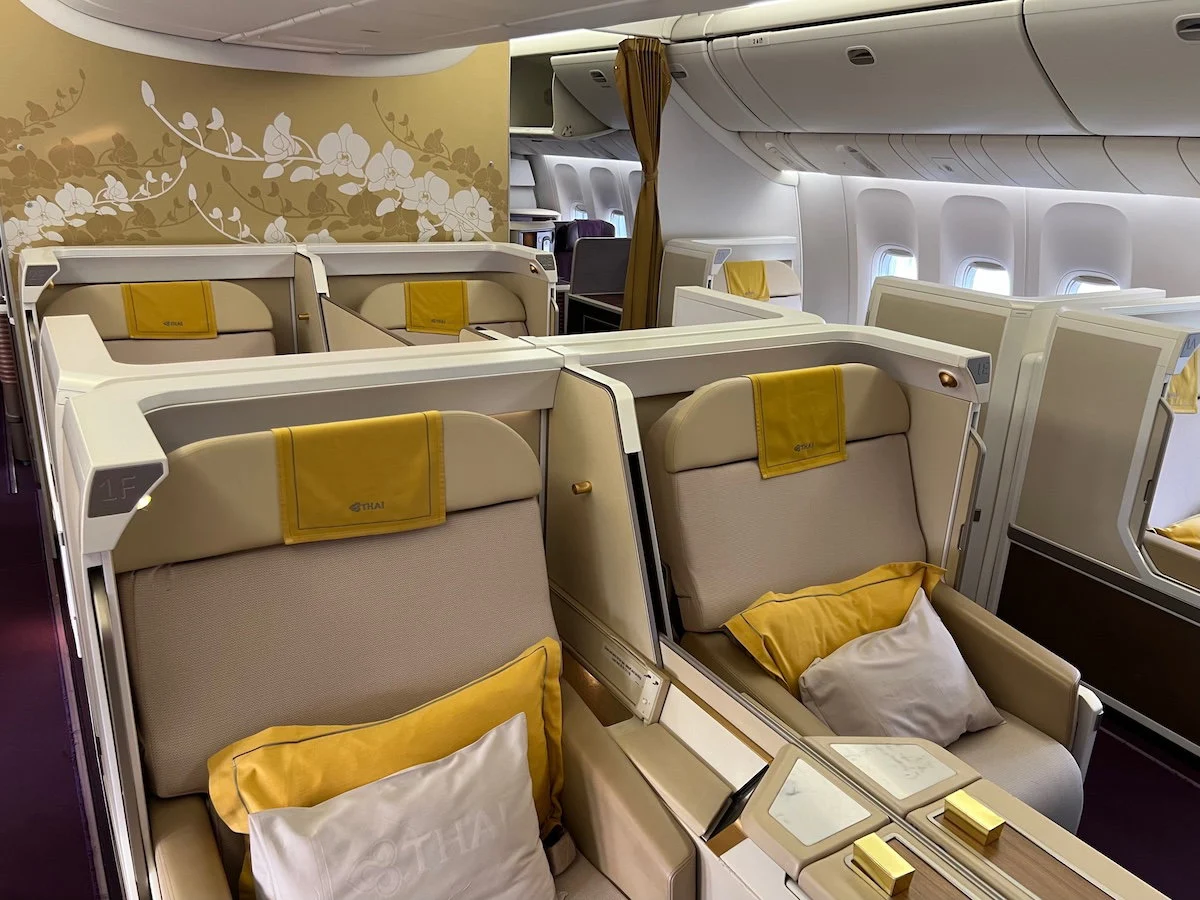
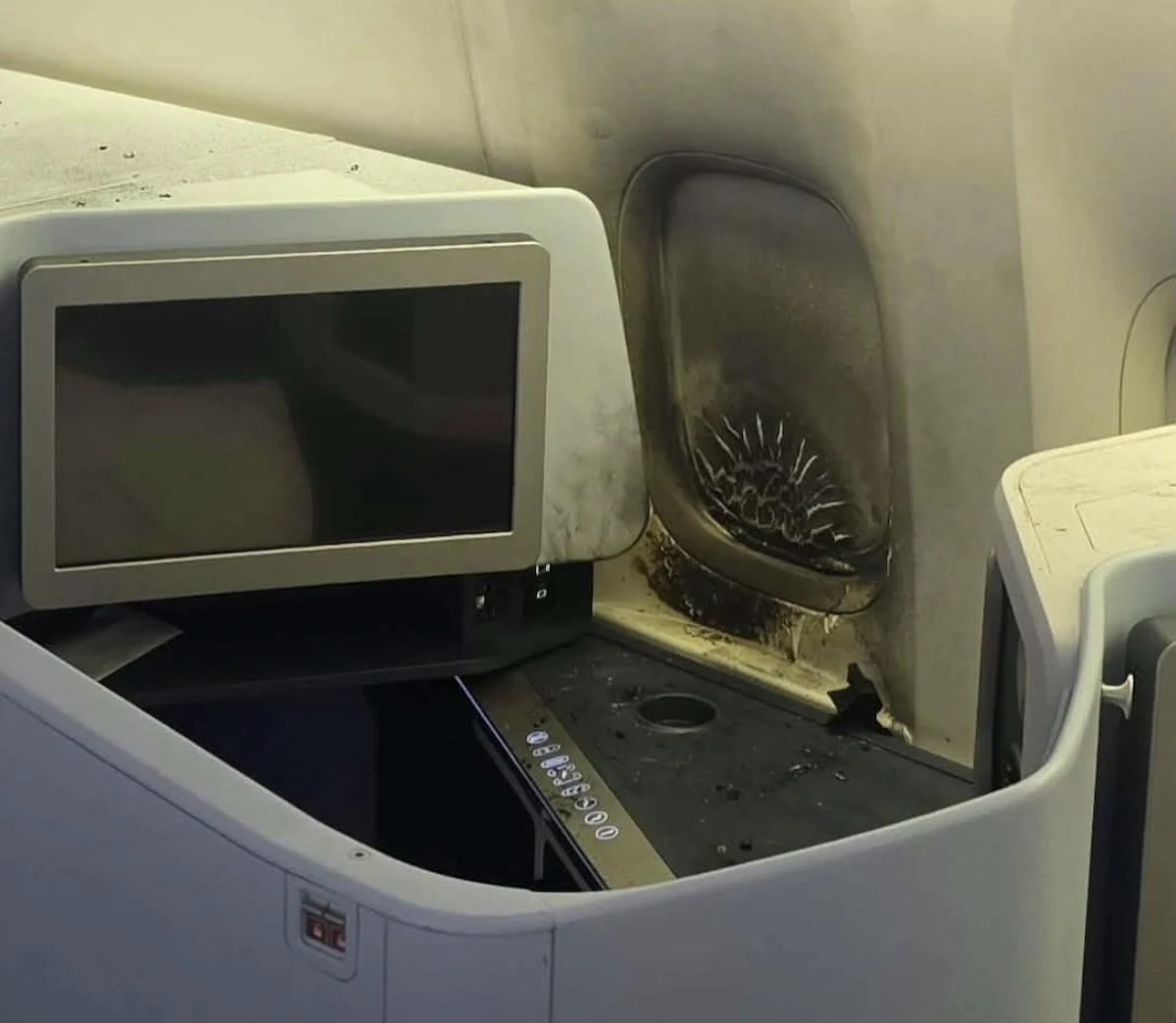
Approximately two and a half hours into the flight, while the aircraft was cruising over the Atlantic, the calm of the business class cabin was shattered. A lithium-ion power bank, being used by a passenger in an unauthorized manner, suffered a thermal runaway event. The resulting fire caused significant localized damage to the aircraft’s seat upholstery and surrounding cabin infrastructure.
The rapid response of the flight crew, who were trained to handle in-flight fires, prevented a catastrophic outcome. The crew successfully extinguished the flames, but the damage to the cabin was extensive enough to necessitate a critical operational decision. Recognizing the potential for structural damage and the need for a thorough safety inspection, the flight deck crew initiated an air-turnback. The Boeing 777 returned to Amsterdam, landing safely at 8:42 PM, roughly five hours and twenty minutes after its initial departure.
A Breach of Protocol at 35,000 Feet
Aviation authorities, including the International Air Transport Association (IATA) and the European Union Aviation Safety Agency (EASA), maintain stringent regulations regarding portable electronic devices. Lithium-ion batteries, which power the vast majority of consumer electronics, are notoriously volatile when damaged, short-circuited, or subjected to extreme temperature fluctuations.
KLM’s policy is explicit: passengers are permitted to carry up to two power banks in their carry-on luggage, but these devices must remain stowed, visible, and—most importantly—must never be used to charge devices during the flight. The prohibition is designed to prevent thermal runaway, a condition where a battery’s internal chemistry fails, leading to an uncontrollable increase in temperature and the release of toxic, flammable gases.
The revelation that the passenger responsible for the fire was Camiel Eurlings—who served as the Chief Executive Officer of KLM from 2013 to 2014—has sparked intense public debate. Reports indicate that Eurlings was using the power bank to charge his device while he slept. The irony is stark: as a former airline executive, Eurlings would have been intimately familiar with the safety protocols and the reasoning behind them. Furthermore, the business class seat was equipped with integrated power outlets, rendering the use of an external, potentially hazardous power bank entirely redundant.
Chronology of the Diversion
The timeline of the incident highlights the logistical complexity of managing a mid-air emergency:

- 13:25: Original scheduled departure from Amsterdam (AMS).
- 15:21: Actual departure time of flight KL735.
- 17:51 (approx.): The power bank catches fire in the business class cabin.
- 17:55–18:10: Flight attendants successfully extinguish the fire using onboard fire suppression equipment.
- 18:15: The captain makes the decision to divert back to Amsterdam due to cabin damage and safety concerns.
- 20:42: The aircraft lands safely at Amsterdam Schiphol.
- Post-landing: Passengers are disembarked and rebooked onto alternate flights to Curaçao.
The Hazards of Lithium-Ion in the Skies
The aviation industry’s obsession with battery safety is not without cause. Lithium-ion batteries are energy-dense, and when they fail, they release an intense amount of heat that is difficult to suppress. In an enclosed environment like an aircraft cabin, a fire of this nature can produce smoke that is toxic and potentially blinding, and if the fire spreads to the aircraft’s insulation or wiring, the consequences could be fatal.
By prohibiting the use of power banks during flight, airlines ensure that if a battery is defective, the risk of it entering a thermal runaway state due to physical pressure or accidental charging is minimized. When a passenger bypasses these rules, they effectively gamble with the lives of everyone on board.
Official Responses and Lack of Legal Recourse
In the aftermath of the incident, many expected KLM to take a hardline stance against Eurlings. In the aviation world, passengers who endanger flights are frequently met with significant fines, blacklisting, and even criminal prosecution.
However, a spokesperson for KLM has confirmed that the airline does not currently plan to pursue fines or legal action against the former executive. This announcement has been met with skepticism from aviation enthusiasts and the general public, many of whom argue that a "rule for thee, but not for me" culture persists within the upper echelons of corporate leadership. The airline has not commented on whether Eurlings will face internal sanctions or a suspension of his travel privileges, leaving many to wonder if his past role as CEO provided a layer of protection that an ordinary passenger would not enjoy.
Broader Implications for Aviation Safety
The KLM incident raises critical questions about passenger education and enforcement. If a former airline CEO can disregard fundamental safety protocols, it suggests that the industry’s current methods of communicating these risks may be failing to reach a segment of the traveling public that feels exempt from standard rules.
- The "Expert" Blind Spot: The incident underscores that even those with intimate knowledge of aviation operations are capable of dangerous negligence. It suggests that complacency is a universal risk.
- Infrastructure vs. Compliance: The fact that the passenger chose to use a power bank despite having access to in-seat power highlights a disconnect between the availability of safe, built-in charging solutions and the ingrained habits of modern travelers.
- Accountability: The airline’s decision to refrain from pursuing damages sets a controversial precedent. In an era where "unruly passenger" incidents are on the rise, the perception of lenient enforcement could undermine the authority of flight crews who must enforce these rules daily.
Conclusion: A Lesson in Caution
As the aviation industry continues to grapple with the increasing prevalence of portable electronics in the cabin, the KL735 incident will likely be cited in future safety briefings. The damage to the aircraft—a long-range, wide-body jet—is costly, both in terms of repair and lost revenue while the plane sits in the hangar. More importantly, the psychological toll on the passengers and the physical danger posed by the fire cannot be measured in currency.
While the story of a former CEO inadvertently causing a mid-air fire may seem like an outlier, it serves as a sobering reminder: the rules governing air travel are written in the blood of previous accidents. Regardless of one’s status, title, or experience, the safety of the aircraft must remain the paramount concern. For now, the flying public is left to wonder if the "flight to nowhere" will lead to a broader, more rigorous enforcement of cabin safety policies, or if the special treatment of industry insiders will continue to color the perception of aviation justice.