







In the modern financial landscape, your credit score is more than just a three-digit number—it is a digital proxy for your reliability, fiscal responsibility, and trustworthiness. From securing a competitive mortgage interest rate to obtaining favorable terms on an auto loan or even passing a background check for a rental apartment, your credit history acts as a gatekeeper to your financial future.
However, the process of building credit is often shrouded in mystery. Many individuals operate under the misconception that credit is an inherent status, failing to realize that for those starting from scratch, a credit score is a manufactured metric that requires time, patience, and deliberate action to construct.
The Reality of Credit Development: Main Facts
At its core, a credit score is a measurement of risk. Lenders, credit card issuers, and service providers look at your history to predict the likelihood that you will repay borrowed funds. If you have no credit history, you are an "unknown" entity, which is why a complete lack of credit can be almost as challenging as having poor credit.
For individuals starting from zero, the industry standard for generating a credit score is approximately six months. FICO® and VantageScore® models generally require at least one active, reported account with six months of history to generate a reliable assessment.
It is important to distinguish between "building" and "rebuilding." Building from scratch is a constructive process of establishing a baseline. Rebuilding, conversely, involves a remediation process where you must first offset negative marks—such as late payments, charge-offs, or bankruptcies—before you can begin to see significant growth.
The Chronology of Credit Growth
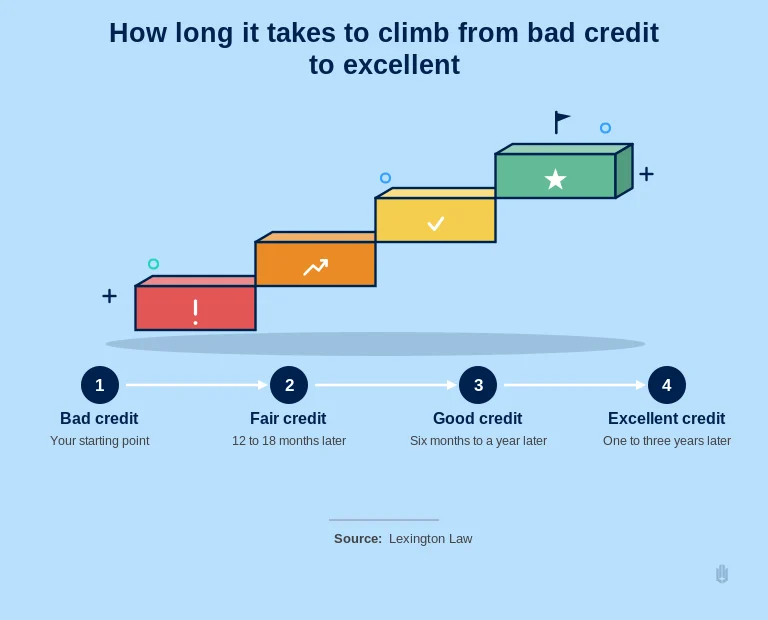
Understanding the timeline of credit development is essential for managing expectations. While individual results vary based on local reporting and personal financial habits, the following stages represent the standard trajectory of credit maturity.

Phase 1: The Initial Six-Month Foundation
The first hurdle for any newcomer—whether a recent graduate, an immigrant, or someone who has historically relied exclusively on cash—is the "ghost" phase. During this period, you have no score because you have no reported activity. By opening a starter account, such as a secured credit card or a credit-builder loan, you begin the clock. After six months of consistent, on-time payments, the bureaus will have sufficient data to generate your inaugural FICO or VantageScore.
Phase 2: Bad to Fair (12 to 18 Months)
If you are moving from a position of damaged credit, this is the most grueling stage. Negative marks like collections or defaults carry significant weight. To move into the "fair" range, you must demonstrate a sustained period of reliability. This typically requires 12 to 18 months of impeccable payment history. During this time, the negative marks are not necessarily removed, but they begin to age, losing their relative impact on your overall score as your newer, positive history gains prominence.
Phase 3: Fair to Good (6 to 12 Months)
Once you have cleared the initial hurdles and established a "fair" score, moving to "good" is generally faster. This transition usually reflects a lack of active damage rather than the need to overcome past mistakes. By keeping your credit utilization ratio low—ideally below 30%—and avoiding new derogatory marks, most individuals can cross into the "good" range within a year.
Phase 4: Good to Excellent (1 to 3 Years)
Reaching the top tier of the credit spectrum is a marathon, not a sprint. Excellent credit scores are built on a bedrock of long-term history. Because "Length of Credit History" is a major component of the scoring formula, there is no shortcut here. You must allow your oldest accounts to age, which requires consistent maintenance of your existing lines of credit over several years.
Supporting Data: The Mechanics of the Score
While various scoring models exist, the industry is dominated by FICO and VantageScore. While they share the same goal, their internal weighting systems differ slightly.
The FICO Weighting System
- Payment History (35%): The single most important factor. A single late payment can cause a significant dip.
- Amounts Owed (30%): This measures your utilization ratio. High balances relative to your credit limits suggest financial distress.
- Length of Credit History (15%): The age of your oldest account and the average age of all accounts.
- New Credit (10%): Multiple applications for credit in a short window can signal desperation to lenders.
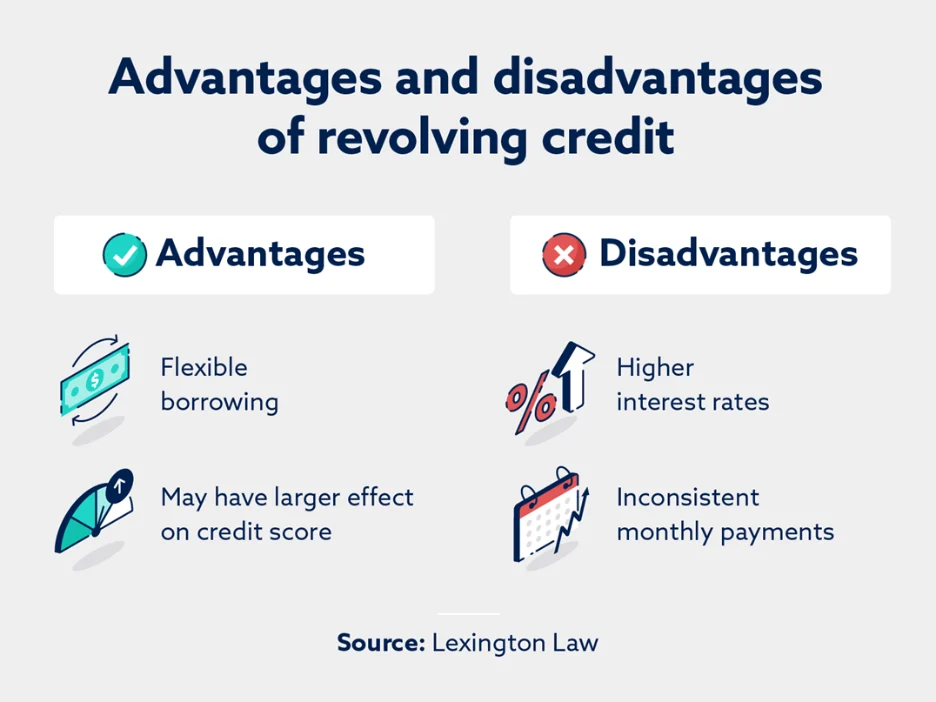
- Credit Mix (10%): A healthy variety of credit, such as revolving credit cards and installment loans (auto or student loans), shows you can manage different types of debt.
The VantageScore Approach
VantageScore uses a similar but slightly different hierarchy, often placing a heavier emphasis on payment history and prioritizing the "trended data" of your credit usage over the last 24 months. Both models agree on one thing: consistency is the primary driver of score improvement.

Implications: The High Cost of Missteps
The danger of building credit is that progress is additive, but decline can be sudden. A single missed payment or a maxed-out credit card can undo months of diligent work. When a negative event occurs, the recovery time is rarely linear.
If you incur a default or a collection, you are no longer just building; you are "repairing." Repairing credit often requires 12 to 24 months of perfect performance to offset the damage. The implication here is clear: the most efficient way to build credit is to avoid the "rebuild" cycle entirely. This means setting up autopay, monitoring your accounts for fraudulent activity, and never applying for credit you do not need.
Expert Insight and Official Advocacy
A common, yet often overlooked, obstacle in the credit journey is the presence of inaccuracies. Credit bureaus are not infallible; they receive millions of data points daily, and errors occur. An erroneous collection account or a misreported late payment can act as an anchor, preventing your score from rising regardless of how well you manage your other accounts.
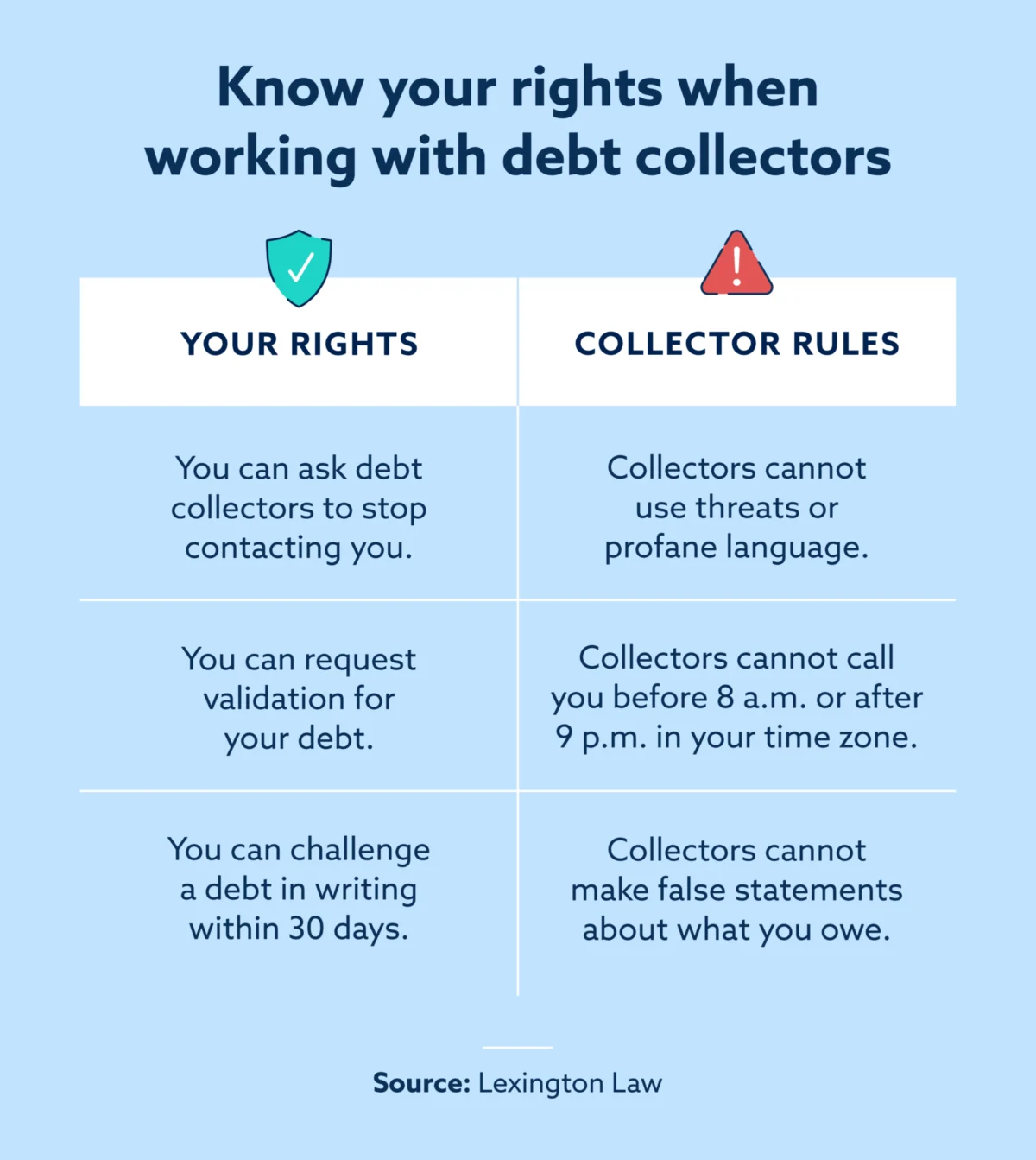
Lexington Law Firm emphasizes that the credit-building process should be proactive. If you identify items on your report that are inaccurate, outdated, or unfair, you have the legal right to challenge them.
"For many consumers, the primary issue isn’t a lack of effort, but rather the presence of errors that suppress their score," notes an advocate from Lexington Law. "Disputing these items with the bureaus is a critical component of credit management that allows your hard work to actually reflect in your score."
Frequently Asked Questions (FAQs)
Can I fix my score in 30 days?
While you cannot erase a long-standing history of debt in a month, you can see a rapid increase in your score by paying down high balances. Because credit utilization is reported frequently, lowering your balance before the statement closing date can result in an immediate score boost.

What is the fastest way to build credit?
Becoming an authorized user on a family member’s well-managed account is one of the fastest methods. Their positive payment history is "piggybacked" onto your report, giving you an immediate boost without the need to apply for your own high-limit cards.
Does checking my own score hurt it?
No. Checking your own credit report or score is considered a "soft inquiry." It is not visible to lenders and has zero impact on your creditworthiness. Only "hard inquiries," which occur when a lender reviews your file after you apply for a loan, impact your score.
Conclusion
Building a credit score is an exercise in discipline. Whether you are a student just starting out or an adult working to recover from financial setbacks, the path is defined by consistency, low utilization, and the patience to let time work in your favor. By understanding the factors that weigh most heavily on your score—and ensuring that your credit report is free of errors—you can navigate the financial landscape with confidence, securing the interest rates and lending opportunities you deserve.