









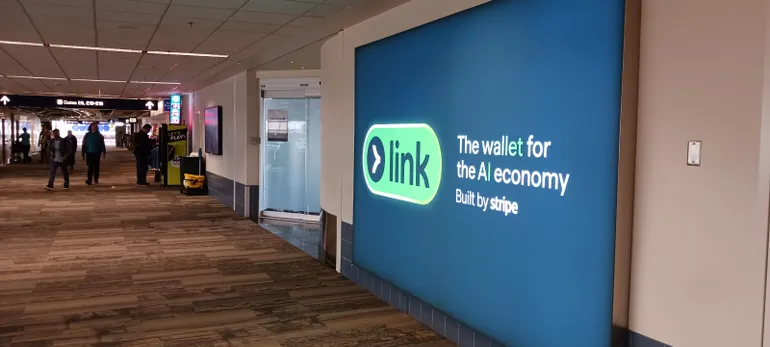
In a landscape where artificial intelligence is rapidly evolving from a conversational curiosity into a transactional engine, Stripe is making a decisive play to secure its foothold in the future of retail. The fintech giant is aggressively integrating its "Link" digital wallet into the infrastructure of leading AI agents, aiming to facilitate autonomous payments for consumers. As the era of "agentic commerce"—where bots shop, negotiate, and transact on behalf of humans—dawns, Stripe is betting that the wallet of the future will be embedded directly into the intelligence layer of the internet.
The Shift to Agentic Commerce: A Strategic Imperative
The core premise of agentic commerce is simple yet revolutionary: AI agents will soon handle the friction of daily life, including the procurement of goods and services. For a company like Stripe, which has historically functioned as the "plumbing" for merchant-facing payment processing, this shift represents both an opportunity and an existential challenge.
To remain relevant, Stripe must pivot from being a back-end utility for businesses to becoming a trusted, consumer-facing interface for autonomous agents. By integrating Link into the ecosystems of industry titans like Meta, xAI, and high-growth startups like Instinct, Stripe is positioning itself as the default payment rail for the next generation of AI-driven commerce.
Chronology: The Rapid Deployment of Link
Stripe’s move into agentic payments has been methodical and swift. The following timeline illustrates the company’s recent momentum:
- April 2026: During its annual developer and customer conference, Stripe officially debuted its "payments for AI agents" initiative, signaling a major strategic shift to support machine-to-machine commerce.
- August 2026: Stripe announced key integrations for its Link wallet, most notably with xAI’s Grok Bot, supported by Elon Musk’s SpaceX infrastructure. Simultaneously, the company confirmed a partnership with Instinct, a rising AI assistant platform specializing in SMS and email-based interactions.
- September 8, 2026: Meta Platforms announced that it had integrated Stripe’s Link wallet into its new personal AI assistant, "Muse." This move allows Muse to complete transactions directly on behalf of Facebook and Instagram users, marking one of the most high-profile deployments of agentic commerce to date.
- September 15, 2026: Industry analysts confirmed that the startup behind the Instinct agent, Spear Street Technology, was in advanced discussions for a funding round that could push its valuation to $10 billion, highlighting the massive capital flowing into the agentic ecosystem.
Supporting Data: The Power of Link
Stripe’s Link wallet is not a nascent product; it is a battle-tested tool that the company is now repurposing for the AI era. According to data provided by Stripe:
- Global Reach: Over the five years since its inception, Link has amassed 300 million global users.
- Merchant Integration: The wallet is currently integrated with approximately 1 million merchants, providing a massive existing network for AI agents to tap into immediately.
- Performance Metrics: Stripe claims that Link significantly accelerates the checkout process and boosts merchant conversion rates—a crucial factor for AI agents tasked with optimizing shopping experiences.
The security architecture of Link is central to its adoption by these AI platforms. By utilizing a "one-time-use" virtual card mechanism, Link ensures that the underlying payment information is never exposed to the AI agent itself. This "card-on-file" abstraction serves as a critical security layer, mitigating the risks inherent in delegating financial decisions to autonomous software.
Official Responses and Industry Perspectives
The integration of Link into Meta’s Muse agent has brought the question of consumer protection to the forefront. Meta has emphasized that Muse transactions carry Link’s "free coverage," which includes safeguards for damaged or lost items, price drops, and no-fee returns.
Industry experts have been quick to weigh in on the implications. Simon Taylor, head of market development for the Stripe-backed blockchain entity Tempo, recently noted on LinkedIn that "Link is becoming the wallet agents default to." Taylor highlighted that Stripe’s current reach extends beyond the aforementioned partnerships, with merchant checkout tasks already being explored within the environments of ChatGPT, Gemini, and Microsoft’s Copilot. "Stripe now sits on both ends of an agent transaction," Taylor observed, underscoring the company’s dual-sided advantage.
However, the road ahead is not without competition. Richard Crone, CEO of the payments advisory firm Crone Consulting LLC, suggests that Stripe’s aggressive expansion is a response to the dominance of competitors like PayPal, Apple, and Google.
Implications: The Battle for the Consumer Interface
The race to control the "agentic wallet" is essentially a race to control the consumer’s financial life. As Richard Crone explains, "Essentially, the way to think about this is that the agent will be the wallet or the wallet will be the agent."
The Challenge from PayPal
PayPal remains a formidable rival. With a long-standing two-sided network, PayPal has already forged deep ties with the large language models (LLMs) that underpin the AI commerce revolution. Unlike Stripe, which is building its consumer-facing reputation from the ground up, PayPal already possesses a massive, legacy consumer base and a diverse array of funding sources—including Venmo, stablecoins, and "buy now, pay later" (BNPL) options.
For an AI agent, having access to these diverse funding options is a competitive advantage. An agent can intelligently assess which payment method offers the best reward or the lowest cost of capital for a specific transaction. Stripe currently offers credit, debit, and pay-by-bank options, but it faces pressure to expand this functionality to match the flexibility of the PayPal ecosystem.
Existential Risks and Monetization
For Meta, the monetization of an agent like Muse is multifaceted. Beyond the commission on successful sales, the company is likely exploring a "value-add" model, where it takes a percentage of the savings it generates for the user—such as identifying lower prices or canceling redundant, outdated subscriptions.
For Stripe, the stakes are equally high. Crone notes that Stripe’s ambition to control both the merchant acceptance network and the consumer digital wallet is an existential necessity. He points to past reports of Stripe’s interest in acquiring PayPal for $59 billion as evidence that the company recognizes the urgency of securing a consumer-facing presence.
Without a direct line to the consumer, Stripe risks being relegated to a back-end processor while the "intelligence" and the "financial interface" layers—the parts of the transaction that command the highest margins and consumer loyalty—are captured by competitors or the AI developers themselves.
Looking Forward: The Future of Autonomous Finance
As these personal bot corps continue to "shop for humans," the friction of digital commerce will continue to evaporate. We are moving toward a world where a user’s AI assistant will know their budget, their preferences, their favorite brands, and their security constraints.
Stripe’s strategy is clear: by embedding Link into the "brains" of these agents, it is ensuring that it remains the underlying infrastructure regardless of which AI assistant a consumer chooses. Whether it is through a text-based assistant like Instinct or a visual AI agent like Meta’s Muse, Stripe is determined to ensure that every time an agent makes a purchase, the payment flows through its rails.
The success of this strategy, however, will depend on more than just technological integration. It will require Stripe to maintain user trust, expand its funding diversity to compete with the likes of PayPal, and continue to provide the robust security guarantees that consumers require when delegating their financial agency to a machine.
In this new era, the winner will not necessarily be the company with the best software, but the one that best integrates into the human experience. Stripe is betting that by becoming the invisible hand behind the AI agent, it can effectively become the universal wallet of the digital age. As the lines between the wallet and the agent blur, Stripe is positioning itself to be at the center of a fundamental change in how the global economy operates.