








After years of intense regulatory scrutiny, production delays, and a significant erosion of industry trust, Boeing appears to be entering a period of long-awaited stability. Following the successful certification of the 737 MAX 7, the aviation industry is now bracing for the next major milestone: the certification of the Boeing 737 MAX 10. Reports suggest that the Federal Aviation Administration (FAA) could grant the aircraft its type certification within the coming days, marking a critical turning point for the manufacturer and its global airline partners.
The Long Road to Certification
The journey to this moment has been arduous. Following the grounding of the 737 MAX fleet in 2019 and subsequent quality control challenges, Boeing’s certification pipeline effectively stalled. For a significant period, the 737 MAX 7, 737 MAX 10, and the long-haul 777X remained in a state of regulatory limbo.
The recent certification of the 737 MAX 7 was a vital win, primarily for Southwest Airlines, which serves as the primary customer for that specific variant. However, the MAX 10 represents a much broader strategic play. With nearly 1,500 firm orders globally, the MAX 10 is the linchpin of Boeing’s narrow-body strategy. The timeline for this achievement has been the subject of intense speculation, but industry sentiment shifted recently when Alaska Airlines indicated that they anticipate receiving the certification green light before the end of September.
Chronology: A Timeline of Regulatory Hurdles and Milestones
The timeline of the 737 MAX program is a study in crisis management and rigorous oversight.
- 2019–2020: The global grounding of the MAX fleet led to a comprehensive re-evaluation of flight control systems and pilot training protocols.
- 2021–2023: Boeing navigated a series of production line defects and supply chain disruptions, which pushed the certification timelines for all variants further into the future.
- September 2025: The FAA officially certifies the 737 MAX 7, signaling a thaw in the regulatory freeze.
- Late September 2026: Expected window for the FAA to finalize type certification for the 737 MAX 10.
- April/May 2027 (Projected): Targeted entry-into-service (EIS) date for the first commercial flight, accounting for final pilot interface certifications and operational readiness.
The gap between certification and entry-into-service is significant. Even once the FAA signs off on the aircraft’s design, airlines must navigate internal requirements. For instance, Alaska Airlines has noted that specific certification work regarding the aircraft’s heads-up display (HUD) systems must be finalized before the carrier can begin commercial operations. This ensures that when the first MAX 10 takes to the skies, it meets the highest standards of safety and operational efficiency.
Technical Specifications: The Economics of Scale
The 737 MAX 10 is the largest member of the MAX family, designed to bridge the gap between narrow-body efficiency and mid-sized capacity. It is specifically engineered to offer the best "per-seat" economics of any narrow-body aircraft in Boeing’s history.
However, these gains come with trade-offs. Because all 737 MAX variants utilize the same CFM International LEAP-1B engine technology, the MAX 10 offers higher capacity at the cost of the extended range found in smaller variants like the MAX 7 or 8. For domestic carriers, this is an ideal trade-off. Most airlines do not require a narrow-body aircraft to traverse oceans; they require a workhorse capable of moving high volumes of passengers between dense, short-to-medium-haul urban hubs.
By maximizing the seat count, airlines can spread fixed operating costs—such as fuel burn, maintenance, and flight crew wages—over a larger number of tickets, driving down the unit cost per passenger.

Official Responses and Industry Outlook
Boeing leadership has maintained a measured, optimistic tone regarding the final stages of the certification process. Boeing CEO Kelly Ortberg recently addressed investors and industry stakeholders, confirming that the certification process is in its final "very soon" phase.
The confidence expressed by airline executives, particularly at Alaska Airlines, serves as a proxy for the manufacturer’s own internal progress. Given the deep integration between Boeing’s engineering teams and its legacy customers, these projections carry significant weight. The sentiment among analysts is that the FAA is maintaining a "trust but verify" approach, ensuring that every facet of the MAX 10’s performance—from structural integrity to avionics—meets the stringent post-2019 standards.
Implications for the Aviation Market
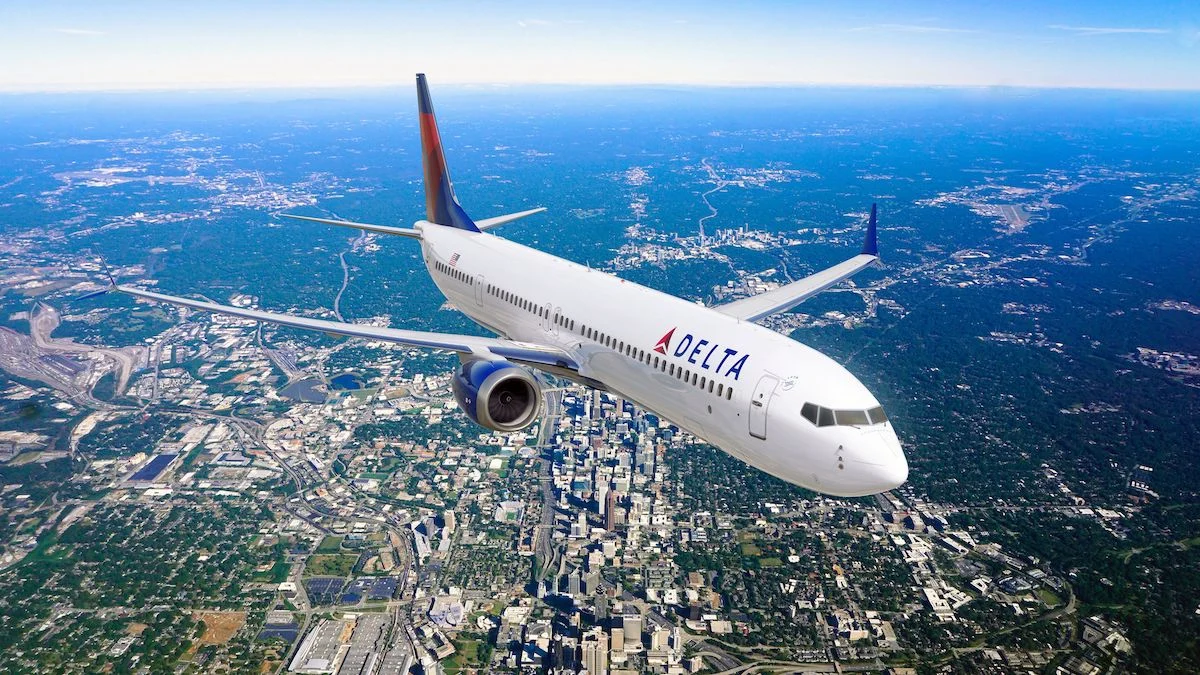
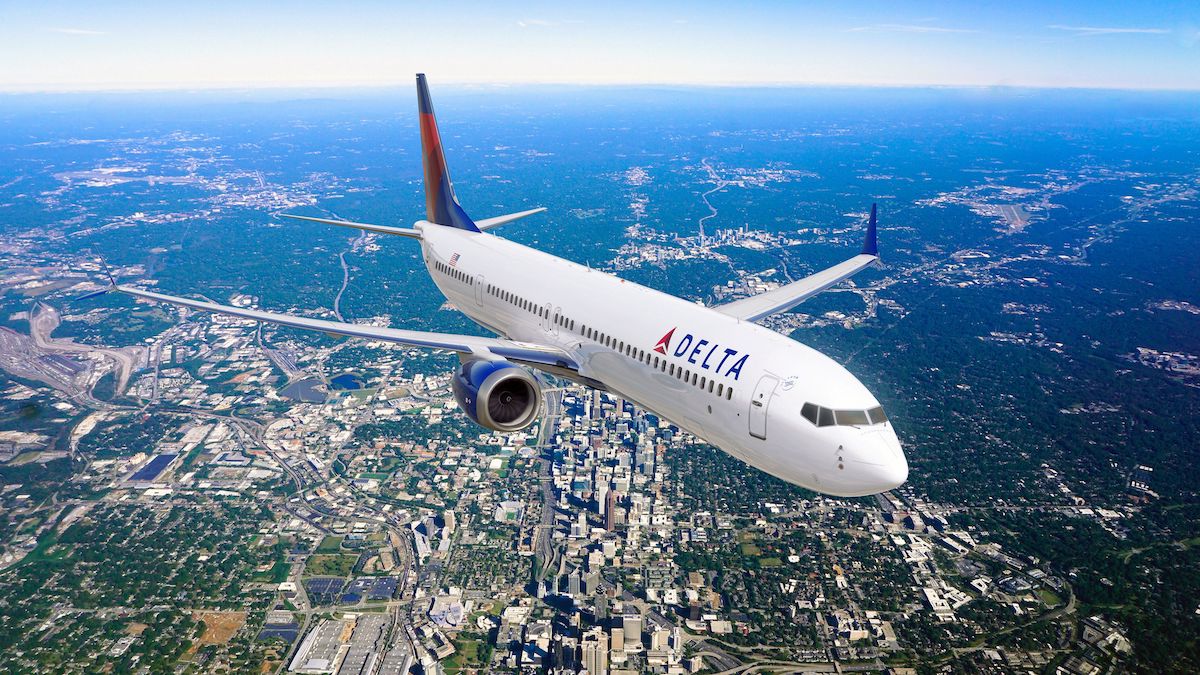
The certification of the MAX 10 will have a profound ripple effect across the domestic U.S. market. The aircraft is currently backordered by the "Big Four" US carriers: American, Delta, United, and Alaska. Each of these airlines has orders for at least 100 units, demonstrating an industry-wide commitment to the platform.
A Pivot to Premium Seating
Perhaps the most interesting implication of the MAX 10 is how it will reshape the passenger experience. With a larger fuselage, airlines have more real estate to work with. Rather than simply packing the plane to its absolute maximum capacity, carriers are signaling a shift toward premium-heavy configurations.

American and Delta have both announced plans to incorporate at least 24 first-class seats on their future MAX 10 configurations. This represents a significant increase in premium inventory compared to their existing narrow-body fleets. By maintaining a total seat count under 200, airlines can also optimize their cabin crew staffing requirements, as the FAA mandates an additional flight attendant for every 50 seats (or fraction thereof). Keeping the count just below the 200-seat threshold allows for a more efficient, high-revenue-per-square-foot configuration.
The "Fill Rate" Risk
While the per-seat economics are superior, there is an inherent risk. The business case for the MAX 10 relies entirely on the airline’s ability to fill the extra seats. If demand for air travel fluctuates, the larger capacity of the MAX 10 could become a liability compared to the more flexible, smaller MAX 8. However, with the current surge in demand for premium travel and the ongoing consolidation of domestic routes, airlines remain confident that the MAX 10 will be a profitable addition to their fleets.
Conclusion: A New Chapter for Boeing
The impending certification of the 737 MAX 10 is more than just a regulatory checkbox; it is a vital step in restoring Boeing’s reputation for engineering excellence and operational consistency. For passengers, it promises a more comfortable, premium-focused flying experience on the nation’s most popular routes. For the aviation industry, it marks the end of a long period of uncertainty.
As the FAA prepares to grant the final approval, the focus will soon shift from the production line to the hangar, where airlines will begin the final integration of the aircraft into their systems. If the transition to service in early 2027 goes as planned, the 737 MAX 10 will likely become the cornerstone of domestic aviation for the next two decades, proving that even after the most challenging of times, a focus on core engineering and market-driven design remains the bedrock of the aerospace industry.