






In an era where airline premium cabins are increasingly homogenized, Air France continues to stand as a paragon of refined luxury. Recently honored at the 2026 Skytrax World Airline Awards for operating the world’s best first-class product, the French flag carrier is marking a significant milestone: the 70th anniversary of its signature "La Première" service. To commemorate seven decades of unrivaled sophistication, the airline has released an immersive, 35-minute documentary that offers a rare, behind-the-scenes look at the evolution of one of aviation’s most prestigious travel experiences.
The documentary serves not merely as a corporate promotional tool, but as a love letter to the golden age of flight, meticulously tracing the history of La Première from its inception to its current status as the gold standard of luxury travel.
The Evolution of Excellence: A Chronological Retrospective
The story of La Première is essentially the story of post-war civil aviation’s maturation. Over the last 70 years, the cabin has evolved from simple, high-comfort seating to the current ultra-exclusive, personalized "suite" concept that defines the modern Air France experience.
The Foundation (1950s–1970s)
In the early days, La Première was defined by the sheer novelty of long-haul travel. The documentary utilizes archival footage from the Musée Air France—a private, specialized documentation center that houses the airline’s corporate history—to showcase the transition from the piston-engine era to the dawn of the jet age. During this time, the focus was on the introduction of "Sleep-Air" seats and the refinement of the dining experience, which established the French culinary standard that remains a cornerstone of the brand today.
The Jet Age and the Concorde Era (1970s–2000s)
The middle period of the 20th century saw Air France solidify its reputation for innovation. The integration of the Boeing 747 fleet introduced a new dimension of space, allowing the airline to experiment with dedicated lounge-like environments within the fuselage. This era also highlighted the airline’s connection to the Concorde, which, while a separate category of speed and luxury, fundamentally influenced the service standards for the rest of the fleet.
The Modern Suite Concept (2010s–Present)
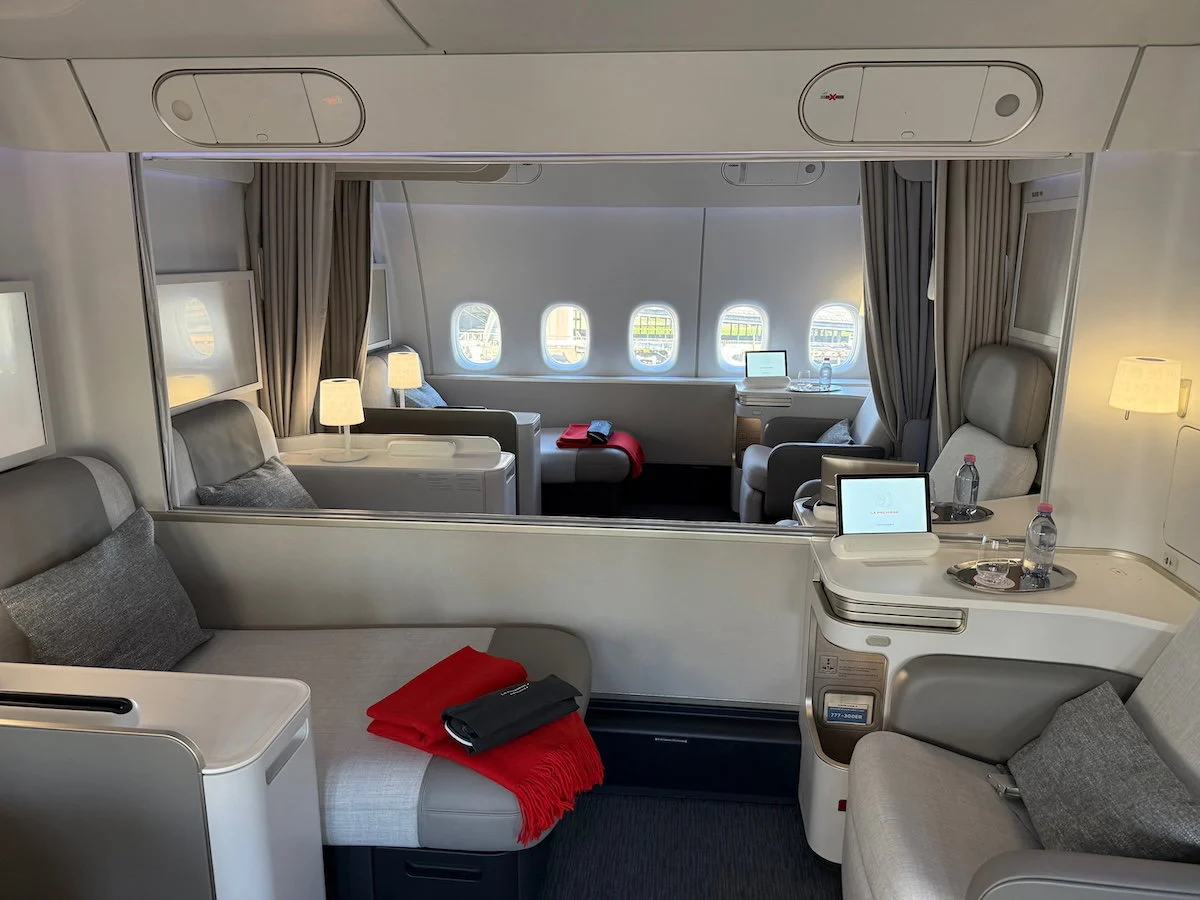
Today, La Première is synonymous with the private suite. With fewer than five seats on most aircraft, the current iteration prioritizes privacy, bespoke service, and ground experiences—most notably the world-renowned La Première lounge at Paris-Charles de Gaulle. The documentary captures the transition from traditional "first class" to a curated, intimate environment where every passenger is treated with the level of attention usually reserved for heads of state.
Behind the Lens: The Human Element of Luxury
A defining feature of this documentary is its emphasis on the human capital that sustains the brand. Rather than focusing solely on the hardware—the seats, the linens, or the aircraft themselves—the film centers on the people.
Air France-KLM CEO Ben Smith acts as the narrator and guide, engaging in candid conversations with those who live the La Première experience daily. The interviews span the spectrum of the operation:
- Frontline Staff: Flight attendants who have spent decades perfecting the art of "French service," ensuring that the transition from ground to air is seamless.
- Ground Personnel: The personal assistants who manage the meticulous logistics of the La Première lounge, an area often cited as the best first-class lounge in the world.
- Strategic Partners: The documentary features luminaries such as Chef Alain Ducasse, who discusses the culinary philosophy behind the onboard menus, and Isabelle d’Ornano, co-founder of the Sisley brand, who explains the collaboration behind the high-end skincare products offered in the amenity kits.
The "CEO Geek" Phenomenon: Ben Smith’s Influence
The documentary has drawn significant attention not just for its historical depth, but for the visible passion of Air France-KLM CEO Ben Smith. In an industry where the corner office is frequently occupied by individuals with backgrounds in finance or operations, Smith’s unabashed enthusiasm for aviation provides a refreshing narrative.
Smith’s engagement in this project is authentic. He shares anecdotes from his youth, including his lifelong fascination with the Boeing 747—a plane so significant to him that he once had the registration on his car’s license plate and continues to include "747" in his personal email address.
Industry analysts suggest that this level of leadership passion is not merely a vanity project; it is a strategic asset. By demonstrating deep knowledge of the product—from cabin pitch in the 1950s to the nuances of modern seat design—Smith fosters a culture of excellence. When the CEO displays genuine respect for the history and the craft of the airline, it creates a trickle-down effect, motivating staff to take pride in the service they provide. This leadership style stands in stark contrast to executives who view airlines as commodities, suggesting that for Air France, the identity of the brand is as important as the bottom line.
Institutional Archives: The Role of Musée Air France
A standout segment of the film involves a rare visit to the Musée Air France. Typically inaccessible to the general public, this archive acts as the "memory" of the company. The footage reveals a treasure trove of historical artifacts: original cabin layouts, vintage uniforms from iconic fashion designers, and early passenger amenity kits.
For aviation enthusiasts, this segment is a masterclass in corporate preservation. It highlights the lengths to which Air France goes to maintain a continuity of brand identity. By showing the evolution of the La Première cabin, the film illustrates that the current luxury experience is not a modern invention, but the result of 70 years of refinement and institutional learning.
Industry Implications and Future Outlook
The release of this documentary comes at a time when the "first class" cabin is being phased out by many global carriers in favor of improved business class "suites." By investing in and celebrating La Première, Air France is making a bold statement: there remains a market for ultra-premium, ultra-personalized travel.
Implications for the Competitive Landscape
- Differentiation: In a crowded market, Air France is using its heritage to differentiate itself. While other airlines compete on seat width or technology, Air France competes on "Frenchness"—a specific, cultural brand of service that is difficult to replicate.
- Employee Motivation: By highlighting the staff, the airline reinforces the value of its frontline workers. This creates a feedback loop where employees feel like custodians of a legacy, rather than just service providers.
- Brand Loyalty: For the high-net-worth traveler, the narrative of "70 years of excellence" serves as a powerful reassurance. It signals stability, quality, and a commitment to maintaining a top-tier product regardless of short-term economic pressures.
Conclusion: A Testament to Enduring Quality
Air France’s new documentary is more than a historical retrospective; it is a declaration of intent. By pulling back the curtain on the past and showcasing the genuine passion of its leadership, the airline has reinforced its position at the top of the aviation hierarchy.
Whether it is through the meticulous planning of a multi-course menu by a Michelin-starred chef or the quiet, efficient precision of a ground agent at Charles de Gaulle, the 70-year legacy of La Première is clearly alive and well. For those interested in the intersection of history, engineering, and service, this film is essential viewing. It serves as a reminder that when an airline treats its product with the reverence of a fine art, the result is an experience that transcends the simple act of air travel.
As the industry moves toward an increasingly automated future, Air France’s commitment to the "human touch" and its deep respect for its own history suggest that La Première will continue to define what it means to fly in style for many decades to come.