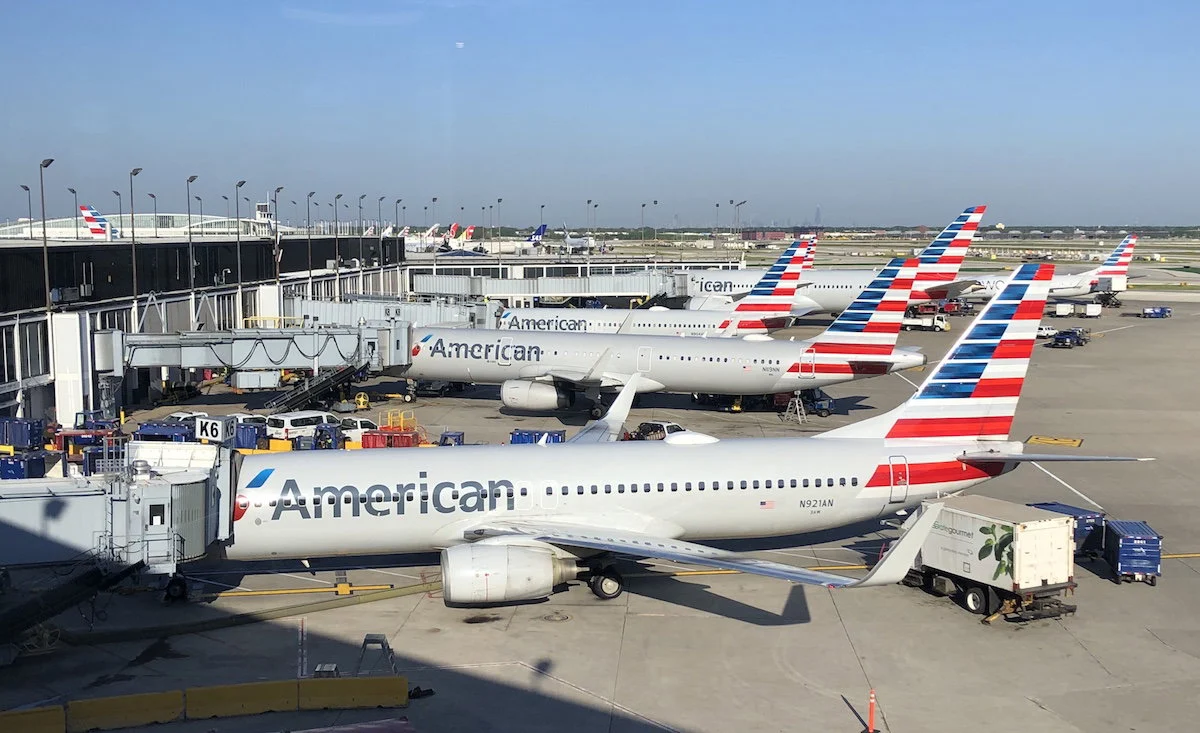









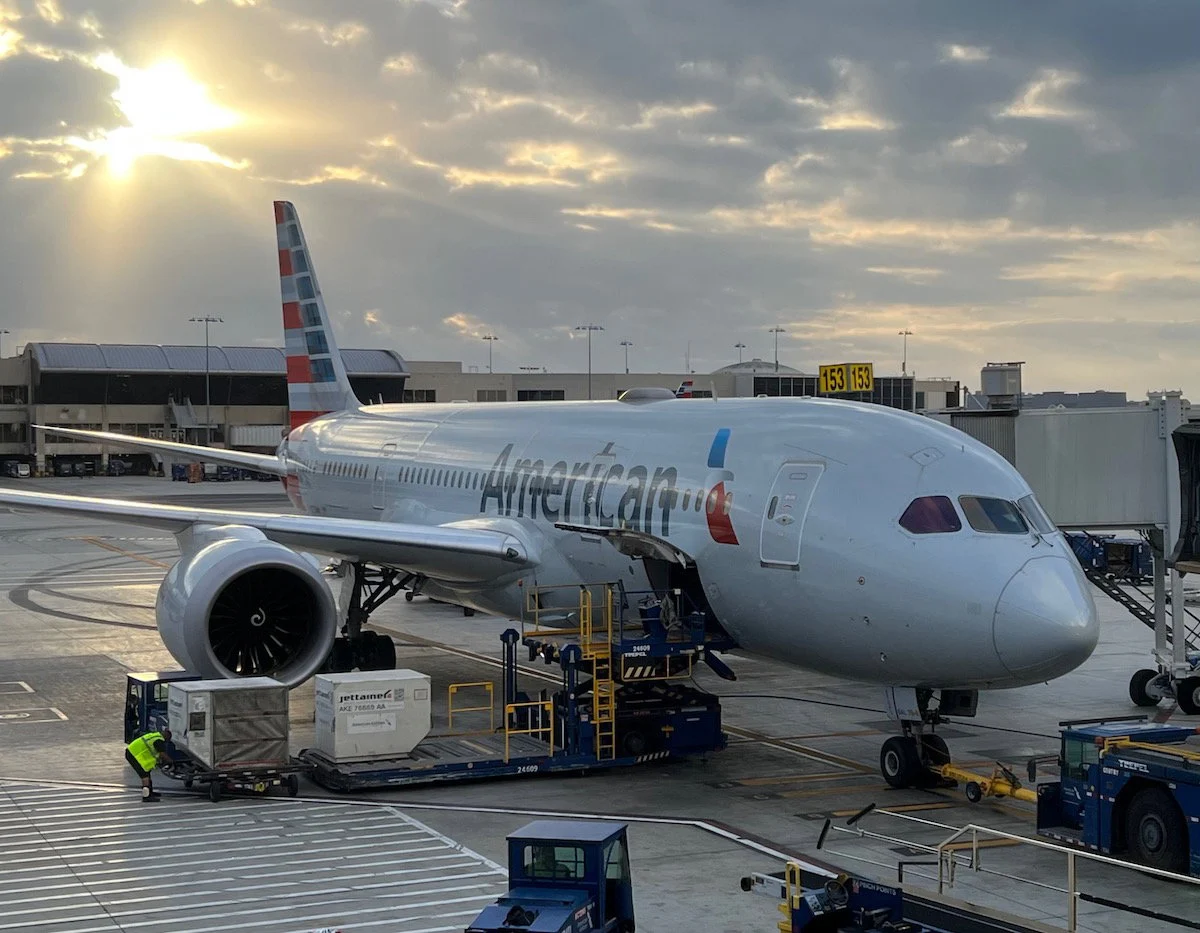
In the high-stakes theater of the United States aviation industry, rumors of consolidation are as frequent as flight delays. While recent discourse has centered on the potential for mega-mergers involving carriers like JetBlue or Spirit, industry analysts are increasingly pointing to a more synergistic, albeit controversial, possibility: a strategic marriage between American Airlines and Alaska Airlines.
While airline mergers are historically met with consumer skepticism—often perceived as precursors to reduced competition and higher fares—the underlying economics of the modern aviation landscape suggest that consolidation is no longer just a trend, but a necessity for survival. In an era where airlines operate less as transportation providers and more as sophisticated loyalty-program-driven financial entities, the argument for an American-Alaska integration is not just plausible; it is perhaps the most logical path forward for both carriers.
The Financial Logic: Loyalty as the Engine of Growth
To understand the merits of a potential American-Alaska merger, one must first look at the shifting business model of the US airline industry. Today, carriers are essentially subsidized by their credit card partnerships and loyalty programs. The most efficient airlines are those that can leverage these programs to generate billions in revenue, thereby insulating themselves from the volatile costs of jet fuel and labor.
The argument presented here is that the goal of regulatory bodies should not be to prevent consolidation at all costs, but to foster competition among carriers that possess robust loyalty ecosystems. These airlines are the only ones with the capital and stability to innovate. By merging, American and Alaska could theoretically create a singular, powerhouse entity capable of competing on a global scale while maintaining a superior passenger experience.
Chronology of a Growing Partnership
The foundation for a merger has been laid over years of deepening collaboration. The relationship between the two carriers is not merely speculative; it is deeply embedded in their current operations.
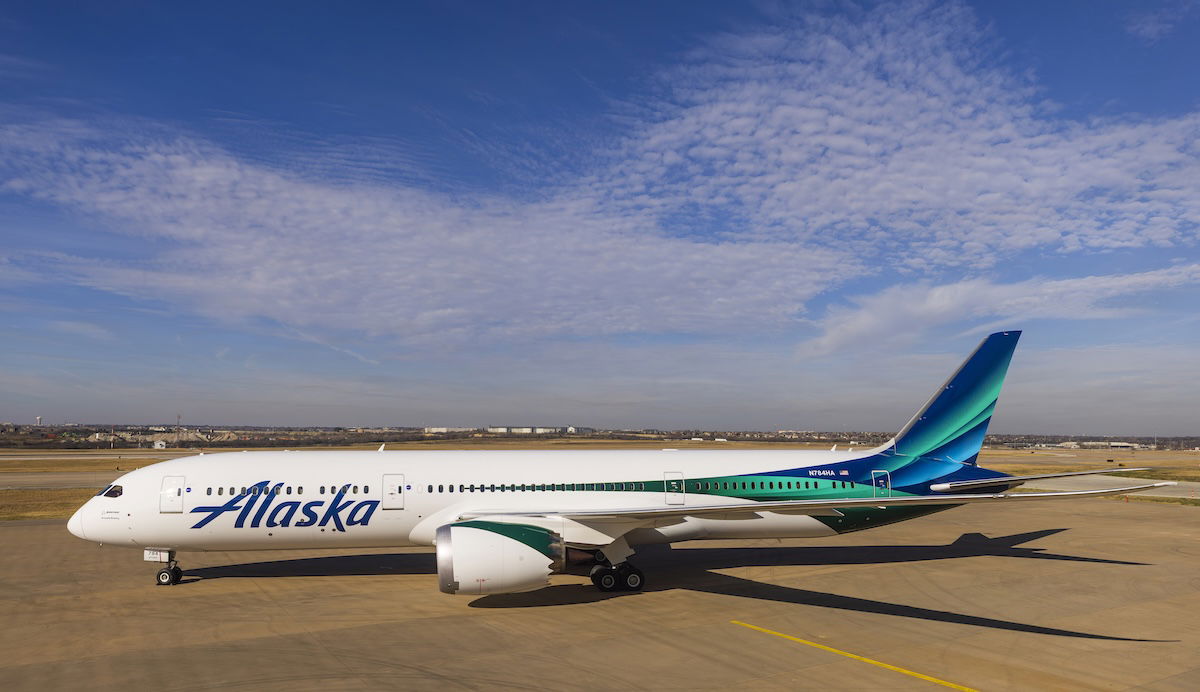
- 2020-2021: Alaska Airlines formally joins the oneworld alliance, a move that fundamentally aligned its loyalty program with American Airlines. This transition allowed for seamless mileage earning and redemption between the two carriers.
- 2022-2023: The airlines expanded their strategic partnership, including code-sharing agreements and efforts to integrate into long-haul joint ventures. These moves allowed the airlines to coordinate fares and schedules more effectively than ever before.
- 2024: The appointment of Nat Pieper as American Airlines’ Chief Commercial Officer added a new layer of intrigue. Having previously served in a senior capacity at Alaska, Pieper brings an intimate understanding of Alaska’s superior operational culture and regional dominance to the struggling management team at American.
Supporting Data: Why the Networks Complement Each Other
The most compelling argument for this merger lies in the geographic complementarity of the two carriers. American Airlines, for all its scale, has struggled to establish a dominant foothold in the Pacific Northwest and has found itself in an uphill battle for market share in Los Angeles.
The Seattle Advantage
Seattle is a premier gateway to the Pacific, yet American has historically lacked a true "anchor" in the region. Alaska Airlines, conversely, is the undisputed king of Seattle-Tacoma International Airport (SEA). By merging, American would gain immediate, dominant access to a critical transpacific hub, allowing it to better compete against the likes of Delta and United.
The Management Conundrum
A critical caveat in this potential merger is the question of corporate culture. Critics rightly fear that if American Airlines were to "swallow" Alaska, the unique, customer-focused culture of the latter would be extinguished. For this merger to succeed, it would require a reversal of roles: Alaska’s management, which has historically been more agile and consumer-friendly, should ideally take the helm of the combined entity. If the merger were simply another expansion of American’s existing, legacy-laden management structure, it would likely fail to produce the necessary turnaround.
The Consumer Impact: A Double-Edged Sword
Will this merger benefit the traveler? The answer is nuanced.
Potential Upsides
- Network Depth: A combined entity would offer consumers an unparalleled domestic and international network, with significantly increased flight options and connectivity.
- Loyalty Integration: The consolidation of loyalty programs would provide millions of members with more efficient ways to earn and redeem miles, potentially creating the most valuable frequent flyer program in the world.
- Efficiency Gains: With better scheduling and route optimization, the combined airline could offer more frequent, reliable service on core routes, reducing the "dead time" currently seen in disjointed partner networks.
The Regulatory Hurdle
Regulatory approval remains the most significant obstacle. The current political climate in the United States is increasingly hostile toward industry consolidation, viewing it as a threat to consumer choice. To gain approval, the carriers would likely face intense scrutiny from the Department of Justice and the Department of Transportation. They might be forced to divest gates or slots at key airports, which could diminish the value of the deal. The success of such a proposal would depend entirely on how the companies frame the merger: as a way to create a more competitive global champion rather than a monopoly.
Implications for the Future of US Aviation
If an American-Alaska merger were to proceed, the ripple effects would be felt across the entire industry. It would solidify a "Big Three" landscape—American-Alaska, Delta, and United—that could fundamentally change the pricing power of the industry.
The Political Variable
There is also the matter of political posturing. Recent efforts by American Airlines management to align themselves more closely with the current political administration—and specifically, the Trump camp—have fueled speculation that they are preparing the ground for a major structural move. Whether this is a strategic attempt to ensure a friendly regulatory environment for a future merger remains a subject of intense debate among industry observers.
Final Assessment: The Logical Choice
Among the "big six" US carriers, a merger between American and Alaska stands out as the most logical, even if it is the most controversial. Their networks are not just overlapping; they are additive. Their alliance, while successful, is reaching the limits of what a partnership can achieve. To truly compete in the modern era, they may need to become one.
However, the success of such an endeavor hinges on a single, vital condition: the integration of Alaska’s management ethos. If the goal is merely to expand the current American Airlines empire, the merger will likely be a disaster for consumers and shareholders alike. If, however, it serves as a vehicle to replace stagnant leadership with a more dynamic, customer-centric approach, it could be the most important development in American aviation in the last decade.
As the industry watches closely, the question remains: are the airlines prepared to take the leap, or will they continue to drift in the current, increasingly inefficient status quo? The answer will likely define the future of the skies for a generation.