







A troubling video circulating on social media has ignited a firestorm of debate regarding airline safety, transparency, and sanitation protocols. The footage, which has garnered millions of views since its appearance on September 25, 2026, depicts a Frontier Airlines flight attendant filling empty plastic water bottles—branded as Crystal Geyser—using the onboard potable water tap located in the aircraft’s galley.
For many passengers, the visual of a crew member transferring tap water into branded bottles raises immediate alarm bells. While airlines have long maintained complex systems for managing water onboard, the perception of "refilling" suggests a departure from standard safety practices. This article examines the facts, the technical realities of airplane water, and the broader implications for the aviation industry.
The Chronology of the Incident
The controversy centers on Frontier Airlines flight F92342, which departed Los Angeles International Airport (LAX) en route to Denver International Airport (DEN). During the flight, a passenger identified as Erica Mena captured a 43-second video showing a flight attendant utilizing the galley sink to replenish empty bottles.
The clip shows the crew member systematically filling several bottles, which appear to have been previously emptied or repurposed, directly from the aircraft’s water system. The video quickly reached social media platforms, accompanied by a caption questioning the legitimacy of the service: "So your airline hands out plane water disguised as bottled water?!"
By the time the flight landed in Denver, the video had already begun to circulate through major travel forums and news aggregators. The rapid spread of the footage has forced a public conversation about what passengers are actually paying for when they purchase amenities at 30,000 feet.
Understanding the Airplane Water System
To understand why the video has caused such a visceral reaction, one must first understand the nature of an aircraft’s potable water system.
Aircraft carry water in large, insulated tanks located within the fuselage. This water is used for a variety of purposes: flushing toilets, washing hands in the lavatory, and, crucially, supplying the galley for coffee, tea, and (occasionally) drinking water.
The Sanitation Debate
The quality of aircraft tank water has been a subject of concern for decades. In 2019, a study conducted by the Hunter College NYC Food Policy Center at the City University of New York (CUNY) analyzed water samples from 11 major airlines. The results were concerning; many samples showed the presence of total coliform bacteria and, in some cases, E. coli.
While the water is treated and the tanks are periodically sanitized, the plumbing systems within older aircraft can be difficult to fully disinfect. Consequently, the Environmental Protection Agency (EPA) has long advised against consuming water directly from aircraft taps. Most airlines mitigate this risk by boiling the water for hot beverages like coffee or tea, which effectively kills most pathogens. However, the use of this same water for cold consumption—particularly when poured into bottles that imply a "purified" or "spring" source—creates a significant trust gap between the carrier and the passenger.
Frontier Airlines’ Policy and the "Buy-on-Board" Model
Frontier Airlines operates as an ultra-low-cost carrier (ULCC). In this business model, ancillary revenue is the lifeblood of the operation. Every amenity, from carry-on bags to snacks and bottled water, carries a price tag.
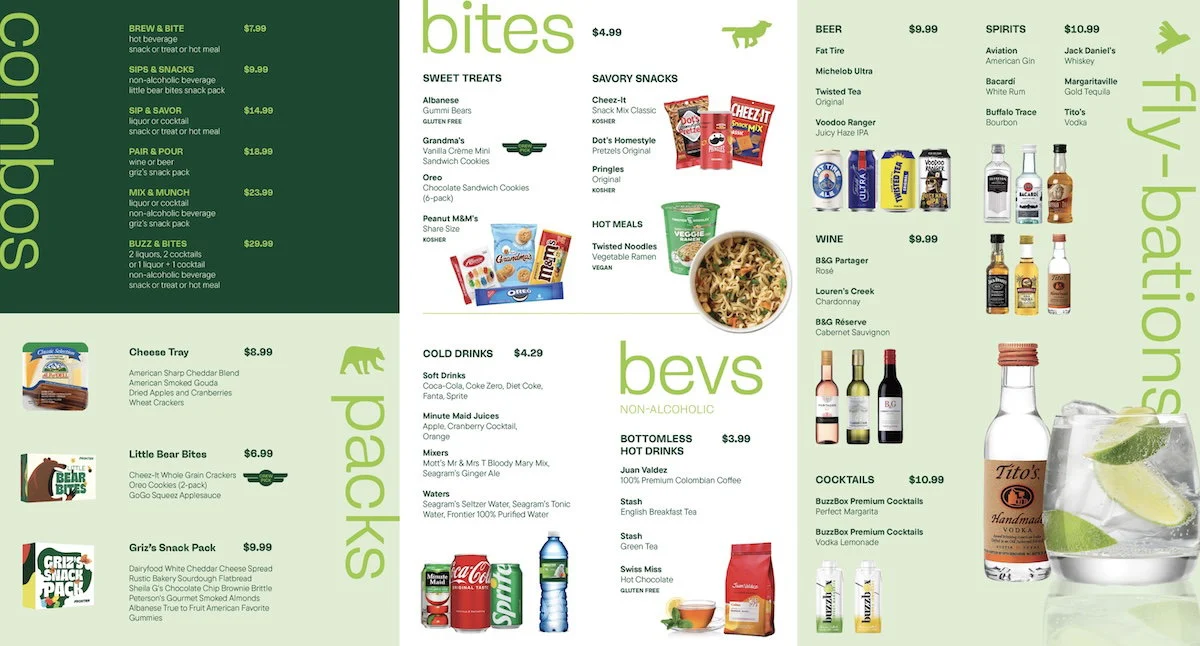
According to Frontier’s current inflight menu, a bottle of purified water is sold for $4.29. This creates a clear expectation for the passenger: when you pay $4.29, you are paying for a sealed, factory-processed, and quality-controlled product. If a crew member is replacing that product with tap water, it raises questions about whether the airline is failing to supply enough inventory, or if there is a systemic failure in the provisioning process.
The "Cup of Water" Exception
It is a known industry "open secret" that while water is not explicitly listed as a complimentary service, most flight attendants will provide a cup of water upon request. This practice is often done as a gesture of goodwill or, in some cases, as a health precaution to prevent passenger dehydration.

The critical question is: What is the source of that cup of water? If the airline is utilizing the same tank water that is intended for lavatory sinks and coffee machines, the lack of transparency is arguably the most damaging aspect of this incident. Passengers expect that if they are offered water, it is potable and safe. If the water is coming from the tank, are they being informed? The viral video suggests that the answer is "no."
Implications for Passenger Trust
The implications of this incident extend far beyond one flight attendant or one flight.
Transparency and Deception
The core issue is the potential for consumer deception. By pouring tank water into branded Crystal Geyser bottles, the airline creates a visual illusion of a premium product. Even if the intent was simply to have water available for quick distribution, the optics are catastrophic. In the world of consumer rights, "passing off" a generic or potentially substandard product as a name-brand one is a serious breach of trust.
Regulatory Oversight
The Department of Transportation (DOT) and the EPA have strict guidelines regarding aircraft water quality. Airlines are required to provide water that meets the National Primary Drinking Water Regulations. If airlines are encouraging or allowing crews to fill bottles from these tanks, regulators may need to step in to clarify whether this practice constitutes a violation of safety standards.
Operational Pressures
One might wonder: Why would a flight attendant do this? The answer often lies in the intense operational pressure faced by crews on low-cost airlines. If a flight is poorly provisioned—meaning the plane left the ground with insufficient bottled water—the crew may feel they have no choice but to improvise to meet passenger requests. This reflects a potential systemic failure in the airline’s ground operations and supply chain management.
Official Responses and Next Steps
As of the time of this writing, Frontier Airlines has not issued a detailed statement explaining the specific protocol shown in the video. However, industry experts suggest that the airline will likely face pressure to perform a thorough audit of its galley provisioning.
Public relations crises involving food and beverage safety can have long-term impacts on airline brand loyalty. For an airline already fighting for market share in a competitive landscape, the "dirty water" narrative is one that they cannot afford to ignore.
A spokesperson for the Association of Flight Attendants (AFA) noted that crews are often tasked with working under extreme time constraints with limited resources. While they did not comment specifically on the Frontier incident, they emphasized that flight attendants prioritize passenger comfort and safety above all else, often navigating "impossible" provisioning scenarios created by airline management.
Conclusion: The Path Forward
The viral video from flight F92342 serves as a wake-up call for both the airline industry and the traveling public. It highlights the often-ignored reality of what goes on behind the galley curtain.
For the passenger, the takeaway is clear: be mindful of what you consume in the air. If you are concerned about water quality, sticking to sealed, branded products—or bringing your own empty bottle to fill from a secure source after passing through airport security—is the safest bet.
For Frontier Airlines, the incident represents an urgent need for a shift in policy. Whether the water was meant for distribution or simply for the crew’s own convenience, the lack of a clear, publicized policy regarding the source of "complimentary" water has left passengers feeling deceived.
In an era where every passenger has a high-definition camera in their pocket, airlines must operate with the assumption that their every action is under surveillance. Transparency is no longer a choice; it is a fundamental requirement for maintaining the trust of a global customer base. The "bottled water" incident should serve as a catalyst for clearer regulations, better provisioning, and, above all, an honest conversation about what we are drinking at 30,000 feet.