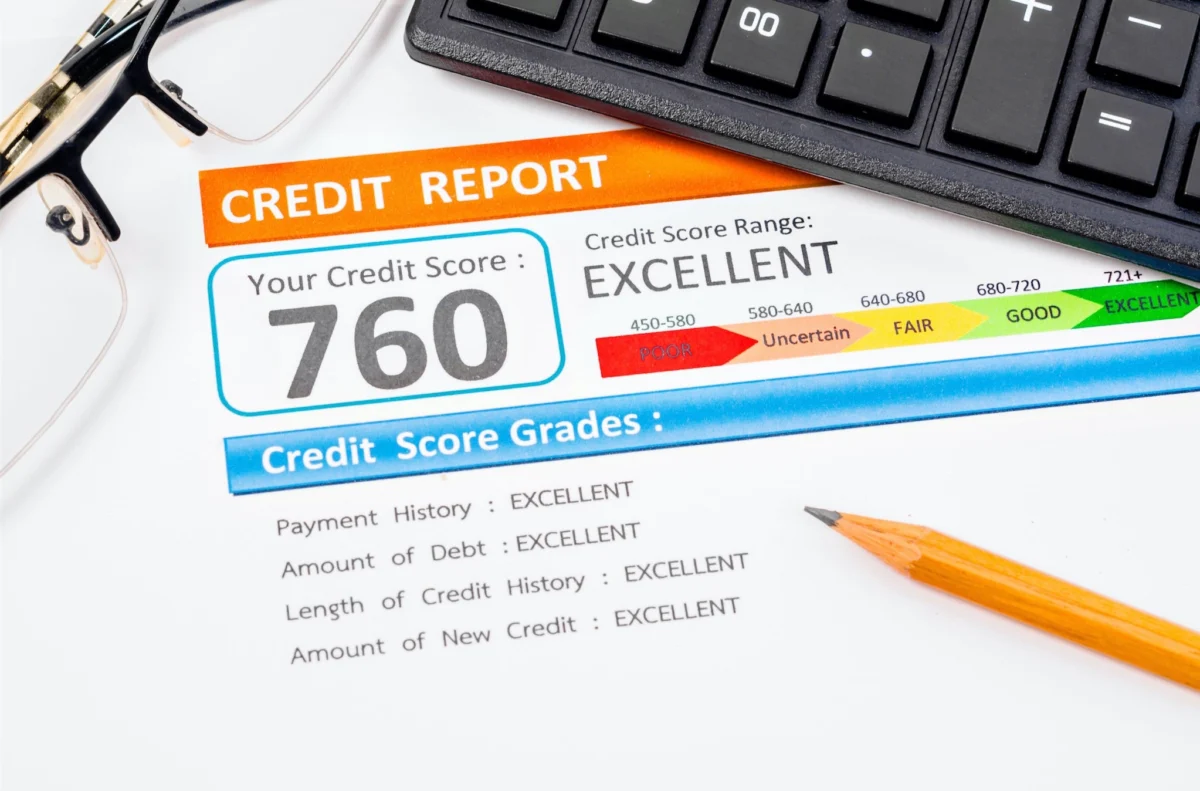










In the modern financial landscape, your credit score is more than just a three-digit number; it is a gateway to your financial future. Whether you are looking to secure a mortgage, lease an apartment, or qualify for a low-interest credit card, the information held within your credit reports by the three major bureaus—Experian, Equifax, and TransUnion—serves as the primary metric by which lenders assess your reliability.
With the proliferation of fintech, keeping tabs on your credit has shifted from an expensive, infrequent chore to an accessible, real-time necessity. Today, a multitude of free credit score apps offer users the ability to monitor their financial health without paying a subscription fee. However, not all apps are created equal. Understanding the nuance between FICO models and VantageScore estimates, as well as the difference between credit monitoring and active credit repair, is essential for any consumer.
The Foundation: Understanding Scoring Models and Bureaus
Before downloading an app, it is critical to understand what you are actually looking at. Most free credit score apps pull data from one of the three major credit bureaus. When you view your score, you are typically seeing one of two models: FICO or VantageScore.
- FICO: Used by approximately 90% of top lenders for major lending decisions, such as mortgages and auto loans.
- VantageScore: A widely used model that is excellent for general tracking and understanding trends, though it may differ slightly from the specific FICO score a lender pulls.
The best apps are those that provide transparency regarding which model they use, update on a predictable schedule, and offer an interface that makes complex financial data digestible.
Chronology of Credit Monitoring: From Paper to Real-Time
Historically, obtaining a credit report was a cumbersome process involving postal mail and lengthy wait times. The passage of the Fair Credit Reporting Act (FCRA) established the right for consumers to access their information, but it wasn’t until the digital revolution that "real-time" monitoring became the industry standard.
- The Early 2000s: The rise of third-party aggregation services began to offer credit reports for a fee.
- The 2010s: The "Freemium" model emerged. Companies began offering free scores in exchange for the opportunity to display financial product advertisements (credit cards, loans, insurance).
- 2020-Present: The integration of "Credit Repair" and "Credit Education" tools. Apps have evolved from simple score trackers into comprehensive financial dashboards that include simulators, identity protection, and dispute assistance.
Top 11 Free Credit Score Apps: A Detailed Review
1. Experian: The Gold Standard for FICO Accuracy
Experian remains the industry leader for a singular reason: it provides an actual FICO score. Because most lenders rely on FICO, this app gives you the most accurate reflection of your standing. Its "Experian Boost" feature is a standout, allowing users to add utility and streaming payment history to their file, potentially increasing their score instantly.
2. myFICO: The Source Material
Operated by the Fair Isaac Corporation, myFICO is the definitive source for your credit data. While their free tier is limited to a monthly refresh, the accuracy is unparalleled. It is the best tool for those who want to see exactly what the architects of the scoring model see.
3. Credit Snapshot by Lexington Law
Credit Snapshot is designed for users who view their score not just as a number, but as a call to action. It avoids the clutter of aggressive marketing to focus on one thing: identifying if your credit report is accurate. When discrepancies are found, the app integrates directly with professional dispute services, allowing users to transition from detection to resolution seamlessly.
4. Credit Sesame: The Letter Grade Approach
Credit Sesame simplifies the complex by offering a "Sesame Grade." By translating the three-digit score into a letter grade, it helps users understand the health of their credit at a glance. It is particularly effective for those who find traditional credit reporting jargon overwhelming.
5. WalletHub: The Speed Demon
For those who are highly active in managing their credit, WalletHub offers the fastest refresh rate in the industry: daily. If you are paying down debt or actively watching for unauthorized activity, this frequency is invaluable for tracking the immediate impact of your financial decisions.
6. Credit Karma: The Dual-Bureau Expert
Credit Karma covers both TransUnion and Equifax, providing a broader view than many competitors. While they offer a user-friendly interface, it is important to note that their dispute center is a notification service rather than an advocacy service. Users should be aware that it facilitates the process but does not provide legal support for complex disputes.

7. NerdWallet: The Financial Holistic
NerdWallet integrates credit monitoring into a broader personal finance suite. It is ideal for users who want to manage their cash flow, budgeting, and credit in one place. However, the user should be prepared for the financial product recommendations that power their business model.
8. SavvyMoney: The Invisible Utility
SavvyMoney is unique because it lives inside your existing banking app. If your credit union or bank partners with them, you can access credit monitoring without creating a new login or downloading an extra app. It is the epitome of "low-friction" credit management.
9. LendingTree: The Insights Engine
LendingTree’s "Spring" app focuses on the "why." It provides weekly updates paired with personalized insights into which behaviors—such as high credit utilization—are hurting your score. It is a proactive tool for those looking to change their habits.
10. Capital One CreditWise: The Security Focus
Open to everyone, not just Capital One customers, CreditWise offers a FICO score and robust identity theft features. Its dark-web monitoring is a significant differentiator, scanning for your Social Security number and email on unsafe platforms.
11. Chase Credit Journey: The No-Commitment Tracker
Chase Credit Journey offers weekly updates and a detailed breakdown of the factors influencing your score. Because it requires no banking relationship with Chase, it serves as a reliable, zero-cost, zero-commitment monitoring tool for the general public.
Supporting Data: How Behavior Impacts Your Score
To manage your credit effectively, you must understand the five primary factors that determine your FICO score:
- Payment History (35%): The single most important factor. Even one late payment can have a significant negative impact.
- Amounts Owed (30%): Your credit utilization ratio. High balances relative to your limits suggest a higher risk.
- Length of Credit History (15%): The age of your oldest and newest accounts.
- New Credit (10%): Frequent applications for new credit can signal financial distress.
- Credit Mix (10%): Having a variety of accounts (revolving credit like cards and installment loans like auto loans) generally helps your score.
Official Responses and Industry Best Practices
Financial experts and consumer advocacy groups, including the Consumer Financial Protection Bureau (CFPB), consistently emphasize that checking your own credit score is a "soft inquiry." Contrary to common myths, you will never hurt your credit score by checking it through these apps.
Furthermore, legal professionals at firms like Lexington Law emphasize that monitoring is only the first step. "Identifying an error is not the same as correcting it," notes the firm. If a credit report shows an inaccurate collection or a late payment that shouldn’t be there, simply watching the number won’t fix it. Consumers have the right to dispute these items, and utilizing professional services can help navigate the complex bureaucracy of the credit bureaus.
Implications: The Path to Financial Freedom
Choosing the right app is a personal decision based on your financial goals. If you are preparing for a mortgage, prioritize apps that offer FICO scores, such as Experian or CreditWise. If you are simply maintaining good habits, a daily tracker like WalletHub or a holistic tool like NerdWallet might be the better fit.
Regardless of which app you choose, the true value lies in the action you take. A credit score is a dynamic, living reflection of your financial behavior. By leveraging these free tools, you are taking control of your financial narrative, ensuring that when you do apply for that next major loan, your credit report reflects the reality of your responsibility and reliability.
FAQs: Addressing Common Concerns
- How often should I check? Once a month is sufficient for most. Weekly or daily is only necessary if you are actively rebuilding credit or have been a victim of identity theft.
- Are these apps truly free? Yes, the core monitoring services are free. However, these companies often monetize by suggesting credit products (loans/cards) or offering premium paid versions of their services.
- How do I get all three scores? Since no single free app tracks all three bureaus (Experian, Equifax, and TransUnion) simultaneously, most experts recommend "stacking" apps—using Experian for your FICO score and Credit Karma for the other two.
- What if I find a mistake? Do not ignore it. Use the dispute tools provided by the bureaus or consult with a firm like Lexington Law to ensure the error is properly investigated and removed.
By staying informed and proactive, you can transform your credit score from a source of anxiety into your most powerful financial asset.