






Author: Sarah Brady, NFCC
Updated: July 10, 2026
Main Facts
Navigating the landscape of federal student loan forgiveness can feel overwhelming. Following years of sweeping policy shifts, high-profile court battles, and conflicting headlines, many borrowers have grown fatigued, sometimes assuming that debt relief options no longer exist. However, federal loan forgiveness remains very much a reality for thousands of Americans who meet specific criteria.
While certain high-profile initiatives—such as the Saving on a Valuable Education (SAVE) repayment plan—have faced legal challenges and subsequent phase-outs, multiple established statutory programs continue to offer legitimate pathways to debt cancellation. From public service and education to long-term income-driven repayment and disability discharges, targeted federal programs remain active.
Proactive engagement is essential. Rather than tuning out the noise, borrowers are encouraged to review current eligibility guidelines directly through official federal portals. Reviewing these programs typically takes only a few minutes, yet the financial impact can be life-changing. This guide explores the four primary federal student loan forgiveness programs available as of July 2026, alternative discharge routes, and where borrowers can secure reliable, professional assistance.
Chronology: The Evolution of Federal Student Loan Forgiveness
To understand where federal student loan policy stands today, it helps to examine how the system arrived at its current state over the past decade:
- Pre-2020 Foundation: Programs like Public Service Loan Forgiveness (PSLF) and Teacher Loan Forgiveness operated under strict, traditional statutory guidelines with relatively low approval rates due to administrative hurdles.
- 2020–2022 (The Pandemic Era): Widespread economic disruptions led to the historic pause on federal student loan payments and interest accrual. The Biden administration introduced broad executive initiatives aimed at sweeping debt cancellation, triggering intense legislative and judicial scrutiny.
- Late 2022: As administration policies faced legal challenges, informational resources—such as early iterations of guidance materials—were published to help borrowers parse conflicting updates regarding temporary waivers and long-term options.
- 2023–2024 (The Return to Repayment and IDR Adjustments): Federal loan payments officially resumed. The Department of Education introduced the IDR Account Adjustment and rolled out the SAVE plan, offering lower monthly payments and accelerated timelines for lower-income borrowers.
- 2025–2026 (Legal Roadblocks and Core Program Stabilization): Sweeping new plans, including SAVE, encountered major legal roadblocks and injunctions. Consequently, attention shifted back to Congress-authorized, long-standing programs (PSLF, traditional IDR forgiveness, TPD discharge, and Teacher Loan Forgiveness) which remain fully operational and protected by statutory authority as of mid-2026.
Supporting Data and Program Breakdown
While sweeping executive debt cancellations have faced significant hurdles, billions of dollars in student debt continue to be legally discharged annually through statutory programs. Understanding the mechanics of these four core programs is vital for any borrower looking to reduce or eliminate their federal debt burden.
1. Public Service Loan Forgiveness (PSLF)
Designed to attract and retain talented professionals in public service, PSLF is one of the most robust forgiveness initiatives available.
- Core Requirement: Borrowers must work full-time for a qualifying employer (such as government organizations at any level, 501(c)(3) non-profits, and certain other non-profit organizations providing public services).
- The Milestone: Borrowers must make 120 qualifying monthly payments under an accepted repayment plan while working for a qualifying employer.
- Actionable Step: Borrowers can verify whether their workplace qualifies by utilizing the official Employer Eligibility Search tool provided by StudentAid.gov.
2. Teacher Loan Forgiveness
Educators working in designated low-income schools can receive substantial financial relief.
- Core Requirement: Full-time employment as a highly qualified teacher for five consecutive, complete academic years in an elementary school, secondary school, or educational service agency that serves low-income families.
- The Benefit: Eligible teachers can have up to $17,500 of their federal student debt forgiven.
- Qualifying Loans: Direct Subsidized and Unsubsidized Loans, as well as Subsidized and Unsubsidized Federal Stafford Loans, generally qualify. Certain consolidation loans used exclusively to repay other eligible federal student debts may also be factored in.
3. Income-Driven Repayment (IDR) Forgiveness
For borrowers who do not work in public service, IDR plans offer a path to forgiveness based on the length of time spent in repayment relative to their income.
- Core Requirement: Enrollment in an income-driven repayment plan over a span of 20 to 30 years.
- Nuances: The exact timeline depends on the specific loan type, the specific IDR plan utilized, and the year the loans were originally disbursed. Crucially, certain periods spent in deferment or forbearance may count toward the required payment counts under administrative adjustments.
- The Discharge: Once the threshold of 240 to 360 qualifying months (depending on undergraduate vs. graduate debt and plan rules) is reached, the remaining loan balance is automatically forgiven.
4. Total and Permanent Disability (TPD) Discharge
Borrowers facing severe health challenges are not left behind. The TPD discharge program provides relief to individuals who are unable to work due to a total and permanent disability.
- Core Requirement: Documentation proving a total and permanent disability. This documentation can be provided via data matching with the Social Security Administration (SSA) or the U.S. Department of Veterans Affairs (VA), or through certification by a licensed physician or doctor of osteopathic medicine.
- Covered Debt: This program applies to Direct Loans, Federal Family Education Loan (FFEL) Program loans, Perkins Loans, and TEACH Grant service obligations.
Alternative Pathways to Relief
Borrowers who do not fit neatly into the categories above may still qualify for federal debt relief under specialized administrative scenarios, including:
- School Closure Discharges: For students whose schools shut down while they were enrolled or shortly after they withdrew.
- False Certification Discharges: For individuals whose schools wrongfully certified their eligibility to borrow.
- Borrower Defense to Repayment: For those whose schools engaged in fraudulent practices or violated state law directly related to their loans.
- Unpaid Refund Discharges: For cases where a school failed to return required loan funds to the lender upon a student’s withdrawal.
Official Responses and Expert Guidance
Federal agencies, consumer advocates, and credit counselors emphasize that ignoring student loan obligations is the most financially damaging path a borrower can take.
The U.S. Department of Education continues to urge borrowers to maintain direct contact with their assigned loan servicers and to manage their accounts through the official StudentAid.gov portal. Regulatory bodies stress that legitimate forgiveness programs never require upfront fees or third-party payment collection agencies to process applications. Borrowers should remain vigilant against private debt-relief scams that charge exorbitant fees for services that are available for free through the government.
Nonprofit credit counseling agencies, such as the National Foundation for Credit Counseling (NFCC), provide an essential bridge for consumers overwhelmed by the complex rules surrounding student debt. NFCC-certified credit counselors offer specialized one-on-one sessions to help individuals evaluate their repayment trajectories, navigate complex paperwork, and anticipate potential tax implications associated with forgiven debt (as certain forgiven amounts may be treated as taxable income depending on federal and state tax laws).
Implications for Borrowers and the Broader Economy
The ongoing availability—and legal stabilization—of federal student loan forgiveness programs carries profound implications for individual financial health and the broader macroeconomic landscape.
For the Individual Borrower
Successfully navigating student loan forgiveness can dramatically alter a household’s financial trajectory. Eliminating a multi-hundred-dollar monthly student loan payment frees up vital cash flow, allowing individuals to:
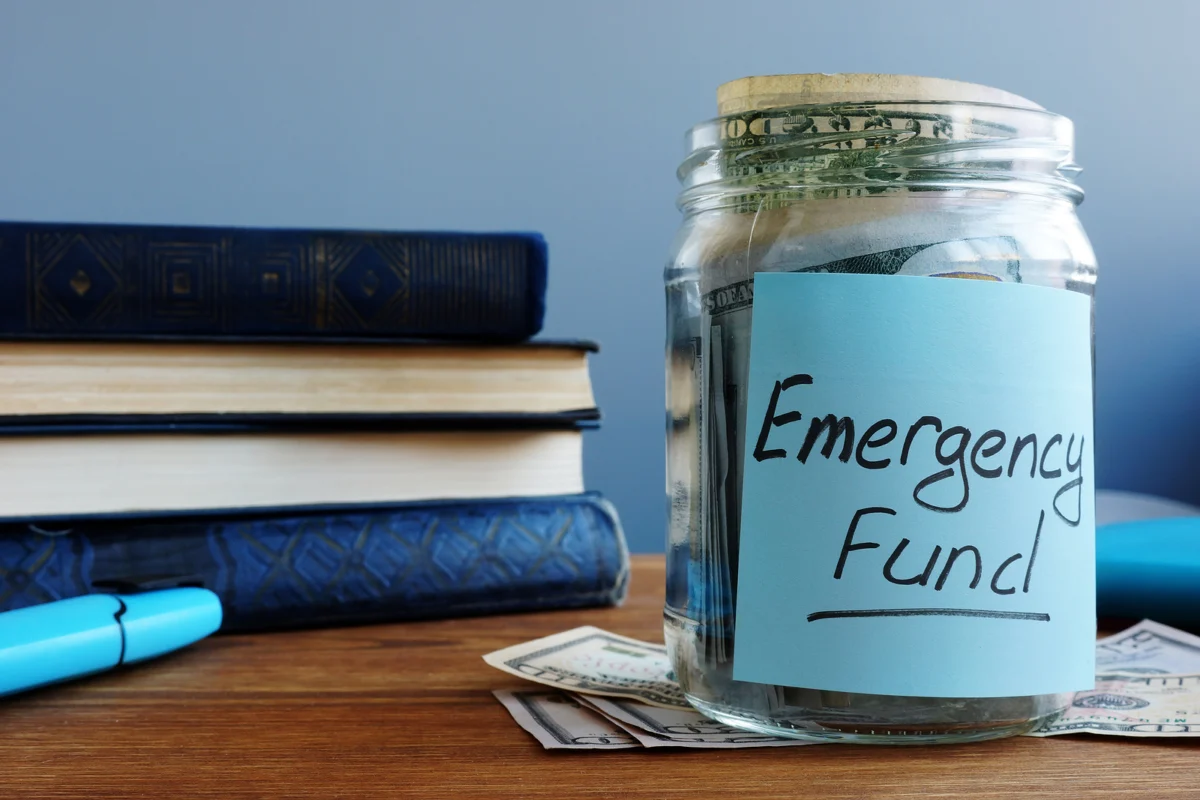
- Build emergency savings funds.
- Contribute more aggressively to retirement accounts.
- Secure mortgages and enter the housing market.
- Invest in small businesses or further educational opportunities without crushing debt ratios.
For the Economy
On a macro level, targeted student loan forgiveness acts as an economic stabilizer. When millions of middle- and lower-income Americans—including teachers, nurses, social workers, and civil servants—are relieved of crippling debt burdens, consumer spending power increases. Furthermore, supporting public service workers and educators through robust forgiveness frameworks ensures that critical community infrastructure remains staffed with qualified professionals who might otherwise abandon these vital sectors due to financial strain.
Recommended Next Steps
Borrowers are strongly encouraged to take immediate, proactive steps:
- Visit StudentAid.gov to review current program terms, update contact information, and check the status of loan servicers.
- Use official interactive tools (such as the Loan Simulator and Employer Eligibility Search) to map out personalized repayment and forgiveness trajectories.
- Reach out to certified non-profit credit counseling services, such as the NFCC, for objective, professional guidance tailored to unique financial situations.