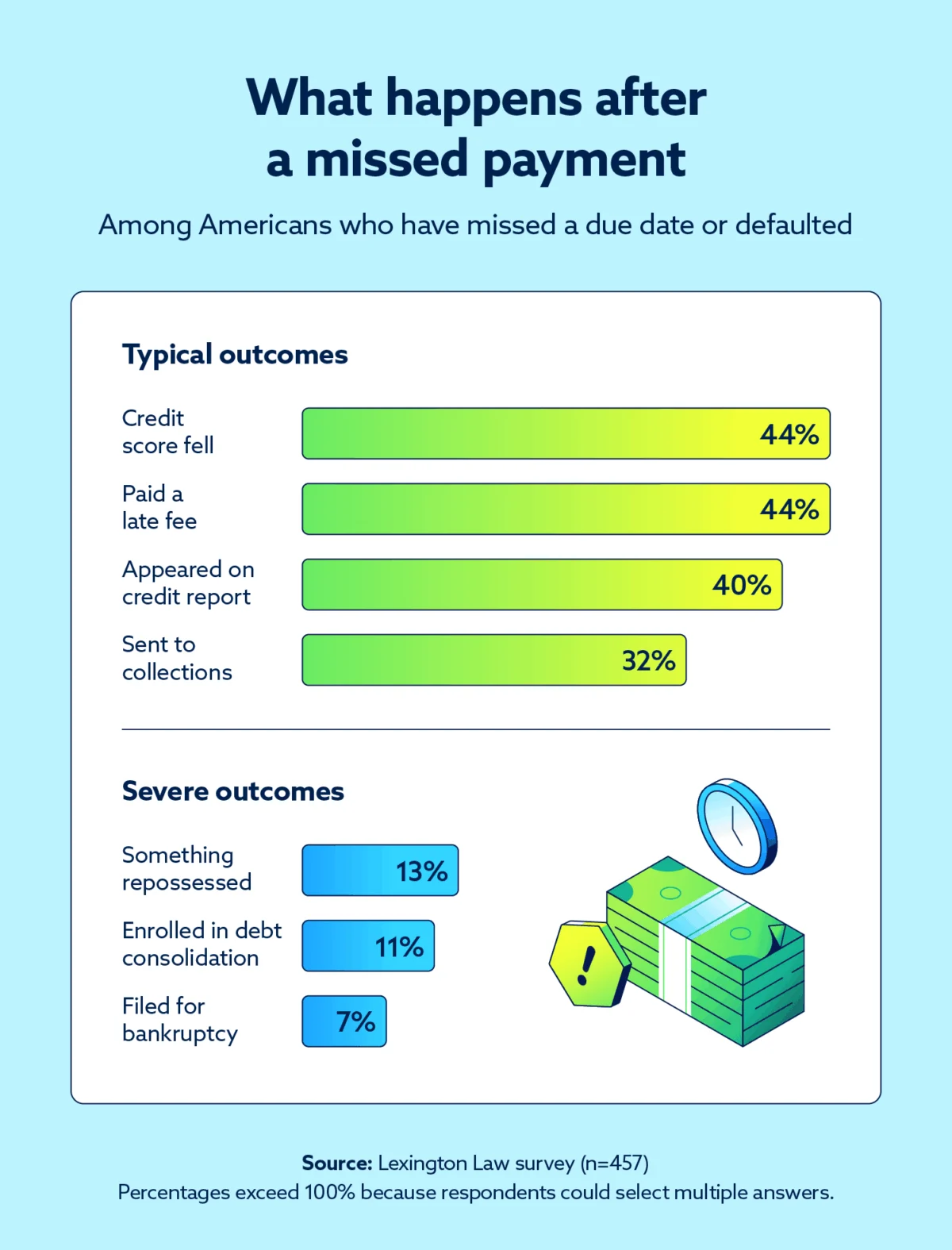
For millions of Americans, a single misstep—a missed utility payment, a forgotten medical bill, or a short-term financial crisis—can lead to a persistent shadow on their credit report. While consumers often believe that paying off an old debt will automatically "clear the slate," the reality is more complex. Negative items, such as charge-offs and collection accounts, can linger on a credit report for up to seven years from the date of the original delinquency.
Enter the "pay-for-delete" letter: a strategic negotiation tool designed to convince a creditor or collection agency to remove a negative account from your credit history entirely in exchange for payment. While not a guaranteed solution, it represents a proactive approach to credit rehabilitation.
The Core Concept: What is a Pay-for-Delete Agreement?
At its simplest, a pay-for-delete agreement is a conditional offer. When you pay a debt in the normal course of business, the creditor updates your credit file to show a status of "paid" or "settled." While this is better than an open, unpaid collection, the negative entry remains visible to lenders, often impacting your credit score for years.
A pay-for-delete agreement seeks to bypass this status update. Instead of merely marking the debt as satisfied, the creditor agrees to instruct the three major credit bureaus—Equifax, TransUnion, and Experian—to delete the record of that account entirely. If successful, it is as if the negative mark never occurred, potentially offering a significant boost to your credit score.
Chronology: Understanding the Debt Lifecycle
To effectively utilize a pay-for-delete strategy, one must understand the lifecycle of a debt:
The Original Delinquency: The clock begins ticking from the date of the first missed payment.
Charge-off: After several months of non-payment, the original creditor may "charge off" the debt, marking it as a loss on their internal books.
The Sale of Debt: Creditors often sell these accounts to third-party collection agencies for pennies on the dollar.
Collection Activity: The collection agency assumes the role of the creditor and begins the process of attempting to recover the balance.
The Negotiation Window: This is the most critical period. Once you have identified who owns the debt, you have a brief window to initiate a negotiation before the account remains stagnant for the remainder of its seven-year reporting cycle.
Supporting Data: Why Creditors Might Agree
Many consumers wonder why a company would ever agree to delete an accurate record. The answer lies in the economics of debt collection.
Collection agencies are often motivated by the "recoverable value" of a debt. If an agency purchased a $1,000 debt for $50, they have a strong financial incentive to accept a settlement—perhaps $300—to close the account. By accepting your payment and deleting the record, the agency secures a profit, avoids the administrative costs of continued collection efforts, and clears their own inventory.
However, data suggests that the success rate of these requests varies by the size and type of the creditor:
Small Collection Agencies: High receptivity due to the need for cash flow and lower overhead costs.
Utility/Service Providers: Moderate receptivity; often willing to delete records to maintain positive customer relations.
Large Financial Institutions: Low receptivity. Major banks and credit unions frequently have internal policies and contractual obligations with credit bureaus that prohibit the removal of accurate, valid information.
Crafting Your Strategy: The Anatomy of a Letter
If you decide to pursue a pay-for-delete agreement, precision is paramount. Your correspondence should be professional, concise, and devoid of emotional language.
Essential Components of a Pay-for-Delete Letter:
Clear Identification: Include your full name, address, and the specific account number associated with the debt.
The Conditional Offer: Explicitly state that the payment is contingent upon the deletion of the entry from all three credit bureaus.
Timeline: Set a reasonable deadline (e.g., 15 days) for the creditor to accept the terms.
Documentation Request: Require that the agreement be provided in writing on company letterhead, signed by an authorized representative.
A Professional Template for Negotiation
Use this structure as a foundation, ensuring all bracketed information is replaced with your specific details.
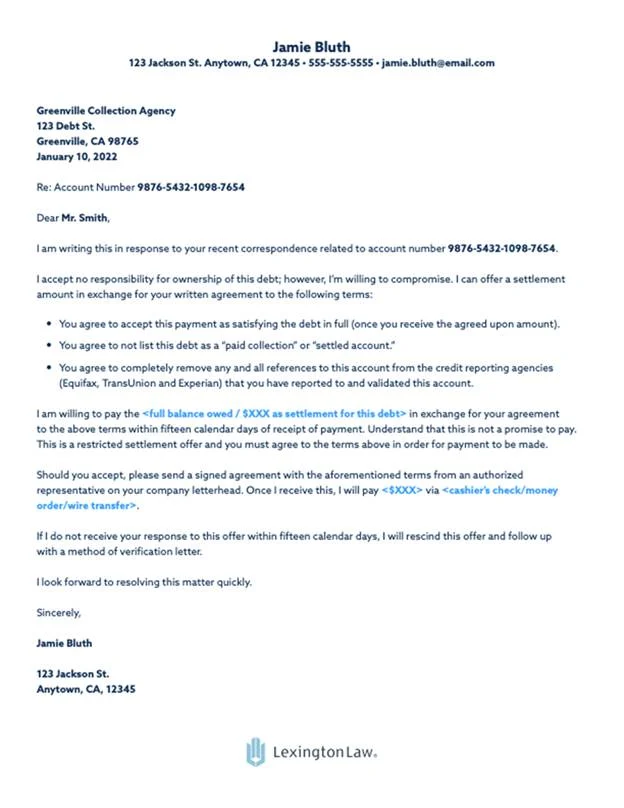
I am writing in response to our recent communications regarding the above-referenced account. I am prepared to offer a settlement amount of [Amount] in exchange for your written agreement to the following terms:
You agree to accept this payment as full satisfaction of the debt.
You agree to instruct all major credit reporting agencies to remove all references to this account from my credit report within 30 days of payment receipt.
You agree not to resell or transfer this debt to any other entity.
Please provide a signed agreement on company letterhead. Once received, I will remit payment via [Method of Payment]. If I do not hear from you within 15 days, this offer is rescinded.
Sincerely,
[Your Name]
Official Responses and Industry Stance
It is crucial to note that credit bureaus and major lenders generally discourage the practice of "pay-for-delete." The credit reporting system is intended to be a mirror of a consumer’s actual financial behavior. From an industry perspective, deleting accurate information compromises the integrity of the data used by lenders to assess risk.
Furthermore, many creditors have signed "Data Furnisher" agreements with the bureaus that explicitly state they will report accurate information. In these instances, a creditor may genuinely want to help you, but they are legally or contractually barred from fulfilling your request. If a creditor declines your request, it is not necessarily a reflection of your negotiation skills, but rather a compliance mandate.
Implications and Alternative Routes
What happens if the request is rejected? It is important to view a pay-for-delete letter as an "add-on" strategy, not a primary financial plan. If your request is denied, you should pivot to other proven methods of credit improvement:
1. The Dispute Process
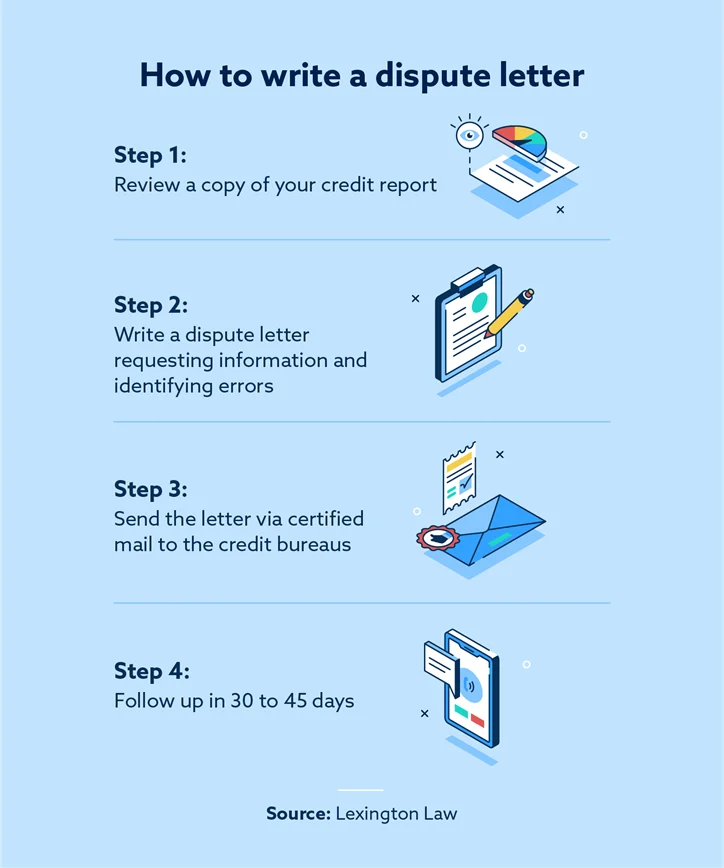
If you believe the debt is inaccurate, outdated, or missing verification, do not offer to pay. Instead, exercise your right under the Fair Credit Reporting Act (FCRA) to dispute the item with the credit bureaus. If the agency cannot verify the debt, they are legally required to remove it.
2. Goodwill Letters
If the debt is legitimate but you have a history of on-time payments, a "goodwill" letter to the original creditor may be more effective. A sincere explanation of an isolated financial hardship can sometimes move a customer service manager to request a deletion.
3. Focus on "Age" and "Balance"
If a collection cannot be removed, focus on the factors that carry the most weight in modern scoring models (like FICO 9 and VantageScore 3.0). These models often place less emphasis on paid collections than previous versions. By focusing on paying down credit card balances and ensuring all current accounts are paid on time, you can often mitigate the impact of the old collection mark.
Conclusion: A Measured Approach
A pay-for-delete letter is a tactical maneuver that requires patience and a clear understanding of your financial landscape. While the digital age and automated credit reporting have made these agreements less common than in the past, they remain a valid path for consumers looking to clean up their credit reports.
However, before sending any funds or communications, it is often wise to seek professional guidance. Organizations like Lexington Law offer comprehensive assessments to help you determine which items are ripe for dispute, which are worth settling, and how to navigate the complex world of credit reporting. By prioritizing accuracy and strategy over desperation, you can take control of your financial reputation and work toward a healthier credit profile.
Disclaimer: This article is for informational purposes only and does not constitute legal, financial, or credit advice. The strategies discussed here are not guaranteed to improve credit scores or result in the removal of account information. Readers are encouraged to consult with a financial professional or legal advisor regarding their specific circumstances.