








In a sweeping effort to modernize its oversight mechanisms and prevent a repeat of the systemic failures that precipitated the collapse of Silicon Valley Bank (SVB), the Federal Reserve is embarking on a significant organizational restructuring. Governor Michelle Bowman recently outlined a plan to consolidate the central bank’s supervisory structure, aiming to dismantle the layers of bureaucracy that she argues have long obscured accountability and hindered the effectiveness of bank examinations.
This shift marks a departure from a decades-old framework that often blurred the lines between regional authority and centralized oversight. By aligning supervisory zones more closely with state lines and streamlining decision-making chains, the Fed hopes to foster a culture of decisive action—moving away from the "committee culture" that critics say allowed risk to fester in the shadow of institutional inertia.
The Core Transformation: Clarifying Accountability
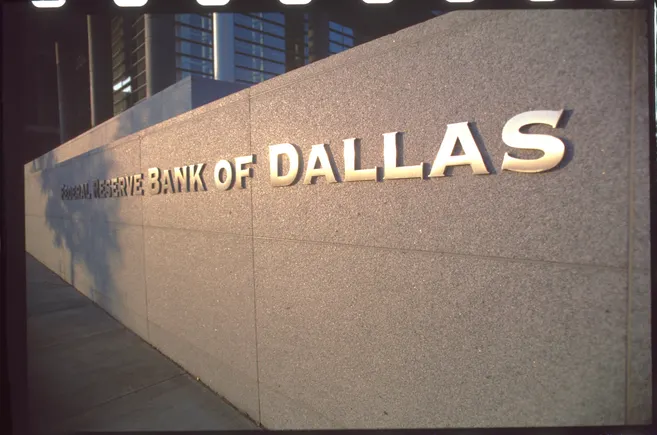
At the heart of Bowman’s proposal is the creation of a consolidated structure designed to hold regional leaders explicitly accountable for supervisory activity within their respective zones. Under the new model, while Fed examiners will remain physically stationed at existing Reserve Bank locations to maintain their localized expertise, their reporting lines and decision-making mandates will be tightened.
"This approach clarifies accountability and decision-making and enables a consistent application of supervision," Bowman stated during a recent address. She emphasized that the current web of committees has functioned as a deterrent to effective oversight, noting that it became a "source for plausible deniability" for officials, effectively disincentivizing examiners from taking prompt, corrective action when early warning signs of instability emerged.
By simplifying the leadership structure, the Fed intends to create operational scale. This move is not merely administrative; it is a tactical response to the finding that the Fed’s traditional organizational design—rooted in a complex, multi-layered committee system—had become dysfunctional.
Chronology of a Regulatory Reckoning
To understand the urgency of these changes, one must look back at the catalyst for this internal soul-searching: the 2023 banking crisis.
- Pre-2023: The Federal Reserve operated under a long-standing structure characterized by a fragmented committee system. While designed to foster consensus, this system inadvertently created a "mismatch between authority for decision-making and accountability for supervisory decisions," as identified by the Starling Advisory Group.
- March 2023: The sudden collapse of Silicon Valley Bank exposed critical gaps in the Fed’s supervisory process. Investigations revealed that while examiners identified risks, the institutional culture failed to escalate these concerns into meaningful, timely interventions.
- Late 2023 – Early 2024: Internal reviews within the Federal Reserve highlighted that "institutional inertia" and a reliance on long-held cultural assumptions were as much to blame as the technical banking failures.
- Current Phase: Governor Bowman announced the move toward regional consolidation, framing it as a direct remedy to the structural weaknesses highlighted in post-mortem reports of the SVB crisis.
- Looking Ahead: The Fed has committed to further structural reforms, including a reassessment of how bank portfolios are categorized by asset size and potential updates to the "large bank tailoring framework," expected to be discussed later this year.
Supporting Data: Why Structure Matters
The necessity for reform is underscored by the systemic nature of the issues identified in the Starling Advisory Group’s preliminary report. The report concluded that the Fed’s supervisory function suffered from a structural disconnect: those with the authority to mandate change were often buffered by committees, while those on the front lines—the examiners—lacked the empowered backing to force a confrontation with bank management.
The "committee web" was more than just a bureaucratic nuisance; it was a mechanism that diluted responsibility. When every decision requires consensus across multiple committees, no single individual is effectively accountable for the outcome. This lack of clear ownership created an environment where "plausible deniability" became the default setting for senior supervisors.
Furthermore, the Fed’s reliance on Reserve Bank district boundaries—rather than state lines—has historically complicated coordination with other state and federal regulators. By shifting to a model that better aligns with modern regulatory ecosystems, the Fed aims to enhance the efficiency of information sharing and joint enforcement actions.
Official Responses and Expert Analysis
The proposed changes have elicited a mixed reaction from industry experts, reflecting a broader debate over whether bureaucratic reshuffling can truly alter an institutional culture.
The Case for "Internal Healing"
Roman Goldstein, senior director at the Klaros Group, views Bowman’s initiative as an act of "turning the playbook inward." He notes that the Fed is essentially performing a root-cause analysis on itself. "Governor Bowman is identifying the root cause and turning it inward," Goldstein observed. He pointed to the Office of the Comptroller of the Currency (OCC), which undertook a similar restructuring in 2013. While that effort eventually yielded improved supervision, Goldstein cautioned that "it took years. Changing an organization’s culture takes time."
The Skeptic’s Perspective
Conversely, critics argue that the Fed may be focusing on the wrong variables. Christopher Appel, director of banking policy at the nonprofit advocacy group Better Markets, remains deeply skeptical.
"The ultimate test is whether Fed examiners are going to identify risks earlier and escalate them," Appel said. He argues that simply changing reporting lines does not address the fundamental issue of whether the leadership of the supervision division is willing to support its examiners in a meaningful way. "Adding another layer of bureaucracy or removing someone’s responsibility… doesn’t give us enough information" to suggest the culture will actually improve, he added. For Appel, the missing ingredient is not an organizational chart—it is the political and institutional will to challenge bank management before a crisis reaches the breaking point.
Implications: The Road to "Safety and Soundness"
The implications of this structural overhaul are profound for the U.S. financial system. If successful, the Fed will move toward a more nimble, assertive supervisory posture. This would mean that when examiners spot risks—such as interest rate sensitivity, liquidity mismatches, or poor risk-management governance—they will be empowered by a clearer chain of command to enforce remedial actions, regardless of the bank’s size or influence.
However, the Fed faces a delicate balancing act. Bowman acknowledged that while addressing "long-standing issues embedded in our institutional culture" is paramount, the central bank must not lose sight of its primary directive. "In the context of bank supervision and regulation, we must not be distracted from our core mission of safety and soundness while we achieve these goals," she warned.
The Future of Tailored Regulation
Beyond the immediate structural changes, the Fed is signaling a broader shift in how it categorizes and supervises financial institutions. By promising to revisit the "large bank tailoring framework" later this year, the Fed is opening the door to a more rigorous approach to regulation based on asset size. This suggests that the "light-touch" regulatory environment that preceded the SVB crisis may be undergoing a permanent, substantive tightening.
As the Federal Reserve moves forward with this reorganization, the eyes of the financial world will be on the efficacy of its implementation. Whether this is merely a "rearranging of the deck chairs" or a fundamental transformation of the Fed’s DNA remains to be seen. For now, the central bank has committed itself to a path of internal reform, betting that by simplifying its own complex structure, it can better protect the stability of the entire American economy.
Ultimately, the success of this initiative will not be measured by the new organizational charts produced in Washington, but by the ability of the next generation of examiners to flag a brewing crisis and ensure it is stopped—decisively and promptly—long before it hits the headlines.