








In the complex landscape of personal finance, understanding the mechanics of your debt is as important as the act of borrowing itself. Millions of Americans carry debt, yet many remain unaware of the fundamental structural differences between the credit products they use. At the heart of this confusion lies the distinction between installment credit and revolving credit.
Whether you are consolidating high-interest debt, financing a major life purchase, or simply managing daily expenses, misidentifying these categories can lead to poor financial decision-making. Choosing the wrong product may result in higher interest costs, unnecessary fees, or a misunderstanding of how your habits impact your credit score. This guide provides an exhaustive look at these two credit structures, their implications for your financial health, and the strategic importance of maintaining a balanced credit profile.
Main Facts: The Structural Divide
To navigate the world of lending, you must first recognize that all credit products fall into one of two buckets. The difference between them is defined by how the funds are disbursed, how the repayment is structured, and the flexibility of the account over time.
The Nature of Installment Credit
Installment credit is defined by its predictability. When you take out an installment loan—such as a mortgage, an auto loan, or a personal loan—you receive a lump sum of capital upfront. In exchange, you agree to a contractual obligation to repay that amount, plus interest, through fixed monthly installments over a predetermined timeframe, known as the "term." Once the final payment is made, the account is closed, and your obligation is satisfied. You cannot "re-borrow" from that same loan; if you require additional funds, you must apply for a brand-new loan.
The Nature of Revolving Credit
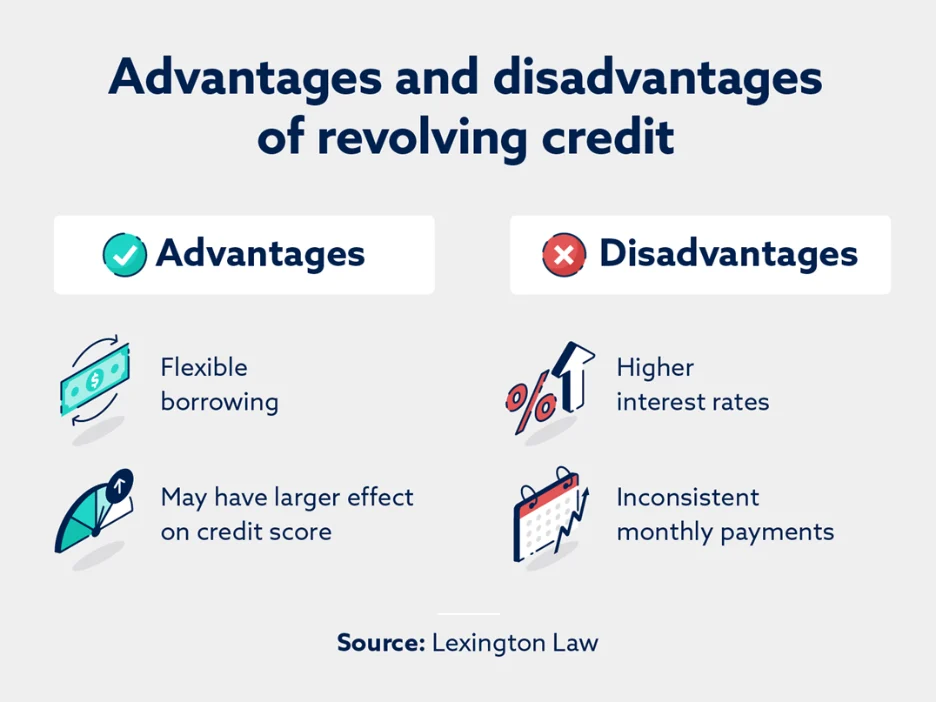
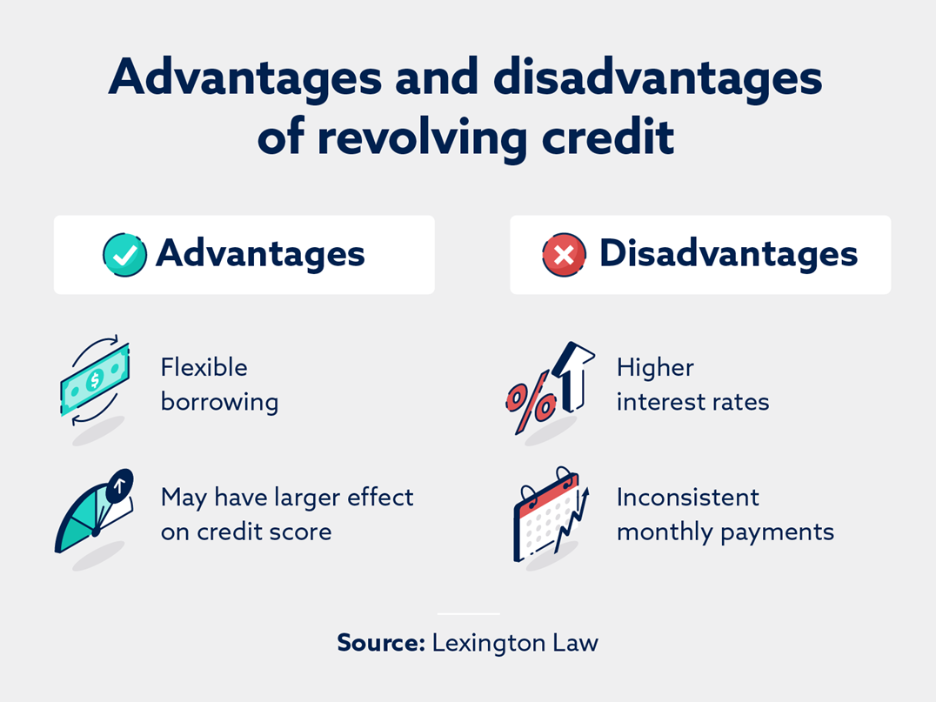
Revolving credit, by contrast, is defined by its fluidity. It provides a predetermined credit limit that acts as a reservoir of funds. You may borrow up to that limit, pay it back, and borrow again—all without the need to reapply for credit. The most ubiquitous example is the credit card. Unlike installment loans, revolving accounts remain open indefinitely as long as the account remains in good standing. Interest is typically charged only on the balance carried from month to month, and your minimum payment fluctuates based on the size of your current debt.
Chronology of Credit Development
The evolution of these credit types mirrors the development of modern banking. Historically, credit was largely installment-based; individuals borrowed specific amounts from local merchants or banks for specific purchases, such as farm equipment or property, with a clear beginning and end.
The 20th century introduced the "revolving" concept to the mainstream, most notably with the advent of the department store charge card and, later, the universal credit card. This shift allowed consumers to decouple borrowing from specific purchases. Instead of taking out a new loan for a new coat, a consumer could use a single line of credit to manage a variety of smaller, recurring expenses.

In the current financial era, lenders have refined these products. Today, consumers often use a "hybrid" approach to credit. For instance, a borrower might use a personal loan (installment) to pay off a credit card (revolving) that has reached its limit. Understanding the chronology of this shift is vital: as our financial lives have become more complex, the ability to switch between these two types of debt has become a key skill in effective personal finance.
Supporting Data: How Credit Scoring Models Perceive Debt
Your FICO® score is not merely a reflection of your ability to pay; it is a complex algorithm that evaluates how you manage different types of risk.
The Weight of Credit Utilization
Revolving credit is a primary driver of your credit score due to the "credit utilization ratio"—the percentage of your available credit that is currently in use. This factor accounts for approximately 30% of your total FICO score.
If you possess a credit card with a $10,000 limit and carry a balance of $5,000, your utilization rate is 50%. Credit scoring models generally view high utilization as a sign of financial distress. Keeping this ratio below 30%—or ideally below 10%—is a standard recommendation for maintaining a high credit score. Because revolving credit limits can be fluid and balances change daily, this component of your score is highly sensitive.
The Importance of Credit Mix
Installment credit plays a different, but equally vital, role. It contributes to "credit mix," which accounts for roughly 10% of your FICO score. Lenders want to see that you can manage more than just a single type of debt. An individual who only carries credit cards (revolving) is often viewed as a higher risk than someone who demonstrates the ability to manage a mix of credit cards, an auto loan, and perhaps a mortgage (installment). By diversifying your credit profile, you signal to lenders that you are capable of handling long-term, fixed-payment obligations alongside short-term, variable ones.
Official Perspectives and Market Implications
Financial regulators and institutions often emphasize that neither form of credit is "better" than the other; rather, they serve different functional purposes.
When to Choose Installment Loans
Installment credit is the optimal tool for known, high-cost expenses. Because the payments are fixed and the end date is known, it is an excellent vehicle for debt consolidation. If you are struggling with the compounding interest of revolving debt, moving that debt into an installment loan can provide a "light at the end of the tunnel." You trade the open-ended nature of a credit card for a structured, disciplined payoff plan.
When to Choose Revolving Credit
Revolving credit is designed for unpredictable, recurring costs. If you encounter an emergency—such as a car repair or a sudden medical expense—the speed of a credit card is unmatched. However, the convenience comes with a cost: variable interest rates. If you cannot pay the balance in full, revolving debt can become a "debt trap" where the interest compounds, making the original purchase significantly more expensive than intended.
Implications: Managing Your Credit Health
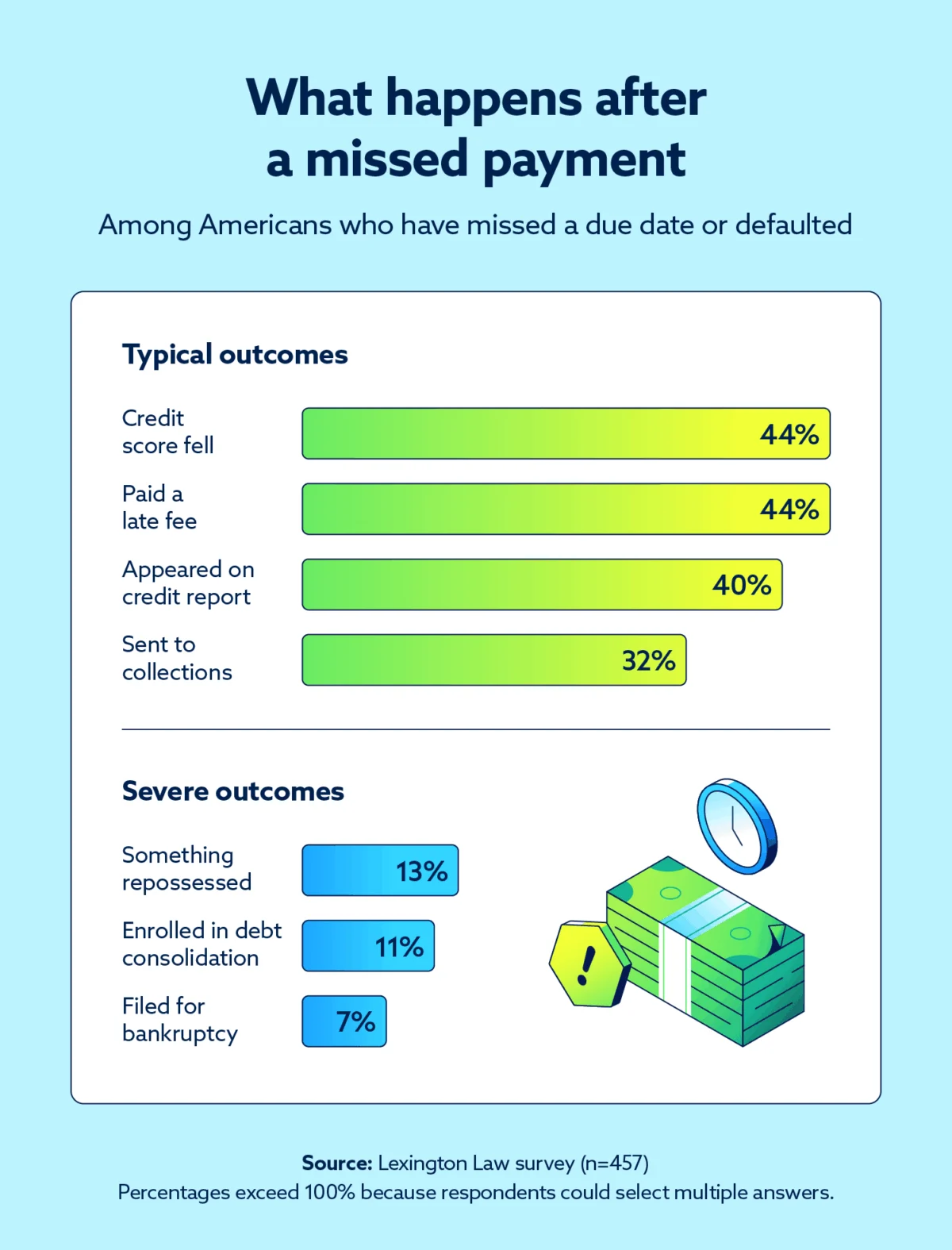
The implications of your choices extend far beyond the immediate purchase. Because late payments remain on your credit report for up to seven years, regardless of whether the account is installment or revolving, your payment history is the single most important factor—comprising 35% of your FICO score.
Avoiding Common Pitfalls
- The "New Loan" Trap: When you pay off a personal loan early, you might assume it is an unmitigated win for your credit. However, because this shortens your average account age and reduces your credit mix, you may see a minor, temporary dip in your score.
- The Utilization Trap: Opening new revolving accounts to increase your total available credit (thereby lowering your utilization percentage) can sometimes lower your score in the short term due to the "hard inquiry" associated with the application.
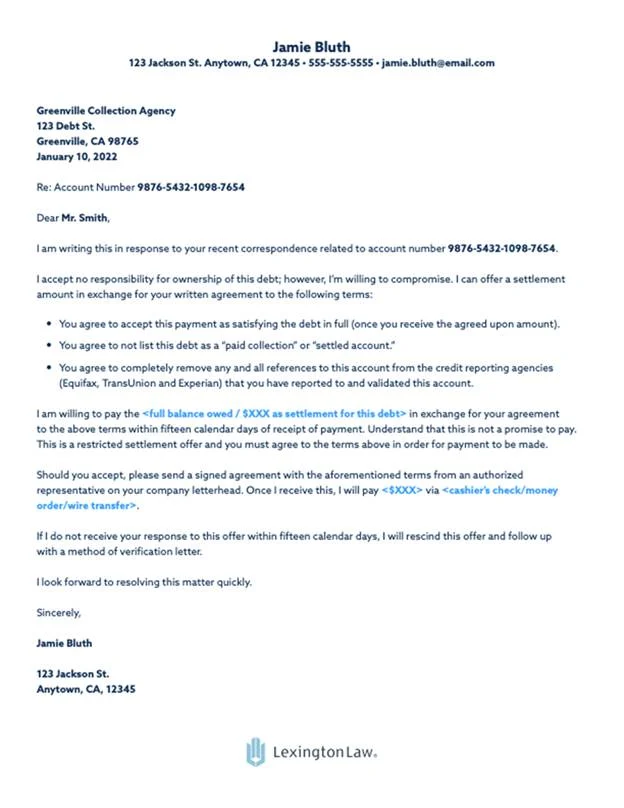
- The Accuracy Factor: Your credit score is only as good as the data reported to the bureaus. Errors regarding balance amounts or payment status can unfairly drag down your score, preventing you from qualifying for better interest rates on future installment loans.
Proactive Steps for Consumers
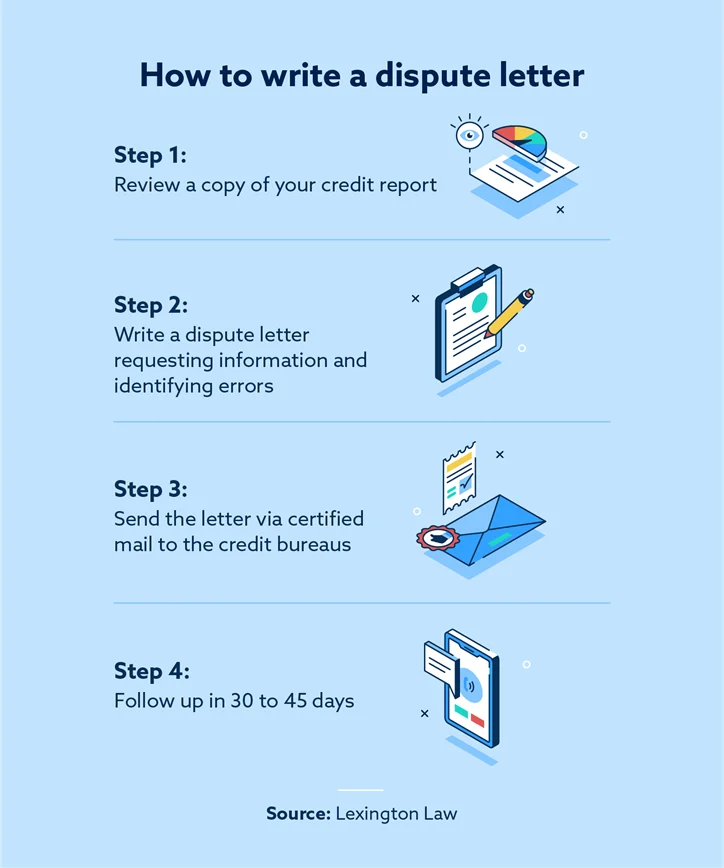
Before applying for any new credit, take a comprehensive look at your credit report. Ensure that your accounts are correctly labeled and that no unauthorized activity exists. A clean credit report is the foundation upon which you can build a more strategic credit profile. If you find discrepancies, exercise your right to dispute them.
Conclusion: The Strategic Borrower
The distinction between installment and revolving credit is more than academic; it is a tactical tool for your financial future. Revolving credit offers the flexibility needed for daily living, while installment credit offers the structure required for long-term growth and debt management.
By understanding the math behind interest rates, the mechanics of credit utilization, and the importance of credit mix, you transform from a passive user of credit into a strategic borrower. Whether you are seeking to pay down debt or build a more robust credit history, remember that the goal is not to avoid debt entirely, but to manage it in a way that aligns with your long-term objectives.
Disclaimer: This article is for informational purposes only and does not constitute financial, legal, or credit advice. Always consult with a qualified financial advisor before making significant changes to your credit strategy.