






The fast-casual and quick-service restaurant (QSR) sectors are undergoing a massive structural transformation. Driven by shifting consumer habits, post-pandemic economic pressures, and rapid advancements in artificial intelligence, prospective franchise owners face an entirely new set of rules in 2026. With the global QSR market having comfortably surpassed the historic milestone of $387.5 billion, capital allocation in this sector demands a sophisticated approach.
Today’s investors cannot rely solely on the nostalgic strength of legacy burger and chicken chains. Instead, success requires a careful analysis of unit-level economics, technological integration, operational agility, and an unwavering alignment with modern consumer demands for health, transparency, and digital convenience.

Main Facts: The State of the QSR Franchise Market in 2026
Entering 2026, the fast food franchising ecosystem is defined by a delicate balance between proven, high-volume giants and disruptive, low-overhead concepts.
- Market Scale: The broader quick-service restaurant market continues to grow, maintaining its position as a dominant force in retail franchising. QSRs currently make up roughly 25% of all franchises operating within the United States.
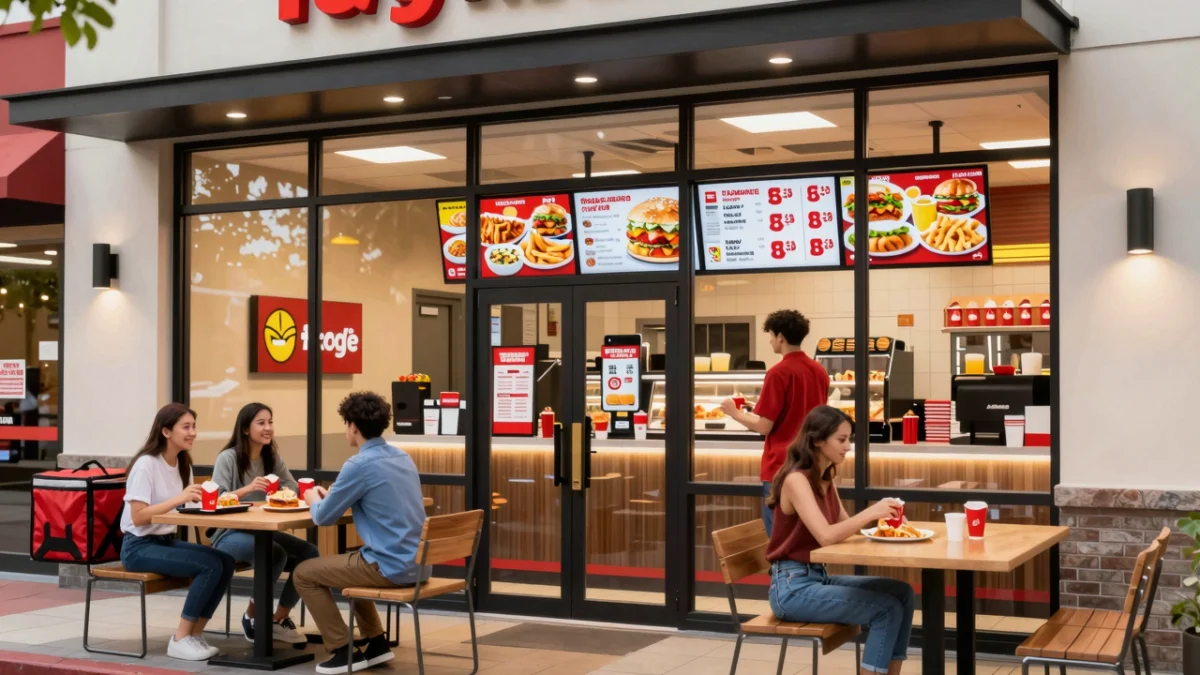
- The Shift to Off-Premise Dining: Drive-thrus, mobile ordering, and delivery infrastructure are no longer auxiliary revenue streams—they are core operational necessities. Modern drive-thru configurations, including double-lane setups, have been shown to boost sales by up to 30%.
- The Rise of Health and Wellness: Consumer preference has pivoted sharply toward fresh, wholesome, and plant-based options. Plant-based menu items and health-focused concepts have recorded a sustained 20% sales boost over recent comparative periods.
- Capital Requirements: Initial investment barriers vary widely. While entry-level mobile concepts like food trucks or coffee trailers can be launched for under $30,000, traditional brick-and-mortar storefronts for established brands routinely require minimum liquid capital ranging from $150,000 to over $1 million, with total investment costs stretching well past $3 million for heavy-hitting franchises like Chick-fil-A.
Chronology: How the Fast Food Industry Evolved to the 2026 Model
To understand where the franchise market stands today, it is helpful to trace the rapid evolution of QSR business models over recent years:

- The Pre-2020 Era: Traditional fast food relied heavily on dine-in traffic, expansive brick-and-mortar footprints, and broad, mass-market menus with minimal emphasis on dietary restrictions or nutritional transparency.
- The 2020–2022 Pivot: Global disruptions forced the industry to pivot overnight. Contactless ordering, curbside pickup, and delivery services became vital lifelines. Brands that invested in digital infrastructure survived; those slow to digitize faltered.
- The 2023–2024 Efficiency Boom: As labor shortages and supply chain inflation squeezed profit margins, operators looked for ways to cut overhead. This era saw the explosive growth of "ghost kitchens"—shared spaces optimized exclusively for delivery—alongside the introduction of modular, drive-thru-only restaurant builds.
- The 2025–2026 AI and Wellness Integration: Today, the focus has shifted toward predictive ordering, AI-driven marketing tools, and hyper-customized, health-conscious menus. The modern fast food franchise is as much a data-analytics enterprise as it is a culinary business.
Supporting Data: Financial Metrics and Franchise Comparisons
When evaluating franchise opportunities, prospective buyers must look beyond brand recognition and dissect the hard numbers. Industry experts recommend evaluating Average Unit Volumes (AUV), EBITDA margins, and cash-on-cash returns.
Core Financial Benchmarks for Top-Tier Franchises
| Financial Metric | Ideal Target Value | Industry Implication |
|---|---|---|
| Average Unit Volume (AUV) | Over $3 Million | Indicates robust overall sales potential and high consumer foot traffic. |
| EBITDA Margin | 12% – 20% | Reflects effective cost management and operational efficiency. |
| Cash-on-Cash Return | 20% – 35% | Demonstrates the speed and strength of return on invested capital. |
Comparative Analysis of Select 2026 Franchises
| Franchise Brand | Culinary Concept | Minimum Cash Investment | Notable Characteristics |
|---|---|---|---|
| The Great Greek Mediterranean Grill | Made-from-scratch Mediterranean | $300,000 | Appeals strongly to health-conscious diners looking for fresh ingredients. |
| Wayback Burgers | Classic American Burgers | $250,000 | A staple of comfort food with streamlined operational models. |
| Teriyaki Madness | Asian Fast-Casual | $200,000 | Customizable bowls tapping into the demand for bold, fresh flavors. |
| Captain D’s | Seafood Offerings | $350,000 | Fills a unique niche in the QSR seafood market with steady demand. |
| Bruster’s Real Ice Cream | Dessert / Ice Cream | $150,000 | Lower footprint option with strong community-driven customer engagement. |
| Tropical Smoothie Café | Health-Focused Smoothies & Food | ~$150,000 – $200,000 | Boasts an impressive AUV of over $1.01 million, aligning with wellness trends. |
Official Responses and Expert Insights from Industry Leaders
Franchise consultants and corporate executives emphasize that due diligence is more critical than ever. According to data from marketing associations, approximately 68% of Chief Marketing Officers (CMOs) in the retail and food service sectors are prioritizing artificial intelligence tools to optimize customer acquisition and improve marketing return on investment (ROI).

Industry analysts note that consumer behavior has permanently changed regarding digital discovery. Statistics show that roughly one in five Americans now utilizes AI-driven search tools and recommendation engines when deciding where to dine. Consequently, corporate franchisors are heavily subsidizing digital infrastructure, rolling out centralized app-based loyalty programs, and investing in automated inventory management to protect franchisee margins.
Furthermore, corporate leadership teams across major brands are advising prospective multi-unit owners to pay close attention to labor optimization. By simplifying menu items (reducing Stock Keeping Units, or SKUs) and incorporating kitchen automation, brands are successfully mitigating the ongoing pressures of rising labor costs.

Implications: What This Means for Future Franchise Investors
The structural shifts defining the 2026 fast food landscape carry significant implications for anyone looking to deploy capital in the sector:
1. The Death of the Passive Ownership Model
Running a modern fast food franchise is no longer a "set-it-and-forget-it" venture. Because margins can be tight—often hovering between 5% and 18% depending on the concept—owners must be actively engaged in local store marketing, labor scheduling, and data analysis. Leveraging AI tools for targeted digital ads and inventory forecasting is vital to protecting the bottom line.

2. Adaptation to Health and Flexitarian Diets
The surge in demand for fresh, organic, and plant-based foods is not a passing fad. Franchisees who invest in brands incapable of pivoting away from heavy, hyper-processed menus risk alienating the lucrative younger demographic (Millennials and Gen Z). Incorporating customizable, cleaner menu options is now a baseline requirement for long-term survival.
3. Real Estate and Footprint Flexibility
High construction costs and expensive commercial real estate have made traditional, sprawling dining rooms less economically viable. The future belongs to modular builds, drive-thru-only layouts, and ghost kitchens that reduce square footage while maximizing throughput for delivery and takeout orders.

Conclusion
Investing in a fast food franchise in 2026 offers immense potential, but it demands a disciplined, data-driven strategy. By targeting brands that emphasize health and sustainability, scrutinizing key financial metrics like AUV and EBITDA, and fully embracing digital marketing and technological automation, investors can protect their capital.
Before signing any franchise disclosure document (FDD), prospective owners should attend corporate discovery days, consult legal counsel, and speak candidly with current franchisees. In a rapidly evolving market, thorough research and operational adaptability remain the truest barometers of long-term success.