






In a sweeping operation that has sent shockwaves through the global cybersecurity community, the Australian Federal Police (AFP) have dismantled the core of TeamPCP, a decentralized yet devastatingly effective cybercrime syndicate. Responsible for what security analysts characterize as the longest-running software supply chain attack spree in history, the group utilized a self-propagating worm—codenamed Shai-Hulud—to infiltrate thousands of businesses, including major technology conglomerates and critical AI infrastructure.
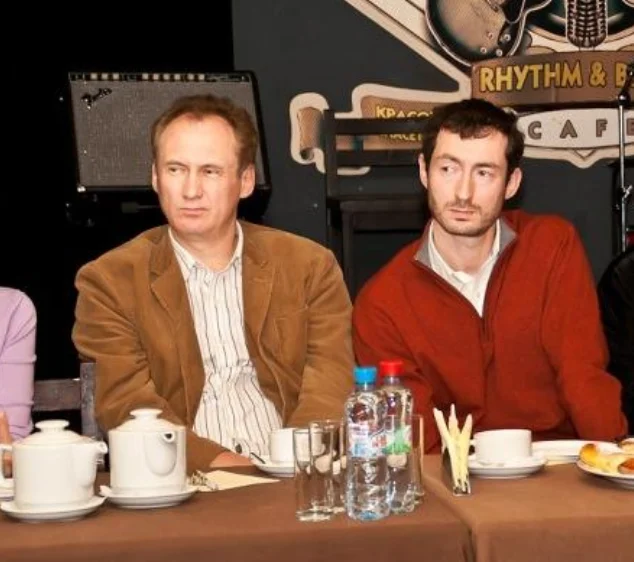
The AFP confirmed the arrest of two Western Australian men, aged 21 and 23, in connection with the syndicate. While the authorities maintained initial operational silence regarding the suspects’ identities, investigative reporting has identified them as Ruben Thomson and Michael Gaebler. Their capture marks the end of a chaotic, nine-month reign of terror that forced the world’s largest software platforms, including Microsoft-owned GitHub, to overhaul their security protocols.

The Anatomy of an Unprecedented Spree
TeamPCP did not operate like traditional state-sponsored Advanced Persistent Threats (APTs) or organized ransomware cartels. Instead, they functioned as a fluid "peer community" of threat actors—a collective dubbed the "Cybercats" by the members themselves.
The group’s core strategy relied on a cyclical exploitation model. By compromising the networks of open-source developers, they would inject malicious payloads into widely used software libraries. When unsuspecting developers downloaded these poisoned tools, the malware would compromise their machines, granting TeamPCP access to further credentials and repositories. This "recursive infection" allowed the group to scale their operations exponentially.

In March 2026, the group demonstrated the devastating potential of this method by targeting LiteLLM, an open-source AI gateway. Security firm CloudSEK reported that the breach harvested cloud service keys from over 2,500 organizations, including global technology leaders. By May, the group had successfully compromised at least 3,800 GitHub repositories, highlighting a systemic vulnerability in the modern software supply chain.
Chronology: From Underground Forums to Global Disruption
The emergence of TeamPCP was not an overnight occurrence but the culmination of years of escalating activity by its key members on various dark-web forums.

- 2022–2024: Key figures, including the primary operator known as "Ellis" (Ruben Thomson), began building a reputation on forums like Raidforums and Altenen. Using handles such as
Sheep420andDingoFlour, these actors honed their skills in credential harvesting and virtual private server (VPS) sales. - Late 2025: TeamPCP vaulted onto the scene, launching the Shai-Hulud worm. The group began aggressively targeting the software development ecosystem, moving beyond simple data theft into complex supply chain poisoning.
- May 2026: In an audacious display of recruitment, the group launched a "hacking contest." Offering a 1,000 XMR (Monero) prize, they incentivized participants to use Shai-Hulud to infect the most popular code libraries, effectively crowdsourcing their malicious infrastructure.
- June–July 2026: Investigative scrutiny intensified. Security researchers at Google and independent analysts began linking residential IP addresses in Western Australia to the group’s activities.
- August 2026: The AFP, acting on intelligence shared with the FBI and Western Australia Police, executed raids in Perth, leading to the arrest of Thomson and Gaebler.
The "Cybercats" Ecosystem: A Culture of Chaos
What distinguished TeamPCP from professional criminal enterprises was their extreme lack of operational security (OPSEC). The "Cybercats" Matrix chat server served as a digital town square for the group, where they discussed targets, shared stolen data, and taunted victims in real-time.
The group was a loose amalgamation of specialized threat actors. "Boxturtle" (@xpl0itrsturtle) served as the data breach broker, peddling information stolen from automotive giants like BMW, Audi, and Mercedes-Benz. "SeesawSec" led the group known as Fulcrumsec, which targeted pharmaceutical titan Novo Nordisk and Fortune 500 distributor Avnet.

The leader, Ruben Thomson, operated under the persona of "Ellis." Despite his technical prowess, his life outside the screen was marked by severe substance abuse and a penchant for leaving a digital breadcrumb trail that led directly to his front door. His use of his own cybercrime handles—such as "OPSEC Express"—in the names of his legitimate Australian businesses serves as a textbook example of the hubris that ultimately led to the group’s undoing.
Official Responses and the Price of Negligence
The AFP’s statement underscored the "sophisticated" nature of the syndicate’s work, emphasizing the massive scale of the victimization. However, the arrest also highlighted the long-standing failures of major tech platforms to address supply chain integrity.

Charlie Eriksen, a security researcher at Aikido Security, argues that TeamPCP acted as an unintentional "stress test" for the global software ecosystem. "They managed to wake up Microsoft to the fact that they had become negligent," Eriksen noted. In response to the breaches, GitHub implemented a mandatory three-day "cooldown" for Dependabot updates, a change that security experts had been demanding for years.
"TeamPCP is a good example of a new kind of threat actor," Eriksen added. "They are not a state actor, not quite organized cybercrime, and not purely ideological. Their motivations seem to mix money, disruption, attention, and ideology."

Implications: The New Frontier of Threat Actors
The TeamPCP saga carries profound implications for the future of cybersecurity:
- The AI Acceleration Gap: The use of Large Language Models (LLMs) has compressed the time required to turn research into an operational weapon. Threat actors can now operate at significant scale without the decades of professional discipline that traditionally acted as a barrier to entry.
- The "Loud and Dangerous" Paradigm: While traditional criminal groups value stealth, TeamPCP was notoriously noisy. They were willing to take risks—such as taunting victims and using public repositories for malware delivery—that intelligence services would consider unacceptable. As Eriksen warns, this recklessness does not make them less dangerous; it makes them more unpredictable.
- The End of "Security by Obscurity": The ease with which researchers were able to deanonymize the leaders of TeamPCP suggests that the era of the "anonymous hacker" is waning, provided that investigators have the will and the resources to cross-reference open-source intelligence (OSINT).
The Aftermath: Justice and Future Security
As of late August 2026, Ruben Thomson and Michael Gaebler remain in custody in Perth. Thomson has been denied bail, and both are expected to face a long legal battle. The charges—spanning 14 counts of cybercrime—carry the potential for significant prison sentences.

In his final interview before his arrest, Thomson expressed a resignation that bordered on fatalism. He acknowledged his struggles with addiction and the lack of a legitimate path for someone with his skill set in the current labor market. "If I’ve already been found out then it’s out of my control," he told KrebsOnSecurity. "I’ll make peace with that."
Ultimately, TeamPCP will be remembered not for their profit-making prowess, but for the fundamental shift they forced in the way the world treats software dependencies. By exposing the fragility of the open-source trust model, they catalyzed security changes that will protect the digital economy for years to come—a legacy that stands in stark contrast to their original, destructive intentions.

The arrest of the "Cybercats" is a sobering reminder: in an age where digital infrastructure is the bedrock of global society, the most significant threat to security may not be a state-backed army of spies, but a small, reckless group of individuals capable of exploiting the cracks in our shared digital foundation.