









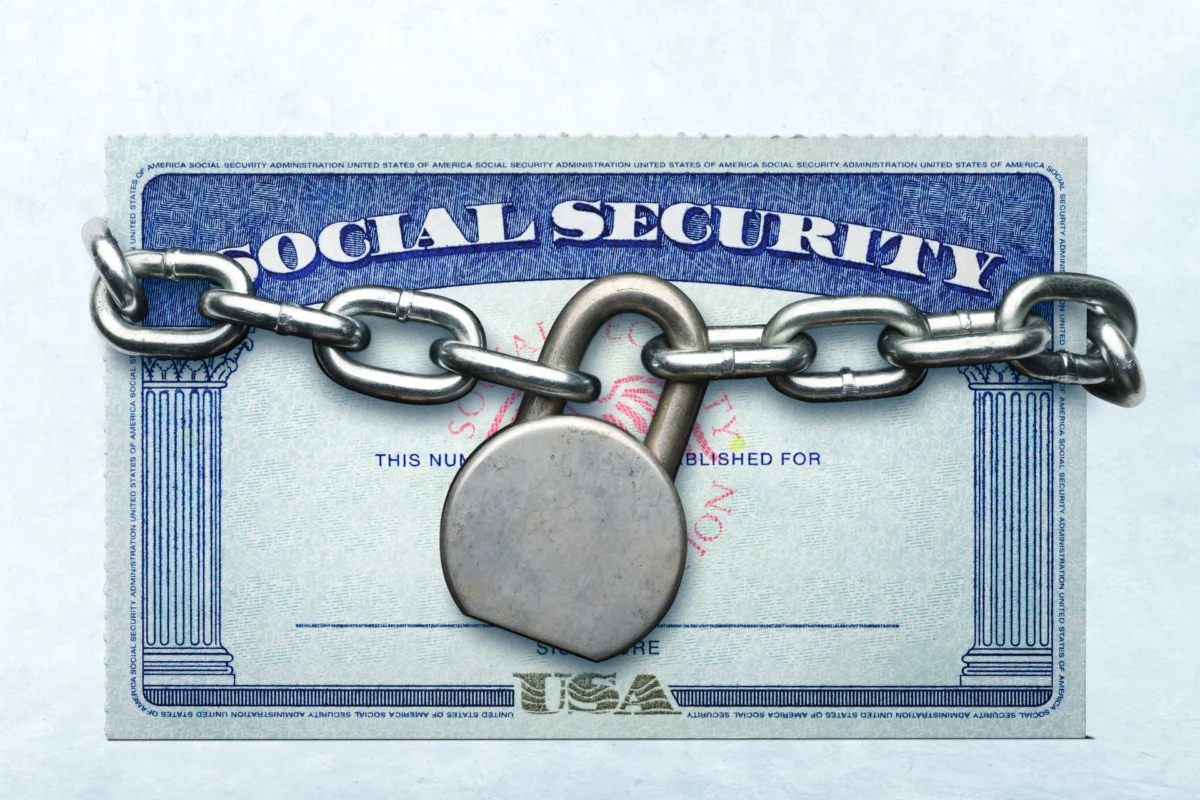
For millions of Americans, the discovery that their Social Security number (SSN) has been compromised is the start of a harrowing journey. Beyond the immediate financial threat—unauthorized credit lines, tax fraud, and drained retirement accounts—victims have long faced a secondary, equally debilitating challenge: the Social Security Administration’s (SSA) labyrinthine bureaucracy. For years, survivors of identity theft have described the recovery process as an exhausting “call center scavenger hunt,” characterized by long wait times, conflicting advice from different agents, and the repetitive, traumatizing need to retell their story to dozens of strangers.
However, a significant legislative shift arrived on October 7, 2026, when the Improving Social Security’s Service to Victims of Identity Theft Act (H.R. 5345) was signed into law. This bipartisan measure seeks to dismantle the red tape that has historically plagued victims, promising a more humane and efficient path to resolution.
The Core Mandate: A Single Point of Contact
The cornerstone of the new legislation is a fundamental shift in how the SSA handles casework. Under the old system, victims were often forced to navigate a disjointed internal structure where no single employee was accountable for the entirety of a case. This frequently led to victims falling through the cracks, receiving contradictory information, or suffering from months of administrative inaction.
The new law mandates that the SSA must assign a dedicated, trained employee to serve as the single point of contact for every victim of SSN fraud, as well as those whose Social Security cards have been lost or intercepted in the mail. This "case manager" approach ensures that once a report is filed, one individual is responsible for maintaining the case records, coordinating with various agency departments, and shepherding the file through to a final resolution. By eliminating the need for victims to explain their situation to a new representative every time they call, the law aims to reduce the psychological burden on those already reeling from the theft of their most sensitive personal identifier.
Chronology of Reform: From Legislative Intent to Implementation
The road to this reform was paved by mounting pressure from constituents and the persistent, documented failures of the legacy system.
- Early 2024–2025: Data breach reports from the Identity Theft Resource Center (ITRC) began to show a staggering trend. In 2024 alone, over 1,800 data compromises involved the exposure of Social Security numbers. This figure climbed even higher in 2025, with 2,243 incidents of SSN exposure, highlighting the urgent need for a more robust federal response.
- Legislative Introduction: Representative David Kustoff (TN-08) introduced H.R. 5345 following a wave of reports from his own constituents who had been left helpless by the SSA’s existing, fragmented processes.
- October 7, 2026: The Improving Social Security’s Service to Victims of Identity Theft Act is officially signed into law, marking a significant victory for consumer advocacy groups.
- The Transition Period (October 2026 – April 2027): The law provides the SSA with a 180-day implementation window. During this time, the agency is tasked with establishing new internal protocols, developing specialized training curricula for the caseworkers, and deploying a new routing system designed to manage and track individual victim cases from start to finish.
- April 5, 2027: The official effective date. As of this day, the SSA is legally required to provide the single-point-of-contact service to all eligible victims.
Data-Driven Urgency: The Rising Tide of Identity Fraud
The necessity of this legislation is underscored by the sheer volume of data compromises currently facing the American public. According to the ITRC, the proliferation of digital theft is not merely a nuisance; it is a systemic economic threat.
The 2024 and 2025 Annual Data Breach Reports provide a grim context for the law’s enactment. In 2024, there were 3,158 documented data compromises. Of these, 1,812 incidents specifically involved the theft of SSNs. The following year, 2025, saw the number of compromises rise to 3,322, with a corresponding increase in the number of breaches exposing SSNs to 2,243.

These numbers suggest that the "scavenger hunt" for resolution was becoming a structural failure point in the government’s ability to protect its citizens. As more personal data is funneled into the dark web, the volume of cases hitting the SSA was outpacing the agency’s capacity to manage them in a personal, attentive manner. The new law is, in effect, an acknowledgement that the agency’s infrastructure must evolve to match the sophistication and frequency of modern cybercrime.
Official Responses and Political Alignment
The bipartisan nature of the legislation has been a key factor in its success. Representative Kustoff, the bill’s primary sponsor, emphasized that the goal was to remove the adversarial nature of government interaction. "Americans recovering from identity theft should not have to fight through layers of red tape to receive help," Kustoff stated during the signing ceremony. "With this law, victims will have a trained employee responsible for coordinating their case and seeing it through to resolution."
The House Ways and Means Committee, which played a pivotal role in drafting the legislation, highlighted the "conflicting information and advice" that victims were receiving as a primary driver for the bill. By centralizing authority within the agency, lawmakers hope to ensure that the information provided to the victim is consistent, accurate, and actionable.
Implications for the Future of SSA Services
The implications of this act extend far beyond the immediate benefit to victims. It represents a shift in philosophy toward "client-centric" government services. By acknowledging that a citizen’s interaction with a federal agency during a crisis should be managed with empathy and continuity, the government is setting a new standard for service delivery.
Operational Challenges
While the law is a victory for the public, the SSA faces a significant operational hurdle during the six-month transition period. The agency must:
- Staff Training: Develop a curriculum that equips case managers not just with technical knowledge of SSA systems, but with the conflict-resolution skills necessary to assist victims of a high-stress crime.
- Infrastructure Upgrades: Modernize the internal routing systems that currently allow for fragmented case handling.
- Cross-Departmental Cooperation: Ensure that these new case managers have the authority to bypass standard queues and coordinate with other divisions (such as fraud prevention or benefits adjustment) to resolve issues quickly.
Essential Steps for Victims Today
While the new law will make the SSA’s side of the recovery process much smoother starting in April 2027, victims must continue to be proactive. If your SSN is compromised, the following steps remain the critical first line of defense:
- Place a Fraud Alert: Contact one of the three major credit bureaus (Equifax, Experian, or TransUnion). Placing an alert on your credit file makes it harder for identity thieves to open new accounts in your name.
- Review Your Credit Reports: Carefully scrutinize your reports for any signs of unauthorized activity. You are entitled to a free report from each bureau annually.
- File an Identity Theft Report: Visit IdentityTheft.gov, the Federal Trade Commission’s (FTC) website. This creates a formal report that can be used as legal proof of the theft, which you will eventually provide to the SSA once the new law takes effect.
- Monitor SSA Statements: Even if you are not yet collecting benefits, monitor your "my Social Security" account for any unauthorized changes to your work history or personal information.
Conclusion: A Step Toward Restoring Trust
The passage of H.R. 5345 is a landmark moment for government accountability. By codifying the right to a dedicated, human point of contact, the federal government is finally acknowledging that when citizens are victimized by fraud, the system designed to protect them should not become another source of trauma. As the April 2027 implementation date approaches, the focus now shifts to the Social Security Administration’s execution. For the millions of Americans whose data has been exposed in the digital landscape, this law provides a much-needed lifeline in the chaotic aftermath of identity theft.