






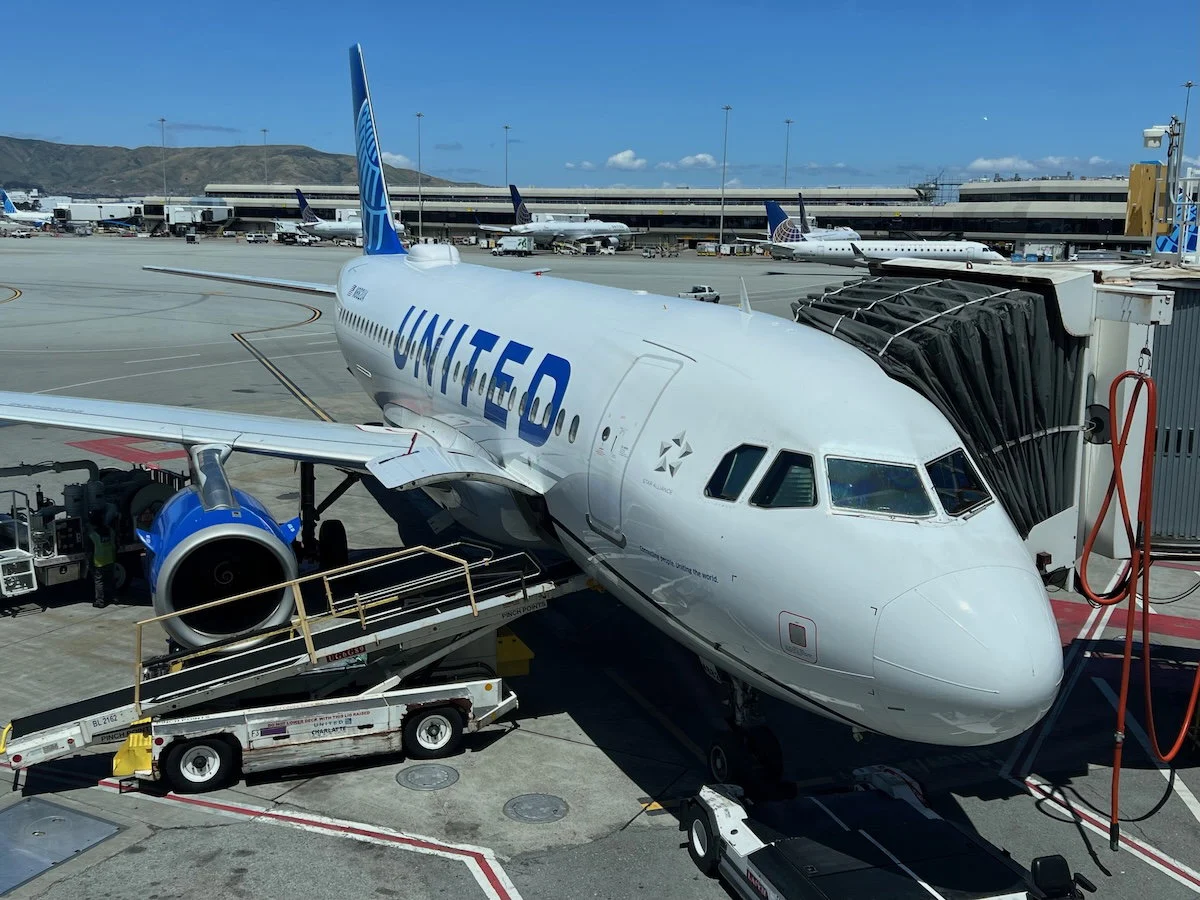
In a move that has sparked widespread discussion within the aviation industry, United Airlines has officially confirmed the locations of its two newest flight attendant bases: Dallas/Fort Worth International Airport (DFW) and Sacramento International Airport (SMF). While the airline had previously signaled its intention to expand its crew footprint, the specific selection of these two cities—particularly the decision to establish a base in the heart of American Airlines’ largest fortress hub—has left industry analysts, union representatives, and veteran crew members searching for the underlying strategic logic.
The Role of Flight Attendant Bases in Modern Aviation
To understand the significance of this development, one must first understand the operational anatomy of a major carrier. A flight attendant base is more than just a reporting station; it is the logistical heartbeat of a region. It is the location where crew members are assigned, where they begin and end their duty cycles, and, crucially, where "reserve" flight attendants are held on standby.
Reserve flight attendants are the airline’s safety net. When a scheduled crew member calls in sick, encounters a delay, or is otherwise unable to staff a flight, the airline relies on these reserve personnel to step in at a moment’s notice. By maintaining a base in a specific city, an airline ensures it has a local pool of talent to keep the flight schedule running smoothly. Historically, airlines have clustered these bases at their primary hubs (such as Chicago-O’Hare, Newark, or Houston) to minimize the costs associated with "deadheading" (transporting crew members as passengers) and to provide a seamless flow for complex flight rotations.
Chronology of the Announcement
The path to this announcement began several weeks ago when internal memos circulated within United Airlines, alerting staff that the carrier intended to diversify its crew base network. The announcement was presented as a strategic measure to better align crew staffing with current network demands and projected growth.
Following weeks of internal speculation and industry gossip, the news was solidified by reports from aviation analysts, most notably JonNYC, who confirmed that Dallas and Sacramento had been selected. The announcement comes at a time when the airline industry is grappling with significant labor shifts, post-pandemic hiring surges, and a renewed focus on operational efficiency. For the thousands of United flight attendants currently based elsewhere, the opening of these two locations offers new opportunities for transfers, while for new hires, these cities represent a potential permanent station for their professional careers.
Analyzing the DFW and SMF Selection
The selection of Sacramento and Dallas presents a fascinating dichotomy. Sacramento (SMF) is a significant point of interest for United in the California market, though it does not function as a traditional hub. Conversely, Dallas (DFW) is a massive, high-volume airport almost entirely dominated by American Airlines.
The Dallas Paradox
The inclusion of Dallas is arguably the most counterintuitive decision in recent airline logistics. DFW is a "fortress hub" for American Airlines. United’s presence in Dallas is modest, serving primarily as a connector to its own hubs rather than a standalone operating base.
Observers have been quick to point out the irony: United CEO Scott Kirby, who resides in the Dallas area, famously commutes to Chicago. However, reports suggest that Kirby often utilizes American Airlines for these commutes due to the sheer frequency of flights and his own travel privileges. The establishment of a United crew base in the very "backyard" of his primary competitor has led to much speculation. While some might suggest this is a power play or an attempt to capitalize on local talent pools who wish to work for United without relocating to a primary hub, the operational reality remains murky.
The Sacramento Strategy
Sacramento presents a different profile. As the capital of California, it is a high-growth region. By establishing a base there, United may be looking to stabilize its West Coast operations. California remains a notoriously difficult place to manage crew logistics due to high living costs and strict labor regulations. A base in Sacramento could allow United to capture a workforce that might find the costs of living in San Francisco (SFO) or Los Angeles (LAX) prohibitive, thereby creating a more sustainable and retention-friendly staffing model.
Supporting Data: The Logistics of Crew Basing
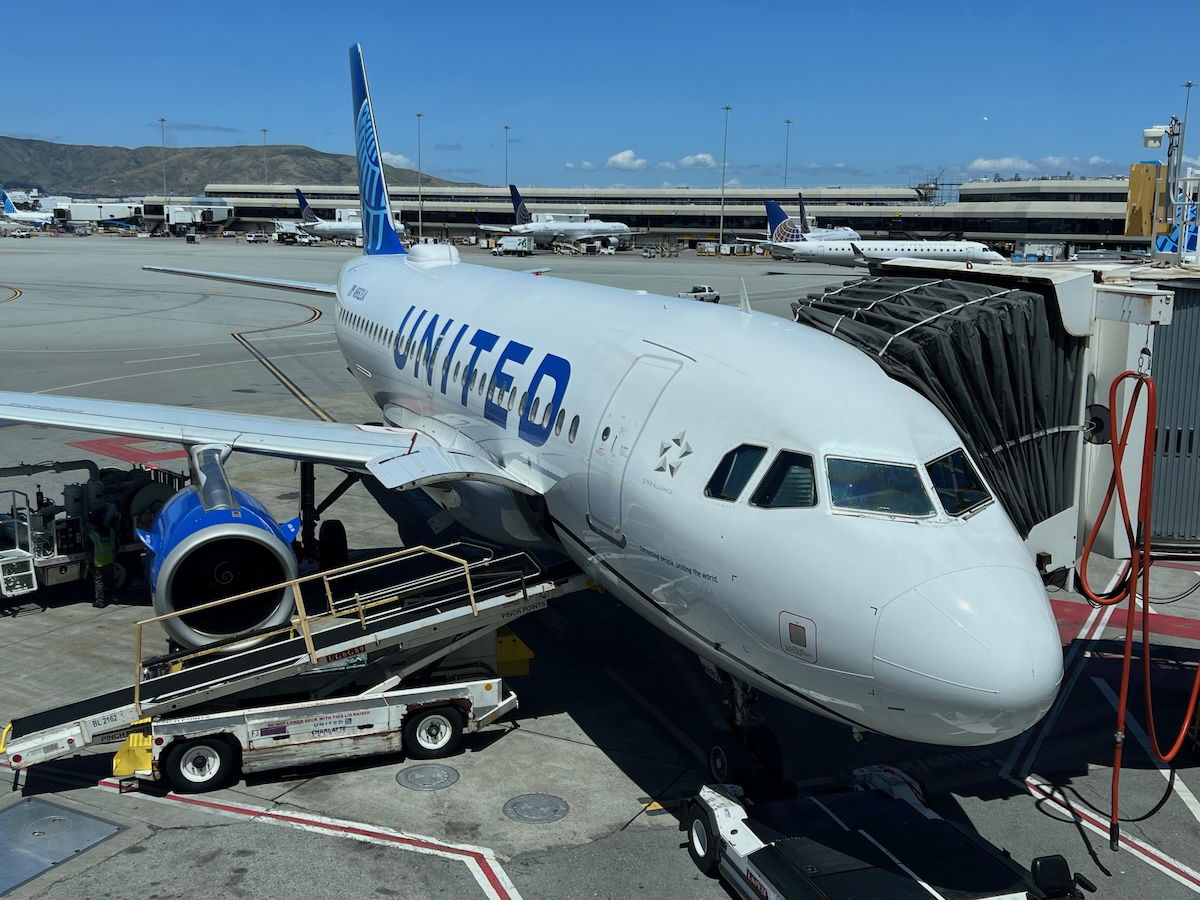
While the industry often focuses on fleet size and route networks, the "hidden" cost of an airline is its crew logistics. According to industry data, the cost of flying a crew member to their base or providing them with hotel accommodations while on reserve status can reach millions of dollars annually for a major carrier.
By opening bases in DFW and SMF, United is likely aiming for:
- Regional Stability: Reducing the reliance on "commuter" flight attendants—those who live in one city but are based in another—who are often susceptible to weather-related travel disruptions.
- Reserve Optimization: Placing reserve staff in cities that are strategically positioned to handle irregular operations (IROP) recovery.
- Talent Acquisition: Tapping into local labor markets that may be underserviced by other airlines, potentially lowering the training and onboarding costs associated with moving new hires to expensive major hubs.
Official Responses and Union Perspectives
As of this writing, United Airlines has provided limited public commentary regarding the specific rationale for these locations, citing internal operational planning. However, the Association of Flight Attendants (AFA), which represents United’s crew members, has been monitoring the situation closely.
Union representatives emphasize that while new bases create opportunities, they also introduce complexity regarding seniority. Under the existing collective bargaining agreement, flight attendants bid for base assignments based on seniority. A new base can create a "bidding frenzy" where senior staff move to the new locations, leaving vacancies at legacy bases that must be filled by junior staff. The union’s primary concern is ensuring that the transition to these new bases does not disrupt the quality of life or the contractual protections afforded to the existing workforce.
Implications for the Passenger Experience
For the average passenger, the opening of a flight attendant base is largely invisible, yet the downstream effects are real. A well-staffed base leads to fewer flight cancellations due to "crew legality" issues. If a flight crew reaches their maximum duty time due to delays, a reserve flight attendant must be dispatched. If that reserve crew member is based in the city where the flight is stalled, the recovery time is minimal. If the airline has to fly a reserve in from another city, the flight is likely to be delayed or cancelled.
Therefore, the expansion into Dallas and Sacramento could eventually manifest as improved reliability for United passengers traveling through or originating from these regions. By positioning crew members in more diverse geographic locations, United is essentially "de-risking" its network against the localized disruptions that plague modern air travel.
Looking Forward: A New Era of Crew Management?
The decision to open these specific bases might also signal a shift in how legacy airlines view their geographic footprint. In an era where remote work and hybrid living have become the norm, airlines are beginning to recognize that forcing flight attendants to live in a handful of high-cost, high-density hubs may no longer be the most efficient strategy.
If the DFW and SMF bases prove successful in terms of retention and operational cost-savings, it is highly probable that we will see other airlines following suit. The industry has long been obsessed with "hub-and-spoke" efficiency, but the "crew-base-and-spoke" model may be the next frontier in airline optimization.
As the aviation landscape continues to evolve, United Airlines’ experiment in Dallas and Sacramento will be watched with keen interest. Whether this is a calculated move to dominate niche markets or a necessary step toward operational resilience, the industry is once again reminded that behind every flight, there is a complex, carefully orchestrated dance of personnel, timing, and geography. For now, the flight attendants—and the passengers they serve—will wait to see how these new bases settle into the larger United network.