









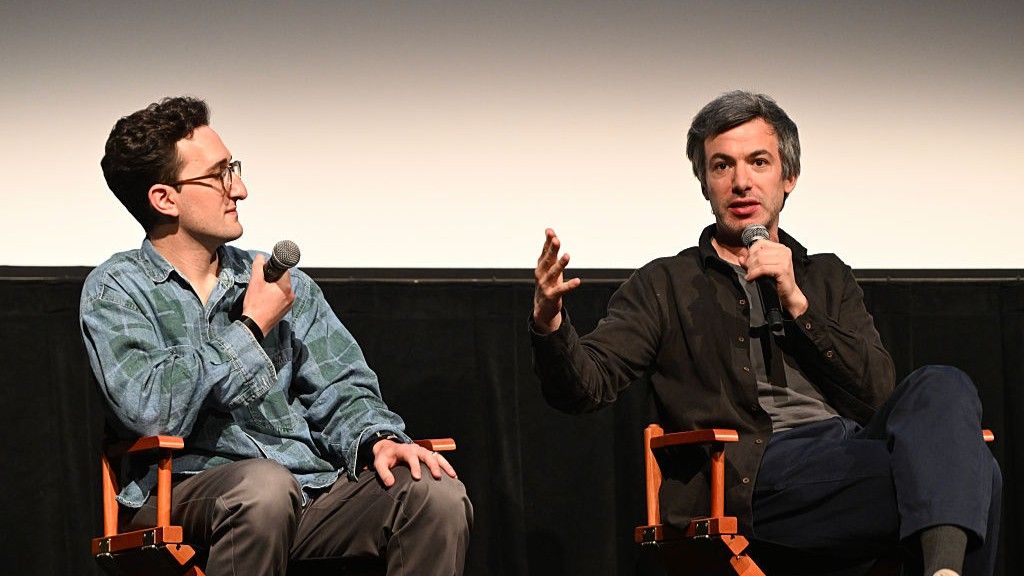
The release of the clandestine documentary You Can See Everything has sent shockwaves through both the entertainment industry and the legal community. Directed by the unconventional duo of Nathan Fielder and Lance Oppenheim, the film serves as a haunting, meta-narrative exploration of the life of disgraced Theranos founder Elizabeth Holmes. While the documentary’s primary subject is the fallen biotech mogul, the film’s most provocative revelations concern her partner, Billy Evans, and his expansive use of a Power of Attorney (POA) while Holmes serves her prison sentence for fraud.
By juxtaposing Fielder’s signature brand of reality-bending filmmaking with the cold, hard realities of estate law, the documentary has sparked a national conversation about the scope, potential for abuse, and the profound responsibilities inherent in holding a Power of Attorney.
The Chronology of Control: From Silicon Valley to Federal Prison
To understand the legal tension depicted in the film, one must first look at the timeline of events that led to the current situation. Elizabeth Holmes, once hailed as a visionary, was sentenced to 11.25 years in federal prison after a jury found her guilty of defrauding investors in her blood-testing company, Theranos.
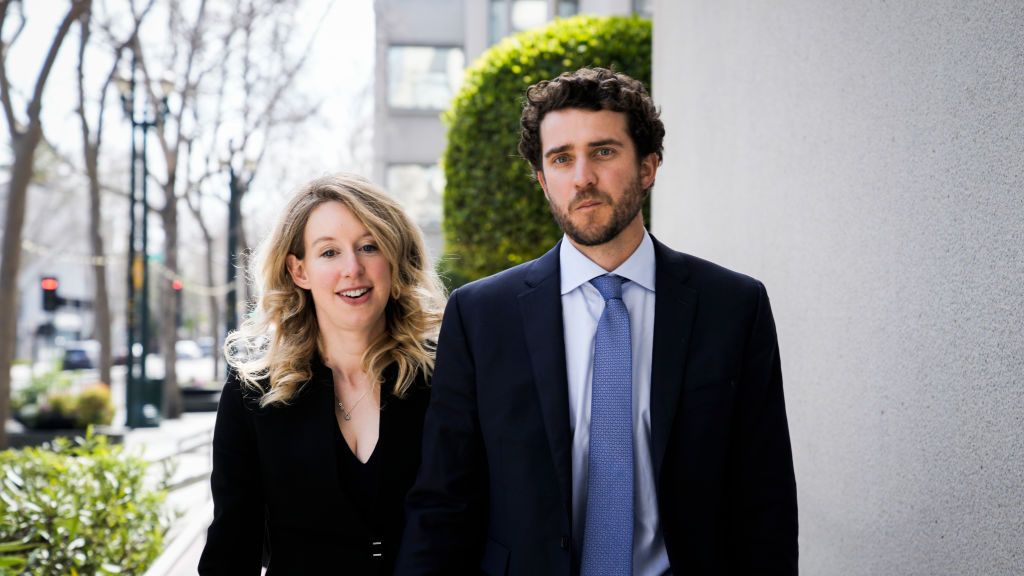
Following her incarceration, a vacuum of control emerged regarding her personal affairs and business interests. It is within this vacuum that Billy Evans, her partner, stepped forward. According to the documentary, Holmes granted Evans a Power of Attorney prior to her incarceration. As the film progresses, the audience witnesses Evans utilizing this legal instrument in ways that—to the directors and the viewers alike—seem to push the boundaries of traditional representation.
Evans is seen managing social media accounts in Holmes’ name without explicit, real-time approval, spearheading new business ventures, and even utilizing AI technology to create digital avatars of his imprisoned partner. These actions have left many viewers questioning the fundamental purpose of a POA: is it a tool for administrative continuity, or an invitation for unchecked personal agency?
Defining the Instrument: What is a Power of Attorney?
At its core, a Power of Attorney is a bedrock legal document that allows an individual—the "principal"—to designate an "agent" or "attorney-in-fact" to make decisions on their behalf. These decisions generally fall into two distinct categories:
- Financial Power of Attorney: This document authorizes an agent to manage assets, pay bills, sign contracts, and oversee business operations.
- Medical (Healthcare) Power of Attorney: This grants the agent the authority to make critical medical decisions if the principal is deemed mentally or physically incapable of doing so themselves.
"A broadly drafted financial POA can give an agent significant authority over the principal’s business interests," explains Debra Taylor, a managing partner and wealth adviser at Carson Wealth. "However, there are critical limitations. Powers such as making large gifts, changing beneficiaries on life insurance or retirement accounts, or creating complex trusts generally must be granted through specific, express language in the document. Many jurisdictions require precise legal wording to authorize these sensitive transactions."
The documentary highlights a common misconception: that a POA acts as a "blank check" for a person’s life. In reality, a POA does not grant an agent the right to voice their own opinions under the guise of the principal’s identity. Unless explicitly stated in the document, an agent does not have an inherent right to access private emails, personal social media accounts, or private communications.
The Trigger Mechanism: Can Incarceration Activate a POA?
A central theme in You Can See Everything is the question of whether a prison sentence serves as an automatic trigger for a POA. The legal reality is nuanced and highly dependent on state-specific statutes and the language of the individual document.
There are three primary types of POAs:
- Durable POA: This becomes effective immediately upon signing and remains in effect until the principal dies or revokes it.
- Limited POA: This is restricted to specific tasks or timeframes.
- Springing POA: This is perhaps the most relevant to the Holmes/Evans dynamic. A "springing" document only takes effect when a specific, predetermined event occurs—such as mental incompetence.
"While most springing POAs are tied to medical incapacity, many states allow individuals to name other triggers, such as incarceration," says Taylor. "However, this creates practical challenges. A springing document requires the agent to prove the trigger occurred, and financial institutions are notoriously slow to accept such proof exactly when the agent needs to act."
This is precisely why many legal professionals favor a Durable POA that is effective immediately. It eliminates the "lag time" required to prove a trigger, ensuring that the agent can manage affairs without bureaucratic delay.
The Fiduciary Obligation: Ethical Implications and Recourse
The most alarming aspect of the documentary for many viewers is the perception that Evans may be acting in his own interest rather than that of the principal. Under the law, an agent is a fiduciary. This is the highest standard of care in the legal system. It requires the agent to act with absolute loyalty, avoid any conflicts of interest, and maintain meticulous records of every transaction made on behalf of the principal.
If a principal believes their agent is abusing this trust, and if the principal remains mentally competent, they have the right to revoke the POA. This is typically done through a formal, signed written revocation, which must then be communicated to all relevant institutions—banks, brokerages, and legal entities—that hold a copy of the original document.
If the principal is incapacitated, the burden of protection falls on third parties. Family members, heirs, or government agencies can petition a court to review the agent’s conduct. In cases involving vulnerable or elderly adults, reports can be filed with Adult Protective Services. Furthermore, financial institutions are increasingly proactive; banks and brokerage firms have the authority to refuse to honor a POA if they suspect exploitation and can place temporary holds on suspicious withdrawals.
Strategic Advice: Lessons for the General Public
While the dramatic narrative of You Can See Everything makes for compelling cinema, it serves as a sobering cautionary tale for those currently engaged in estate planning.
1. The Spouse as the Primary Agent
For most people, a spouse is the logical choice for a POA, as they are often the most familiar with the principal’s financial landscape and personal wishes. However, this carries the risk of "simultaneous decline," where both partners reach an age where they require assistance at the same time. Consequently, naming a successor or "backup" agent is not just recommended; it is essential.
2. The Danger of Non-Legal Partnerships
The Holmes-Evans situation highlights the risks associated with non-married couples. In many states, a divorce automatically terminates a spouse’s power of attorney. This does not apply to non-married partners. If a relationship ends, the POA remains in effect unless the principal takes active, intentional steps to revoke it.
3. Reporting Requirements
The best protection against misuse is transparency. "The best protection is built in before you sign," Taylor advises. "Require the agent to report periodically to a second person or a professional trustee. This creates a system of checks and balances that discourages potential exploitation."
4. Periodic Review
A Power of Attorney is not a "set it and forget it" document. Laws change, and life circumstances evolve. Individuals should review their POAs every few years and whenever they move to a new state to ensure the document remains valid and continues to reflect their current intentions.
Conclusion: The Blur Between Reality and Representation
Ultimately, You Can See Everything succeeds not just as a documentary about a fallen tech star, but as an unintentional masterclass in the complexities of legal authority. It forces the audience to confront the unsettling reality that the power we grant others is only as secure as the character of the person we grant it to.
While the film is framed through the lens of Fielder’s suspicion and the inherent theatricality of the documentary format, the legal principles at play are universal. A Power of Attorney is a vital tool for ensuring that one’s life remains managed in accordance with their values, even when they cannot be present to advocate for themselves. However, as the case of Elizabeth Holmes and Billy Evans demonstrates, the document itself is only as strong as the oversight provided—and the clarity of the principal’s own design.
As viewers digest the revelations of the film, the most important takeaway is not the drama of the relationship, but the necessity of proactive, informed, and strictly monitored estate planning. The "everything" that can be seen in the documentary is not just the intimate life of a convicted fraudster, but the profound, often invisible, power of the proxy.