








In the modern digital economy, your credit score is more than just a three-digit number—it is a financial fingerprint that determines your access to housing, interest rates on loans, and sometimes even your employment prospects. With the rise of financial technology, staying informed about your credit standing has never been more accessible. Today, numerous applications allow consumers to monitor their credit health in real-time without spending a dime. However, not all apps are created equal. Understanding the nuance between FICO models, VantageScore estimates, and bureau-specific data is essential for anyone looking to master their financial future.
Understanding the Landscape: FICO vs. VantageScore
To use these tools effectively, one must first distinguish between the two primary scoring models. The FICO Score is the industry standard, utilized by approximately 90% of top lenders for major credit decisions, including mortgages, auto loans, and personal credit lines. Conversely, VantageScore is a popular alternative developed by the three major credit bureaus—Experian, Equifax, and TransUnion. While VantageScore is highly accurate for general tracking and educational purposes, it may differ slightly from the specific FICO model a lender uses.
The best free credit apps provide consistent updates, present data in a user-friendly interface, and help you understand the "why" behind your score fluctuations.
The Top 11 Free Credit Score Apps: A Comprehensive Breakdown
The following tools represent the most established options in the market, ranked by their accuracy, reporting frequency, and the utility of their added features.
1. Experian
Experian stands alone as the primary destination for those who prioritize the industry-standard FICO score. Because it pulls data directly from its own bureau, it offers a high-fidelity look at the file lenders see.
- Key Features: Includes Experian Boost®, which allows users to add utility and streaming payments to their file, potentially raising their score.
- Utility: The built-in score simulator is an invaluable tool for those planning to pay down debt, as it models how specific financial moves impact your score.
2. myFICO
Operated by the Fair Isaac Corporation—the creators of the FICO model—this app provides the most direct source of your data. While the free tier offers a monthly update (a slower cadence than some rivals), the accuracy is unparalleled. It is an excellent choice for users who want to see their Equifax-based FICO 8 score without third-party mediation.
3. Credit Snapshot with Lexington Law
For individuals who suspect their credit report contains errors, Credit Snapshot offers a minimalist, distraction-free interface. Unlike apps that prioritize cross-selling financial products, this tool focuses on identifying potential inaccuracies. If a red flag appears, users have a direct path to Lexington Law’s professional dispute services, allowing for a seamless transition from identification to resolution.
4. Credit Sesame
Credit Sesame excels in simplification. By providing a "Sesame Grade," it translates complex credit metrics into a familiar letter-grade format. This is particularly helpful for those who find the technicalities of credit scoring daunting. Note that while it tracks TransUnion data, it is heavily focused on financial product matching.
5. WalletHub
For the data-hungry consumer, WalletHub offers a daily refresh rate—the fastest in the industry. If you are in the middle of a credit-building campaign or are hyper-vigilant about unauthorized activity, the 24-hour lag time is a significant advantage. Its comprehensive financial planning suite also aids in long-term budgeting.
6. Credit Karma
A household name in credit monitoring, Credit Karma provides access to TransUnion and Equifax data. By pairing this with the Experian app, a consumer can essentially achieve a "tri-bureau" view for free. While the app is excellent for tracking, users should be aware that its "dispute" button is merely a notification forwarder; it does not provide the robust, human-advocated support needed for complex inaccuracies.
7. NerdWallet
NerdWallet integrates credit monitoring into a broader personal finance ecosystem. It is ideal for users who want to see their credit score alongside their cash flow and budgeting tools. However, as a discovery-based platform, it does utilize marketing emails and product recommendations as a primary business model.

8. SavvyMoney
SavvyMoney is a "hidden gem" because it is often already inside your existing banking app. By integrating with over 1,000 credit unions and banks, it allows you to monitor your score without creating yet another login. It offers the standard simulator and educational insights, making it a low-friction choice for most consumers.
9. LendingTree (Spring)
LendingTree’s app, Spring, uses weekly updates to provide personalized insights. It is particularly adept at showing you exactly which variables—such as credit utilization or payment history—are the most influential drivers of your current score.
10. Capital One CreditWise
CreditWise is an elite option because it is open to the general public, not just Capital One customers. Since 2025, it has upgraded to providing an actual FICO Score 8. Its dark web monitoring service—which scans for compromised personal information—adds a layer of identity security that many other free apps lack.
11. Chase Credit Journey
Even if you don’t hold a checking account with Chase, Credit Journey is a powerful, no-cost tool. It offers weekly updates on your Experian-based VantageScore 3.0 and provides a granular breakdown of your credit factors, including hard inquiries and total debt balances.
Supporting Data and Chronology
The evolution of these apps has followed the digitization of the financial sector. In the early 2010s, consumers often paid annual fees for access to their own credit reports. The market shifted around 2015, as consumer advocacy and increased competition pushed companies to adopt a "freemium" model.
- Chronology of Access:
- Pre-2010: Reports were accessed via paid services or annual free requests through AnnualCreditReport.com.
- 2010–2018: The rise of Credit Karma and Credit Sesame brought credit scores to mobile devices, though primarily via estimates.
- 2019–Present: Major bureaus and lenders (Experian, Capital One) began offering free, accurate FICO-based scores, forcing a market-wide shift toward higher transparency.
Official Perspectives and Implications
Financial experts consistently emphasize that "monitoring" is not the same as "managing." While these apps provide a window into your credit health, they are fundamentally passive tools.
"The danger," notes one industry analyst, "is that consumers mistake seeing their score for improving their score." A score is a lagging indicator—it reflects past behavior. If an app reports a drop, it is merely informing the user of a past action. Proactive credit management requires analyzing the report for errors and ensuring that the data behind the score is correct.
The Importance of Professional Dispute Resolution
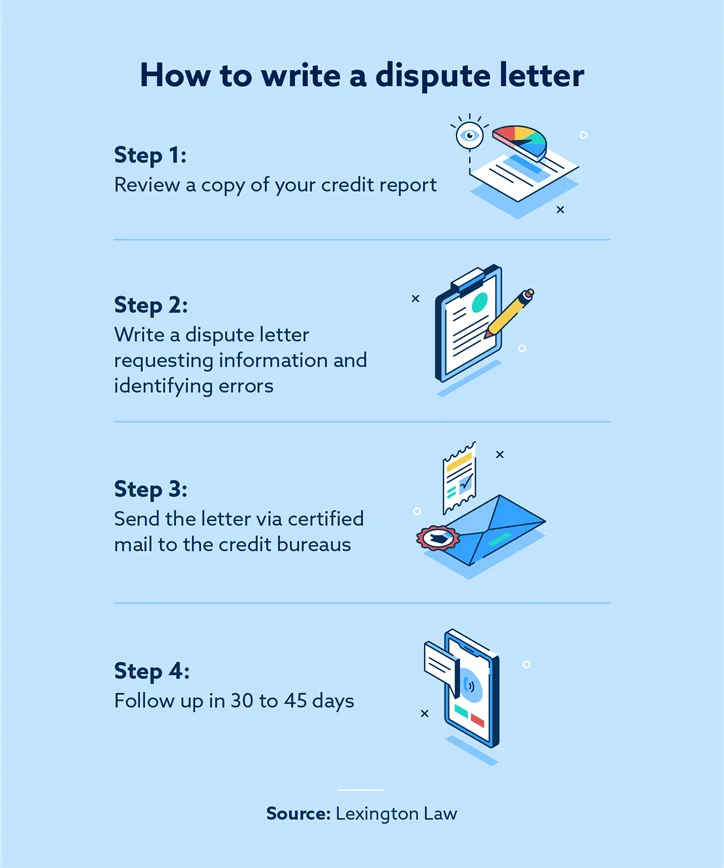
A critical implication of the current credit app ecosystem is the reliance on automated systems. Many apps offer a "dispute" button, but these automated processes are often ineffective for complex issues like identity theft, mixed files, or erroneous late payments.
If you identify a significant error, it is often necessary to move beyond the app’s basic interface. Law firms like Lexington Law specialize in navigating the complex legal requirements of the Fair Credit Reporting Act (FCRA). They do not just monitor the score; they intervene with creditors and bureaus to ensure that inaccurate or unfair entries are removed, which can have a much more profound impact on your credit health than simply checking a score daily.
Conclusion: How to Choose
The "best" app is the one you will actually use. If you want the most accurate data for a mortgage application, stick with Experian or myFICO to see your true FICO score. If you want to keep a close eye on daily changes, WalletHub is your best bet. If you suspect your score is being dragged down by errors, utilize a Credit Snapshot and consider consulting with a professional.
Ultimately, remember that checking your own score via these apps is a "soft inquiry." It will never lower your score. Stay informed, stay vigilant, and use these tools to build the financial reputation you deserve.