







In a stunning turn of events that blurs the line between cybersecurity defense and criminal enterprise, federal agents have apprehended a prominent executive from a Canadian cybersecurity firm. The arrest, which took place in Pennsylvania earlier this month, marks a significant escalation in the Federal Bureau of Investigation’s (FBI) ongoing battle against the notorious hacking collective known as "ShinyHunters."
The suspect, identified in federal court records as Edward Dubrovsky, was taken into custody on October 8 while attending a major cyber insurance industry conference in Philadelphia. His arrest, which has sent shockwaves through the cybersecurity consulting world, centers on allegations of deep-seated involvement with the very groups that security firms are paid to negotiate with.
The Arrest and the "Negotiator" Connection
The arrest of Edward Dubrovsky—a 54-year-old expert in ransomware negotiation—represents a potential "smoking gun" in the FBI’s investigation into the ShinyHunters group. Sources close to the investigation indicate that Dubrovsky was in the United States to attend the Cyber Risk Summit at the Loews Philadelphia Hotel, an event where his firm, CyberSteward, was a major presence.
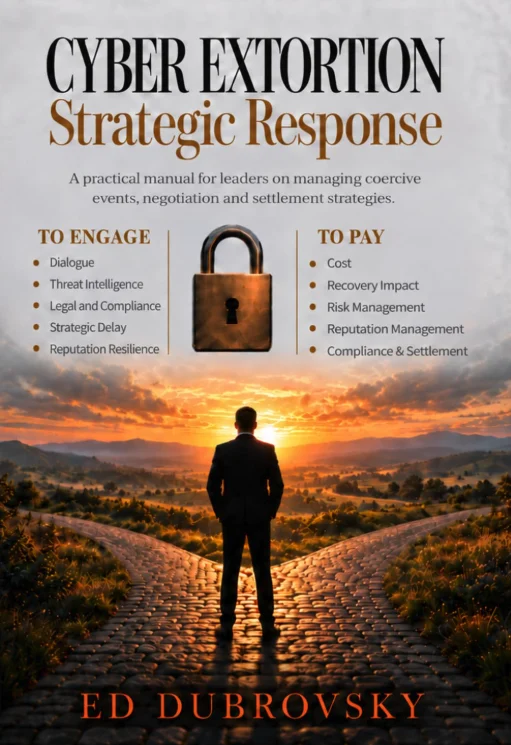
Federal court records, though largely sealed, outline serious charges against the defendant, including "conspiracy to threaten to impair the confidentiality of information with the intent to extort money" and "interference with commerce by threats." While the court filings contain a slight misspelling of his last name (Dobrovsky), the biographical details match the profile of a man who literally wrote the book on the subject: Cyber Extortion Strategic Response.
A Conflict of Interest?
Dubrovsky’s career has been built on the delicate, often opaque world of ransomware negotiations. His professional literature argues that "communicating with a criminal is not the same as negotiating a payment." However, federal prosecutors now allege that the line between "strategic response" and "co-conspiracy" may have been crossed.
The investigation has been centralized at an FBI field office in Texas, a move that signals the federal government is treating the ShinyHunters case as a top-tier national security priority rather than a standard criminal investigation.

Chronology of the ShinyHunters Crackdown
The apprehension of Dubrovsky is the latest in a rapid, cascading series of events that have dismantled key nodes of the ShinyHunters infrastructure over the last few months.
- Late 2025: Edward Dubrovsky resigns as managing director of the Canadian firm Cypfer. While his LinkedIn profile claimed he was a "co-founder," the company later issued a clarification distancing themselves from his tenure.
- September 2026: Dutch authorities, working in conjunction with international partners, arrest Pepijn van der Stap, a convicted cybercriminal linked to the ShinyHunters. The FBI subsequently began a forensic deep-dive into devices seized during this operation.
- Early October 2026: Following the arrest of Van der Stap, a mysterious figure known as "Rey" took control of the group. Rey began taunting the FBI, specifically regarding a massive data breach of the Bureau’s own recruitment portal, which compromised sensitive personnel data, including psychiatric records of agents.
- October 5–7, 2026: The Cyber Risk Summit takes place in Philadelphia.
- October 7, 2026: Reuters reports that "Rey"—identified as a teenager named Saif Al-din Khader—has been detained and is cooperating with the FBI after an attempted extortion plot against a Boeing spin-off company.
- October 8, 2026: Edward Dubrovsky is arrested by FBI agents in Philadelphia.
- October 9, 2026: Federal records indicate the case against Dubrovsky is officially transferred to the Eastern District of Texas, the epicenter of the Bureau’s multi-agency task force.
Supporting Data: The Cost of the ShinyHunters Menace
The scale of the ShinyHunters operation is staggering. According to internal FBI assessments, the group has successfully extorted over $70 million from corporate victims within the current calendar year alone. Their modus operandi is consistent: they target Software-as-a-Service (SaaS) providers, harvest credentials, exfiltrate massive volumes of sensitive corporate and client data, and then hold that data for ransom, threatening to leak it on the dark web if payment is not made in cryptocurrency.
The breach of the FBI’s own recruitment portal remains the most embarrassing chapter in this saga. By accessing the unit and specialization details of applicants and agents, the hackers demonstrated a level of audacity that prompted a scorched-earth response from the U.S. government. The subsequent arrest of the individual known as "Rey" revealed that the group’s leadership was, at times, comprised of individuals barely out of their teens, operating with a sophistication that belied their age.
Official Responses and Procedural Status
The FBI, under the leadership of Director Kash Patel, has maintained a disciplined silence regarding the specifics of the ongoing litigation. While Director Patel confirmed the arrest via a brief statement on social media, the Bureau has declined to provide further commentary on the evidence linking the Canadian cybersecurity sector to the criminal group.
The legal process for Dubrovsky is currently in its nascent stages. As of the latest update, the defendant is being held in a federal facility in Philadelphia pending further proceedings in Texas. Notably, court records indicate that Dubrovsky has not yet secured legal counsel, and the court has yet to appoint a public defender. This leaves the defendant in a precarious position as he faces some of the most aggressive cyber-extortion prosecutors in the country.
Spokespeople for CyberSteward, the firm currently associated with Dubrovsky, have yet to issue a formal statement. The industry at large is watching closely, as the precedent set by this case could fundamentally change how cyber insurance and ransomware negotiation firms operate.

Implications: The Future of Ransomware Negotiation
The arrest of a high-profile consultant like Dubrovsky raises profound questions about the "ransomware industrial complex." For years, corporations have hired firms to negotiate with hackers, often paying millions in settlements. These firms have always insisted that they operate within the bounds of the law, using "agnostic" strategies to mitigate losses.
A Turning Point for Corporate Cybersecurity
- Increased Regulatory Scrutiny: The FBI’s move suggests that the government is no longer content to treat ransomware negotiators as neutral third parties. Firms may now face increased pressure to disclose their communications with threat actors.
- The "Expert" Risk: The revelation that an expert who authored books on the topic may have been an active participant in the conspiracy will likely lead to a massive audit of how cybersecurity firms manage their client interactions.
- Deterrence vs. Cooperation: By targeting the "middlemen," the FBI is sending a clear message to the cybersecurity industry: the days of operating in the shadows of the criminal underworld are over.
What Lies Ahead?
Sources suggest that this is merely the beginning. With the FBI poring over the devices seized from Pepijn van der Stap and the ongoing cooperation of the teenager identified as "Rey," investigators are likely mapping out an entire network of accomplices. If the pattern holds, the industry should expect further indictments against principals at other companies that have, until now, operated with little oversight.
The case of the United States vs. Dubrovsky is destined to become a landmark legal battle. It pits the right to defensive cybersecurity strategy against the federal government’s mandate to dismantle criminal networks. As the investigation moves to Texas, the cybersecurity world holds its breath, waiting to see if the "negotiator" will flip on his alleged associates or if he will stand trial as the face of a new breed of white-collar cyber-criminality.
This is a developing story. Further updates will be provided as court filings become available and as the FBI concludes its investigation into the remaining members of the ShinyHunters collective.