








By PYMNTS | June 28, 2026
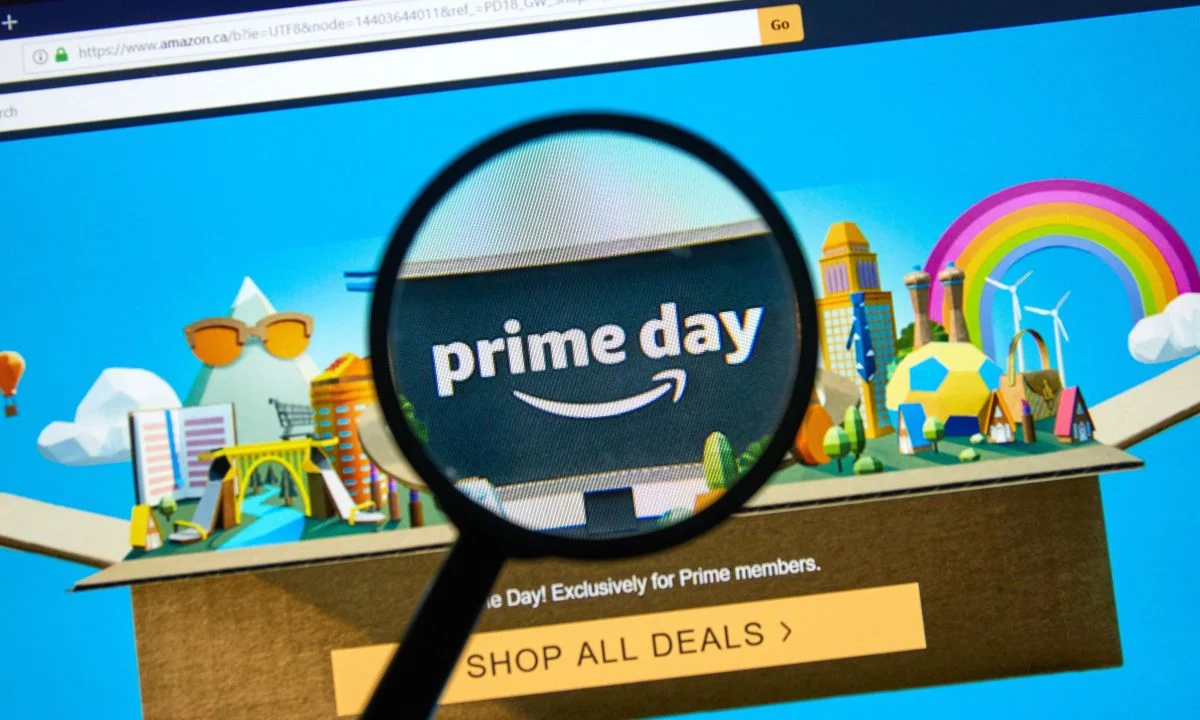
In an economic climate defined by caution, persistent inflation, and shifting sentiment, American shoppers have sent a definitive message to the retail sector: they are not stopping their spending, but they are evolving how they allocate their capital. According to the latest data from Adobe Analytics, U.S. consumers funneled more than $26.4 billion into Amazon’s coffers during the platform’s 2026 Prime Day event.
This figure represents a robust 9.3% increase over the previous year’s eCommerce extravaganza, defying predictions of a retail slowdown. As the dust settles on this four-day shopping marathon, industry analysts are dissecting the numbers to understand a paradox: how a "fatigued" consumer base continues to drive record-breaking volume in an era of economic uncertainty.
Main Facts: The Anatomy of a $26.4 Billion Event
The 2026 iteration of Amazon Prime Day solidified the event’s status as a cornerstone of the American retail calendar. By generating $26.4 billion, the event underscored the power of aggressive discounting to mobilize a hesitant consumer base.
Key takeaways from the event include:
- Year-over-Year Growth: The 9.3% increase signals that while inflation has pinched household budgets, it has also heightened the reliance on major promotional windows to execute necessary purchases.
- Shift in Product Focus: Data indicates a distinct pivot toward higher-priced, durable goods. Electronics, appliances, and personal care products saw significant traction, suggesting that consumers are using these windows to consolidate planned "big-ticket" purchases rather than engaging in impulse buying.
- The "Stock-Up" Mentality: Much of the volume was driven by consumers looking to front-load back-to-school essentials, apparel, and household staples. This indicates a pragmatic shift where the shopper is viewing Prime Day as a mechanism for long-term budget management rather than purely discretionary consumption.
Chronology: A Four-Day Strategic Window
The 2026 Prime Day was not merely a singular event but a four-day strategic campaign that tested the limits of current retail logistics and consumer demand.
Days 1-2: The Opening Salvo
The event launched with a focus on core household items and electronics. Early data from the first 48 hours showed an immediate spike in mobile shopping, with the "always-on" nature of Amazon’s interface allowing consumers to cross-reference prices in real-time. This phase saw the highest volume of big-ticket electronics, as shoppers prioritized items with the deepest percentage-off margins.
Days 3-4: The Pivot to Necessity
As the event progressed into the final two days, the purchasing pattern shifted noticeably toward commodities. Retail experts observed a surge in personal hygiene products, pantry staples, and back-to-school inventory. This phase confirmed the "pre-buying" trend, where shoppers utilized the tail-end of the event to secure items they knew would be required in the coming months, effectively hedging against future price volatility.
Supporting Data: Economic Tailwinds and Consumer Behavior
The success of the 2026 event cannot be viewed in a vacuum. It was supported by specific macroeconomic conditions that provided a "tailwind" for discretionary spending.
The Impact of Tax Refunds
CFRA Research analyst Arun Sundaram noted that the timing of 2026 tax refunds played a crucial role in the outcome. With IRS data showing that the average refund climbed 11.1% to $3,462, many households found themselves with a temporary injection of liquidity. This influx provided the necessary financial cushion to move from "survival" mode to "investment" mode, allowing consumers to purchase appliances or high-end electronics that would have otherwise remained out of reach.
The "Three-Speed" Economy
The PYMNTS Consumer Expectations Index recently highlighted that the American consumer is not a monolithic entity. The spending behavior observed during Prime Day confirms a "three-speed" economy:
- The Secure Segment: Those with steady savings and job security who continue to buy without hesitation.
- The Value-Hunters: A large middle-class group that remains active in the market but only moves when a significant discount is presented.
- The Cushion-Less: A segment that is losing financial flexibility rapidly, forcing them to limit spending to absolute essentials.
Retailers are finding that they can no longer rely on a single sentiment metric. Instead, they must tailor their strategies to capture the "Value-Hunters" while maintaining the loyalty of the "Secure" segment.
Official Responses and Expert Analysis
The retail industry has reacted to these figures with a mix of celebration and concern. Sonia Lapinsky, managing director of retail at Alix Partners, provided a sobering assessment of the consumer mindset:
"It’s really pointing to that fatigued consumer. They’re not necessarily spending more—they’re just trying to spread what they have over better deals and discounts."
This sentiment is echoed by broader retail trends. The reliance on deep discounting has created a "promotional trap" for retailers. If consumers have become accustomed to waiting for these four-day windows to stock up on everyday items, retailers may find it difficult to maintain margins during non-promotional periods.
Furthermore, the recent J.P. Morgan report—which identified Amazon as the new largest retailer in the U.S., unseating Walmart—serves as a backdrop to this success. Amazon’s victory is attributed not just to its vast inventory, but to its logistical mastery. The ability to offer "speedy delivery" on high-ticket items during Prime Day proved to be the ultimate differentiator in an environment where convenience is as valued as price.
Implications: What Lies Ahead for Retail
The results of Prime Day 2026 carry significant implications for the remainder of the year.
The Holiday Shopping Outlook
The data suggests that retailers may need to maintain aggressive discount structures through the upcoming holiday season. Because shoppers are already "stocking up" on items they would have bought anyway, the "latent demand" for the winter holidays may be lower than in previous years. Retailers who do not offer significant value propositions may find their inventory sitting idle.
Job Security vs. Economic Confidence
Perhaps the most intriguing finding from the PYMNTS Consumer Expectations Index is the divergence between "economic weather" and "personal security." While the short-term macro outlook has dropped by 3.4 points, consumers’ confidence in their own job security remains remarkably resilient. This creates a unique dynamic: consumers trust their own paychecks, even if they distrust the broader economy. They are willing to spend, but they are doing so with a heightened sense of vigilance.
The Shift in Retail Power
Amazon’s ascension to the top of the U.S. retail food chain, supported by these record-breaking Prime Day numbers, signals a permanent shift in how consumers interact with the marketplace. The integration of financing options, membership benefits, and logistics has created an ecosystem that is increasingly difficult for traditional brick-and-mortar retailers to penetrate without a digital-first strategy.
Conclusion: A New Standard for Engagement
As we look toward the second half of 2026, the $26.4 billion spent during Prime Day serves as both a roadmap and a warning. For the retail sector, the lesson is clear: the modern consumer is highly rational and increasingly selective. They are not retreating from the market, but they are demanding that the market meet them on their terms.
Whether through the strategic use of tax refunds, the front-loading of school supplies, or the calculated purchase of appliances during promotional windows, the American shopper is proving that they have the capacity to spend—provided the value proposition is undeniable. The challenge for merchants, banks, and payment providers now lies in navigating this complex landscape, where a single sentiment number can no longer tell the whole story of the American economy.