








In an era where digital presence dictates public perception, the Delta Air Lines chapter of the Air Line Pilots Association (ALPA) has launched an unconventional offensive in the ongoing battle over airline operational standards. The newly minted website, deltapilotscare.com, arrives under the guise of a consumer-friendly guidebook. While the site offers genuinely helpful tips for travelers navigating the complexities of modern air travel, industry analysts and labor experts suggest the initiative is a masterstroke of passive-aggressive messaging, signaling brewing tensions between the flight deck and the corporate boardroom.
Main Facts: A Digital Olive Branch or a Tactical Warning?
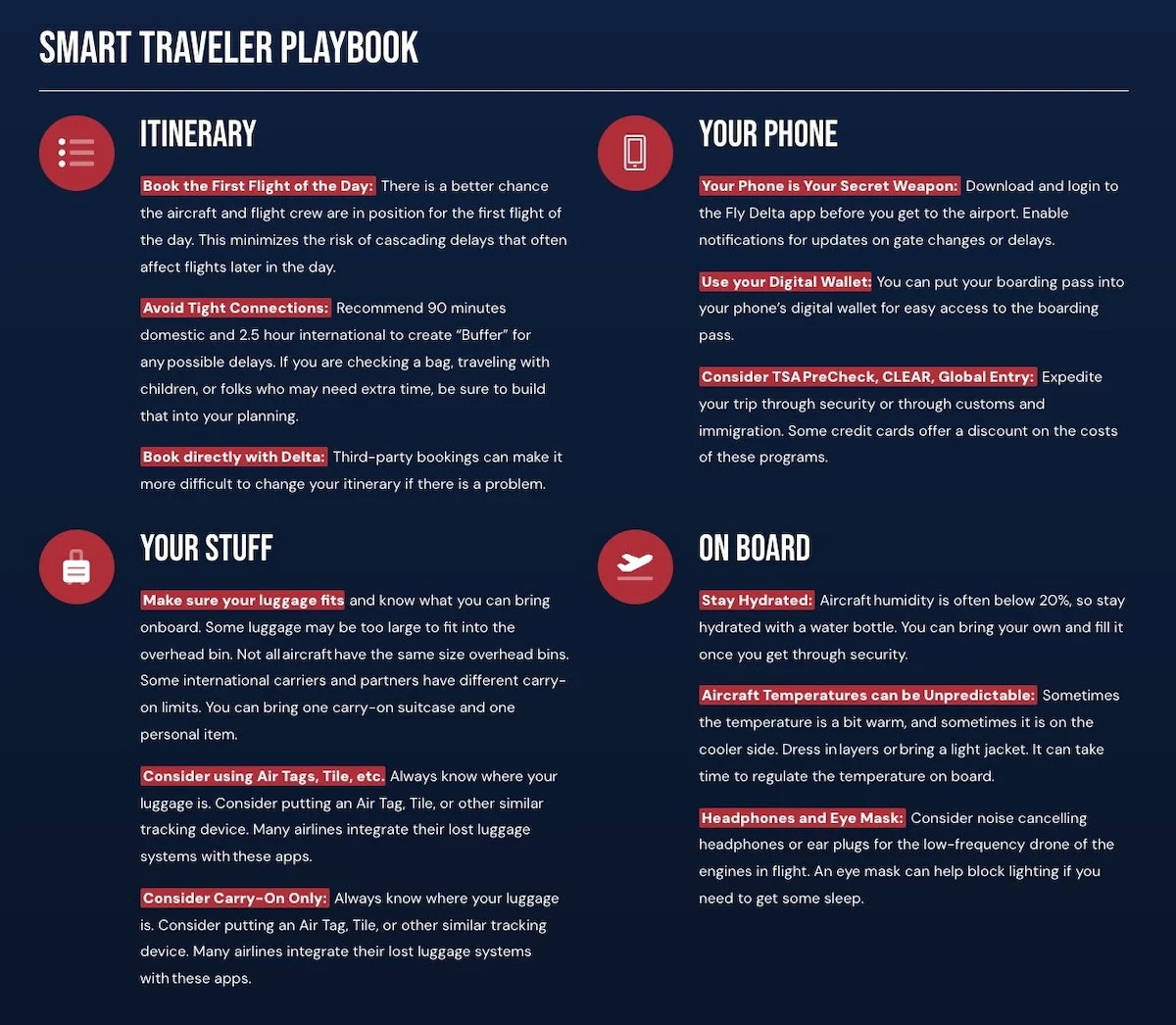
The website, which has garnered significant attention following its promotion by aviation observers, presents itself as an advocate for the passenger. It features a "Smart Traveler Playbook" designed to help customers mitigate the risks of flight delays and cancellations. From advice on how to navigate irregular operations to clear instructions on how to file formal complaints with the Department of Transportation (DOT), the site positions the pilots as the customer’s primary ally.
However, the juxtaposition of the site’s URL—which, to the untrained eye, can be read as "Delta Pilot Scare" rather than "Delta Pilots Care"—hints at the underlying friction. The content is meticulously crafted; it avoids direct ad hominem attacks on management, yet it highlights the degradation of what was once the industry’s gold standard for punctuality: the "on-time machine." By positioning themselves as the defenders of the passenger experience, the pilots are effectively framing management’s operational failures as a breach of the trust that Delta’s brand was built upon.
The Chronology: From "On-Time Machine" to Operational Gridlock
To understand the significance of this campaign, one must look at the trajectory of Delta’s operational history. For years, Delta enjoyed a reputation as the most reliable major carrier in the United States. This competitive advantage was not merely marketing; it was a cornerstone of the airline’s premium identity.
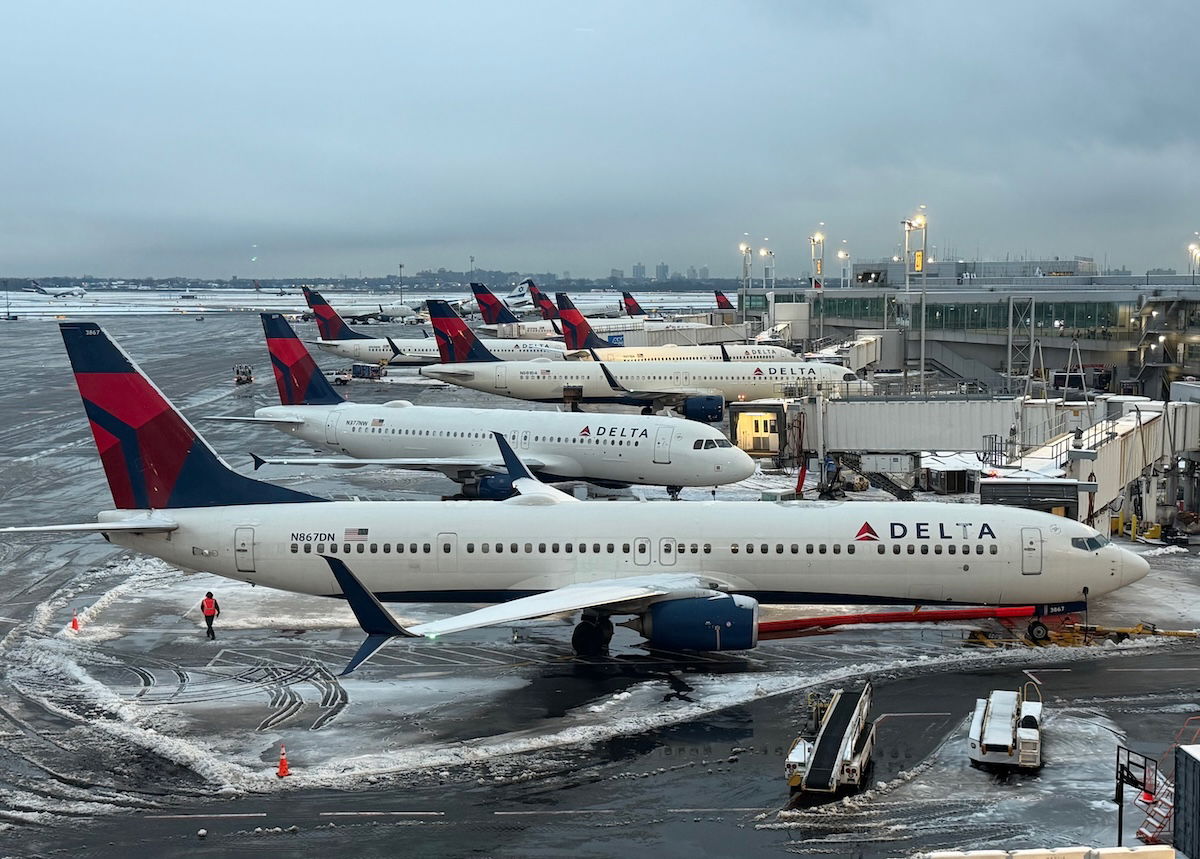
- The Pre-Pandemic Era: Delta solidified its position as the "on-time machine," consistently leading industry metrics for arrival times and low cancellation rates.
- The Post-2020 Transition: Following the global pandemic, the airline faced a massive exodus of institutional knowledge within its operations department. Unlike some competitors who successfully backfilled these roles, Delta struggled to return to pre-2020 efficiency levels.
- Technological Stagnation: Reports suggest that while other carriers aggressively invested in modernizing their scheduling and recovery software, Delta’s infrastructure remained tethered to legacy systems.
- Recent Operational Meltdowns: The inability to recover quickly from regional weather events or crew shortages has become a recurring theme, leading to high-profile service disruptions that have soured public perception.
- The Present Day: The launch of deltapilotscare.com marks the latest chapter, where the labor force has taken the initiative to communicate directly with the flying public about the decline in service reliability.
Supporting Data: The Mechanics of the Meltdown
The heart of the issue, according to aviation insiders, lies in the airline’s pilot scheduling software. While the system provides a lucrative framework for pilots to pick up extra trips—which keeps the pilot group satisfied with their compensation—it creates a "convoluted, inefficient nightmare" during periods of irregular operations.
When a disruption occurs, the software struggles to reassign crew members efficiently, leading to a domino effect of cancellations. For the airline, this system is a double-edged sword: it is written into the current collective bargaining agreement (CBA), meaning management cannot unilaterally modify the software’s parameters without triggering a formal negotiation process.
The website cleverly exploits this dynamic. By highlighting "unacceptable" operational reliability and encouraging passengers to contact the DOT, the pilots are essentially documenting the failure of current management strategies. They are providing the public with the tools to hold the airline accountable, thereby increasing pressure on the C-suite to prioritize operational fixes over short-term cost-cutting.
Implications: The Looming Contract Negotiation
The timing of this website is perhaps its most telling feature. Delta’s current pilot contract is set to become amendable on December 31, 2026. In the world of airline labor relations, "amendable" is the starting gun for high-stakes negotiations.

By launching this campaign now, the union is setting the stage for a narrative that links pilot working conditions and scheduling systems to the overall health of the airline. The message to management is clear: if you want a more flexible, modern, and reliable operation, you will need to negotiate changes to the current scheduling systems—and that will come at a price.
This is a sophisticated "leverage play." By appearing to care about the customer, the union is building a coalition of public support. If the airline’s performance continues to lag, the union can point to the website and the resulting consumer complaints as evidence that the status quo is untenable. It forces management into a corner: they must either admit that their current systems are failing—and pay to fix them—or continue to endure public, union-led scrutiny of their operational shortcomings.
Official Responses and Industry Outlook
As of this writing, Delta Air Lines has maintained a relatively low profile regarding the website. Corporate communications typically emphasize the carrier’s commitment to safety and the "premium service" that Delta customers expect. However, internal memos suggest that leadership is acutely aware of the optics.
Industry analysts are divided on the efficacy of the move. Some argue that this is a dangerous game for the union; by publicly criticizing the reliability of the brand they work for, they risk damaging the very airline that pays their salaries. Others argue that it is a brilliant tactical maneuver. If the pilots are the ones to highlight the problems, they can control the narrative before management tries to shift the blame onto crew availability or "external factors."

"What we are seeing is the professionalization of labor activism," says one airline analyst. "They aren’t holding picket signs at the airport terminal; they are holding a mirror up to the airline’s operations and asking the customers to take a look."
Conclusion: A New Frontier in Labor Relations
The launch of deltapilotscare.com represents a paradigm shift in how labor unions interact with the public. By moving the fight for contract concessions out of the backrooms and into the digital sphere, Delta pilots are forcing a public debate on the definition of operational reliability.
For the average traveler, the website offers a respite from the confusion of canceled flights and lost luggage. For Delta’s executive team, it represents a significant challenge to their control of the brand narrative. As the countdown to the December 2026 contract expiration continues, this digital campaign serves as a precursor to what promises to be a complex and highly scrutinized negotiation period.
Whether this initiative ultimately leads to a more reliable airline or merely creates more friction remains to be seen. However, one thing is certain: the pilots have successfully changed the conversation. They are no longer just flying the planes; they are now actively defining the passenger experience, and by extension, the future of the Delta Air Lines brand. The question now is whether management will meet them at the negotiating table with a plan for genuine reform, or if the "on-time machine" will continue to struggle under the weight of its own internal complexities.