









For many medical professionals, the path to a career in healthcare is paved with years of rigorous study, high-stakes residency programs, and significant financial burden. While the transition from training to a full-time medical practice often brings a substantial salary increase, it also creates a unique paradox: you are a high-earner with the potential for wealth, yet you may be hampered by a debt-to-income (DTI) ratio inflated by six-figure student loan balances.
For doctors and dentists looking to purchase their first home, this combination of high debt and professional prestige often conflicts with the rigid underwriting standards of traditional mortgage lenders. Enter the physician mortgage loan—a specialized financial product designed to accommodate the specific economic reality of medical professionals. Among the leaders in this space is Truist Bank, a financial institution born from the merger of BB&T and SunTrust. This article provides an in-depth analysis of the Truist physician mortgage program, evaluating its utility for modern medical practitioners.
Main Facts: Understanding the Truist Physician Mortgage
The Truist physician mortgage is specifically engineered to bypass traditional hurdles like the requirement for a 20% down payment or the exclusion of student loan debt from DTI calculations. By recognizing that a physician’s future earning potential is significantly higher than their current cash reserves, Truist offers a pathway to homeownership that is both accessible and flexible.
Core Program Parameters
- Target Demographic: MD, DO, DPM, DDS, and DMD degree holders.
- Loan Limits: Truist provides financing for loans up to $2.5 million, catering to both starter homes and luxury properties.
- Down Payment Flexibility: The program is highly competitive, offering 0% down on loans up to $1.5 million. For loans exceeding $1.5 million, the down payment requirements scale modestly to 5% or 10%, depending on the borrower’s time since completing medical training.
- Geographic Availability: The program is available in 47 states and the District of Columbia, excluding only Alaska, Arizona, and Hawaii.
Chronology: The Evolution of Physician Lending
To understand why programs like Truist’s exist, one must look at the timeline of medical career development.
- The Training Phase: During residency and fellowship, medical professionals often have limited income and significant debt. Traditional lenders view this as a high-risk profile.
- The Transition Phase: Upon graduation, the physician enters the workforce. While their salary jumps, their DTI remains high due to student loans. Many conventional lenders demand two years of consistent tax returns to verify income stability, which can delay homeownership for new attending physicians.
- The Practice Phase: After 5–10 years, the physician is established. At this point, the need for a "physician loan" shifts from "access to credit" to "wealth management," where borrowers prioritize liquidity and favorable interest rates over the necessity of a low down payment.
Truist’s program is structured to accommodate every stage of this chronology, allowing residents to enter the market early and established practitioners to leverage their equity for debt consolidation or property upgrades.
Supporting Data: Analyzing the Financial Mechanics
The true value of the Truist program lies in its underwriting flexibility. Unlike a standard mortgage, where a 20% down payment is the "gold standard" to avoid Private Mortgage Insurance (PMI), Truist enables borrowers to circumvent PMI even with a zero-down structure.
Debt-to-Income (DTI) Considerations
Truist maintains a generous DTI ceiling, often allowing up to 45%, with exceptions up to 50% for qualified applicants. This is critical for physicians carrying high student loan balances, as it prevents those monthly payments from automatically disqualifying them from homeownership.
The Cash-Out Refinance Advantage
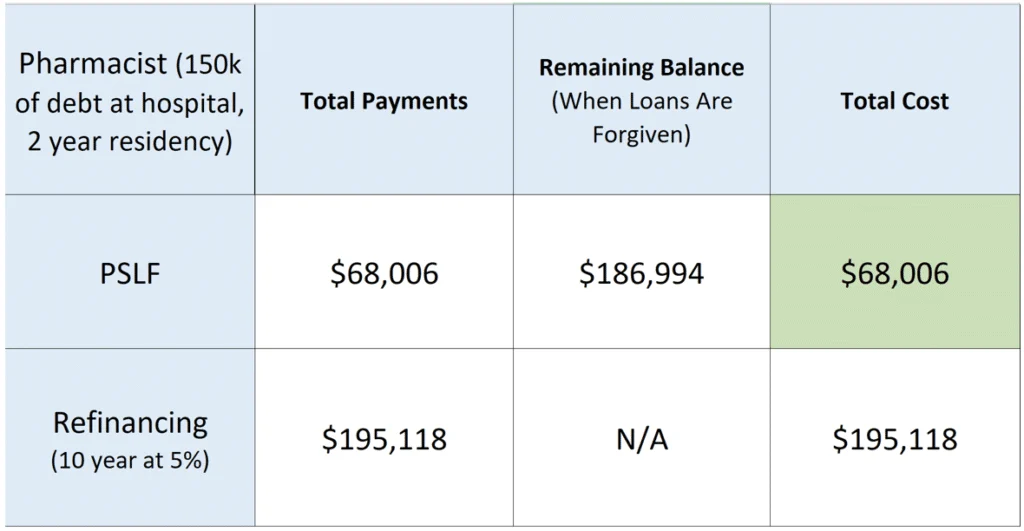
A standout feature of the Truist program is the ability to perform a cash-out refinance on an existing property. This allows homeowners to tap into their equity—up to 80% of the home’s appraised value—to pay off high-interest consumer debt or student loans. This "debt-streamlining" function is a powerful tool, though borrowers must be cautioned that refinancing federal student loans into a mortgage-based debt structure permanently forfeits access to federal loan forgiveness programs.
Official Responses and Eligibility Requirements
Truist Bank maintains stringent criteria regarding professional qualifications. While the program is robust, it is not a "one-size-fits-all" solution.

Visa and Residency Status
One of the most frequent hurdles for international medical graduates is their immigration status. Truist provides a clear pathway:
- Green Card Holders: Eligible for maximum loan-to-value (LTV) ratios.
- H-1B Visa Holders: Eligible for up to 85% LTV, acknowledging the importance of supporting international medical talent in the U.S. healthcare system.
The "15-Year Rule"
A critical nuance in the Truist program is the "time-since-training" requirement. For the most favorable terms (100% financing), the borrower should generally be within a decade of completing their residency or fellowship. As a borrower moves beyond 15 years post-training, the program shifts toward a wealth-management model, often requiring the borrower to become a Truist Wealth client to maintain eligibility.
Implications: The Risks and Rewards of Physician Mortgages
While the Truist physician mortgage is a powerful financial tool, it carries inherent risks that every doctor must weigh.
The Danger of Over-Leveraging
The ability to borrow up to $2.5 million with zero money down is a significant temptation. A large mortgage, combined with the high monthly overhead of a medical practice and student loan repayment, can quickly lead to "house poor" syndrome. Financial wellness requires a delicate balance between home equity, liquid savings, and long-term retirement investments.
The Opportunity Cost of Low Down Payments
Choosing a zero-down mortgage means you are essentially borrowing 100% of the home’s value at current interest rates. In a high-interest-rate environment, the total interest paid over the life of a 30-year fixed loan can be substantial. Physicians should perform a "break-even analysis" to determine if a smaller loan with a larger down payment might better serve their long-term wealth goals compared to the immediate benefit of keeping their cash liquid.
Strategic Steps for Application
For those considering this route, the application process at Truist follows a structured path:
- Pre-Consultation: Reach out to a Truist mortgage loan officer who specializes in physician products. They will be better equipped to handle the nuances of contract-based income than a general retail banker.
- Documentation Preparation: Organize your employment contract, proof of graduation, medical licenses, and recent tax returns. Truist is known for accepting contracts as proof of income, which allows new attending physicians to secure a home before they have received their first paycheck.
- Product Selection: Review the menu of loan products. Truist offers a variety of structures, including 30-year fixed, 15-year fixed, and various Adjustable Rate Mortgage (ARM) products. For those who anticipate moving or refinancing within 5–7 years, an ARM might offer a lower initial interest rate than a 30-year fixed mortgage.
- Final Review: Before signing, ensure you understand the "all-in" costs. This includes property taxes, homeowner’s insurance, and the total closing costs. Always compare the Truist quote against at least two other reputable physician mortgage lenders to ensure you are receiving the most competitive terms for your specific credit profile.
Conclusion: Is Truist the Right Fit for You?
The Truist physician mortgage program is a sophisticated financial instrument that bridges the gap between the high-stress, low-cash reality of medical training and the high-income potential of a successful career. By offering high loan limits, flexible DTI calculations, and accommodations for non-citizens, Truist has carved out a vital space in the market for medical professionals.
However, the ease of access should not replace prudent financial planning. The primary benefit of the physician loan is the optionality it provides—not the necessity of maximizing debt. By using these loans as a strategic stepping stone rather than a means to overextend, doctors and dentists can build a stable foundation for their families and their future careers. As with any significant financial commitment, due diligence is your most valuable asset. Consult with a financial advisor, compare your options, and ensure that your mortgage choice aligns with your broader life goals.