






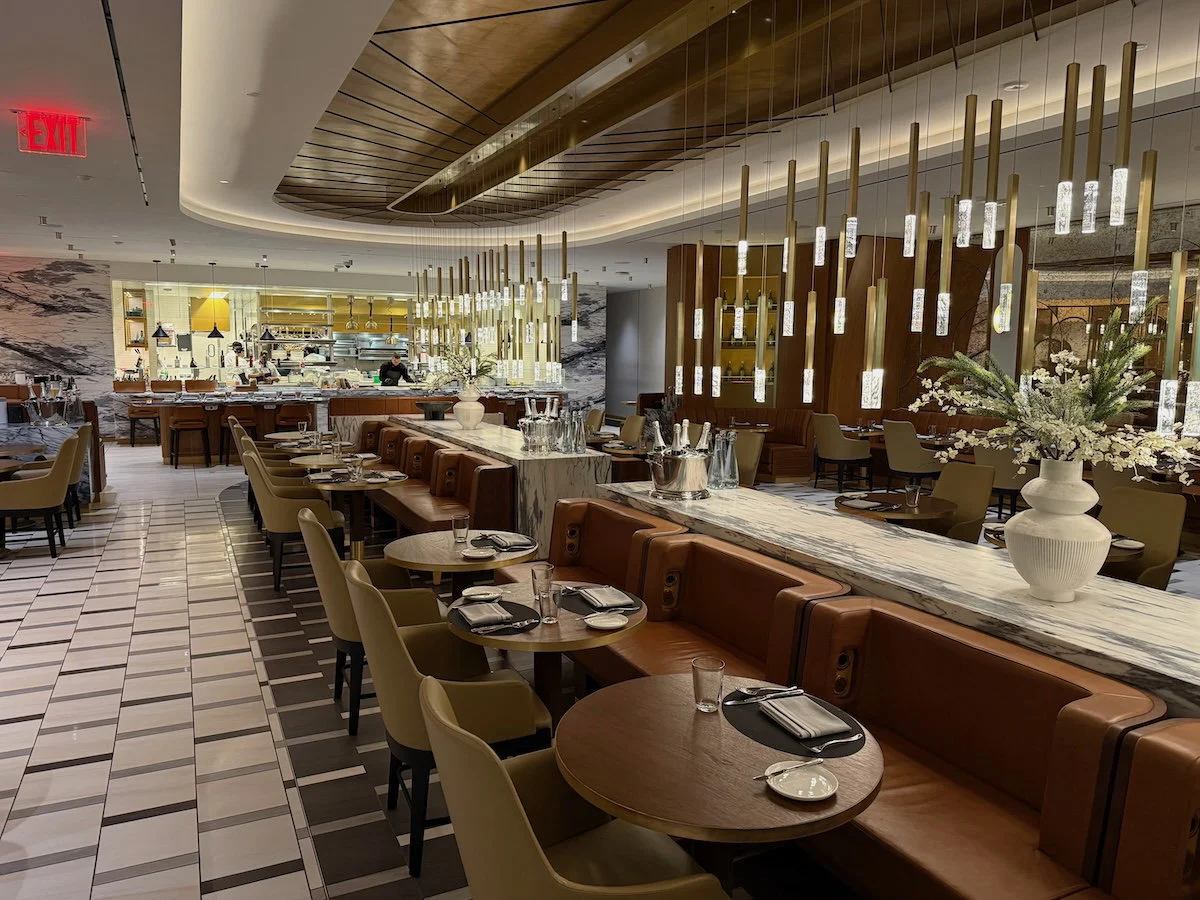
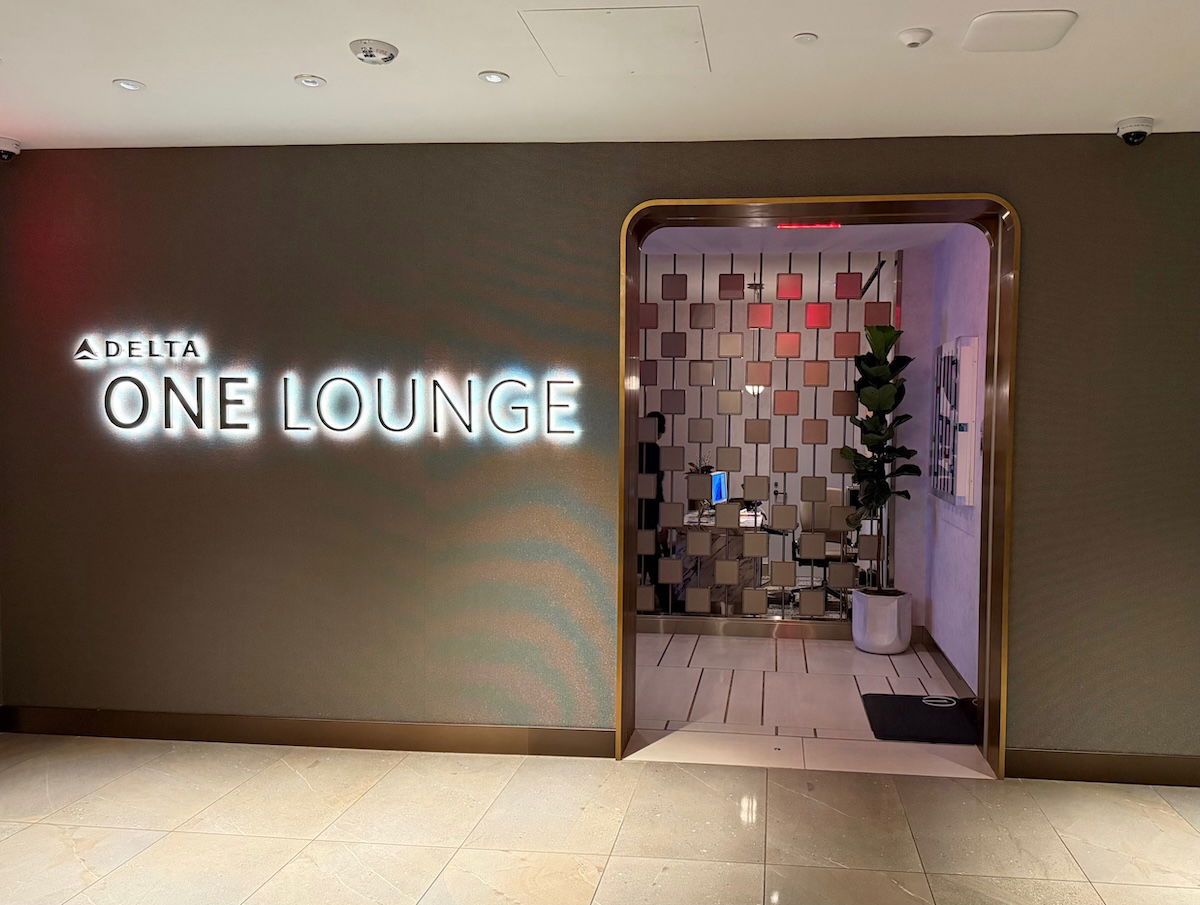
Delta Air Lines has officially moved from speculation to formal planning regarding its most significant infrastructure upgrade at its global headquarters. Following an agreement reached with the City of Atlanta, the carrier has finalized plans to construct a massive, dedicated Delta One Lounge at Hartsfield-Jackson Atlanta International Airport (ATL). While the announcement marks a pivotal moment in the airline’s effort to elevate its premium ground experience, the timeline for completion—slated for 2029—has sparked a broader conversation regarding the pace of luxury development at the world’s busiest airport.
The Scope of the Project: A Monumental Addition
The proposed lounge is set to be a behemoth, spanning approximately 39,000 square feet. Located within Concourse E, the facility is designed to serve as the premier sanctuary for passengers flying in the Delta One cabin on long-haul international routes.
To put the scale into perspective, this facility will rank as the second-largest Delta One Lounge in the carrier’s entire global network. It will fall only slightly behind the flagship location at New York’s John F. Kennedy International Airport (JFK), which currently holds the title for the largest footprint. The selection of Concourse E is strategic, as it serves as a primary hub for Delta’s international widebody departures, ensuring that the target demographic—premium, long-haul travelers—has seamless access to the lounge before boarding.
Chronology of the Delta One Lounge Rollout
The Delta One Lounge concept is a relatively new strategic pillar for the Atlanta-based carrier. Launched to compete directly with high-end offerings from international rivals and domestic competitors, the lounges are intended to offer a "white-glove" experience, featuring fine dining, personalized service, and elevated interior aesthetics that differentiate them from the standard Sky Club membership experience.
The rollout has followed a clear path, prioritizing highly competitive, high-traffic coastal hubs:
- New York (JFK): The inaugural location that set the standard for the brand.
- Los Angeles (LAX): Expanding the luxury footprint to the West Coast.
- Boston (BOS): Strengthening the presence in the competitive Northeast corridor.
- Seattle (SEA): Cementing the airline’s Pacific gateway presence.
The announcement regarding the Atlanta location fills a glaring omission in the network. However, the path to the Atlanta opening is significantly more protracted than the previous deployments. With construction slated to span roughly 30 months once site preparation begins, stakeholders are looking at a 2029 opening date. This timeline assumes a best-case scenario free from the typical bureaucratic, logistical, and supply-chain hurdles that often plague massive aviation infrastructure projects.
Supporting Data: Infrastructure Challenges and Real Estate
Building a 39,000-square-foot lounge in an operational, high-traffic airport like Hartsfield-Jackson is a feat of engineering and logistics. Airport real estate is notoriously scarce. Unlike building a new facility on undeveloped land, airport construction requires navigating existing passenger flows, security mandates, and structural limitations.
The airline’s current strategy involves a mix of repurposing existing real estate and expanding terminal footprints. For the Atlanta project, Delta must carefully coordinate with the Atlanta City Council’s transportation committee to ensure that the construction phase does not disrupt the daily operations of the world’s busiest airport.
The delay in bringing this experience to Atlanta—the "fortress hub"—has led industry analysts to question why the airline prioritized coastal hubs over its own home base. The answer lies in market dynamics: in coastal cities, Delta faces intense competition from carriers like United, American, and international flag carriers, all of whom have invested heavily in premium lounges. In Atlanta, Delta controls a dominant share of the market. Consequently, the pressure to incentivize passengers through superior ground facilities has historically been lower at its headquarters than in contested markets.
Official Stance and Strategic Implications
Delta Air Lines has not released an official statement detailing the specific interior amenities, but if the current Delta One Lounges are any indicator, guests can expect a departure from the "buffet-and-bar" model. Current locations feature full-service, sit-down dining, dedicated wellness areas, and expansive workspaces.
For the frequent traveler, the implications are twofold. On one hand, the investment confirms that Delta remains committed to its premium-first strategy, even in hubs where it faces less immediate competition. On the other hand, the 2029 timeline serves as a stark reminder that the "Delta One" experience is currently fragmented. A traveler flying from Atlanta to Europe today has a significantly different—and arguably inferior—ground experience compared to a traveler flying the same product from JFK.
The Future of Other Hubs
While eyes are on Atlanta, the question of when other major hubs like Detroit (DTW), Minneapolis (MSP), and Salt Lake City (SLC) will receive similar upgrades remains open. Delta has indicated that these projects are in the pipeline, but the lack of a formal timeline suggests that the airline is prioritizing its "top-tier" international gateways first.

Competitive Landscape and Customer Experience
The aviation industry is currently in an arms race regarding passenger experience. As seat products in Business Class become increasingly standardized, airlines are looking to the ground experience to create brand loyalty. By building these massive lounges, Delta is essentially creating an "exclusive club" that rewards its most profitable customers.
However, the "fortress hub" status of Atlanta presents a unique challenge for the airline’s PR department. Frequent flyers based in Atlanta have long noted that while the Sky Clubs are well-maintained, they are often overcrowded. The introduction of the Delta One Lounge will likely alleviate some of this pressure by siphoning off the most premium segment of the traveler base, but until 2029, those passengers will continue to navigate the standard terminal facilities.
Final Analysis: The Waiting Game
The formalization of the Atlanta Delta One Lounge project is an undeniable win for the city and for the airline’s long-term brand equity. It signals that Delta views its home hub as the center of its premium evolution.
However, the 2029 timeline serves as a cautionary tale about the complexities of modern airport infrastructure. In the world of aviation, "announced" does not mean "imminent." As travelers watch the progress of this massive 39,000-square-foot project, the discourse will likely shift toward whether the airline can maintain the momentum of its premium brand rollout without further stretching the patience of its most loyal base.
For now, the project remains in the early stages of planning. Whether it becomes the crown jewel of the Delta network or is delayed by the realities of massive construction, one thing is clear: Delta is betting heavily that the future of air travel is not just in the air, but in the sophisticated, high-end environments it creates on the ground. The wait for Atlanta’s premium transformation has officially begun, and the aviation world will be watching closely as the project breaks ground.