








In a high-stakes operation targeting the intersection of private enterprise and state-sponsored digital warfare, Dutch financial crime investigators have arrested the co-owners of two internet hosting firms. The move marks a significant escalation in the European Union’s efforts to neutralize the "bulletproof" infrastructure that has empowered Russian intelligence agencies to stage cyberattacks, coordinate disinformation campaigns, and compromise critical government systems across the continent.
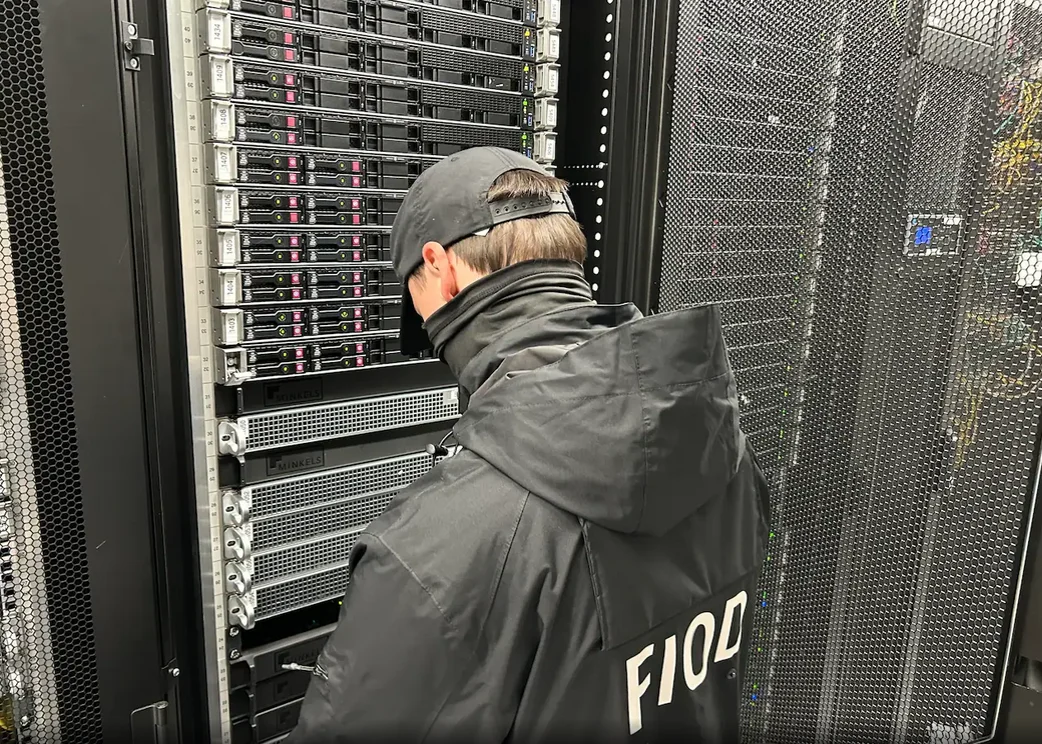
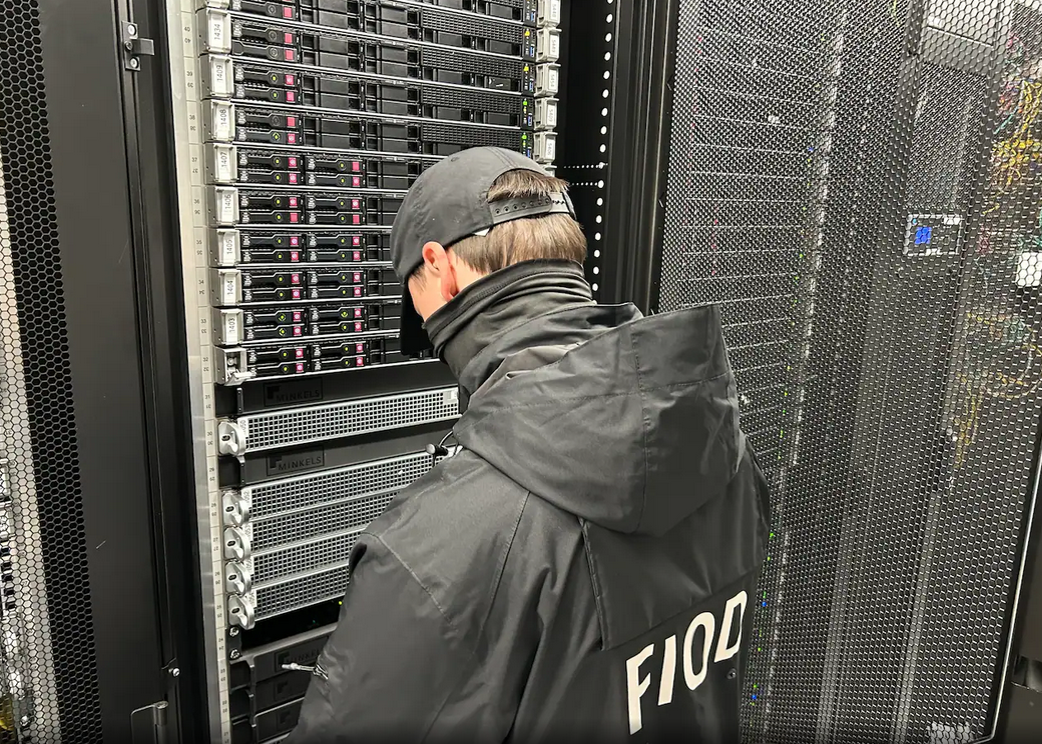
The suspects—a 57-year-old Amsterdam resident and a 39-year-old from The Hague—were apprehended on May 18 by the Tax Intelligence and Investigation Service (FIOD). Prosecutors have charged the men with violating international sanctions law by providing economic resources to entities already blacklisted by the European Union. The raid, which spanned locations in Enschede, Almere, Dronten, and Schiphol-Rijk, resulted in the seizure of over 800 servers, telecommunications hardware, and sensitive internal documentation.
The Nexus of Cyber Conflict: Stark Industries Solutions
The investigation centers on the infrastructure of "Stark Industries Solutions," a sprawling hosting provider that emerged with suspicious timing—just two weeks before Russia’s full-scale invasion of Ukraine in 2022. Since its inception, Stark Industries has functioned as a "bulletproof" host, a term used in the cybersecurity industry for providers that ignore takedown requests, protect the anonymity of their clients, and provide the high-bandwidth capacity necessary for massive distributed denial-of-service (DDoS) attacks.
For years, Stark Industries served as a primary staging ground for Russian-backed hacking collectives. Investigative reports, including those published by KrebsOnSecurity, have documented how Stark’s network became synonymous with malicious cyber activities targeting European institutions. The provider acted as a conduit for proxy and anonymity services, effectively masking the origins of traffic generated by state-aligned actors.
A Chronology of Sanctions and Subterfuge
The dismantling of this network was not a singular event but the culmination of a protracted game of digital cat-and-mouse.
- May 2024: An in-depth analysis revealed that Stark Industries Solutions was operating as a vital "iron hammer" in the cloud for Russian intelligence, providing the backbone for cyber-warfare campaigns.
- May 2025: Facing mounting pressure, the European Union imposed formal sanctions on PQHosting and its owners, the Moldovan brothers Ivan and Yuri Neculiti. The Neculitis had been identified as one of the two primary internet gateways for Stark Industries.
- Late 2025 (The Leak): Media reports signaled that EU sanctions were imminent. Sensing the crackdown, the infrastructure associated with Stark was rapidly migrated from PQHosting to a new entity branded as "the[.]hosting," which was brought under the control of the Dutch firm WorkTitans BV.
- September 2025: Follow-up investigations revealed that while the EU had crippled one of Stark’s connections, a second, Dutch-based lifeline remained active: MIRhosting.
- November 2025: During the week of Denmark’s municipal elections, data analyzed by de Volkskrant identified WorkTitans and MIRhosting as the most frequently used networks in sustained, pro-Russian cyberattacks targeting Danish government bodies.
- May 18, 2026: Dutch FIOD agents executed a coordinated raid, arresting the operators of MIRhosting and WorkTitans and seizing the hardware that formed the backbone of this illicit network.
The Operators: From Piano Prodigy to Infrastructure Broker
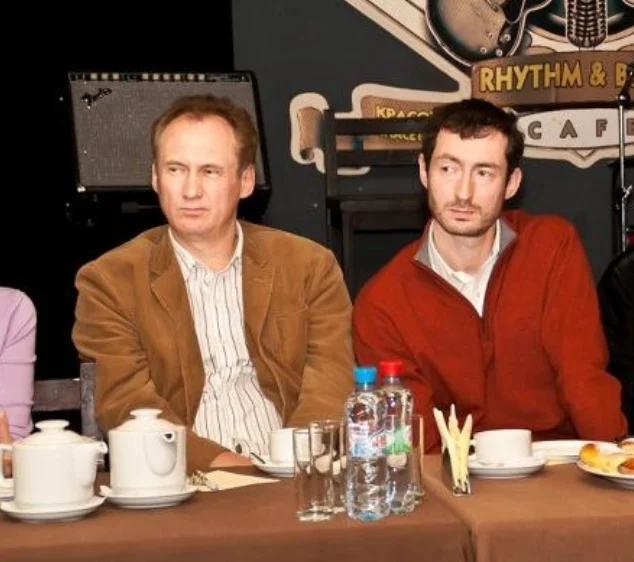
At the center of the controversy is Andrey Nesterenko, a 39-year-old Russian native operating out of the Netherlands. Nesterenko’s background is as complex as the network he managed; a former piano prodigy, he pivoted into the world of IT infrastructure in 2004 when he founded Innovation IT Solutions Corp.
Notably, this early venture was linked to the hosting of stopgeorgia[.]ru, a website utilized to organize cyberattacks against Georgia in 2008—an event widely cited by historians as the first instance of a cyberwarfare campaign occurring in tandem with conventional military engagement.
His partner in the recent operations, Youssef Zinad, has maintained a significantly lower profile. Despite his attempts to scrub his digital footprint, including deleting his LinkedIn profile and avoiding communication, investigative records link him directly to the management of MIRhosting’s legal and operational affairs. While Nesterenko attempted to distance himself from Zinad in recent statements, documentation—including internal email threads and official filings on student internship portals—suggests a deep, ongoing collaborative relationship.
Official Responses and Defenses
In the wake of the arrests, the narrative from the suspects remains one of innocence and claims of legitimate business practices. In an email exchange, Nesterenko denied any intent to evade sanctions, arguing that the transition of assets to WorkTitans was a standard business consolidation that predated the EU’s restrictive measures.
"Closing or damaging a legitimate Dutch infrastructure company will not stop cybercrime, but it will harm many people who have done nothing wrong," Nesterenko wrote. He further contended that the allegations against him were "extremely harmful" and insisted that MIRhosting does not knowingly support criminal activity.
MIRhosting issued a formal statement on LinkedIn, claiming an internal investigation found "no anomalies or spikes" in network traffic that would suggest their infrastructure was used to influence the Danish elections. They argued that they had not received any abuse reports or official requests for information regarding their services prior to the media coverage, suggesting a lack of transparency from the authorities.
The Broader Implications for European Security
The seizure of 800 servers is a tactical victory, but experts warn that it highlights a structural vulnerability within the European Union’s digital borders. The ability of individuals to set up "shell" hosting companies in one EU member state to provide services for sanctioned entities in another reveals significant gaps in how sanctions are enforced across the bloc.
The case of Stark Industries demonstrates that modern cyber-warfare is not just about code and exploits; it is about the physical and legal infrastructure that supports the attackers. By exploiting jurisdictional loopholes and leveraging the anonymity provided by loosely regulated hosting providers, Russian state actors have been able to project power into the heart of the EU without ever setting foot on its soil.
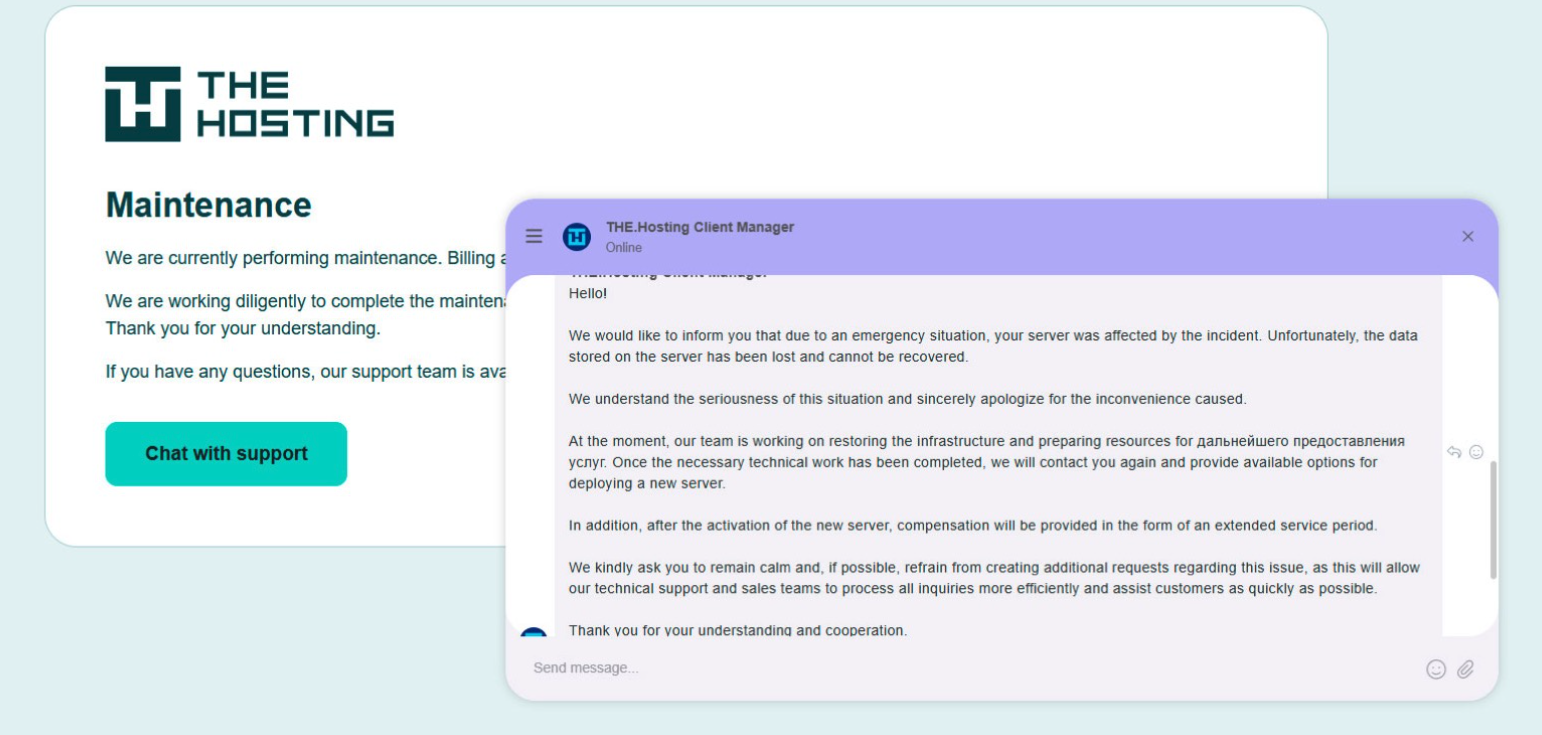
Furthermore, the destruction of the data contained on the seized servers—which users were notified were "lost and cannot be recovered"—serves as a stark reminder of the volatility of data in the current geopolitical climate. For the victims of the DDoS attacks and the targets of disinformation, the arrests provide a measure of justice. However, for the security services, the challenge remains: as long as there is a demand for "bulletproof" hosting, there will be operators willing to build the platforms to host the next generation of cyber-attacks.
The Dutch authorities’ decisive action sets a new precedent for holding infrastructure providers accountable for the actions of their clients. As the digital front line of the conflict in Ukraine continues to spill over into European cyberspace, the monitoring of such hosting firms will likely become a permanent, and critical, pillar of the EU’s national security strategy.