







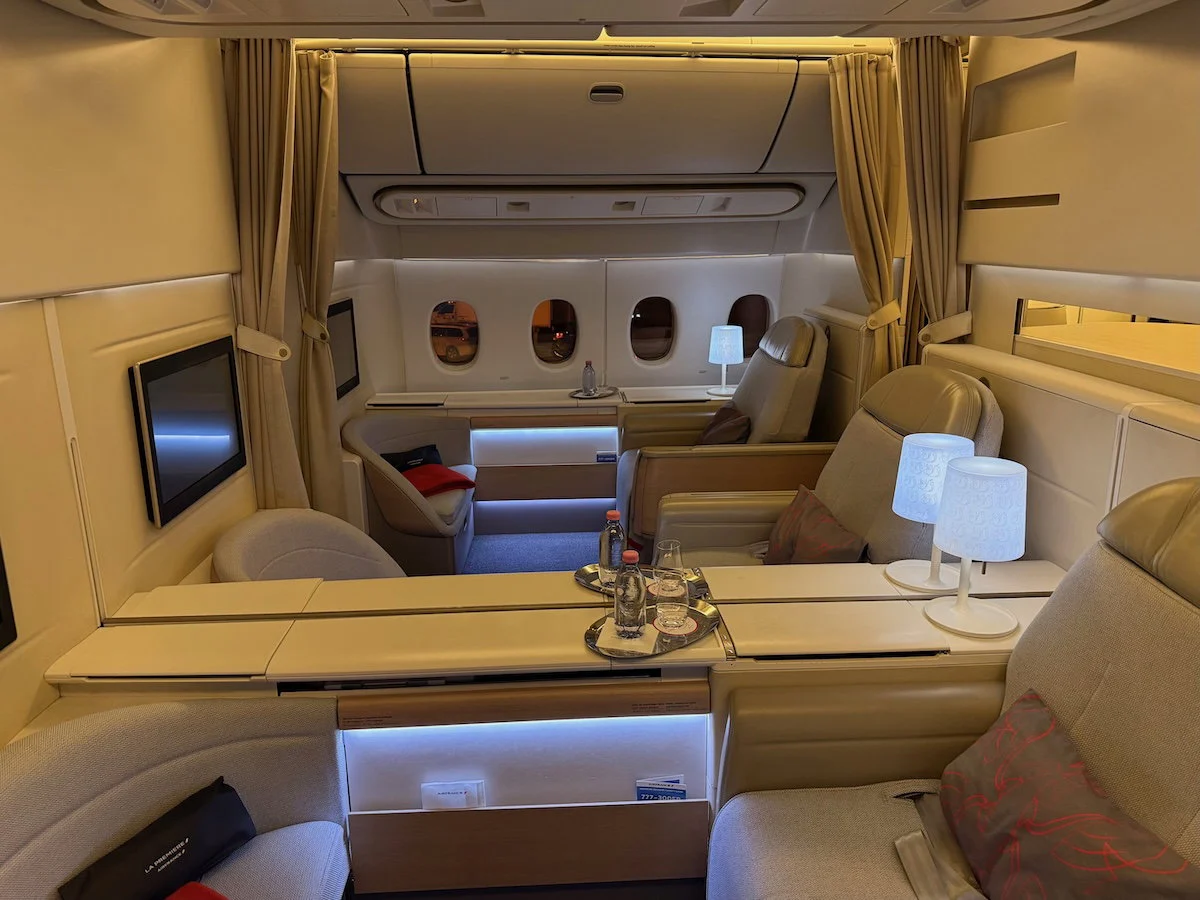
Air France’s "La Première" has long held a storied reputation as the gold standard of ultra-luxury commercial aviation. Often cited as one of the most sophisticated and refined first-class products in the world, the airline is currently undertaking a massive, multi-year endeavor to redefine that experience. By rolling out a brand-new, state-of-the-art first-class suite, Air France is not merely updating its interiors; it is attempting to set a new benchmark for exclusivity and comfort in the stratosphere.
This article explores the technical details of this transition, the strategic rollout of the new fleet, and what these changes mean for the future of long-haul travel.
Main Facts: The Anatomy of a Transformation
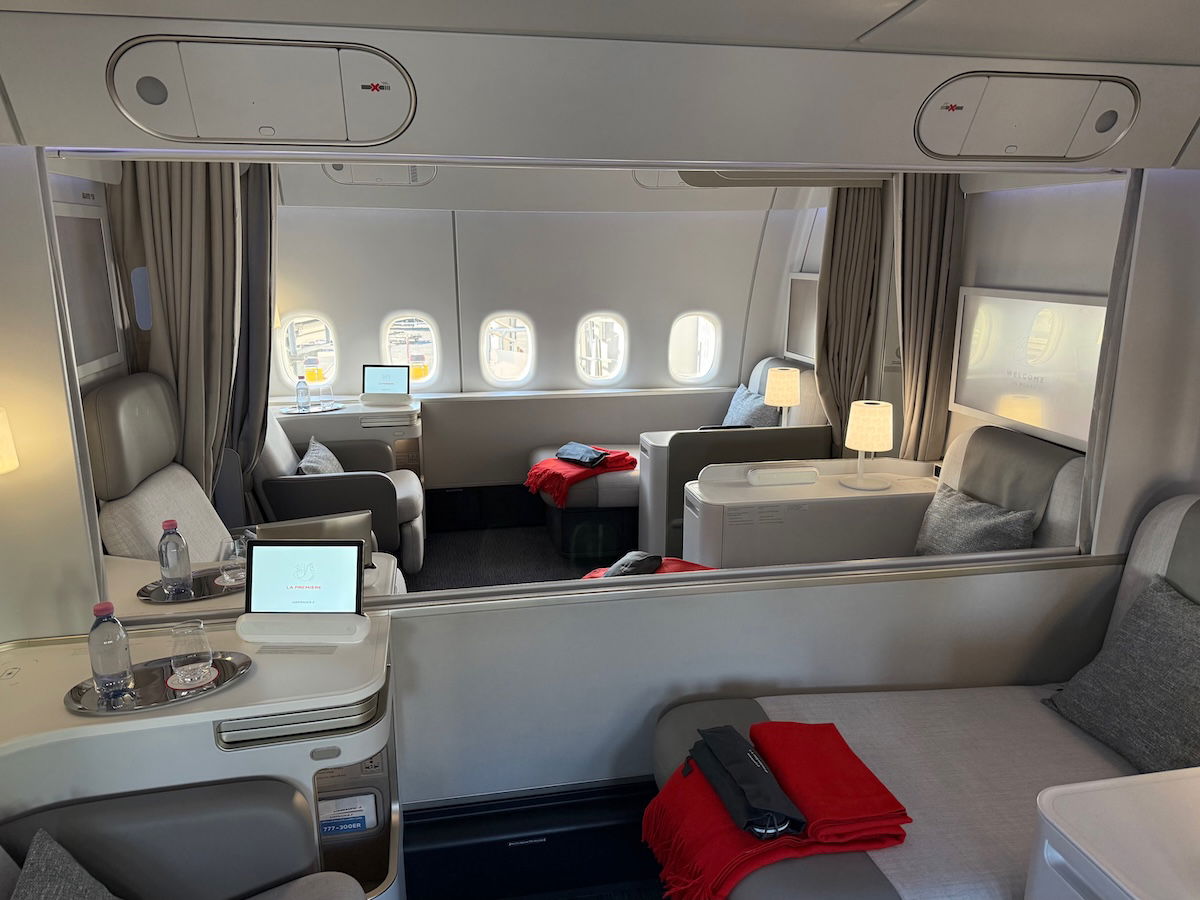
At the heart of this transformation is a focused commitment to the Boeing 777-300ER platform. While the "classic" La Première cabin—famed for its signature curtain-enclosed suites and impeccable culinary service—remains a benchmark of elegance, the new product introduces a paradigm shift. The updated suites are designed to offer unprecedented levels of privacy, featuring floor-to-ceiling partitions and a configuration that transforms the space into a true private sanctuary.

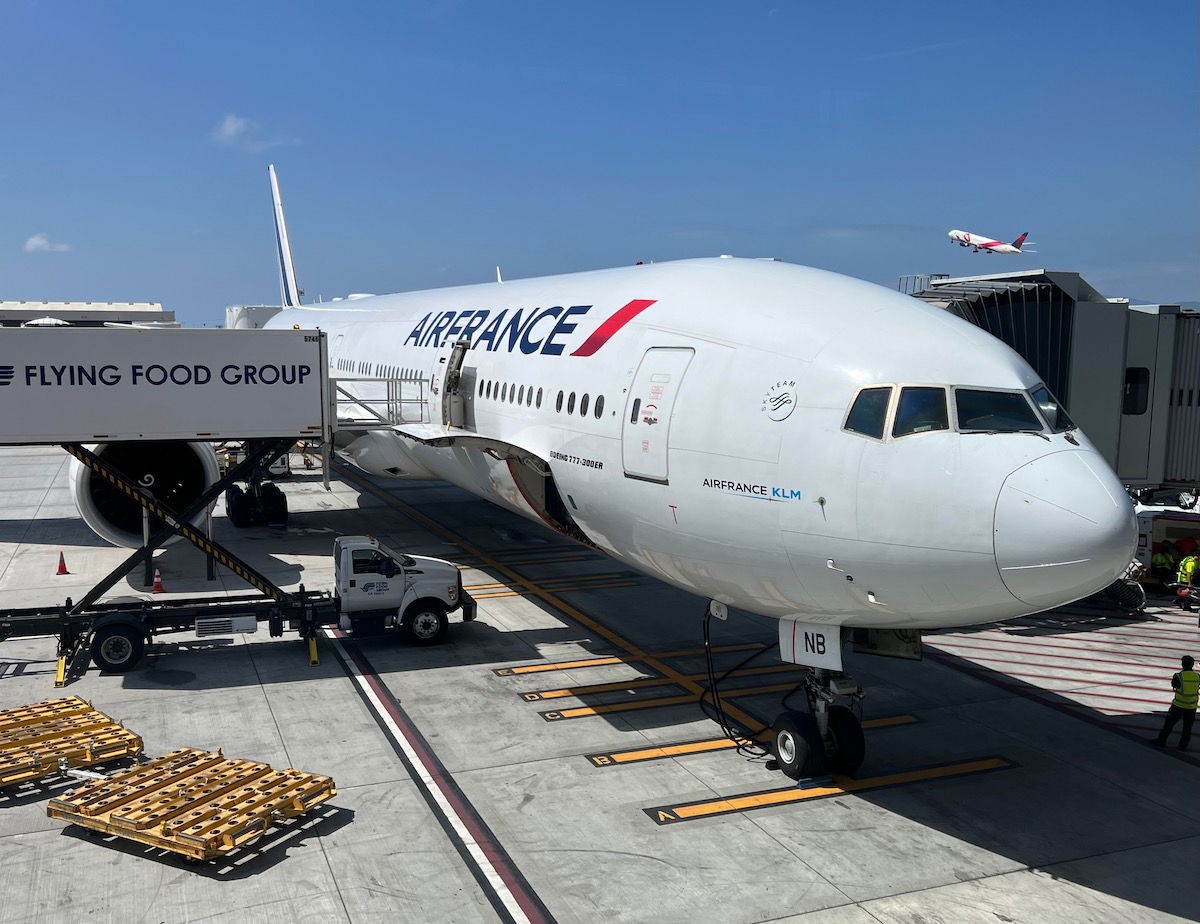
Currently, Air France’s first-class product is exclusively reserved for a specific subfleet of Boeing 777-300ER aircraft configured with four distinct classes of service: La Première, Business, Premium Economy, and Economy. This exclusivity is deliberate; the airline has opted not to install these premium cabins on its Airbus A350, A330, or Boeing 787 fleets, maintaining a tight control on brand consistency and service delivery.
As of the latest operational data, roughly two dozen Boeing 777-300ERs are equipped with the La Première cabin. Of these, 14 have already undergone the full "hard product" retrofit to the new, industry-leading suite standard.
Chronology: The Roadmap to 2026
The rollout of these cabins is not an overnight operation. It is a calculated, phased strategy that began with the identification of key high-yield routes and the logistical challenges of retrofitting long-haul aircraft.
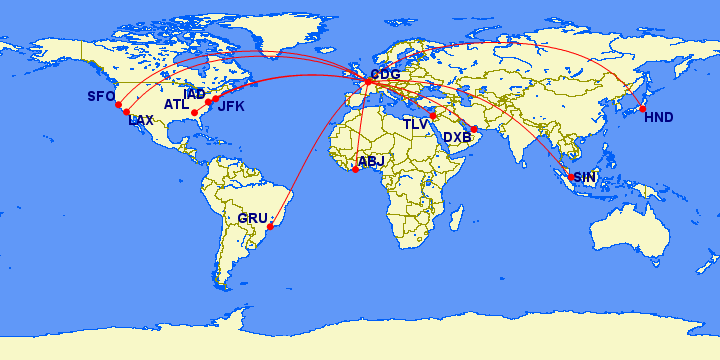
- Initial Rollout: The early phases saw the introduction of the new suites on high-demand North American and Asian routes, primarily focusing on aircraft returning from heavy maintenance checks.
- The 2025 Milestones: Throughout 2025, Air France accelerated the installation process, moving from a handful of units to a fleet-wide initiative. The integration of 14 specific aircraft—including those with registrations such as F-GSQC, F-GSQE, and F-GZNR—marks the halfway point of the fleet-wide conversion.
- The 2026 Objective: The carrier has committed to a target of retrofitting its entire four-cabin Boeing 777-300ER fleet by the end of 2026. This timeline is aggressive but achievable, provided the global supply chain for aircraft cabin components remains stable.
- Recent Network Adjustments: The expansion of the network is ongoing. For instance, the route to Houston (IAH) is scheduled for a La Première upgrade effective July 5, 2026. However, the path to expansion is not without hurdles; the previously announced inclusion of Boston (BOS) in the premium network has seen its inventory pulled, highlighting the fluid nature of long-haul network planning in the current economic climate.
Supporting Data: Fleet Logistics and Passenger Experience
To understand the scope of this project, one must look at the technical specifications and the "hidden" benefits that accompany the retrofit. The 14 aircraft currently featuring the new suites are not just receiving new first-class seats; they are undergoing a total "cabin makeover."
The Multi-Class Ripple Effect
The decision to upgrade the 777-300ERs carries significant weight for passengers in other cabins as well. Most notably, these retrofitted planes are being outfitted with Air France’s latest business-class product, which features sliding doors for enhanced privacy. For the business traveler, this is a monumental upgrade, moving the carrier’s mid-tier premium product from a solid contender to a top-tier industry leader.
Connectivity: The Starlink Integration
Perhaps the most universally appreciated upgrade across all cabins—including the back of the bus—is the integration of SpaceX’s Starlink Wi-Fi. Air France has made the strategic decision to guarantee Starlink on all reconfigured 777-300ERs. This provides, for the first time, a truly "home-like" internet experience at 35,000 feet, enabling seamless video streaming, real-time communication, and reliable work connectivity for all passengers, regardless of their seat class.
Identifying the New Cabin
For travelers looking to book these specific flights, the identification process has become more transparent. When searching on the Air France portal, a clear notification, "Aircraft equipped with the new La Première suite," serves as the primary indicator.
Furthermore, a quick glance at the seat map provides immediate confirmation. The new configuration features a distinctive layout with a separate seat and "chaise longue," utilizing a 1A, 1D, 1H, and 1L numbering system, whereas the legacy configuration utilizes 1A, 1E, 1F, and 1L.
Official Perspectives and Strategic Implications
Air France management has positioned this investment as a cornerstone of their "Move Up" strategy—a long-term plan to transition the airline toward a more premium-focused market segment. By consolidating the best of their technology and service into the 777-300ER fleet, the airline is effectively insulating itself against the volatility of the economy-class price wars.
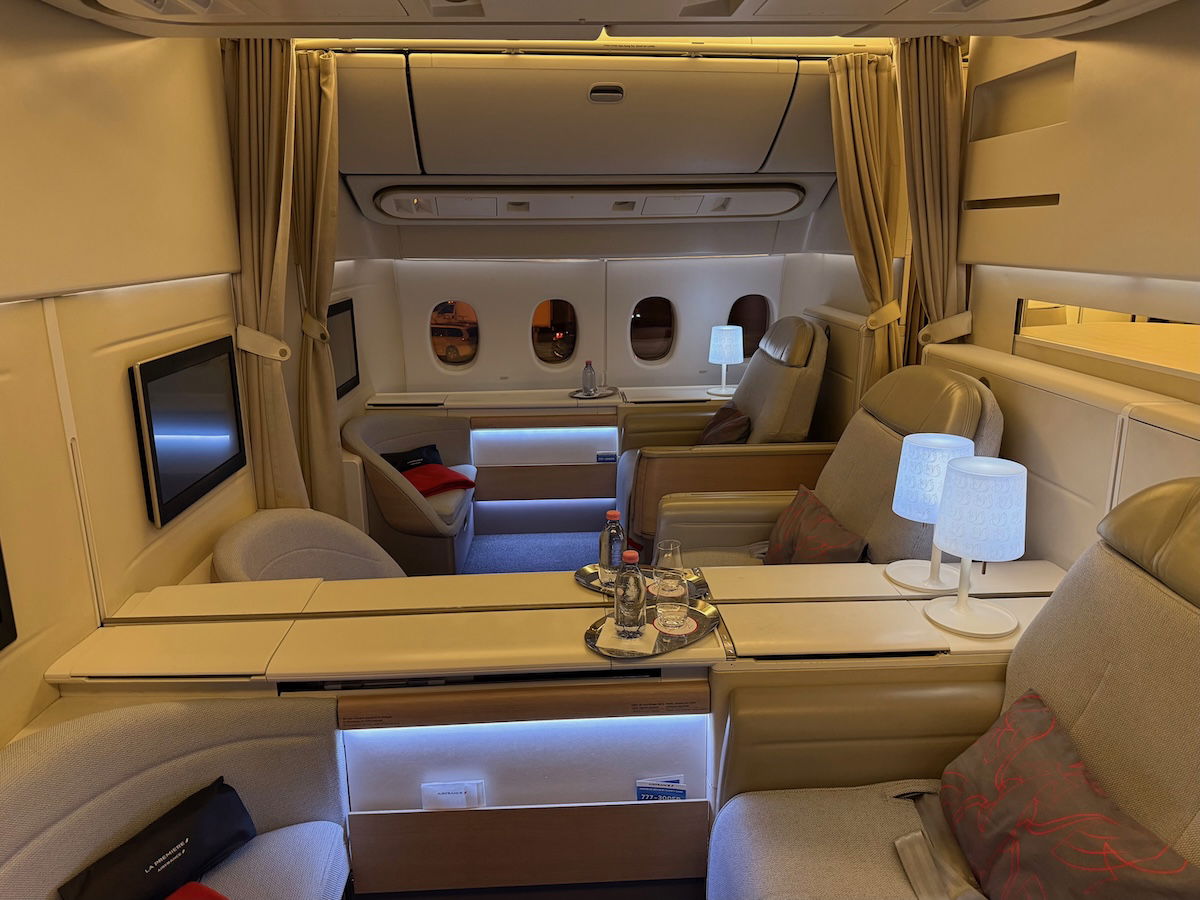
From an industry perspective, the move is a direct response to the "suite-ification" of international first class. With competitors like Emirates, Singapore Airlines, and ANA pushing the boundaries of what a private suite can be, Air France’s new La Première is a necessary evolution to maintain its position as a global leader.
The strategy also reflects a broader shift in airline fleet management. By increasing the number of aircraft with first-class capacity, Air France is testing the market’s elasticity. Many of the aircraft currently being retrofitted previously operated in a three-cabin configuration (Business, Premium Economy, and Economy). The transition to a four-cabin layout suggests that the airline has identified a growing appetite for ultra-premium travel, likely driven by the post-pandemic resurgence in luxury travel and corporate travel budgets that are increasingly prioritizing comfort and productivity.
Implications for the Future of Travel
What does this mean for the average traveler?
First, it signals a return to the era of "consistent excellence." In the past, the "First Class experience" on many airlines was a lottery; a passenger might pay for the best, only to receive an older, tired seat on an aircraft that had not yet been updated. Air France’s aggressive, transparent communication and clear seat-map identification system mitigate this risk, providing passengers with the certainty required for high-stakes travel.
Second, the secondary benefits of this project—the new business class and Starlink—suggest that the "trickle-down" effect of cabin upgrades is finally reaching the main cabin. While the La Première suite remains the headline, the holistic improvement of the 777-300ER fleet ensures that the overall brand perception of Air France is elevated.
Finally, the flexibility of the network is a crucial takeaway. As seen with the recent shifts in routes like Boston and Houston, the airline is willing to pivot its assets based on demand. This implies that for the frequent flyer, monitoring these aircraft registrations and route maps will be essential for the next 18 months.

As we look toward the conclusion of this project in late 2026, the question remains: will the market sustain this level of premium inventory? Given the current trajectory of international travel, it appears that for Air France, the answer is a resounding yes. By betting on the 777-300ER as its flagship, the airline is not just upgrading seats—it is reinforcing its status as an icon of French elegance and global connectivity.