







When booking an "all-inclusive" vacation package, travelers operate under a reasonable assumption: that the amenities prominently featured in the marketing materials are accessible as part of the price paid. However, a recent dispute involving a couple, easyJet Holidays, and the Jaal Riad Resort in Marrakech, Morocco, has highlighted a growing tension in the travel industry regarding the lack of transparency in hotel fee structures.
The incident, which gained national attention after being featured in The Guardian’s "Consumer Champions" column, serves as a cautionary tale for modern travelers. It raises fundamental questions about disclosure, the definition of "all-inclusive," and whether luxury amenities have become a new frontier for "drip pricing"—a practice where the final cost of a service is significantly higher than the initial advertised price due to mandatory add-ons.
The Core Facts: A Breakdown of the Dispute
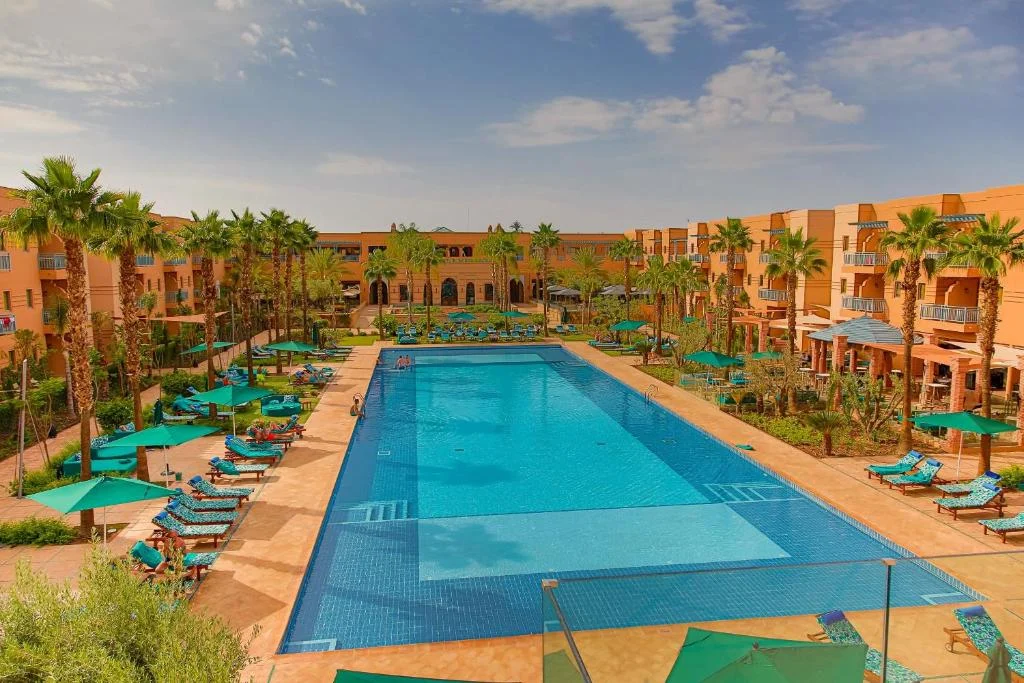
The controversy centers on a couple who purchased a week-long, all-inclusive getaway to Marrakech through easyJet Holidays for a total of £2,150. Enticed by images of a serene, high-end resort, the couple anticipated a relaxing retreat defined by access to the hotel’s spa and aquatic facilities.
Upon arrival, however, the couple discovered a rigid fee structure that had not been communicated during the booking process. The hotel informed them that access to the heated indoor pool required a payment of £24 (approximately $32) per person, per hour. Furthermore, the Jacuzzi was priced at £24 for a 20-minute session, and the traditional hammam experience cost £16 for 20 minutes.
The travelers were stunned. These costs were not presented as optional luxury upgrades; they were presented as mandatory fees for using the very facilities that had served as the primary motivation for their booking. Had these costs been disclosed upfront, the couple maintains they would have selected a different property.
Chronology of the Conflict
The timeline of this grievance highlights the friction between third-party booking platforms and the reality of on-site hotel operations:
- The Booking Phase: The couple browses the easyJet Holidays platform, selecting the Jaal Riad Resort based on its advertised amenities. The booking process concludes without any mention of per-hour usage fees for the pool or spa.
- The Arrival: Upon checking into the resort, the guests receive a briefing on the "rules" of the property, including the unexpected price list for the heated pool, Jacuzzi, and hammam.
- The Initial Grievance: The couple approaches the hotel management, who remain firm on the policy. They subsequently escalate the complaint to easyJet Holidays.
- The Corporate Rejection: easyJet Holidays initially rejects the complaint, citing a vague disclaimer buried in the "small print" of the facility list, which stated that "charges may apply" to certain amenities.
- External Escalation: Frustrated by the lack of resolution, the couple reaches out to The Guardian.
- The Resolution: Following media scrutiny, easyJet Holidays pivots, offering a £500 goodwill gesture to the travelers, though the company stops short of admitting fault regarding their marketing transparency.
Dissecting the "All-Inclusive" Misconception
The term "all-inclusive" has long been a source of ambiguity in the hospitality industry. Historically, it implied that food, drinks, and standard recreational access were covered. Today, however, the definition is increasingly fluid.
In the case of the Jaal Riad Resort, the confusion appears to stem from the distinction between "recreational pool access" and "spa facility access." While many hotels offer an outdoor, unheated pool as a standard amenity, the heated indoor pool is often categorized under the "spa" umbrella.
Industry analysts point out that this creates a trap for the consumer. When a website features a high-end, heated indoor pool in its gallery, the average consumer interprets this as a hotel facility. The hotel, conversely, views it as a premium revenue stream. Because the hotel’s own digital presence is often sparse—relying heavily on third-party aggregators—critical information regarding these "premium" status amenities is frequently omitted, leaving the traveler to navigate the gap between expectation and reality.
Official Responses and Corporate Responsibility
In response to the growing backlash, easyJet Holidays released a statement emphasizing their commitment to transparency while defending their current disclosures. "We always strive to make it clear that use of hotel facilities may incur additional charges," the company noted.

However, the company’s subsequent actions tell a different story. easyJet acknowledged that they are currently reviewing their property descriptions to "further highlight" that spa facilities are subject to charge. The offer of a £500 goodwill payment is widely viewed by industry observers as a tactical maneuver to mitigate negative publicity rather than a systemic policy change.
The hotel, for its part, has remained largely silent, continuing to operate under a business model that relies on high-margin, ancillary fees. This suggests a disconnect between the hotel’s business model—which likely prioritizes volume through online travel agencies (OTAs) over direct guest retention—and the expectations of international tourists who expect a premium, hassle-free experience.
The Broader Implications for the Travel Industry
This situation is not an isolated incident. The rise of "resort fees," "energy surcharges," and "amenity usage fees" has become a pervasive issue in global travel. When these costs are not bundled into the initial price, they undermine the consumer’s ability to compare prices accurately.
1. The Erosion of Consumer Trust
When a traveler feels "baited and switched," the brand loyalty toward both the hotel and the booking platform is permanently damaged. As consumers become more tech-savvy, they are increasingly using platforms like TripAdvisor and social media to expose these hidden fees, which can have a long-term negative impact on a hotel’s reputation.
2. The Role of Online Travel Agencies (OTAs)
OTAs have a duty of care to ensure that the descriptions provided on their platforms are accurate and exhaustive. If a hotel facility is marketed as a primary draw, any associated costs must be clearly displayed at the point of sale, not hidden in a sub-menu or a footnote.
3. The "Winter" Factor
The timing of a trip plays a massive role in the perceived fairness of these fees. In a destination like Marrakech, where winter temperatures can be too chilly for an unheated outdoor pool, the heated indoor pool becomes an essential amenity rather than a luxury add-on. Charging for it during the winter season feels punitive to the guest, further fueling the outrage.
Conclusion: A Lesson in Due Diligence
While the frustration expressed by the travelers is entirely justified, the incident serves as a stark reminder that in the modern travel landscape, "all-inclusive" does not always mean "everything is included."
For the average traveler, the takeaway is clear: assume nothing. Before finalizing a booking, travelers should:
- Directly Contact the Property: If a specific facility (like a pool or gym) is the deciding factor for a trip, a quick email or call to the hotel to verify if it is included in the base rate can prevent significant disappointment.
- Scrutinize the Fine Print: Look specifically for words like "supplemental," "usage fee," or "premium access."
- Check Recent Reviews: Recent guest reviews are often the most accurate source of truth, as they will frequently mention hidden fees that the hotel or booking platform conveniently omits.
Ultimately, the Jaal Riad Resort situation highlights a necessary evolution in travel regulation. As the industry continues to recover and expand, there is a clear demand for greater transparency. Until such regulations are enforced, the responsibility remains with the consumer to peel back the layers of marketing to uncover the true cost of their "paradise."